Bali. The name itself brings to mind emerald rice fields, quiet temples, and vibrant coastlines. For many, a first visit to this Indonesian island feels like stepping into a gentle dream, where daily life moves hand-in-hand with ancient traditions. This guide is for those taking their first tentative steps onto the island, an orientation meant to offer a calm introduction without over-planning or rushing the experience.
No one pays to be recommended here, and we say when a free or cheaper option wins. Our promise →
In this guide9 sections
- Understanding Bali’s Diverse Landscapes
- Navigating the Island: Getting Around Bali
- The Spiritual Heart: Temples and Cultural Etiquette
- Flavours of the Island: What to Eat in Bali
- What to Do: Dances, Volcanoes and the Islands
- Planning Your Visit: When to Go and What to Pack
- Mindful Travel: Respecting Bali’s Culture and Environment
- Finding Your Rhythm in Bali
- Frequently asked questions
Understanding Bali’s Diverse Landscapes
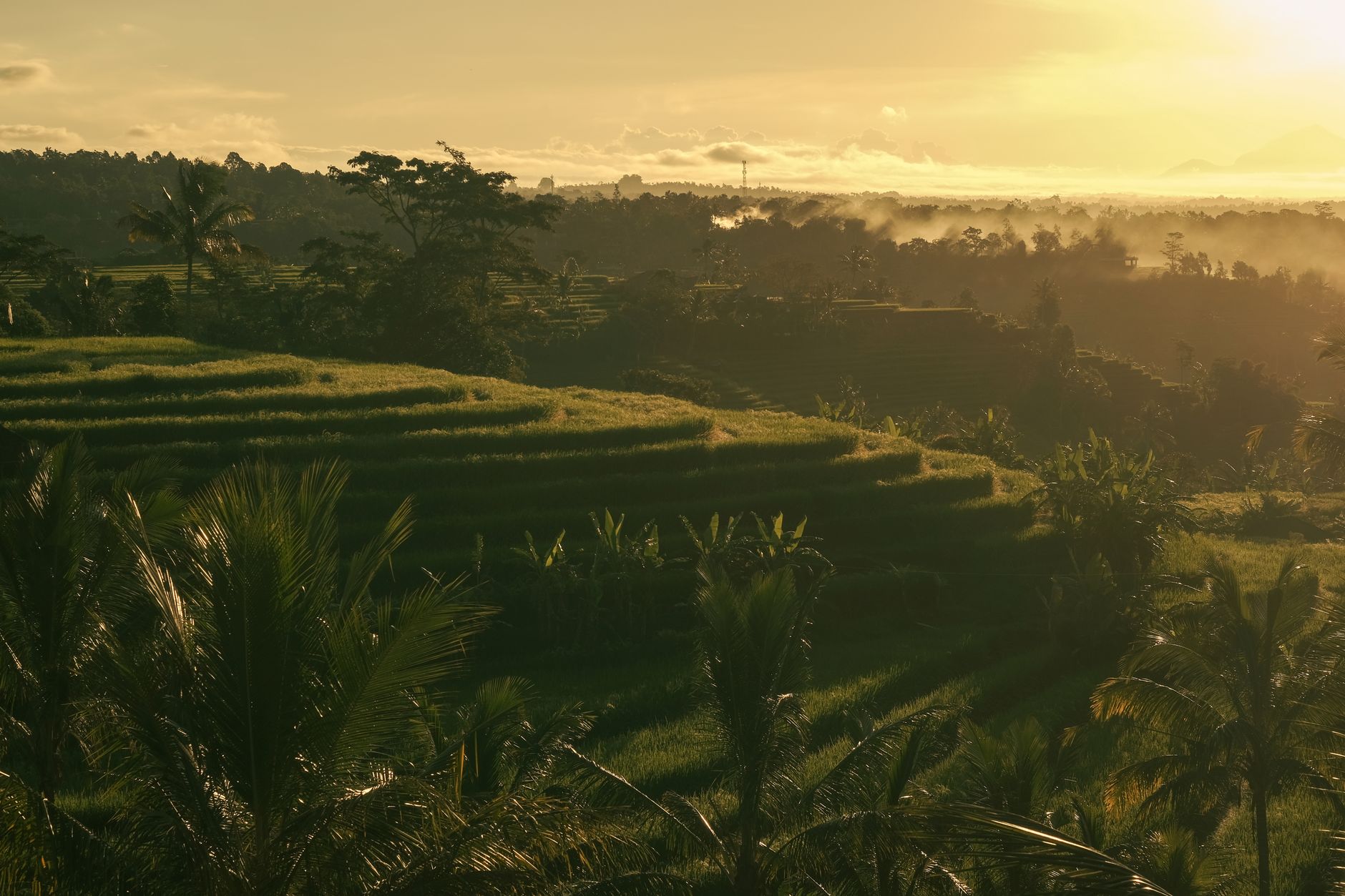
It’s easy to think of Bali as one place, but its regions each have their own feel. As a first-timer, understanding these differences can help you shape an itinerary that suits your pace. I find that allowing myself to settle into one or two areas deeply, rather than trying to see everything, often yields a richer experience.
Ubud is often called the island’s cultural heart, and I feel that most clearly there. Here, among the terraced hillsides and lush ravines, you’ll find art, yoga, and a quiet sense of spirituality woven into the landscape. The scent of incense often drifts through the air, carried from temples and offerings placed on doorsteps. I enjoy the slow mornings spent in local cafés, watching the day unfold, or getting lost among the Tegallalang rice terraces, where the light shifts and dances across the water-filled paddies.
Down on the southern coast, Seminyak and Canggu offer a different pace. These areas are known for their beaches, surf culture, and a lovely collection of charming cafés and boutiques. While Seminyak leans towards upscale dining and shopping, Canggu has a more bohemian, digital nomad vibe, with relaxed beach clubs and surf breaks. It’s a place where I often find myself walking for miles along the shore as the sun sets.
Further south, the Bukit Peninsula reveals dramatic limestone cliffs and highly regarded surf spots. Areas like Uluwatu offer breathtaking ocean views, well-known cliffside temples, and a more rugged, nature-focused experience. For those seeking calm, Sanur provides a tranquil alternative on the southeast coast, with gentle beaches and a more family-friendly atmosphere, often serving as a quieter base for exploring the nearby islands.
Navigating the Island: Getting Around Bali

Getting around Bali takes a little thought. Unlike many other parts of Southeast Asia, Bali does not have an extensive public transport system with trains or metros. This means relying on roads, which can be busy and, at times, chaotic.
For flexibility and ease, especially when traveling with luggage or between different towns, I often choose to hire a private driver. Many local drivers offer daily rates, providing transport and often sharing local stories and insights. It’s a comfortable and relatively affordable way to see the island without the stress of navigating unfamiliar roads. These drivers often know the quietest routes and can share stories about the places you pass.
Alternatively, ride-sharing apps like Grab and Gojek are widely available in more developed areas like Seminyak, Canggu, and parts of Ubud. They offer convenient, on-demand transport via both cars and motorbikes, usually at a fixed price. I find them excellent for short distances within a town.
Many visitors are tempted by the freedom of scooters. While they are common and can navigate narrow roads, I do want to offer a gentle caution. Bali’s traffic can be unpredictable, road conditions vary greatly, and accidents are unfortunately common. If you are not an experienced and confident scooter rider with an international driving permit, I would strongly advise against it. The risks often outweigh the perceived convenience. Safety should always come first. Private Driver & Tour Booking When planning your longer excursions or inter-region travel, consider pre-booking a private car with a reputable local driver through a trusted service. This ensures a comfortable, safe, and efficient way to explore Bali’s diverse landscapes, allowing you to relax and enjoy the scenery without the stress of navigation.
The Spiritual Heart: Temples and Cultural Etiquette

Bali is often called the “Island of the Gods,” and its spiritual heritage is deeply felt in daily life. Visiting the island’s many temples can be a deeply moving experience, offering a glimpse into Balinese Hinduism. These are sacred places, and respect is truly important.
When visiting any temple, such as the well-known sea temple of Tanah Lot, the cliff-edge Uluwatu Temple, or the cleansing spring temple of Tirta Empul, it’s important to dress mindfully. This typically means covering your shoulders and knees. It’s often necessary to wear a sarong (kain) and a sash (selendang) around your waist, which are usually available for rent or purchase at the entrance. I always carry a light scarf or sarong in my bag, just in case.
Beyond attire, observe quiet reverence. Avoid walking in front of people praying or disturbing ceremonies. If you are fortunate enough to witness a local ceremony, observe from a respectful distance and avoid taking intrusive photographs. The Balinese people are generally welcoming, but remembering that these are not mere tourist attractions but active places of worship is key.
The sprawling temple complex of Besakih, often referred to as the “Mother Temple” of Bali, sits grandly on the slopes of Mount Agung. Its scale and significance make it a powerful place to visit, though it’s important to be mindful of unofficial guides who may approach you. Trust official signage, and for any services you might consider, always confirm the prices beforehand to avoid misunderstandings.
Flavours of the Island: What to Eat in Bali
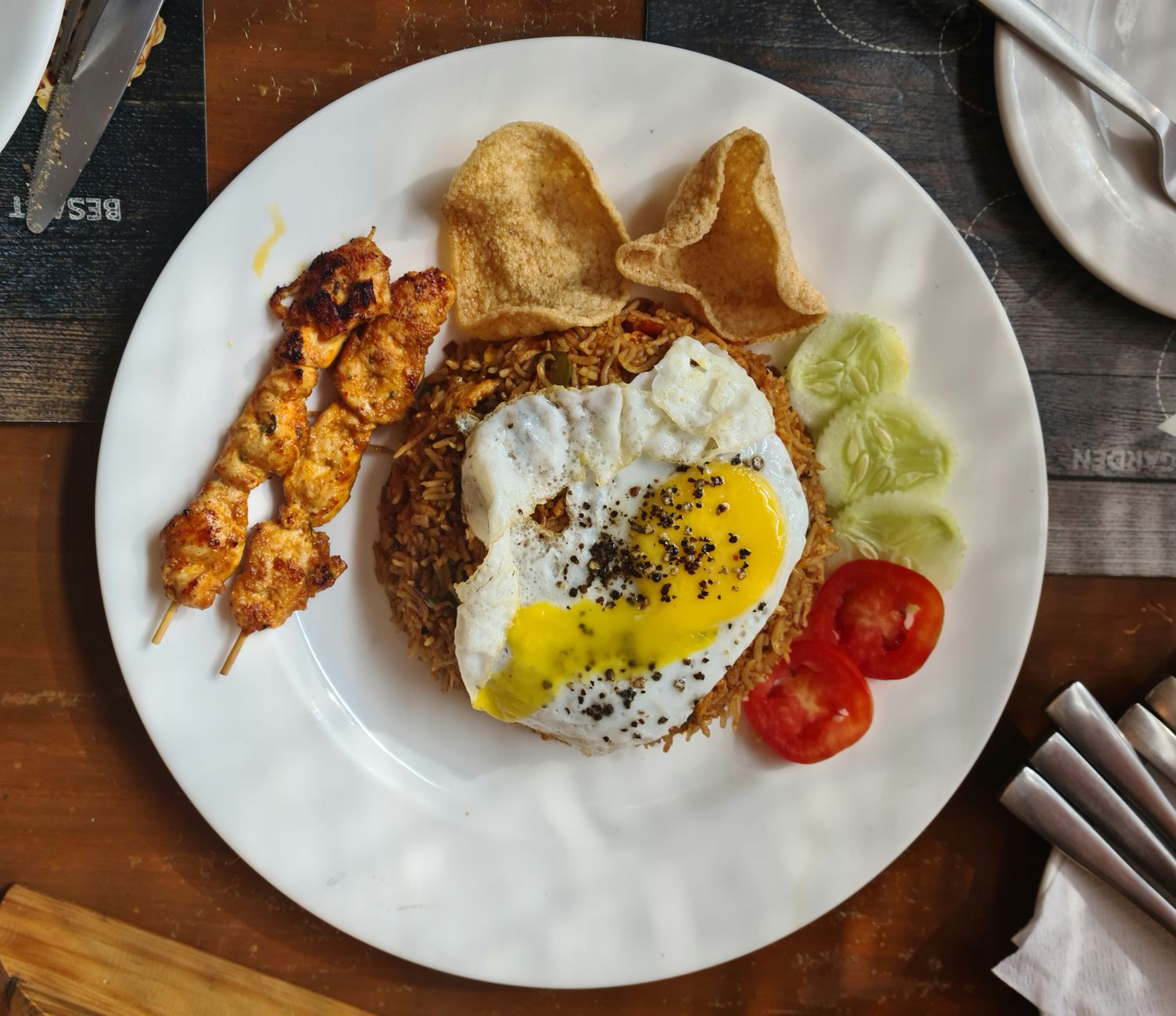
The food in Bali is a true delight, reflecting the island’s rich land and many influences. From humble street stalls known as warungs to elegant cafés, you’ll find something delicious no matter your taste. I find that some of my most memorable meals come from these unassuming warungs, where the flavours are authentic and the atmosphere is bustling with local life.
One of the most common and comforting dishes you’ll find is Nasi Goreng, a fragrant fried rice often served with vegetables, a fried egg, and a choice of meat or seafood. Its noodle counterpart, Mie Goreng, is equally popular. For a taste of something truly Balinese, seek out Babi Guling, roast suckling pig, a dish often reserved for ceremonies but found in specialty warungs. The crispy skin and tender, spiced meat are truly delicious.
Another staple is Satay, skewered and grilled meat (often chicken or pork) served with a rich peanut sauce. In Bali, you might also encounter Sate Lilit, a unique version where minced fish or chicken is mixed with grated coconut and spices, then wrapped around lemongrass stalks before grilling.
Don’t forget to try local snacks and desserts too. From the sweet coconut-based treats to refreshing fruit juices, the island has plenty of delightful ways to satisfy your sweet tooth. For coffee lovers, Balinese coffee, often served robustly with fine grounds at the bottom, offers a delightful start to the day. Spending a morning in a local café in Ubud, sipping on a Kopi Bali, is one of my simple pleasures.
What to Do: Dances, Volcanoes and the Islands
Around Ubud, a few experiences sit alongside the rice terraces. Walk the Campuhan Ridge at dawn, visit the Sacred Monkey Forest, and watch a Legong or Barong dance at the Ubud Palace in the evening. The terraces at Tegallalang were shaped by the subak, Bali’s traditional irrigation system.
Two temples round out the better-known trio. At Uluwatu, a fire-lit Kecak dance is performed at dusk on the cliff above the Indian Ocean. Inland, Ulun Danu Beratan stands on the edge of a mountain lake.
On the south coast, Kuta is the loud, budget-friendly option and Jimbaran is quieter, known for grilled seafood on the sand at sunset. The gentle beach breaks here suit first-time surfers, and board rental and lessons are easy to find.

From Sanur, fast boats run to Nusa Penida, where the limestone headland above Kelingking Beach is the view most people come for. Manta Point offers snorkelling with manta rays, and neighbouring Nusa Lembongan is slower-paced. Penida’s roads are rough, so an organised day tour that handles the logistics is the easier choice.
For a sunrise, Mount Batur is an active volcano with a pre-dawn hike to a view over the clouds and a caldera lake below. A guide is required, and the walk suits most reasonably fit travellers. For a cooler, greener day, the waterfalls at Sekumpul and the easier Tegenungan are options.
At the table, add nasi campur, rice with a little of everything, to the dishes above. A Balinese cooking class, often starting with a market visit, makes a good half-day.
Planning Your Visit: When to Go and What to Pack

When you choose to visit Bali can truly shape your trip. The island primarily has two seasons: dry and wet.
The dry season, from April to October, is generally a wonderful time to visit. During these months, you can expect plenty of sunshine, lower humidity, and more comfortable temperatures, ideal for beach activities, hiking, and temple visits. This is when I prefer to travel, as it allows for long walks and explorations without the frequent downpours. July and August are peak tourist months, so be prepared for larger crowds and potentially higher prices for accommodation.
The wet season, from November to March, brings higher humidity and more frequent rainfall, often in short, heavy bursts. While it can still be a lovely time to visit, especially if you enjoy lush greenery and fewer tourists, be prepared for potential disruptions to outdoor plans. The occasional shower can be a refreshing break from the heat.
When it comes to packing, my philosophy is always carry-on only, and Bali lends itself well to light luggage. Think lightweight, breathable clothing: cotton t-shirts, shorts, skirts, and dresses. A light jacket or scarf can be useful for cooler evenings or air-conditioned spaces. Don’t forget comfortable walking sandals or shoes, swimwear, sun protection (hat, sunglasses, reef-safe sunscreen), and a reusable water bottle. For temple visits, a lightweight sarong is always a good idea to have handy. Travel Insurance & eSIM Before any international journey, securing reliable travel insurance offers peace of mind against unexpected events. For seamless connectivity while exploring Bali, an eSIM can be a convenient solution, allowing you to access maps, communicate with drivers, and stay in touch without needing physical SIM cards.
Mindful Travel: Respecting Bali’s Culture and Environment

Traveling to Bali offers an opportunity for genuine connection, but it also comes with a responsibility to the island and its people. Mindful travel, for me, is about leaving a positive footprint and engaging with respect.
The Balinese culture is rich with daily rituals and ceremonies. You’ll often see small offerings, called Canang Sari, placed on the ground, in temples, and on statues. Be mindful not to step on them. Learning a few basic phrases in Bahasa Indonesia, like “Terima kasih” (thank you) or “Om Swastiastu” (a common Balinese greeting), can go a long way in showing respect and fostering warmer interactions.
Over-tourism is a growing concern in many popular destinations, including parts of Bali. I believe in supporting local businesses, like family-run warungs or small artisan shops, rather than always gravitating towards larger, international chains. Choosing to stay in locally owned accommodations or hiring local guides can directly benefit the communities you visit.
Environmental awareness is also crucial. Bali, like many islands, faces challenges with waste management. Minimize your use of single-use plastics, carry a reusable water bottle, and dispose of your rubbish responsibly. Being conscious of water usage, especially in areas facing scarcity, is another small but impactful gesture. Your presence on the island can be a gentle exchange, rather than just consumption.
Finding Your Rhythm in Bali
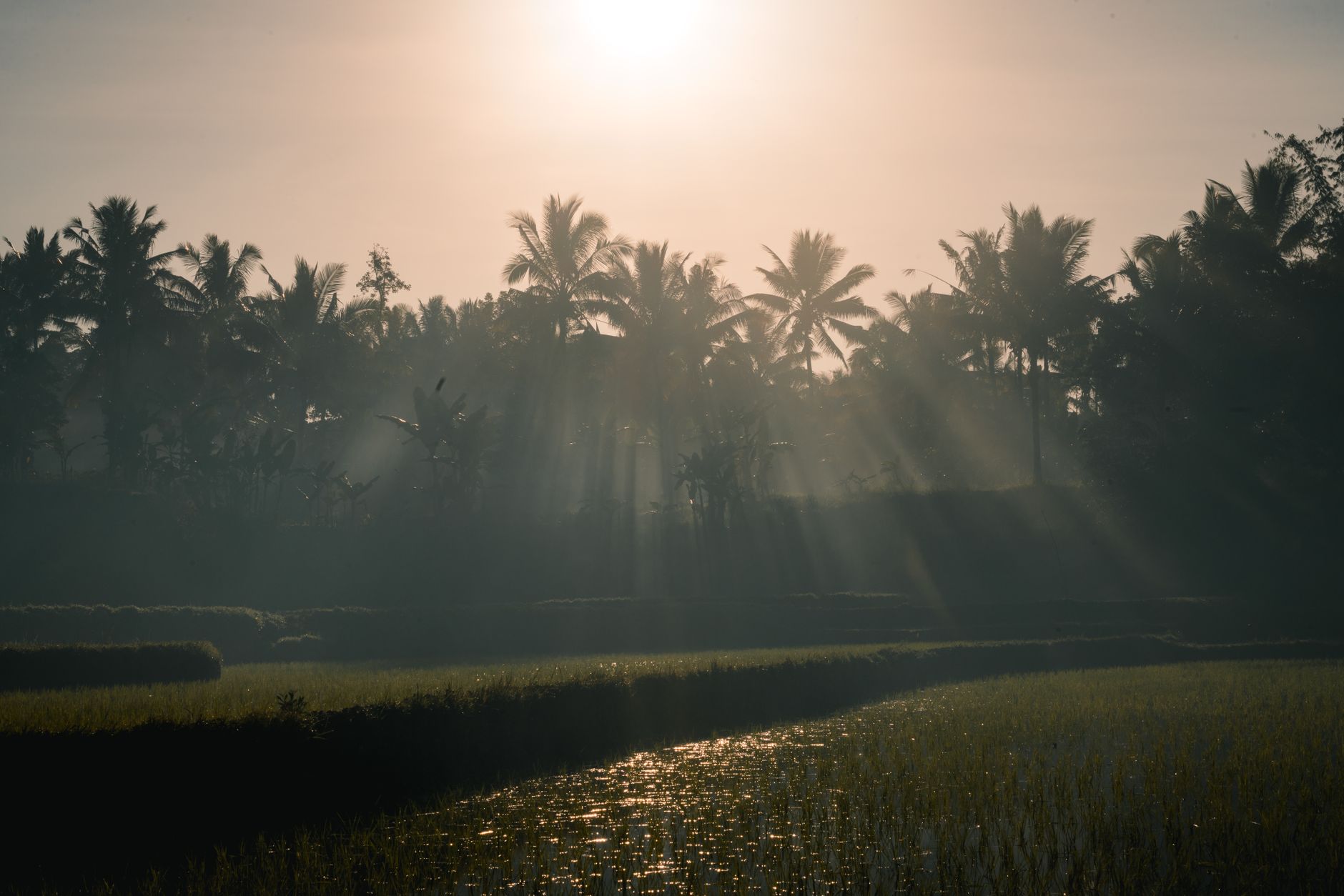
Bali has a way of inviting you to slow down, to notice the small details: the intricate carvings on a temple, the diligent work in a rice paddy, the scent of frangipani after a rain shower. For a first-timer, the temptation might be to fill every moment, to tick off every sight. But I’ve found that the true essence of Bali often reveals itself in the quiet spaces between scheduled activities.
Allow yourself to lose track of time in a local market, to linger over a cup of Balinese coffee, or to simply sit and watch the world go by from a warung. Bali isn’t just a destination; it’s an experience that asks you to slow down and truly immerse yourself. Let the island’s unique rhythm guide you, and you might find yourself leaving not just with memories, but with a renewed sense of peace and a deeper appreciation for its enduring spirit.
Frequently asked questions
What is the best time of year to visit Bali for a first-timer?
The dry season, from April to October, generally offers the most sunshine and comfortable temperatures, making it ideal for exploring beaches and outdoor activities. July and August are peak tourist months.
How many days should I plan for my first trip to Bali?
For a first-timer to experience a few different areas without feeling rushed, I recommend at least 7-10 days. This allows time to settle in, explore Ubud's cultural heart, and enjoy the coastal areas.
Is it safe to ride a scooter in Bali?
Riding a scooter can be convenient, but it comes with significant risks due to chaotic traffic and varying road conditions. If you're not an experienced rider, I strongly advise hiring a private driver or using ride-sharing apps for safety.
What cultural etiquette should I be aware of when visiting temples?
Always dress respectfully when visiting temples, ensuring shoulders and knees are covered. A sarong and sash are often required and can be rented or purchased nearby. Avoid pointing with your feet, and generally observe quiet reverence.
How can I travel mindfully and respectfully in Bali?
Engage with local communities, support warungs and small businesses, learn a few Bahasa Indonesia phrases, and always be respectful of Balinese Hindu customs and ceremonies. Minimize waste and be mindful of your environmental impact.
Keep reading on Gently Yonder
- 14 Untranslatable Words Saudade, komorebi, sisu — words that resist English and what they teach travellers.
- Airalo vs Holafly vs Saily The three big travel eSIM providers compared — coverage, pricing, and who each suits.
- Travel Insurance Compared SafetyWing vs World Nomads vs Genki — coverage, exclusions, and how to choose.
- Yogyakarta: A First-Timer's Guide Borobudur at sunrise, Prambanan, the Kraton, and a Mount Merapi jeep tour.
- Bangkok: A First-Timer's Guide The Grand Palace and Wat Arun, the markets, street food and the river — how to take on Bangkok.