No one pays to be recommended here, and we say when a free or cheaper option wins. Our promise →
In this guide7 sections
- Understanding eSIM Technology and Implementation
- The Enduring Role of Pocket WiFi Devices
- Cost-Effectiveness and Data Sharing Scenarios
- Practicality: Device Management, Battery Life, and Logistics
- Coverage, Speed, and Reliability Considerations
- Making the Choice: Decision Rules for Travelers
- Frequently asked questions
Staying connected while traveling internationally has evolved considerably, moving beyond reliance on expensive roaming or the search for local SIM cards upon arrival. In 2026, the primary contenders for reliable, flexible connectivity are portable Pocket WiFi devices and embedded SIM (eSIM) technology. This article provides a detailed comparison to assist travelers in determining the optimal solution for their specific needs, examining factors such as cost, convenience, and performance.
Understanding eSIM Technology and Implementation

An eSIM, or embedded SIM, represents a digital SIM profile that allows users to activate a cellular plan without the need for a physical SIM card. This technology has become increasingly prevalent in modern smartphones, tablets, and smartwatches since its widespread integration into flagship devices by major manufacturers from the late 2010s, offering a streamlined approach to global connectivity. eSIMs eliminate the need for physical card swapping, allowing for instant provisioning and management of multiple cellular profiles on a single device, significantly enhancing convenience for frequent international travelers. The underlying security architecture also benefits from digital provisioning, reducing physical tampering risks.
Activation typically involves scanning a QR code or entering a provider-specific code, which securely downloads the necessary profile directly onto the device. This digital provisioning contrasts sharply with traditional SIM card acquisition, which often involves visiting local stores, dealing with language barriers, and configuring APN settings manually. With eSIM, travelers can often activate a plan within minutes of purchase, even before landing in their destination country.
Device compatibility is a key consideration; most flagship smartphones released in recent years support eSIM functionality, and adoption is rapidly expanding across a wider range of mid-tier devices and connected wearables. We observe an expanding ecosystem of eSIM providers offering diverse data packages, from country-specific plans to regional bundles covering multiple nations. These plans often include options for short-term travel, extended stays, or even global coverage, providing unparalleled flexibility. This allows for tailored solutions depending on the itinerary, enabling travelers to switch plans or providers digitally without physically swapping cards or committing to long-term contracts. This flexibility also extends to managing multiple profiles simultaneously, allowing users to maintain a home number while using a local data plan. For those interested in the activation process, we have detailed guidelines available in our dedicated E-SIM activation guide. When considering a purchase, options from providers like Airalo plans present a range of data packages designed for international use, often with transparent pricing and no hidden fees.
The Enduring Role of Pocket WiFi Devices
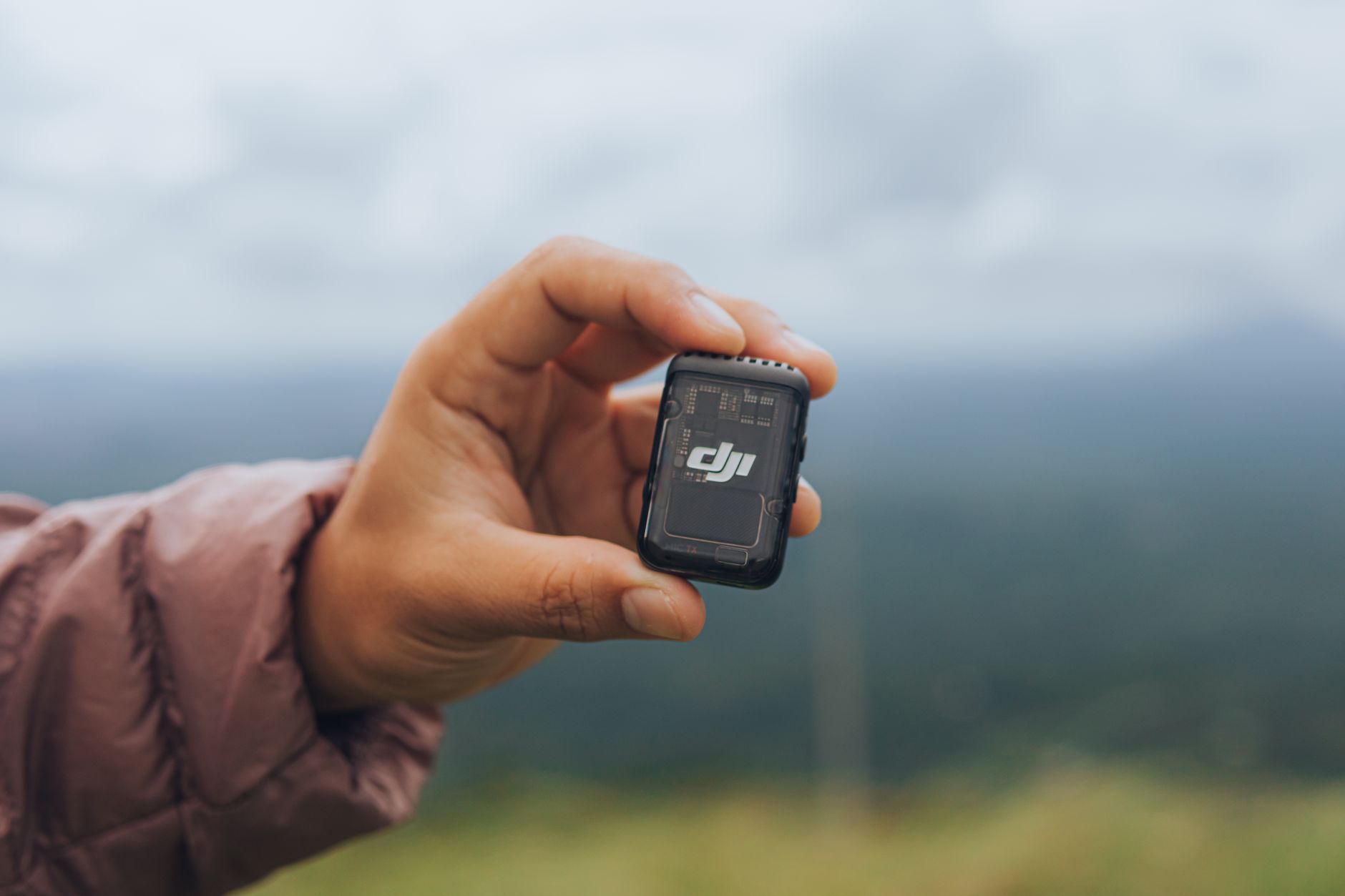
Pocket WiFi devices, also known as mobile hotspots, are specialized units that create a personal WiFi network using a local cellular connection. These compact devices typically operate by housing a physical SIM card from a local network provider, then broadcasting a secure WiFi signal that multiple devices can connect to. Unlike smartphone tethering which drains the phone’s battery, Pocket WiFi units are designed for sustained internet sharing, often featuring robust batteries and dedicated hardware for network management. Rental services for Pocket WiFi units are well-established in many popular travel destinations, with options for pickup at airports, delivery to accommodation, or collection from designated service points. The device itself is self-contained, requiring its own power source and often resembling a small, portable power bank, making it a distinct piece of equipment to manage.
Historically, Pocket WiFi has served as a primary solution for travelers seeking shared internet access, particularly prior to the widespread adoption of eSIMs. These devices leverage the same cellular infrastructure as local phone networks, often providing reliable speeds consistent with the area’s service capabilities. However, their use inherently involves managing an additional electronic device. This includes remembering to charge it, carrying it separately, and navigating the logistics of pickup and return, which may include security deposits or specific drop-off locations at the end of a trip. The rental model also means users must often book in advance, coordinate pickup/drop-off times, and be mindful of potential late return fees or damage charges. While modern Pocket WiFi devices have become more user-friendly, these operational overheads remain a key differentiator from eSIM technology.
Cost-Effectiveness and Data Sharing Scenarios

The economic viability of Pocket WiFi versus eSIM often depends on the number of users and their collective data requirements. For a solo traveler with moderate data needs, an eSIM typically presents a more cost-effective solution. Many eSIM plans offer tiered data packages, allowing users to purchase precisely what they anticipate needing, from small bundles for emergency communication to larger allocations for regular browsing and navigation. The absence of a physical device rental fee or deposit further reduces the overall expenditure, and many providers offer competitive rates, often comparable to or even better than local physical SIM cards. Travelers can also easily monitor their data usage through dedicated apps, enabling timely top-ups if needed, thereby avoiding unexpected overage charges.
Conversely, for groups, families, or individuals traveling with multiple internet-dependent devices (e.g., a smartphone, tablet, and laptop), a single Pocket WiFi unit can prove more economical. A Pocket WiFi device can simultaneously connect several gadgets, sharing one data plan across all users, which is especially beneficial for heavy data consumption across a group. This eliminates the need for each individual to purchase separate eSIM plans, potentially leading to significant savings, particularly for long trips or destinations with higher individual data plan costs. However, it introduces a single point of failure; if the Pocket WiFi device runs out of battery or is misplaced, all connected users lose internet access, which can be a critical drawback in emergency situations or when relying solely on it for navigation. We advise groups to calculate the cumulative cost of individual eSIM plans against a single Pocket WiFi rental to determine the most financially prudent choice, also factoring in potential rental contract durations and unlimited data options versus strict data caps.
Practicality: Device Management, Battery Life, and Logistics

The practical considerations of managing an additional device are central to the Pocket WiFi versus eSIM decision. An eSIM, integrated directly into a smartphone, requires no extra physical hardware, contributing to a lighter and less cumbersome travel setup. Its operation relies on the smartphone’s battery, which means heavy internet usage via an eSIM can deplete the phone’s power more rapidly, necessitating more frequent charging or the use of a portable power bank, a common accessory for modern travelers. We have previously discussed the importance of power management in our travel EDC article.
Pocket WiFi devices, being standalone units, come with their own dedicated batteries, which often offer longer operational times than a smartphone sharing its battery for internet tethering. This can be advantageous for prolonged periods away from charging points, offering up to 8-12 hours of continuous use for many models. However, the requirement to carry, charge, and safeguard another electronic item adds to the traveler’s logistical burden, increasing the number of items that need to be packed, protected, and accounted for. Furthermore, the rental model for Pocket WiFi often involves specific pickup and return procedures, which can add time to airport transit or require dedicated trips to service centers, sometimes located far from primary tourist areas. The potential for loss or damage to a rented device also carries significant financial implications, often secured by a substantial deposit, and accidental damage can incur hefty replacement fees.
Coverage, Speed, and Reliability Considerations

Both Pocket WiFi and eSIM services fundamentally rely on the existing cellular network infrastructure of the destination country. Consequently, the coverage, speed, and overall reliability experienced will largely mirror the performance of local mobile network operators, as both technologies essentially lease access to these networks. Factors such as local topography, urban density, and peak network usage times can all influence the actual user experience, regardless of the technology employed.
An advantage of eSIM technology is the potential for greater flexibility in choosing network providers. Travelers can often select from multiple eSIM plans, each potentially leveraging a different local network, allowing for switching if one network proves unsatisfactory or offers better performance in a specific region. This dynamic adaptability is a significant benefit, especially in countries with varied network quality. In contrast, a Pocket WiFi rental is typically tied to a single local network operator for the duration of the rental period, offering less immediate recourse if the primary network proves suboptimal. While both options generally offer 4G LTE speeds, and increasingly 5G in areas with advanced infrastructure, we acknowledge that actual speeds can fluctuate due to network congestion, device capabilities, and the specific data plan’s fair usage policies. We recommend consulting coverage maps provided by the respective eSIM or Pocket WiFi providers, understanding that these represent theoretical maximums and real-world performance may differ due to various environmental factors and network conditions.
Making the Choice: Decision Rules for Travelers
When deciding between Pocket WiFi and eSIM for international travel in 2026, we encourage travelers to consider their specific itinerary, group size, and connectivity demands, along with their personal preference for device management and technological familiarity.
E-SIM is generally preferable for: * Solo travelers or couples: Lower individual cost, less gear to manage. * Light to moderate data users: Plans can be tailored to specific data needs without excess. * Multi-country itineraries: Easy to switch between regional or global plans digitally. * Minimalist packers: No extra device to carry, charge, or return. * Desire for instant activation: Purchase and activate plans remotely, often before arrival, enabling connectivity upon landing. * Privacy-conscious users: Your phone’s data remains private and is not routed through a shared, potentially public, Wi-Fi network.
Pocket WiFi is often the stronger choice for: * Families or groups (3+ individuals): Cost-effective for sharing a single data connection across multiple users. * Heavy multi-device users: Connects smartphones, tablets, laptops simultaneously without draining a single phone’s battery. * Single-country, longer stays: Simplified logistics once the device is acquired, potentially with better long-term rental rates. * Desire for dedicated battery life: The device’s independent power source can outlast a phone’s tethering, providing reliable power for extended periods. * Legacy device users: If not all devices support eSIM, Pocket WiFi offers universal WiFi access for any Wi-Fi enabled gadget. * Maintaining phone battery: Keeps your primary phone’s battery reserved for calls, photos, and other native functions without the drain of tethering.
In some scenarios, a hybrid approach may be optimal: utilizing an eSIM for primary phone connectivity and emergency data, while reserving a Pocket WiFi for specific high-usage needs, such as prolonged work sessions on a laptop or streaming for a group, or to ensure connectivity for devices without eSIM capability. This layered strategy offers a robust solution for diverse connectivity demands.

What this means for your trip
The decision between Pocket WiFi and eSIM hinges on a clear understanding of your travel profile and priorities. For most solo and light-to-moderate data users, eSIM technology provides unparalleled convenience and flexibility in 2026, eliminating physical hardware and streamlining activation. Groups, families, or travelers with extensive multi-device needs will often find Pocket WiFi to be a more cost-effective and practical solution for shared, consistent access. We advise reviewing your data requirements, group size, and the compatibility of your devices well in advance of your departure. By assessing these factors, you can select a connectivity solution that minimizes logistical friction and contributes to reliable internet access throughout your international journey.
Frequently asked questions
Is eSIM better than Pocket WiFi for solo travelers?
For most solo travelers, an eSIM offers superior convenience, requiring no extra device, often providing competitive pricing for individual data plans, and simplifying logistics without the need for device pickup or return.
When is Pocket WiFi a more suitable option than an eSIM?
Pocket WiFi typically proves more cost-effective and practical for groups or families traveling together, or for individuals needing to connect multiple devices simultaneously from a single, shared data source.
Can I share an eSIM connection with other devices?
While an eSIM itself cannot be physically shared, most modern smartphones allow you to create a personal hotspot from your eSIM connection, enabling other devices to connect and share your data, similar to a Pocket WiFi device.
Which option is generally better for travel to Japan?
Both eSIMs and Pocket WiFi are widely available and perform well in Japan. The choice largely depends on individual travel style: eSIM for solo convenience, Pocket WiFi for groups needing shared access and potentially higher data allowances.
What are the primary logistical differences between eSIM and Pocket WiFi?
E-SIMs are digital profiles, activated remotely, eliminating physical device management. Pocket WiFi requires renting a physical device, often involving pickup and return processes at airports or designated locations, and carrying an additional gadget.
Keep reading on Gently Yonder
- eSIM vs Physical SIM Card for Travel Which to buy — activation timing, cost, coverage, keeping your home number, and when a local SIM still wins.
- Do "Unlimited" Travel eSIMs Really Give You Unlimited Data? Unlimited data, not unlimited speed — the daily high-speed cap, the throttle floor, and when "unlimited" is smart vs a rip-off.
- Best eSIM for Japan (2026) How to choose a Japan travel eSIM — coverage, data plans, and the pick for most trips.
- Airalo vs Holafly vs Saily The three big travel eSIM providers compared — coverage, pricing, and who each suits.
- eSIM Setup for International Travel Phone compatibility, plan choice, and the activation order that avoids the airport scramble.
- Japan Country Profile Eight-section country deep-dive: history, geography, society, and travel prep.