No one pays to be recommended here, and we say when a free or cheaper option wins. Our promise →
In this guide8 sections
When I travel, I find that a quiet sense of connection, both to the place and to my loved ones, helps me settle in. For a journey to South Korea, ensuring reliable data feels less like a luxury and more like a gentle foundation for exploration. It’s about having the freedom to wander, knowing I can find my way or look up a local café without a second thought.
Why an eSIM for My South Korea Trip?
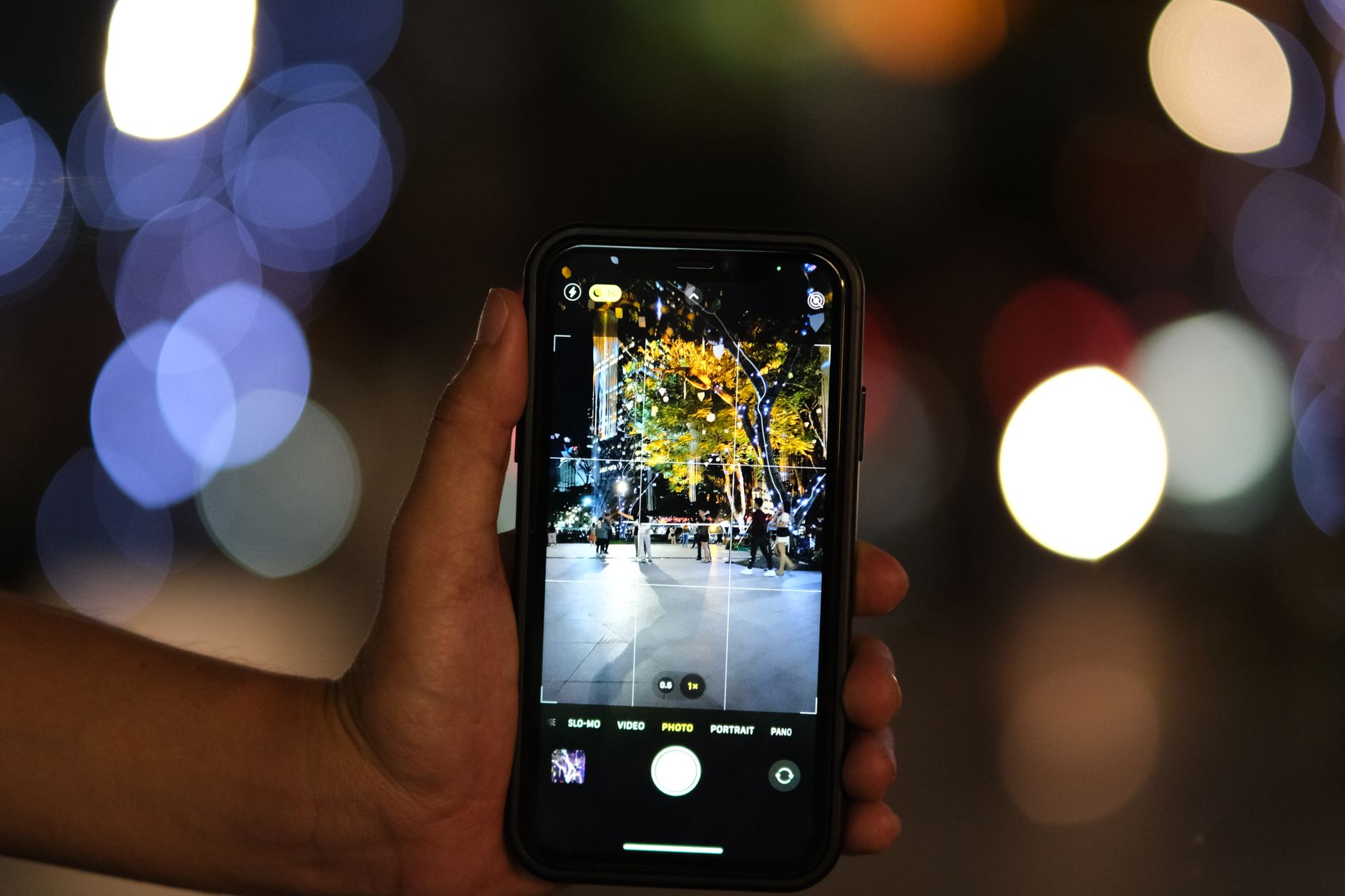
The thought of fumbling with tiny physical SIM cards or searching for a local vendor after a long flight isn’t how I like to begin a trip. This is where an eSIM offers a welcome simplicity. An eSIM, or embedded SIM, is a digital SIM card that allows me to activate a cellular plan without needing a physical card. For South Korea, where my personal phone is already set up for eSIMs, it means I can arrange my data plan days or even weeks before I depart. I just scan a QR code or enter some details, and the plan is ready to go.
This convenience extends beyond just arrival. If I travel with my partner or a friend, we can each manage our own connectivity without worrying about a single device being a hotspot for everyone. It also means my home SIM card can stay in my phone, active for any essential calls or messages, while the eSIM handles all my data needs. It’s a quiet background detail that removes one small layer of friction from the journey, letting me focus on the neighborhood hum or the scent of freshly brewed coffee instead.
Understanding South Korea’s Connectivity Landscape

Stepping into South Korea, one of the first things I notice is the seamlessness of its modern infrastructure, especially the mobile network. The country’s three main mobile carriers are SK Telecom, KT, and LG U+. These networks offer comprehensive coverage, especially in urban centers like Seoul and Busan, and reliable service even in many smaller towns and rural areas. As I consider an eSIM for South Korea, I always check the underlying network partnership. Reputable providers usually connect with SK Telecom, KT, or LG U+, which offers a good likelihood of strong signal and fast speeds.
What’s particularly crucial for South Korea, and something I always remind myself, is the reliance on local navigation apps. Unlike many other countries where Google Maps is dominant, South Korea’s digital landscape is different. I’ve found that apps like Naver Maps and Kakao Maps are indispensable for accurate directions, public transport information, and discovering local points of interest. These apps require a stable data connection to function effectively, whether I’m navigating the intricate Seoul subway system or finding a quiet bookstore down a side street. My typical data usage during a trip often leans heavily on these mapping services, along with messaging apps, looking up bus schedules, and the occasional email. I find I rarely stream video or download large files, so a moderate data plan usually suits my style of travel perfectly.
What to Look For in an eSIM Plan
When I’m considering an eSIM plan for a trip to South Korea, I look for a few key things to ensure it aligns with my travel style. First, I assess the data allowance. Thinking back to my past trips, I’ve found that 10-20GB for a two-week trip is usually ample for my needs, especially with the prevalence of public Wi-Fi. It’s always better to have a little more than to constantly worry about running out. You’ll find a wide range of options, from smaller 5GB plans to unlimited data, so there’s often a choice that aligns with individual travel styles.
Next, I check the validity period. Does it cover my entire trip? Most plans offer validity from 7 days to 30 days. It’s important to match this with my itinerary, as I prefer not to top up mid-trip unless absolutely necessary.
I also consider top-up options. While I aim to choose a plan that lasts, having the ability to easily add more data from within the provider’s app brings peace of mind. Some plans offer this seamlessly, while others require purchasing a whole new package.
Finally, I look at the network partnership. As mentioned, knowing that the eSIM will connect to SK Telecom, KT, or LG U+ assures me of good coverage. Most major eSIM marketplaces clearly state which local networks they utilize.
This is where reliable global eSIM providers often simplify what could otherwise be a complex choice, presenting clear options and supporting activation. These marketplaces offer a range of data packages for South Korea, letting you compare options and activate before your trip.
Airalo vs. Saily: A Closer Look
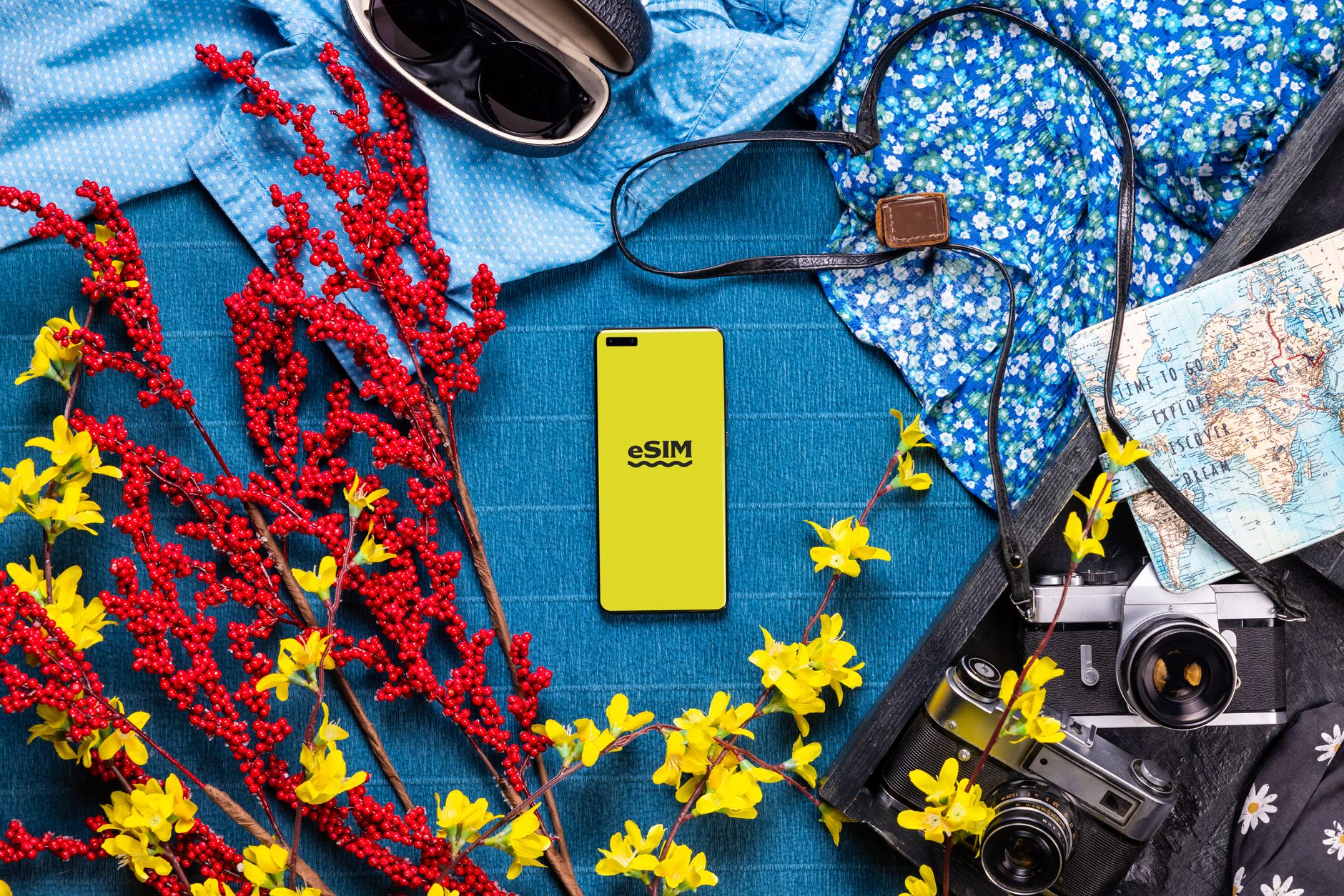
When it comes to choosing a specific eSIM provider, I often find myself looking at options like Airalo and Saily. Both are popular choices among independent travelers, and each has its own strengths.
Airalo is perhaps one of the most well-known global eSIM marketplaces. They offer a wide variety of plans for South Korea, typically partnering with major local carriers. What I appreciate about Airalo is its straightforward interface and the sheer number of options available, from smaller 1GB packages for short stays to more generous plans for longer trips. Their pricing for South Korea generally starts from a few dollars for smaller data packages (e.g., 1GB for 7 days) and goes up depending on data volume and validity. The app itself is intuitive, making activation and any potential top-ups quite simple. It feels like a reliable choice, especially if I have a clear idea of my data needs. Airalo is the one I reach for most — a broad selection of country-specific eSIMs and an app that makes activating and topping up simple.
Saily, by the team behind NordVPN, is another strong contender. It offers a slightly different approach, often focusing on more flexible plans that might appeal to those who prefer longer-term or more adaptable options. Saily’s focus is on simplicity and often competitive pricing, particularly for larger data bundles. Like Airalo, their plans for South Korea are designed to connect to the robust local networks. Their “from” pricing is competitive, often starting similarly for base plans but sometimes offering better value on larger or longer-duration packages. I find Saily appealing for its clear commitment to user experience, something I value in any service that helps me navigate a new place. As a newer player, Saily has quickly become a contender I’d explore, especially for its compelling value on data bundles and focus on user experience. Saily is the value check — often competitive per-GB pricing and a clean, simple app.
Both platforms provide clear instructions for installation and activation, usually involving scanning a QR code or manual setup. The choice between them often comes down to specific plan details at the time of booking and personal preference for their app interfaces. I find that both are transparent about their network partners and offer reliable service.
Activating Your eSIM: Before You Land

One of the greatest advantages of an eSIM is the ability to set it up before you even leave home. I always recommend doing this. The process usually involves scanning a QR code provided by the eSIM vendor, or manually entering a few details into your phone’s settings. It’s a quick process that takes only a few minutes.
Once installed, the eSIM sits dormant on your device until you arrive in South Korea. I usually make sure to switch my data roaming off for my home SIM and then activate the South Korea eSIM as my primary data line just before or as my plane lands. This way, I have immediate connectivity the moment I step off the aircraft. There’s no frantic search for Wi-Fi in the airport or a local SIM card shop. I can instantly check maps for my train connections, message my accommodation, or simply let my family know I’ve arrived safely. This quiet preparation helps me feel grounded and ready to embrace the new surroundings rather than feeling disoriented.
Remember to double-check that your phone is unlocked and compatible with eSIM technology before purchasing a plan. Most modern smartphones support eSIMs, but it’s a small detail that’s worth confirming.
Beyond the eSIM: T-Money and Offline Backups
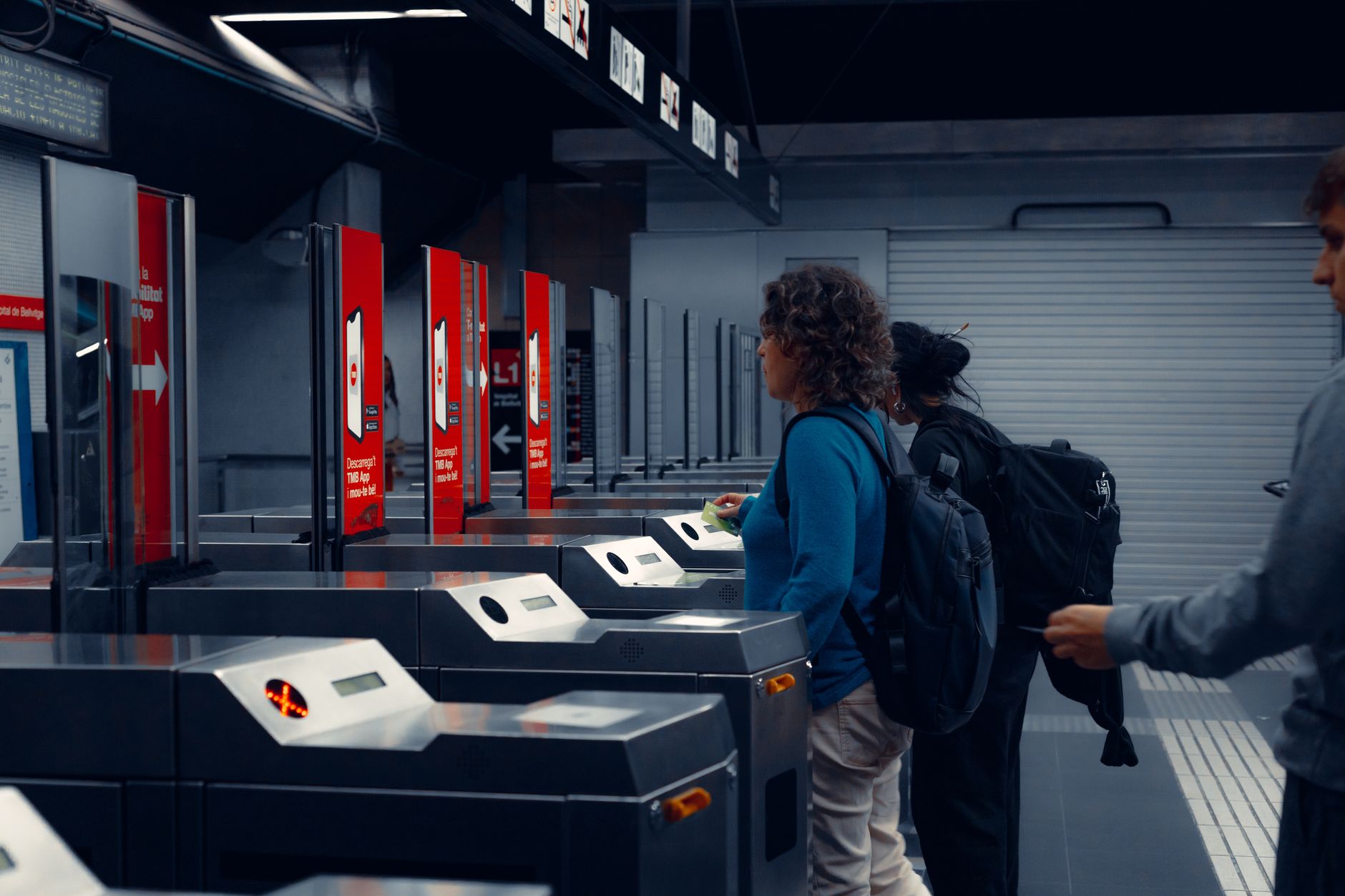
While an eSIM provides invaluable data connectivity, I’ve found that thoughtful travelers often benefit from a few other considerations when in South Korea. One essential item is a T-Money card. This rechargeable smart card is used for public transportation (subways, buses) and even some taxis and convenience stores. While many modern payment methods are available, a T-Money card is incredibly convenient, allowing for seamless travel without needing to constantly pull out cash or a bank card. I usually pick one up at the airport or any convenience store upon arrival and top it up with a reasonable amount. It saves small moments of friction throughout the day.
Another gentle practice I adopt is creating offline backups. Even with a reliable eSIM, unexpected moments can happen. Before I head out for the day, I might download an offline map of the neighborhood I plan to explore on Naver Maps or Kakao Maps. I’ll also screenshot any crucial booking details or addresses. This ensures that even if I find myself in a rare spot with no signal (perhaps deep in a subway tunnel or a very remote mountain trail), I still have the basic information I need to continue my journey calmly. It’s a small habit that contributes to a larger sense of calm and self-reliance, allowing me to truly be present.
What This Means for Your Trip

Choosing an eSIM for your journey to South Korea is more than just about having internet access; it’s about setting a quiet foundation for your entire experience. It’s about ensuring that when you step into a bustling market, explore a quiet temple, or simply pause at a local café, you have the peace of mind that comes with reliable connectivity. You can look up the meaning behind a historical sign, find the next train to a coastal town, or simply send a quick note home, all without interrupting the flow of your day.
By understanding the local network landscape, selecting a data plan that suits your needs, and taking the small step to activate your eSIM before you land, you’re not just preparing for a trip. You’re thoughtfully crafting an experience where technology serves to deepen your engagement with a new culture, rather than distract from it. This gentle preparation allows you to stay present, observe more closely, and truly connect with the rhythms of South Korea, leaving you feeling a little wiser and a little more curious about the world around you.
If Korea is one stop on a longer route, our Japan, Korea & Vietnam eSIM guide covers the one-plan-or-many question, our 2026 eSIM ranking compares the providers across use cases, and the free eSIM finder turns your trip length into a plan size.
Frequently asked questions
Why is an eSIM better than a physical SIM card for South Korea?
An eSIM offers convenience by allowing you to activate a data plan digitally before you arrive, avoiding the need to find a physical store or swap cards. It also means you can often keep your home SIM active for calls and texts while using the eSIM for data.
Do I really need mobile data in South Korea?
While Wi-Fi is widely available, mobile data is essential for navigating with apps like Naver Maps or Kakao Maps, translating on the go, and staying connected when exploring neighborhoods. It offers a sense of security and flexibility.
Which major networks offer eSIM coverage in South Korea?
Most eSIM providers for South Korea partner with one or more of the three major local networks: SK Telecom, KT, and LG U+. All offer excellent coverage across urban and most rural areas, ensuring reliable service.
Should I activate my eSIM before or after arriving in South Korea?
It's generally best to activate your eSIM before you travel, or at least before you leave your home country. This ensures you have immediate connectivity upon landing, allowing you to use navigation or communicate without delay.
What about my home phone number with an eSIM?
With an eSIM, you can often keep your existing physical SIM card (and thus your home phone number) active for calls and texts. You simply set your eSIM as the primary line for mobile data, giving you the best of both worlds.
Keep reading on Gently Yonder
- Staying Connected in South Korea eSIM vs local SIM vs pocket WiFi in Korea — which to choose, and how to get online on arrival.
- Best eSIM for Japan, Korea & Vietnam Destination-by-destination eSIM picks for three popular Asian countries.
- eSIM vs Physical SIM Card for Travel Which to buy — activation timing, cost, coverage, keeping your home number, and when a local SIM still wins.
- When to Activate a Travel eSIM Install early, activate on arrival — when the validity clock starts, and how to switch it on when you land.
- Travel Insurance for South Korea Whether you need it, what Korean medical care costs a visitor, and honest picks by traveller type.
- eSIM Finder (Free Tool) Answer three questions and get a data-size and provider recommendation for your trip.