No one pays to be recommended here, and we say when a free or cheaper option wins. Our promise →
In this guide6 sections
One of the quiet joys of travel is the chance to step away from constant digital demands, but our phones have become such invaluable companions for finding our way, accessing tickets, and holding onto precious moments. Keeping them charged without being tethered to an outlet requires a thoughtful approach, especially when navigating airline rules. Let’s untangle how to choose a power bank that feels right for your travels, making sure it’s a helpful companion and sails through airport security with ease.
| Option | Best for | Airline reality |
|---|---|---|
| Anker PowerCore 10000 | Most trips — two phone charges at ~180 g | 37 Wh: well inside the 100 Wh carry-on limit |
| 20,000 mAh class | Long-haul days, tablets, two devices | ~74 Wh: still allowed, twice the weight |
| No power bank | City trips with a hotel base and light use | Nothing to declare — keep the outlet adapter instead |
The 100 Wh Rule: What it Means for Your Carry-On
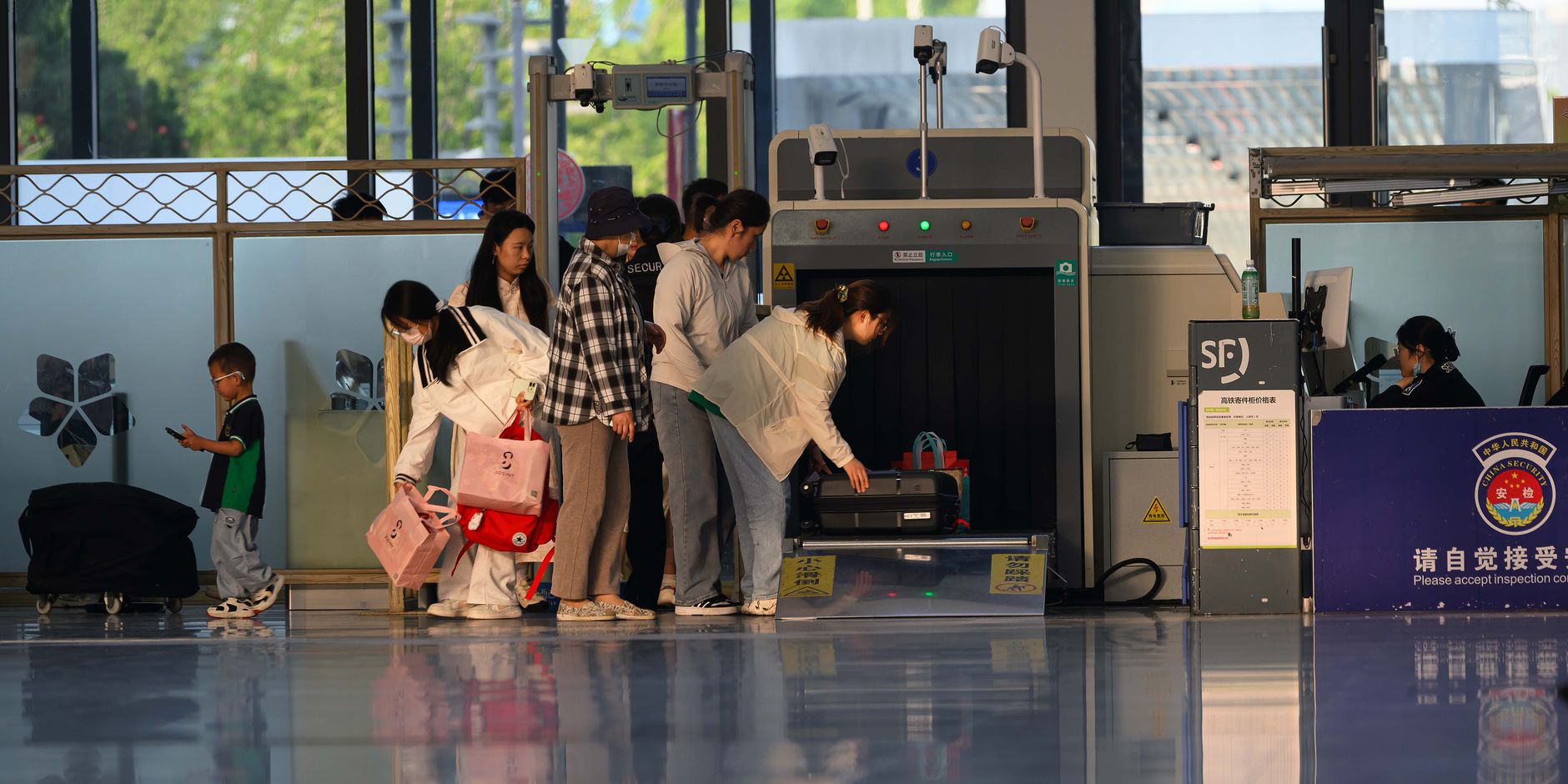
When I prepare for a flight, packing my power bank in my carry-on is a routine I never skip. It’s not just a preference; it’s rooted in international safety regulations. Spare lithium-ion batteries, including those in power banks, are considered a potential fire risk if stored in the cargo hold due to the possibility of thermal runaway. Because of this, they are widely required in your carry-on luggage. This guideline is broadly consistent across many airlines and countries, whether you’re flying out of Narita International Airport, Changi Airport, or elsewhere in the world. While this is a widely adopted standard, I always recommend a quick check of your specific airline’s policy before you fly, just for peace of mind.
The primary guideline for power banks in carry-on luggage revolves around their Watt-hour (Wh) rating. Most airlines permit power banks up to 100 Wh without special approval, a standard you’ll find widely adopted for safe travel. This covers the vast majority of consumer power banks you’re likely to consider. To understand this better, you might see a power bank rated in milliamp-hours (mAh). To convert mAh to Wh, you can use a simple calculation: (mAh * nominal voltage) / 1000 = Wh. For most power banks, the internal battery voltage is approximately 3.7V. So, a 10,000 mAh power bank is roughly (10,000 * 3.7) / 1000 = 37 Wh, which is well within the 100 Wh limit. You’ll often find the Wh rating clearly printed on the power bank itself; if not, this calculation is a handy tool. Understanding this simply means you can pack your power bank without a second thought about security checks.
What if your power bank is larger? Units between 100 Wh and 160 Wh often require airline approval, and you might only be allowed one or two such devices. Anything over 160 Wh is generally prohibited from passenger aircraft. These larger capacities are rare for consumer power banks, but it’s good to be aware.
Why 10,000 mAh is Often Just Right
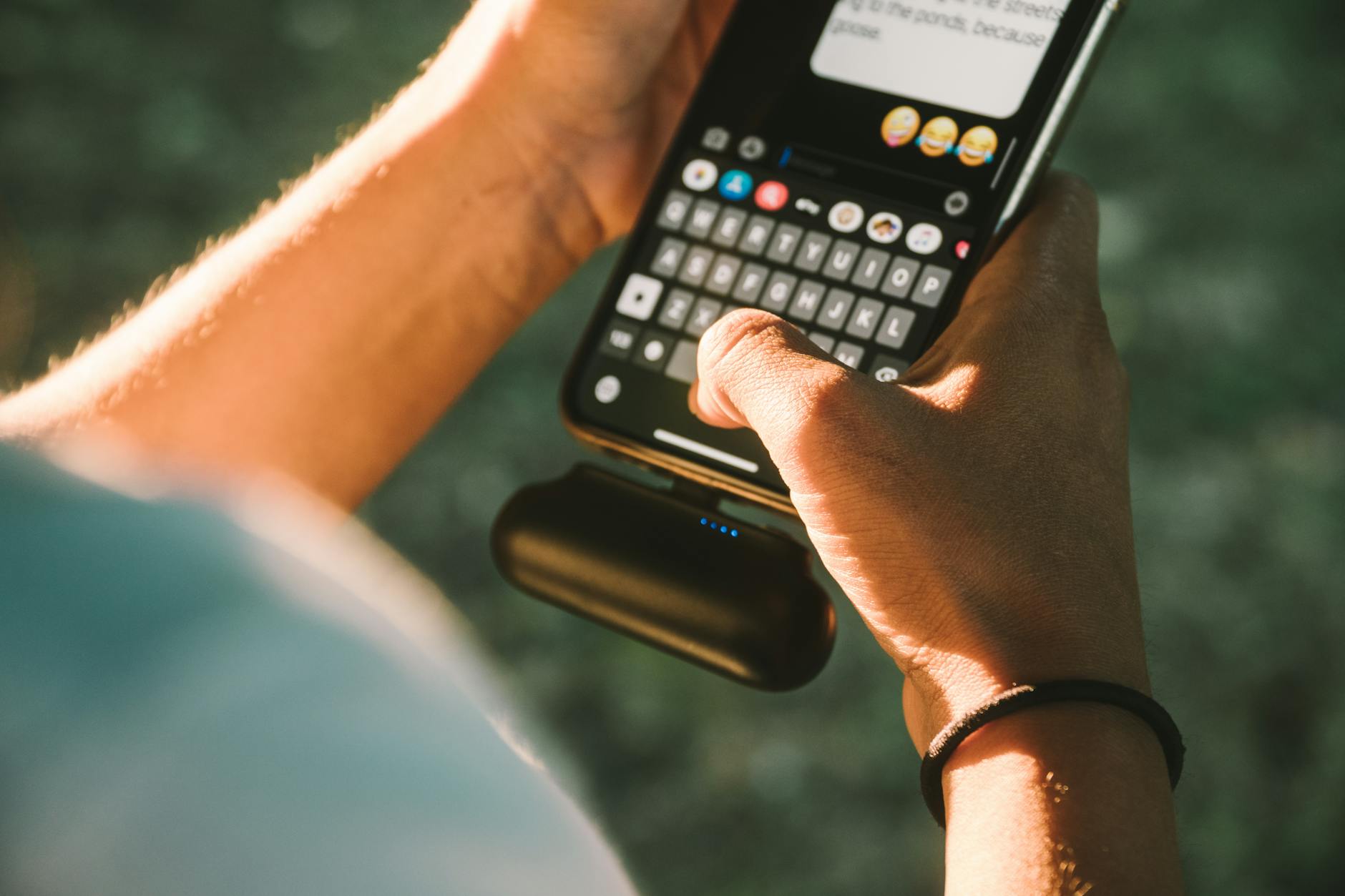
I’ve found that for many journeys, a 10,000 mAh power bank hits a sweet spot: enough capacity without the extra weight, and always airline-friendly. A unit like the Anker PowerCore 10000, for instance, weighs around 180 grams – roughly the same as a small apple – and tucks comfortably into a pocket or a small pouch. Its 37 Wh capacity is well below the 100 Wh limit, ensuring a smooth journey through security and giving you one less thing to worry about.
In my experience, a 10,000 mAh power bank provides enough charge to fully revive a typical smartphone (which often has a battery between 3,000-4,000 mAh) at least twice, and sometimes more. That’s usually plenty for a full day of exploring, snapping photos, and staying in touch, or even a few days if you can top up overnight. It’s the kind of reliable companion that allows me to wander without a constant eye on my phone’s battery icon, whether I’m exploring the backstreets of Kyoto or navigating the MRT in Singapore. For those days when you’re out and about for 8-12 hours, this capacity offers a gentle reassurance, keeping your bag light without leaving you stranded. Many 10,000 mAh models also support various fast-charging standards, which means you can often top up your device quickly during a short coffee break, a convenient touch for busy travel days.
The Anker PowerCore 10000 is my go-to recommendation for its reliable performance and travel-friendly design.
Considering a Larger Power Bank: 20,000 mAh and Beyond
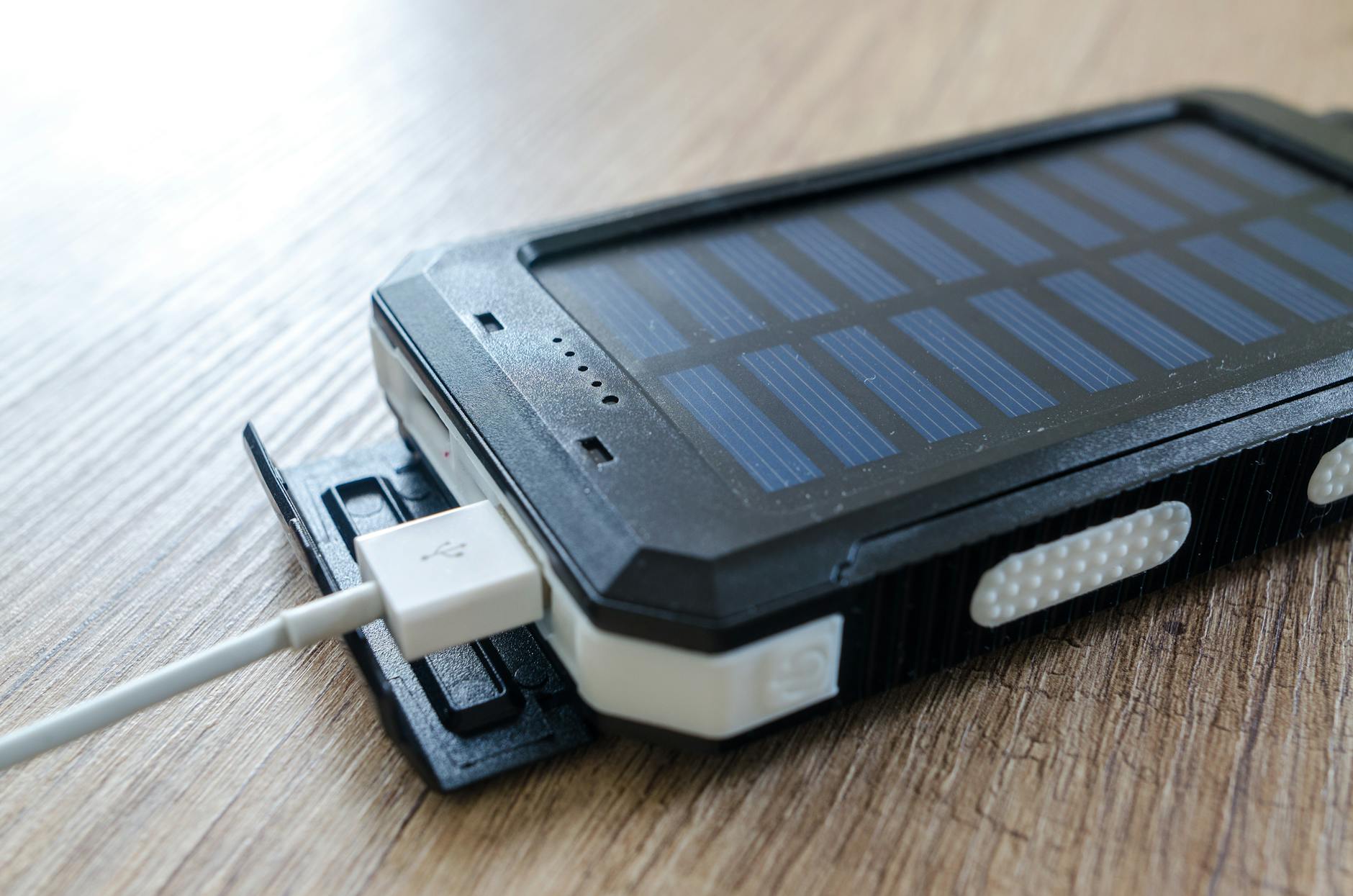
While a 10,000 mAh unit is often perfect, sometimes a larger capacity – like a 20,000 mAh power bank – truly shines. If your travel involves longer flights, extended periods without access to power, or if you consistently charge multiple devices simultaneously – perhaps a smartphone, a tablet, and even a compact camera – then a 20,000 mAh model might be more appropriate.
A 20,000 mAh power bank typically translates to about 74 Wh, which is still comfortably within the 100 Wh carry-on limit. These units often weigh double that of their 10,000 mAh counterparts, usually ranging from 350-400 grams. This extra weight is something to consider if you’re meticulously packing light, but for the added utility, it can be a worthwhile trade-off. I’ve found them particularly useful on long-haul flights where airplane charging ports are scarce, or when spending several days hiking or camping where wall outlets are simply not an option. They’re also practical for digital nomads who rely on tablets or even lighter laptops for work on the go, providing that essential boost during a day of co-working in a local café or on a long Shinkansen ride across Japan. Many larger power banks come with multiple USB ports and support higher wattage Power Delivery (PD) for faster charging of more demanding devices. Just remember, while you can often bring two power banks up to 100 Wh each, some airlines might have specific limits on the number of power banks, so a quick check of your carrier’s policy is always a good idea.
Navigating Airports and Charging Etiquette

Navigating airport security with electronics often feels like a series of small, familiar steps. Power banks, along with laptops and tablets, generally need to be removed from your bag and placed in a separate bin for X-ray screening. Keeping them easily accessible, perhaps in the top pocket of your bag or within an electronics organizer, makes this process smoother and less rushed. A little foresight here can smooth out those moments of transition considerably. For a deeper dive into airport security, you might find [INTERLINK: Gently Yonder’s guide to airport security] helpful.
Beyond the airport, noticing how people handle charging in local spaces becomes another gentle act of thoughtful travel. In many Japanese cafés, for instance, it’s generally not customary to plug in your devices unless there are specific charging stations provided or you ask permission. In contrast, some European train stations or co-working spaces might openly welcome charging. I try to observe what others are doing, or ask politely if I’m unsure, letting local customs guide my actions. A power bank allows you to charge discreetly, often unnoticed, which aligns beautifully with a gentle approach to travel. Keeping all your charging cables, adapters, and power bank neatly organized not only speeds up security but also reduces clutter in small spaces, like train seats or café tables, contributing to a more relaxed experience for everyone around you.
An electronics organizer, such as the BAGSMART electronics organizer, keeps cables, adapters, and the power bank itself tidy and reachable.
Do You Even Need One? Deciding for Your Trip

Before adding a power bank to your packing list, it’s always worth pausing to consider your actual needs. While they offer immense convenience, not every trip genuinely demands one. If your itinerary primarily involves city breaks, with a comfortable hotel as your base each night, and your phone use is relatively light (checking maps, occasional photos, maybe an evening call home), you might find that simply charging at your accommodation each evening is entirely sufficient. This can be a gentle way to encourage yourself to be less tethered to your devices.
Think about your typical travel day: will you be out from dawn until dusk, relying heavily on navigation apps in a new city, or taking countless photos in a remote landscape? Or will you return to your hotel for an afternoon pause, allowing time to top up your devices? When I’m exploring a city like Lisbon on foot, ducking into local cafés, I might only need a light charge once a day, which a quick stop at a wall outlet can provide. However, for a long day trip involving multiple train rides on Japan Rail and extensive exploration, a power bank becomes a practical necessity. Perhaps you’re traveling with children who have their own devices, or using your phone as a mobile hotspot. Deciding if you need one comes down to an honest assessment of your unique travel style and daily tech habits. It’s about choosing what truly supports your unique journey, not simply bringing along another gadget out of routine.
Choosing a power bank isn’t merely a technical decision; it’s another quiet moment of thoughtful preparation for your journey. It means understanding a few simple, widely adopted rules, like the 100 Wh carry-on limit, and then aligning your choice with your personal travel rhythm. For many, a compact 10,000 mAh power bank like the Anker PowerCore 10000 offers ample power without unnecessary weight or complexity, ensuring you stay connected when it matters most, and gently nudging you towards moments of digital freedom when it doesn’t. For those longer journeys, or if you find yourself charging multiple devices frequently, a 20,000 mAh model serves as a robust and reassuring companion.
Ultimately, a power bank should enhance your journey, not complicate it. It offers a quiet sense of liberation – the freedom to pause for an unexpected photo, to trust your map down an unfamiliar lane, or simply to lose yourself in music on a long train journey, all without the nagging worry of a fading battery. It’s a small piece of gear that, when chosen wisely, contributes to that subtle sense of calm and readiness that makes for a more open and curious traveler. Remember to check [INTERLINK: our comprehensive pre-flight checklist] to ensure all your travel essentials are covered. Safe travels.

Frequently asked questions
Can I bring a power bank in my checked luggage?
No, never. Lithium-ion power banks must always be carried in your carry-on baggage, not in checked luggage, due to fire safety regulations.
What is the 100 Wh limit for power banks?
Most airlines allow power banks up to 100 Watt-hours (Wh) in carry-on luggage without special permission. This covers most common models, including 10,000 mAh and 20,000 mAh units.
How do I convert mAh to Wh?
To convert milliamp-hours (mAh) to Watt-hours (Wh), you can use the formula: (mAh * Voltage) / 1000 = Wh. For most power banks, the internal battery voltage is around 3.7V.
How many power banks can I bring on a flight?
Generally, you can bring two power banks up to 100 Wh each in your carry-on. Some airlines may allow one or two larger power banks (100-160 Wh) with prior airline approval, but it's less common.
Is the Anker PowerCore 10000 allowed on flights?
Yes, the Anker PowerCore 10000 (around 37 Wh) is comfortably within the standard 100 Wh carry-on limit and is a widely accepted option for air travel.
Keep reading on Gently Yonder
- Best eSIM for Japan (2026) — How to choose a Japan travel eSIM — coverage, data plans, and the pick for most trips.
- Airalo vs Holafly vs Saily — The three big travel eSIM providers compared — coverage, pricing, and who each suits.
- Best eSIM for Japan, Korea & Vietnam — Destination-by-destination eSIM picks for three popular Asian countries.
- Pocket WiFi vs eSIM — Which connectivity option wins — solo vs group, cost, battery, and setup compared.
- Hotel Booking Sites Compared — Hotels.com, Booking.com, Trip.com, Agoda — what each is genuinely good for.
- Travel Insurance Compared — SafetyWing vs World Nomads vs Genki — coverage, exclusions, and how to choose.
- Japan Country Profile — Eight-section country deep-dive: history, geography, society, and travel prep.