No one pays to be recommended here, and we say when a free or cheaper option wins. Our promise →
In this guide8 sections
- Understanding Travel Insurance: More Than Just a Safety Net
- How We Approach Travel Insurance Options
- 1. SafetyWing — Best for Digital Nomads and Open-Ended Trips
- 2. World Nomads — Best for Adventure and Activity-Heavy Trips
- 3. Genki — Best for Long Stays and Europe-Based Travelers
- 4. EKTA — Best for Straightforward Short Trips
- What This Means For Your Trip: A Calmer Approach to Planning
- Frequently asked questions
Before any journey truly begins, there’s that quiet space where excitement meets thoughtful preparation. For me, navigating travel insurance often feels like the most intricate thread to untangle. No single policy fits everyone — so instead of crowning a fake overall winner, I’ve ranked 2026’s strongest options by traveler type: who each insurer genuinely fits, and where each falls short.
Understanding Travel Insurance: More Than Just a Safety Net

For me, thinking about travel insurance isn’t about dwelling on potential setbacks; it’s about buying myself a quieter mind before departure. It’s a layer of preparedness, much like carefully packing comfortable shoes for long walks or remembering a reusable water bottle. While I always hope for seamless travels, I still remember that jolt of worry when I’ve stumbled on an uneven cobblestone street, or the quiet panic that crept in when a flight was unexpectedly delayed, risking a missed connection. These small bumps are precisely what travel insurance prepares us for.
A comprehensive policy typically offers a comforting range of coverage for medical emergencies and necessary evacuations, trip cancellation or interruption, and the unexpected loss or delay of baggage. Some plans also include provisions for personal liability, travel delays, and even emergency dental care. The specifics do shift quite a bit between providers, so taking a quiet moment to explore the choices can bring real clarity. It’s not about being fearful, but about being calmly ready for the small diversions that might otherwise disrupt a well-planned adventure.
How We Approach Travel Insurance Options

When I consider travel insurance, I don’t look for a universal “perfect fit.” That would imply a one-size-fits-all solution, which rarely exists in the nuanced world of travel. Instead, my approach focuses on finding the right alignment for distinct traveler types, guided by principles of flexibility, the scope of care, and ease of understanding. Instead of chasing exact figures, which always shift, I find it more meaningful to understand each provider’s underlying philosophy.
Our considerations lean into questions like: Does it cater to extended, open-ended trips or short, structured vacations? Does it understand the quiet needs of an active traveler, or is it better suited for a city explorer? How straightforward and reassuring is their process? These points give you a compass for your own deeper research — and if you want a head start, our free Insurance Finder turns three questions about your trip into a policy-type suggestion. Here is the ranking at a glance:
- SafetyWing — best for digital nomads and open-ended trips
- World Nomads — best for adventure and activity-heavy trips
- Genki — best for long stays and Europe-based travelers
- EKTA — best for straightforward short trips
The reasoning — and the exclusions to check before you pay — follows.
1. SafetyWing — Best for Digital Nomads and Open-Ended Trips

For those living by the rhythm of open-ended travel—digital nomads, slow adventurers crossing borders, or simply individuals whose return date remains a delightful, hazy thought—SafetyWing often emerges as a thoughtful companion. I appreciate their model, built around a flexible monthly subscription that feels much like a familiar health plan, offering the freedom to purchase and renew coverage even as you move from one quiet corner of the world to another. This adaptability is particularly helpful for those whose itineraries evolve organically, making a good coffee shop anywhere feel like home. You can even purchase it after your journey has already begun, a convenience not often found with other providers.
SafetyWing shines for its global medical coverage and emergency care, aligning beautifully with a nomadic lifestyle that often includes short visits back to one’s home country. However, I’ve found that while excellent for continuous health and travel medical insurance, it might not offer the same depth of benefits for trip cancellation or lost belongings that some short-term, comprehensive plans do, as its design focuses more on medical security for the long-haul. As with any plan, I always take a careful look at their policy for specific adventure activities, as some higher-risk sports might not be covered. Pre-existing medical conditions are typically excluded unless they are acute conditions that arise unexpectedly, so it’s always wise to review their full policy wording to ensure it aligns with your health and activity profile. Our SafetyWing vs World Nomads head-to-head digs further into that trade-off.
2. World Nomads — Best for Adventure and Activity-Heavy Trips
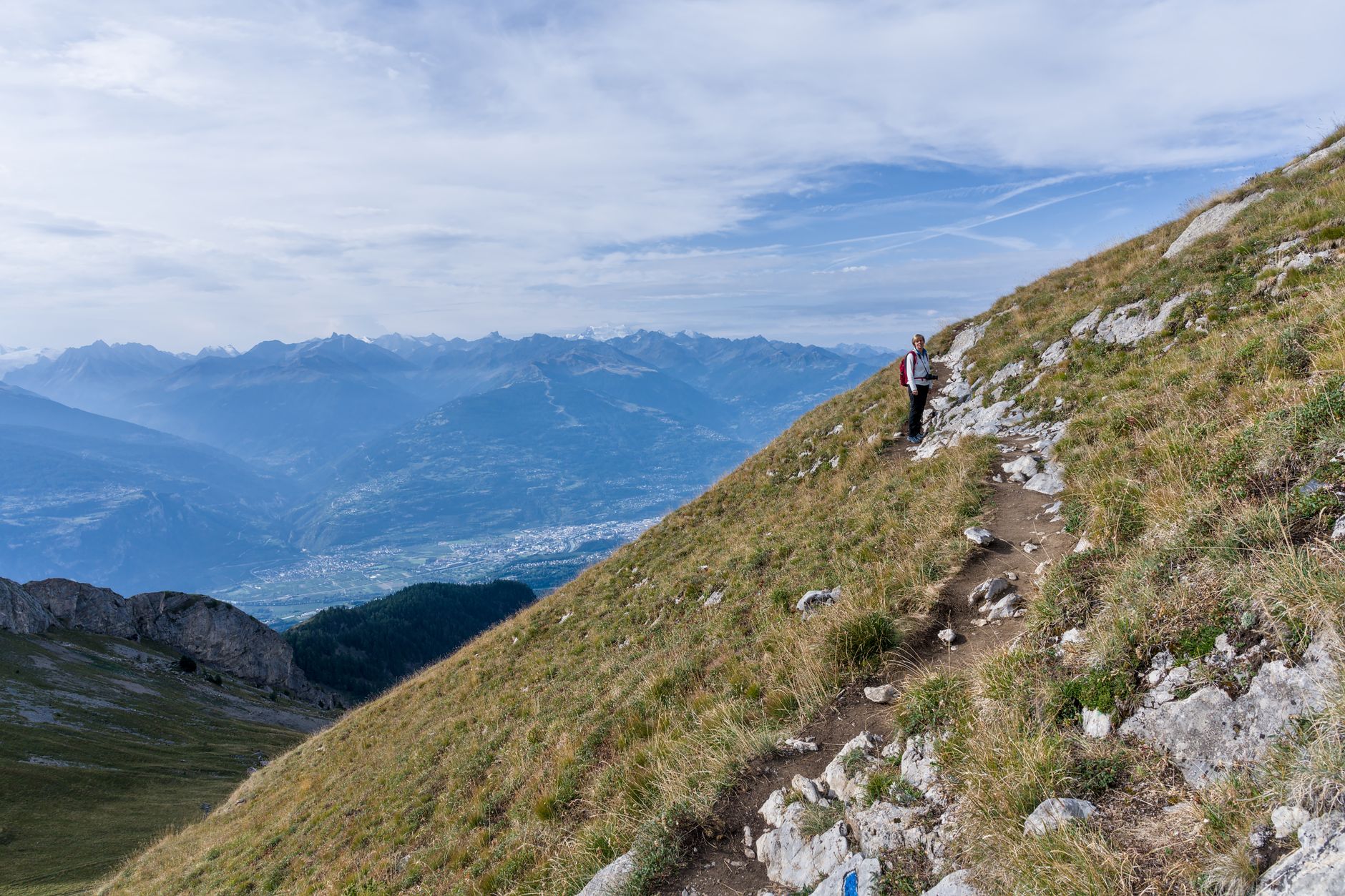
When my travels involve more than just leisurely strolls—perhaps a planned dive into a coral reef, a guided trek through mountain passes, or even just exploring a new city by bicycle—I know that a standard policy might not comfortably cover every possibility. This is where providers like World Nomads distinguish themselves. They are widely recognized for their deep understanding of travelers who engage in a broader range of activities, often listing an extensive catalog of sports and adventures that can be covered, sometimes requiring an upgrade or specific plan tier.
World Nomads often proves to be an ideal match for adventure travelers, backpackers, and anyone planning to partake in specific activities like hiking, climbing, surfing, or diving. Their policies are crafted with an awareness of the potential risks associated with these pursuits, offering different levels of coverage depending on the activity. I also appreciate their flexible plans, which allow you to extend coverage seamlessly while still traveling. While strong on activity coverage, it’s true that their premiums can sometimes be higher than more basic policies, reflecting the increased risks they are willing to cover. For travelers who aren’t planning any adventure sports, some of the specialized coverage might be more than needed. It’s crucial to check their list of covered activities carefully; while extensive, it’s not exhaustive, and some extreme sports might still require further inquiry or be excluded. As with any policy, pre-existing medical conditions are a key area to review, along with any age limits or restrictions on certain types of travel. I always consult their policy document for the definitive list of what is covered and what is not.
3. Genki — Best for Long Stays and Europe-Based Travelers

For those planning an extended stay in a specific region, particularly within Europe, or for individuals engaging in work and travel arrangements, the lines between traditional travel insurance and international health insurance can sometimes blur. Genki, for instance, offers a model that often bridges this gap, providing longer-term health insurance-style coverage designed for digital nomads and long-term travelers, with a particular focus on Europe. This kind of plan offers a more robust health safety net than a typical short-term travel policy.
Genki is well-suited for travelers planning extended stays, especially within Europe, or those who need a comprehensive health insurance solution while abroad for several months or even years. It thoughtfully caters to digital nomads, expats, and students who require more than just emergency travel medical coverage, approaching it more like a full health insurance plan. Given its focus on comprehensive health coverage, it might not include as robust a range of benefits for trip cancellation, lost luggage, or other travel-specific inconveniences that shorter-term, traditional travel insurance plans often emphasize. Its suitability might also be more pronounced for certain regions or durations compared to others. As with any health-focused plan, pre-existing medical conditions are a primary consideration. It’s important to understand their definitions and any waiting periods or exclusions that may apply. Furthermore, I always investigate the specifics of their emergency travel benefits versus their general health coverage, and ensure any planned activities align with their terms. Always refer to their detailed policy terms for clarity — our three-provider comparison covers Genki’s model alongside SafetyWing and World Nomads.
4. EKTA — Best for Straightforward Short Trips
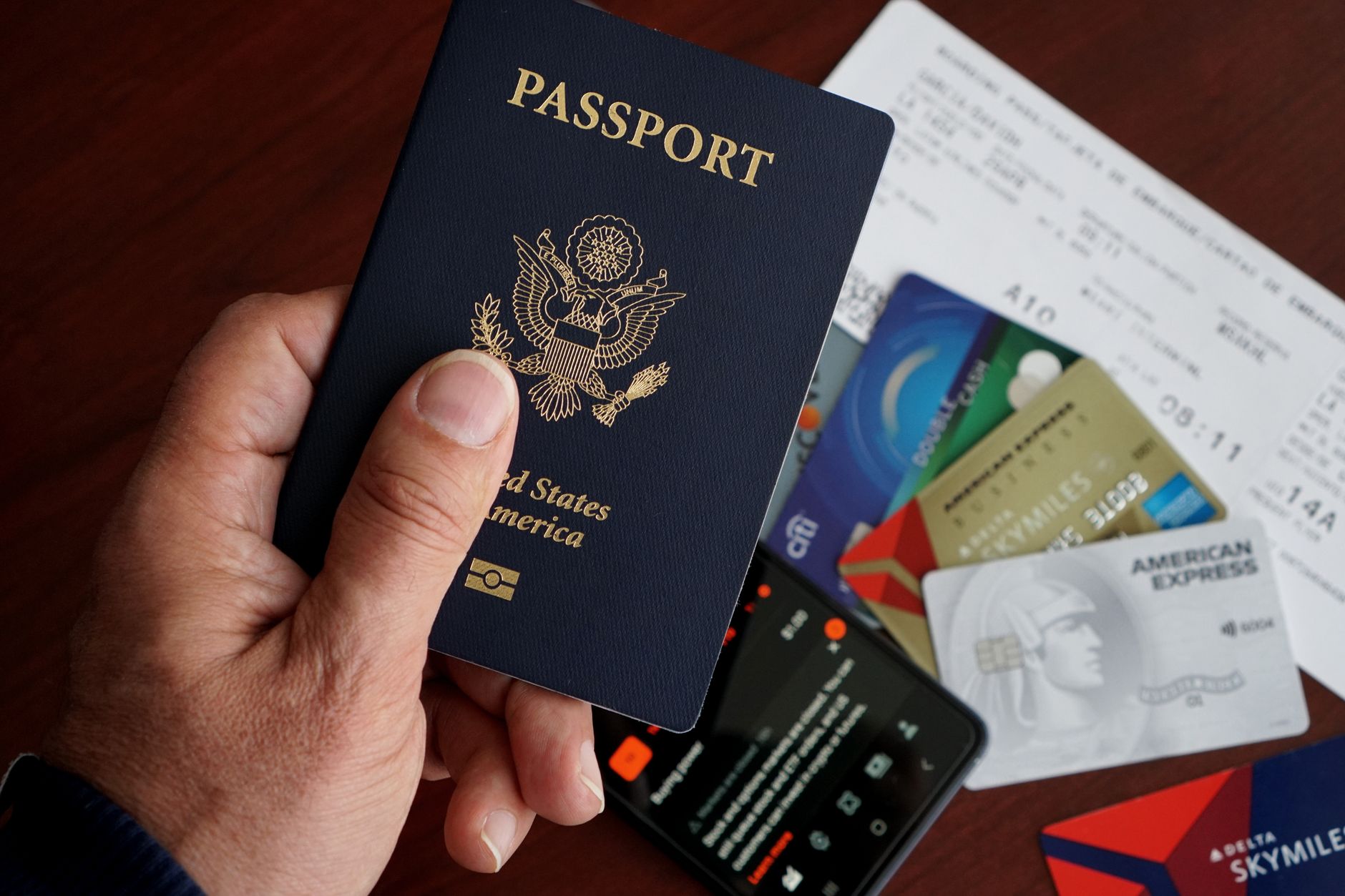
Sometimes, my travel plans are delightfully simple: a short city break, a weekend visit to friends, or a quick business trip. For these straightforward journeys, I appreciate efficiency and clarity in my travel arrangements, including insurance. EKTA aims to simplify the process of getting coverage for such trips, often providing fast quotes and clear policy options tailored for shorter durations. This streamlined approach means less time spent sifting through complex documents and more time planning the actual trip.
EKTA is often a sensible choice for travelers undertaking shorter, less complex trips who value a quick, transparent quoting process and clear coverage options. It’s an ideal option for those seeking essential coverage for medical emergencies, trip disruptions, and baggage protection without needing highly specialized adventure activity add-ons or long-term health benefits. Its design truly centers on simplicity and ease of access for conventional trips. While excellent for its intended purpose, EKTA might not be the most suitable fit for very long-term travel, highly adventurous trips involving extreme sports, or those with significant pre-existing medical conditions that require specialized handling. For any policy, it’s always wise to review the specific exclusions regarding pre-existing medical conditions, age limits, and any activities that might fall outside standard tourist activities. For a straightforward trip, ensuring the basic medical and cancellation coverage meets your needs is the most important step. Getting an EKTA travel insurance quote takes only a few minutes, which makes it easy to tick this item off the pre-departure list early — and to spend the saved attention on the enjoyable parts of planning.
What This Means For Your Trip: A Calmer Approach to Planning

Navigating the world of travel insurance can sometimes feel like a chore, but I’ve found that approaching it with a calm, considered mindset transforms it into an empowering act of preparation. It’s not about fearing what might go wrong, but about giving ourselves the freedom to embrace what goes right, knowing a practical foundation is in place. If you’re a nomad weighing longer-term cover, our digital-nomad insurance buyer’s guide continues from here.
Before any trip, I take a quiet moment to reflect on the nature of my travel: the duration, the activities, my health, and the specific kind of peace of mind I’m seeking. This clarity helps me narrow down the options, moving from the general to the specific. Remember, no article can replace the actual policy wording; that document is your definitive guide. By understanding the distinct strengths of different providers and always reading the fine print, we can choose wisely, allowing us to step out into the world feeling a little wiser, a little calmer, and truly ready to simply experience the gentle unfolding of our travels.
Frequently asked questions
Do I really need travel insurance?
For many, travel insurance offers a significant layer of peace of mind, covering unexpected medical emergencies, trip cancellations, or lost luggage. While no one hopes to use it, the potential costs of an incident abroad can be substantial without it. It's a personal decision, but I find that a small investment in a good policy often removes a large weight of worry.
What's the most important thing to check in a policy?
Beyond the basic coverage for medical emergencies and trip disruptions, I always recommend scrutinizing the exclusions section. Pay close attention to any pre-existing conditions clauses, specified adventure activities, and country-specific limitations. These details are often what determine if a policy truly meets your needs in an unexpected situation.
Can I buy travel insurance after my trip has started?
Some providers, like SafetyWing, are designed to accommodate travelers who are already abroad, offering policies that can be purchased mid-trip. However, many traditional policies require you to purchase coverage before your departure date. It's crucial to check the specific terms of any policy you're considering, as there might be a waiting period before coverage begins if purchased while traveling.
Does travel insurance cover pre-existing medical conditions?
This is a critical area to investigate, as coverage for pre-existing conditions varies significantly between providers and policies. Some may offer limited coverage, others may require you to declare conditions and pay an additional premium, and some may exclude them entirely. Always read the policy wording carefully or contact the insurer directly to understand their stance on your specific health situation.
Is travel insurance only for emergencies?
While emergency medical care and evacuations are often the cornerstone of a good travel insurance policy, many also cover a range of other potential disruptions. This can include trip cancellation or interruption, lost or delayed luggage, travel delays, and even personal liability. The scope depends heavily on the specific plan you choose, making it worthwhile to compare the benefits beyond just medical coverage.
Keep reading on Gently Yonder
- Airalo vs Holafly vs Saily — The three big travel eSIM providers compared — coverage, pricing, and who each suits.
- Best eSIM for Japan, Korea & Vietnam — Destination-by-destination eSIM picks for three popular Asian countries.
- Pocket WiFi vs eSIM — Which connectivity option wins — solo vs group, cost, battery, and setup compared.
- Hotel Booking Sites Compared — Hotels.com, Booking.com, Trip.com, Agoda — what each is genuinely good for.
- Travel Insurance Compared — SafetyWing vs World Nomads vs Genki — coverage, exclusions, and how to choose.
- Japan Country Profile — Eight-section country deep-dive: history, geography, society, and travel prep.