Cebu is the Philippines many travellers fall for — a place where a walkable, history-rich city sits an hour or two from some of the best beaches, diving, and waterfalls in the country. It’s the cradle of Philippine Christianity, the home of the nation’s most famous lechon, and the launching pad for island adventures in every direction. For a first visit, the shape is simple: a day or two in Cebu City, then out to the coasts and islands. Two small things smooth the trip — a travel eSIM so maps and Grab work on arrival, and a browse of Klook or KKday for the island-hopping and canyoneering tours, which are easiest arranged ahead.
No one pays to be recommended here, and we say when a free or cheaper option wins. Our promise →
In this guide7 sections
Cebu City: where the Philippines began
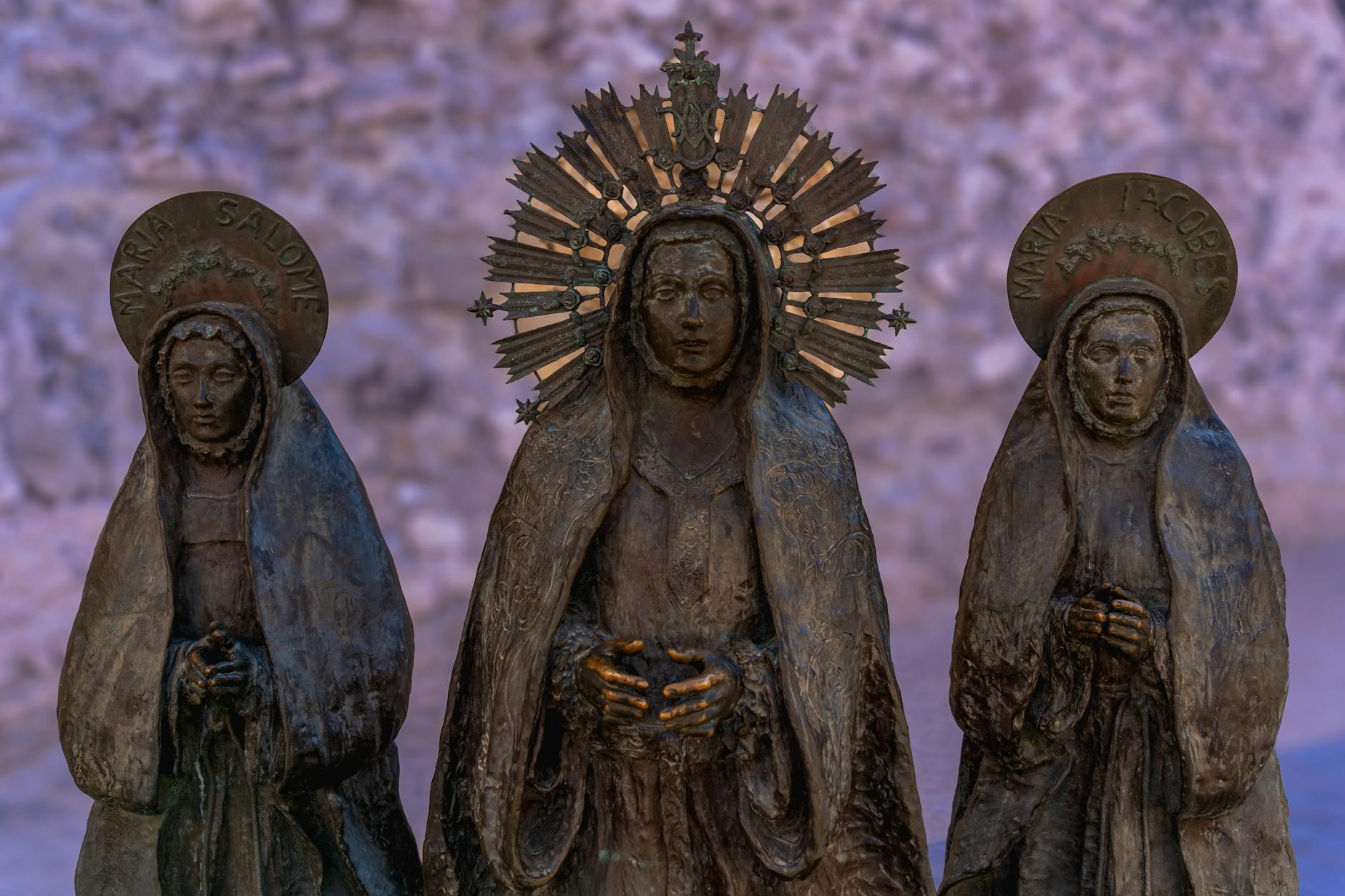
Start downtown, where Spanish history is dense. Magellan’s Cross, planted in 1521, marks the arrival of Christianity; beside it, the Basilica Minore del Santo Niño houses the country’s oldest religious relic and hums with devotion. Nearby, the squat Fort San Pedro is the oldest and smallest fort in the country, and Colon Street claims to be the oldest street. Up in the hills above the city, the whimsical Temple of Leah (a Roman-style monument) and the Tops Lookout give sweeping views, especially at sunset — and if your timing is lucky, the wild Sinulog Festival in January is one of the great celebrations in Asia.
Oslob and the whale sharks — with an honest note

South of the city, Oslob is famous for swimming with whale sharks, which gather close to shore. It’s unforgettable, but be honest with yourself: the animals here are fed to keep them near, a practice many marine conservationists criticise. If that sits uneasily, you can instead see whale sharks wild and unfed at places like Donsol (in nearby Sorsogon) — a slower, less guaranteed, but more responsible encounter. It’s your call, made with open eyes.
Kawasan Falls and Moalboal

Inland near Badian, the turquoise tiers of Kawasan Falls are the setting for the country’s most popular canyoneering — jumping and swimming down a river gorge, a genuinely thrilling half-day. On the west coast, Moalboal is a laid-back diving and snorkelling town famous for its sardine run — a shimmering, swirling wall of millions of fish just off the shore at Panagsama Beach — and for sea turtles and the reefs around Pescador Island.
Islands and beaches

Cebu is a spine with beaches at every turn. To the far north, Malapascua is a diving legend for its early-morning thresher sharks; Bantayan Island is the go-to for slow, white-sand beach days; and countless smaller islands make for classic island-hopping boat trips. You do not need to plan much — pick a base, and let a day tour do the logistics.
Cebu lechon, and eating well
Cebuanos will tell you, with total conviction, that theirs is the best lechon (spit-roasted pork) in the Philippines — and the late chef Anthony Bourdain once agreed on camera. Try it, along with the fresh seafood grills and the ubiquitous, excellent puso (rice steamed in woven coconut leaves). It’s simple, generous, unpretentious food.
Getting around and when to go
In Cebu City, Grab is the easiest way to move; heading south to Oslob, Badian, or Moalboal, you’ll use buses from the South Bus Terminal, private vans, or a hired car with driver — distances take longer than the map suggests, so consider staying a night or two out of the city rather than day-tripping everything. The comfortable, drier months are roughly December to May; typhoon season runs later in the year, so check a current forecast close to your dates.
Cebu gives you history and adventure within easy reach of each other. Spend a morning downtown, eat the lechon, and then let the islands and waterfalls take over.
Frequently asked questions
How many days do you need in Cebu?
Five to seven days is comfortable: a day or two in Cebu City for the history and lechon, then time out to the coasts and islands — Oslob, Kawasan Falls and Moalboal to the south, or Malapascua and Bantayan to the north. Distances take longer than the map suggests, so consider staying a night out of the city.
Is swimming with whale sharks in Oslob ethical?
It's unforgettable but debated: the whale sharks at Oslob are fed to keep them near shore, a practice many marine conservationists criticise. For a wild, unfed encounter, some travellers choose Donsol in nearby Sorsogon instead — slower and less guaranteed, but more responsible.
What is Kawasan Falls known for?
The turquoise tiers of Kawasan Falls near Badian are the setting for the Philippines' most popular canyoneering — jumping and swimming down a river gorge, a thrilling guided half-day. The falls themselves are also simply beautiful to visit.
When is the best time to visit Cebu?
The drier, more comfortable months are roughly December to May. Typhoon season runs later in the year, so check a current forecast close to your dates.
Keep reading on Gently Yonder
- 14 Untranslatable Words Saudade, komorebi, sisu — words that resist English and what they teach travellers.
- Airalo vs Holafly vs Saily The three big travel eSIM providers compared — coverage, pricing, and who each suits.
- Rent a Boat Without a License Where you can legally rent a boat with no license, country by country, and how to find one.
- Manila: A First-Timer's Guide Intramuros, Binondo Chinatown, the Manila Bay sunset, and getting around the traffic.
- Phuket: A First-Timer's Guide Choosing your beach, the Sino-Portuguese Old Town, and island-hopping to Phi Phi.