Arriving in a new city quietly, allowing space for stillness, often shapes the entire journey. Tokyo’s vastness and vibrant hum can feel overwhelming. But your arrival doesn’t need to be a frantic rush. Instead, I find beauty in easing in, letting the city reveal itself at its own rhythm, starting with a calm, considered welcome. This way, curiosity can unfold naturally, free from the pressure of a packed itinerary, inviting a more genuine connection with the city itself.
No one pays to be recommended here, and we say when a free or cheaper option wins. Our promise →
In this guide8 sections
Arriving and Getting Connected

Stepping off the plane in Tokyo, I always feel that familiar mix: the hum of anticipation, the gentle drag of travel fatigue. Tokyo’s airports—Narita (NRT) and Haneda (HND)—are remarkably well-organized and clean, and despite the constant flow of people, often surprisingly calm. Immigration and customs, though necessary, are usually smooth processes, thanks to clear signage often in English. My first priority, after these initial formalities, is always getting connected. Having immediate access to maps, translation apps, and confirmation details takes a surprising amount of mental load off, allowing me to fully focus on the new surroundings, rather than navigating small anxieties.
For this, I’ve found an eSIM to be an invaluable travel companion. Setting it up before you even board your flight means that the moment your plane touches down, your phone springs to life with a local data plan. It avoids the fuss of hunting for SIM card kiosks, the frustration of unreliable airport Wi-Fi, or fumbling with tiny trays and pins just as you’re trying to absorb a new environment. It’s a small detail, but it makes a significant difference to that initial feeling of control and calm. With your phone ready, you can immediately check train schedules, confirm the route to your accommodation, or simply let loved ones know you’ve arrived safely, all without a moment’s delay or added stress. Your first steps into the city feel more grounded, more intentional. an Airalo travel eSIM
From Airport to City: Your First Journey
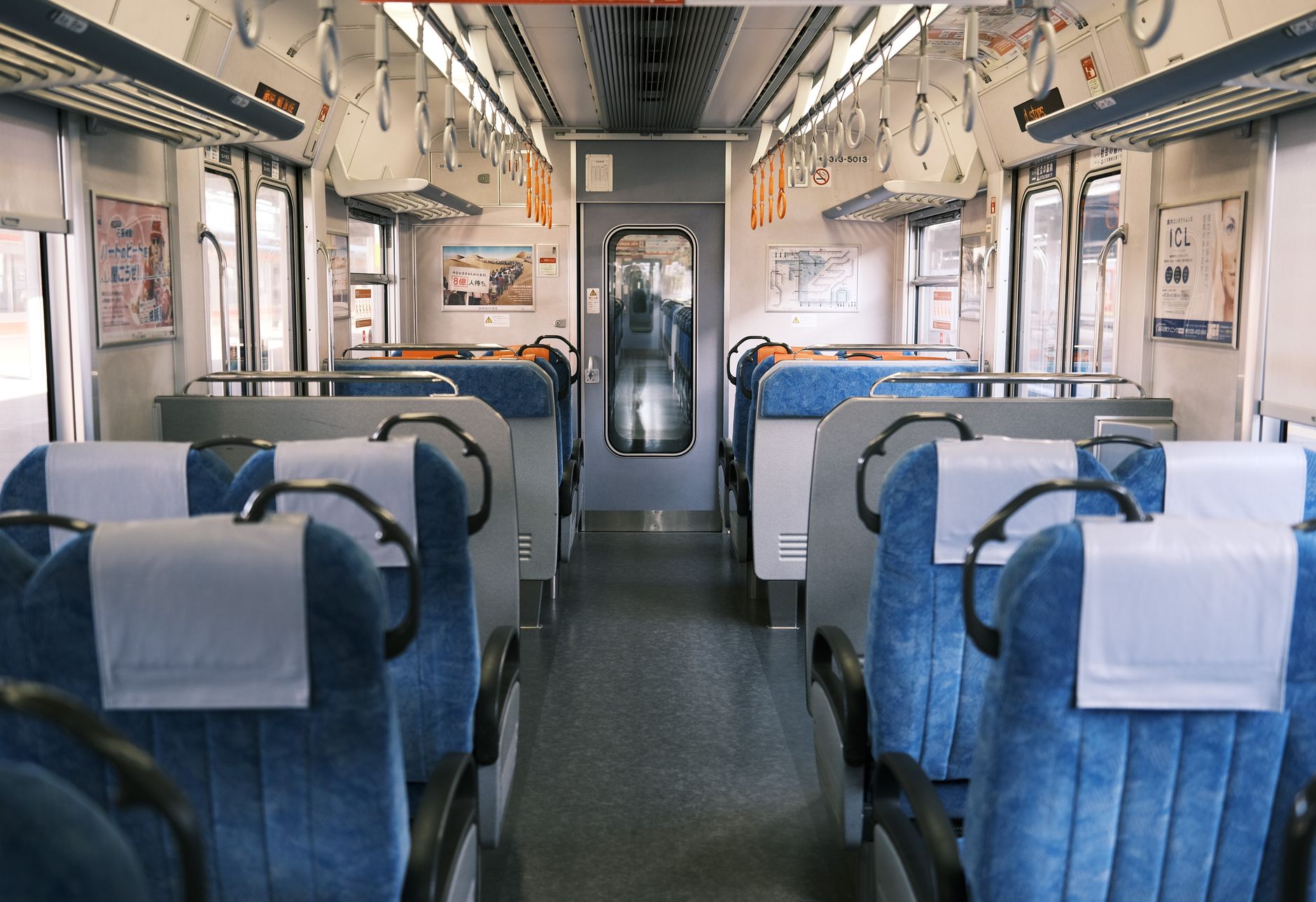
Once you’re connected and have cleared arrivals, the next step is the journey into the city. Tokyo’s airport transfers are impressively efficient, a quiet reflection of the country’s commitment to thoughtful public transit. From Narita, you have excellent options like the JR Narita Express (N’EX) or the Keisei Skyliner. Both offer comfortable, reserved seating and direct routes into major city hubs such as Tokyo Station, Shinjuku, or Ueno. For those landing at Haneda, which is closer to the city, the Keikyu Line or Tokyo Monorail provide swift and frequent connections. Each line is clearly marked, and ticket machines often offer English, with station staff usually nearby if you need a hand.
I always opt for the train. There’s a particular rhythm to it: the gentle hum of the carriage, the quiet efficiency of the staff, and the landscape slowly shifting. From open fields and neatly tended industrial areas, it transitions to low-rise suburbs and then the dense urban sprawl, each scene glimpsed through the window. It’s a dedicated period to decompress from the flight and begin to absorb the new surroundings without effort or immediate pressure. I like to find a window seat if I can; watching the world go by, observing the distinct architecture and the patterns of daily life unfolding outside, is a quiet pleasure. This first ride is an introduction, a gentle glide into the heart of the city, allowing your mind to begin adjusting to the new time zone and sensory environment. There’s no need to rush or understand every intricate corner of the railway network just yet; simply settle in and enjoy the ride.
Settling In: Dropping Bags and First Steps

Reaching your accommodation, whether a bustling Shinjuku hotel or a quiet Yanaka guesthouse, is a small, satisfying milestone. That immediate relief of setting down your carry-on is always a quiet joy. If your room isn’t ready for immediate check-in, most hotels are more than happy to hold your luggage securely, a common and helpful practice. Alternatively, reliable coin lockers are widely available at major train and subway stations, offering a temporary solution for securing your bags. The aim is to feel light; without bags, the city opens up, feeling more accessible, more inviting.
Still choosing where to sleep? Where to stay in Tokyo starts with the station, then names 17 hotels in six areas, from Park Hyatt Tokyo to a family-run ryokan.
With bags dropped, I often take a short, unstructured walk around the immediate neighborhood. This isn’t about ticking off famous landmarks or finding a specific destination; it’s purely about orienting myself and stretching my legs. I observe: Where is the nearest convenience store, a konbini, often a hub for quick necessities? Is there a local bakery, a small park, or a quiet temple nestled amidst the houses? These first, unhurried observations are where I find real beauty: the carefully tended potted plants outside a shop, the intricate patterns of utility poles and wires against the sky, the distant murmur of everyday life, the quiet politeness of passersby. This gentle exploration helps me feel grounded, making the unfamiliar a little more known and less overwhelming, slowly building a sense of place.
The Gentle Unpacking: A Low-Key Afternoon

On a first day in a city as vast and energetic as Tokyo, the urge to “hit the ground running” and see everything can be strong. However, after a long flight and the sensory input of arrival, I find a slower, more deliberate approach to be far more rewarding. Even mild jet lag can soften your senses, blurring the edges of what you experience. Rushing through your first afternoon can lead to exhaustion, making it harder to truly appreciate Tokyo’s quieter moments later. My preferred approach is simply a quiet, low-key afternoon.
This might involve finding a local café, perhaps one tucked away down a quiet side street, offering a meticulously prepared hand-drip coffee or a soothing matcha. I like to settle into a window seat and simply watch the rhythm of the neighborhood unfold outside: school children walking home, salarymen cycling past, shopkeepers tidying their storefronts with meticulous care. The quiet clink of cups, the comforting aroma of coffee, the soft murmur of conversations – it’s an immersion not in landmarks, but in the quiet rhythms and textures of daily life. Sometimes, I’ll pull out a small notebook and jot down initial impressions, a new word I’ve heard, or simply read a few pages from a book I’ve brought along. This gentle pace lets my mind and body process the shift, allowing Tokyo’s unique atmosphere to seep in softly, rather than overwhelming me. It’s about quiet absorption, a gentle settling, not a frantic rush to acquire experiences.
Your First Tokyo Meal: A Simple Pleasure
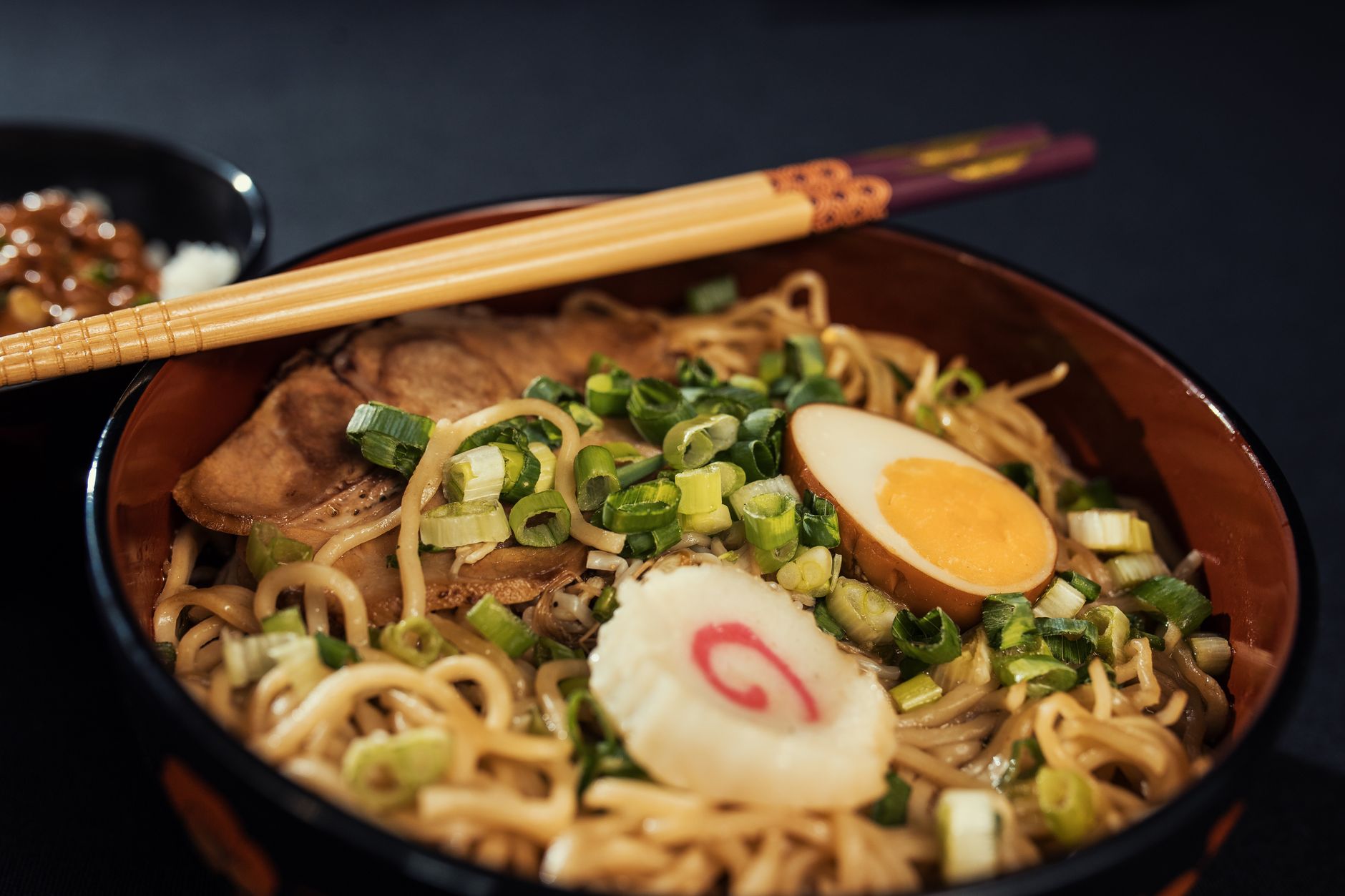
Food is often a highlight of any trip to Japan. For your first meal, I recommend something comforting and easy, rather than a demanding search for culinary perfection. I try to resist the urge to seek out a Michelin-starred restaurant right away, especially when tired from travel. Instead, I prioritize simplicity, warmth, and proximity to my accommodation.
Many neighborhoods throughout Tokyo hold small, local eateries—shokudo (casual diners) or unassuming ramen shops—offering delicious, unfussy set meals (teishoku) or humble, deeply satisfying bowls of ramen, udon, or soba. Look for a place that seems inviting, perhaps one where you see locals quietly enjoying their meal. Don’t be intimidated by language barriers; pointing at a picture menu or using a simple phrase like “kore hitotsu kudasai” (one of these, please) is often all you need. In many ramen shops, you’ll order from a ticket vending machine near the entrance, a common and straightforward process. The warmth of a steaming bowl of noodles, the crispness of perfectly fried tempura, or the comforting flavors of a tonkatsu set can be a truly satisfying and grounding welcome to the city. It’s about nourishing yourself and feeling the quiet warmth of Japanese hospitality, rather than seeking an extravagant dining experience on a tired first evening. It’s a quiet moment of connection through taste.
Easing into Evening: A Neighborhood Stroll

As evening draws in, the city shifts, often taking on a softer, quieter character. The day’s vibrant energy softens, replaced by the gentle glow of streetlights, the quiet murmur of life behind closed doors, and the distant sounds of the city. For my first evening, I always resist the pull of Shibuya or Shinjuku’s bustling nightlife. Instead, a final, gentle neighborhood stroll is often the perfect way to conclude the day.
Walk without a specific destination in mind. Let your senses guide you. Notice how the quality of light changes as dusk deepens into night, how the air feels, the subtle scents that might drift from a tiny, tucked-away restaurant or a bustling izakaya. You might stumble upon a quiet shrine, its lanterns casting soft light on ancient stones, or discover a tiny, immaculately kept garden barely visible behind a wall. The goal isn’t to do anything, but simply to be in Tokyo, letting the evening ambiance settle over you. This quiet observation helps settle the mind, process the day’s new impressions, and ready your body for a good night’s sleep. Rest is crucial for gently navigating jet lag and setting a positive, energized tone for the days of exploration ahead. It’s a small but significant act of self-care.
What This Means for Your Trip

Starting your Tokyo journey gently isn’t about missing out; it’s about quietly building a foundation of calm, connection, and curiosity. By embracing ease, immediate connectivity, and slow, intentional observation on your first day, you allow for a deeper, more genuine connection with the city, rather than a hurried consumption of it. The subtle moments—the quiet hum of the express train, the warm steam rising from your first authentic bowl of ramen, the soft glow of a neighborhood lamp during an evening stroll—are often the ones that truly linger. They become the quiet anchors of your memory. This thoughtful approach lets you truly arrive, mind and body, ready to embrace Tokyo’s wonders, one unhurried step at a time. It’s a way to let your journey unfold with a gentle rhythm, allowing discovery to blossom without the weight of expectation.
Frequently asked questions
Which airport is best for arriving in Tokyo?
Both Narita (NRT) and Haneda (HND) serve Tokyo exceptionally well, each offering efficient and comfortable transport options into the city center. Haneda is typically closer to central Tokyo.
How do I get connected to the internet right after landing?
An eSIM is often the most convenient option, as it can be activated before you even land, providing immediate data access upon arrival without the need for physical SIM cards or unreliable airport Wi-Fi.
Is it difficult to navigate public transport in Tokyo on the first day?
Tokyo's transport system is renowned for its efficiency and clarity, with excellent signage and many English translations. Taking an express train directly from the airport is a straightforward and comfortable way to begin your journey.
How can I deal with jet lag on my first day?
Prioritize sleep on the plane if possible, expose yourself to natural daylight upon arrival, and resist the urge to pack too much into your first day. A gentle, unhurried pace helps your body and mind adjust more smoothly.
Where should I eat my first meal in Tokyo?
Rather than seeking out a specific 'must-try' spot, look for a small, local eatery near your accommodation. A simple, warm bowl of ramen, udon, or a comforting set meal is a perfect, unpretentious introduction to Japanese cuisine.
Keep reading on Gently Yonder
- Visit Japan Web: Register Before You Fly How to pre-register immigration and customs for the QR codes that speed up arrival at Narita, Haneda, and Kansai.
- Narita & Haneda to Central Tokyo Every route compared — Narita Express, Skyliner, limousine bus, and late-night options.
- How Much Cash Do You Need in Japan? Where cards work, where they don't, and how much yen to actually carry in 2026.
- Best eSIM for Japan (2026) How to choose a Japan travel eSIM — coverage, data plans, and the pick for most trips.
- Travel Insurance for Japan Do you actually need it? Japanese healthcare costs, what policies cover, and honest picks.
- Tokyo City Guide First-time visitor's layered introduction — neighbourhoods, food, and prep.