Hanoi is a city that invites slow discovery. Its energy is palpable, yet beneath the bustling surface lies a quiet dignity, a blend of ancient traditions and a contemporary pulse. For a first-timer, navigating this vibrant tapestry can feel like a sensory journey, one I’ve always found deeply rewarding. This guide is a gentle invitation to explore Hanoi, to settle into its rhythm, and to let its layers unfold at your own pace.
No one pays to be recommended here, and we say when a free or cheaper option wins. Our promise →
In this guide9 sections
- Navigating the Heart of Hanoi: The Old Quarter and Hoan Kiem Lake
- Hanoi’s Flavors: A Culinary Journey
- Beyond the Old Quarter: History and Green Spaces
- More to Do: Train Street, Markets and Water Puppets
- Getting Around Hanoi: Traffic and Tranquility
- Day Trips from Hanoi: Broader Landscapes
- Preparing for Your Trip: Practical Considerations
- Leaving Hanoi: A Quiet Reflection
- Frequently asked questions
Navigating the Heart of Hanoi: The Old Quarter and Hoan Kiem Lake
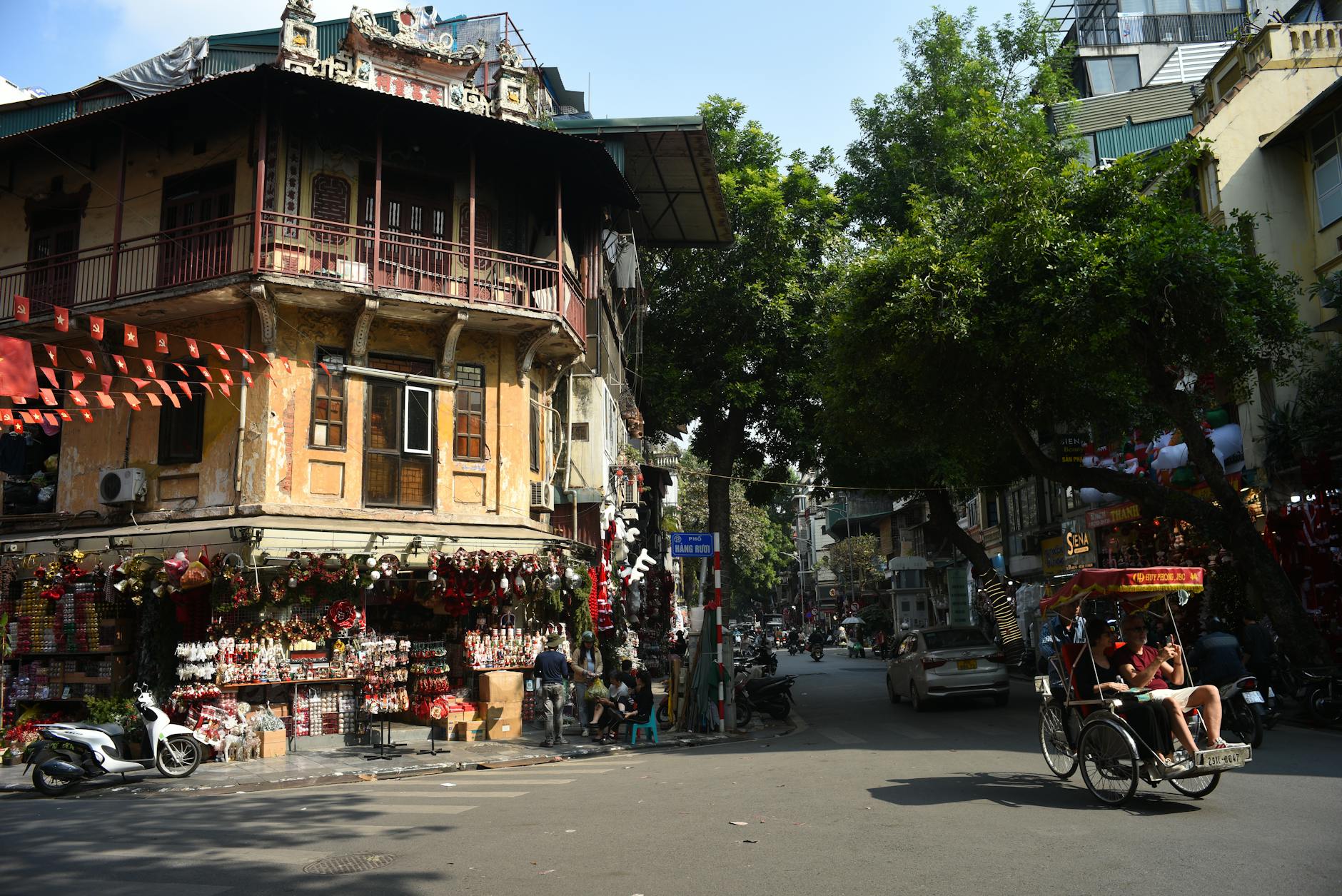
My first hours in Hanoi always involve finding a small café in the Old Quarter. There’s something grounding about watching the city wake up, the motorbikes beginning their hum, the vendors setting out their wares, and the scent of strong coffee filling the air. The Old Quarter, with its ‘36 streets’ each historically dedicated to specific trades, feels like a living museum. Walk down Hàng Bạc (Silver Street) or Hàng Gai (Silk Street) and observe the craftspeople at work, their skills passed down through generations. It’s a place to simply wander, to get a little lost in the labyrinthine alleys, discovering hidden temples or quiet courtyards tucked away from the main thoroughfares. Each turn offers a new vignette, a glimpse into daily life that feels both ancient and immediate.
At the heart of it all is Hoan Kiem Lake, a calm counterpoint to the surrounding energy. I often find myself drawn to its edges, especially in the early morning or late afternoon when locals gather for tai chi, group exercise, walks, or simply a quiet moment of contemplation. Ngoc Son Temple, accessible via the iconic red wooden bridge, The Huc, offers a peaceful retreat. The temple’s modest beauty and the legend of the returned sword provide a quiet moment of reflection, a glimpse into Hanoi’s layered history. Evenings around the lake, especially on weekends when surrounding streets are pedestrian-only, transform into a lively community space with street performers, families out strolling, and a gentle buzz of conversation that welcomes everyone.
Hanoi’s Flavors: A Culinary Journey
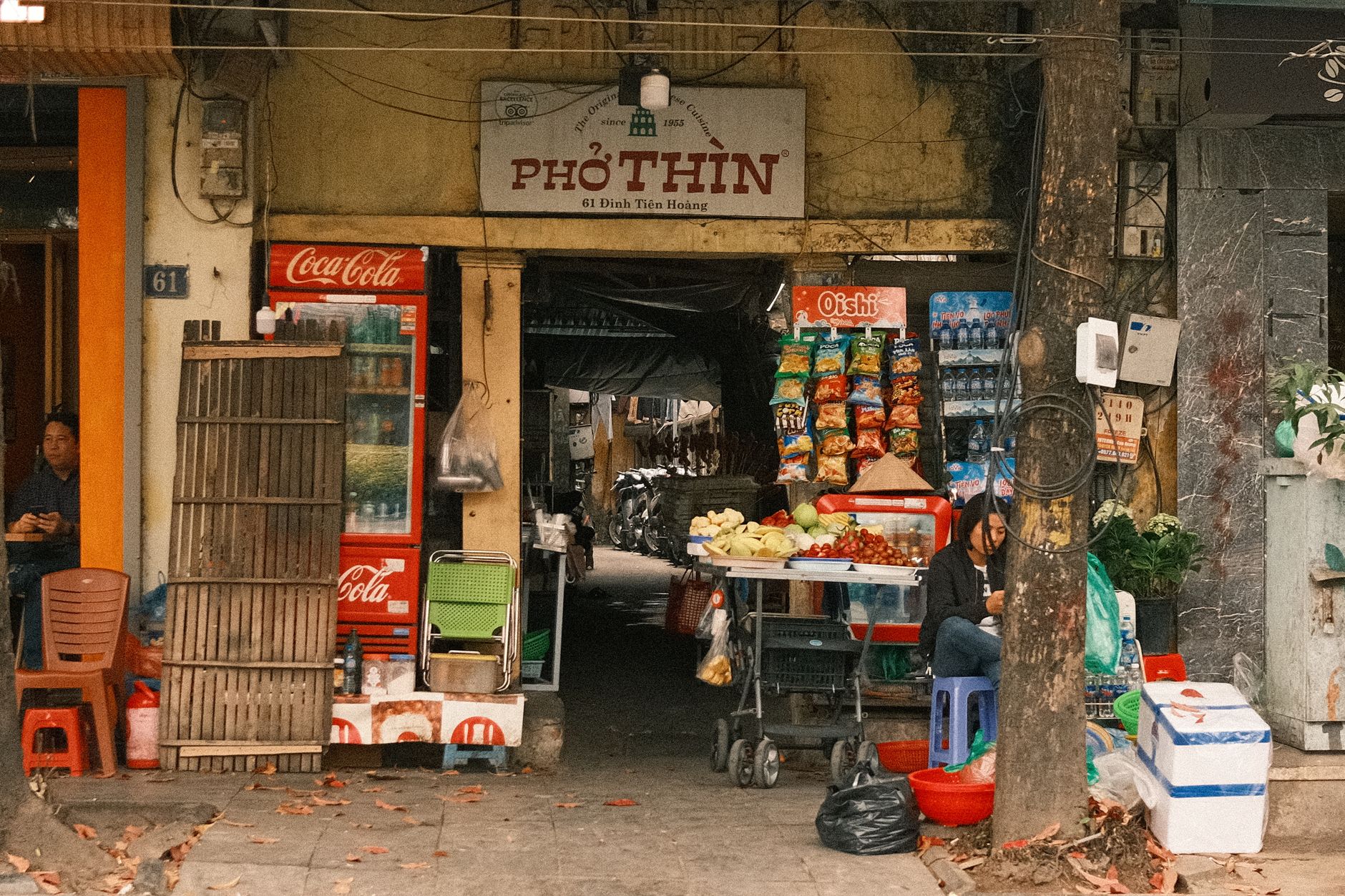
One of the deepest ways to connect with Hanoi is through its food. The city’s culinary landscape is vast and approachable, largely found in unassuming street stalls and small family-run eateries. My own journey through Hanoi’s flavors usually begins with pho – the classic Vietnamese noodle soup. Each bowl, a symphony of fragrant herbs, deeply savory broth, and tender meat, feels like a warm embrace, comforting and invigorating all at once. You’ll find countless variations, from beef (phở bò) to chicken (phở gà), and the joy is in discovering your own favorite spot, perhaps a tiny stall where the aroma draws you in from blocks away.
Beyond pho, there’s bun cha, a dish of succulent grilled pork patties and slices served with vermicelli noodles and a vibrant dipping sauce, often accompanied by a generous basket of fresh herbs. This is a lunchtime staple, a perfect balance of savory and fresh textures. Banh mi, the Vietnamese baguette sandwich, offers endless fillings, from rich paté and cold cuts to grilled pork or eggs, making it a versatile and satisfying snack at any time of day. And for a truly unique Hanoi experience, I always make time for a cup of egg coffee (cà phê trứng), a rich, sweet, and surprisingly creamy concoction. It’s become a quintessential Hanoi treat, a delightful indulgence. For a truly local evening experience, find the bia hoi corner on Ta Hien Street in the Old Quarter, where fresh, inexpensive draft beer is served from kegs in a lively, communal setting, allowing for easy conversation and people-watching.
Beyond the Old Quarter: History and Green Spaces

Hanoi’s story extends far beyond the Old Quarter. A short walk or a quiet Grab ride will take you to areas rich with history and grander architecture, often reflecting different eras of the city’s past. St Joseph’s Cathedral, a neo-Gothic structure reminiscent of Notre Dame, stands as a prominent landmark from the French colonial era. Its quiet interior offers a moment of calm amidst the city’s pulse, a stark contrast to the busy streets outside.
Further afield, the Temple of Literature (Văn Miếu – Quốc Tử Giám) is a truly serene space. As Vietnam’s first national university, founded in 1070, it’s a place of quiet reflection and learning that underscores the country’s deep and enduring respect for education. Walking through its five courtyards, past the ancient trees and the stone steles engraved with the names of successful scholars, I often feel a tangible connection to centuries of intellectual pursuit and cultural heritage. It’s a testament to the country’s profound value of knowledge. The Ho Chi Minh Mausoleum complex, with its imposing structure, the nearby Presidential Palace, and the delicate One Pillar Pagoda, offers a different kind of historical experience, significant for its role in modern Vietnamese history. When visiting, a respectful demeanor and modest dress are appropriate. The surrounding gardens and pathways provide ample space for a thoughtful stroll, offering a chance to reflect on Vietnam’s journey. The French Quarter, with its wide boulevards, elegant villas, and the grand Hanoi Opera House, presents yet another architectural chapter of the city’s past, showcasing a period of significant influence and transformation.
More to Do: Train Street, Markets and Water Puppets
Train Street is a narrow residential lane where a working railway passes within arm’s reach of the cafés. People sit for a coffee and wait for a scheduled train to pass. Access is restricted from time to time for safety, so check locally before you go.
For shopping and grazing, the large Dong Xuan Market and the Weekend Night Market, which runs north from Hoan Kiem Lake, are the places to eat and bargain.
The Thang Long Water Puppet Theatre stages an art form born in the flooded rice paddies: lacquered puppets move across a pool of water to live traditional music. Shows are short, which makes them an easy early-evening plan after a day on your feet.
If the Ho Chi Minh Mausoleum is on your list, note that it closes on some mornings and for annual maintenance, so check current times. Expect airport-style security as well as a modest dress code.
Two food notes. Bun cha is the dish Barack Obama and Anthony Bourdain shared here. Egg coffee is a silky layer of egg yolk and condensed milk over strong coffee, and Cafe Giang is the café most associated with it.
For Ha Long Bay, an overnight cruise is the classic choice. Our guide on where to book a Halong Bay cruise compares booking direct with using a platform.
Getting Around Hanoi: Traffic and Tranquility

Hanoi’s traffic is famous, a constant, swirling flow of motorbikes, cars, and cyclos that might initially seem chaotic. For a first-timer, crossing the street can feel like an art form, but it’s one you quickly learn and even begin to appreciate as a unique part of the city’s rhythm. The secret, I’ve found, is to move slowly and predictably, making gentle eye contact with drivers, allowing them to flow around you. Hesitation is often more perilous than steady movement; a calm, consistent pace is your best guide.
For getting around, Grab cars and bikes are widely available and convenient, with clear pricing through the app. A Grab bike can be a surprisingly immersive way to experience the city, feeling the breeze and hearing the street sounds up close, truly becoming part of the flow. For shorter distances within the Old Quarter, cyclos offer a more leisurely and traditional way to see the sights, though it’s wise to agree on a price beforehand to avoid misunderstandings. Hanoi also has a newer metro line, the Cat Linh line, which offers a modern and efficient way to cover longer distances, though its routes might not always align with the main tourist areas. Walking remains my preferred way to explore, especially in the Old Quarter, allowing for unexpected discoveries down every alley and a deeper connection to the city’s heartbeat.
Day Trips from Hanoi: Broader Landscapes
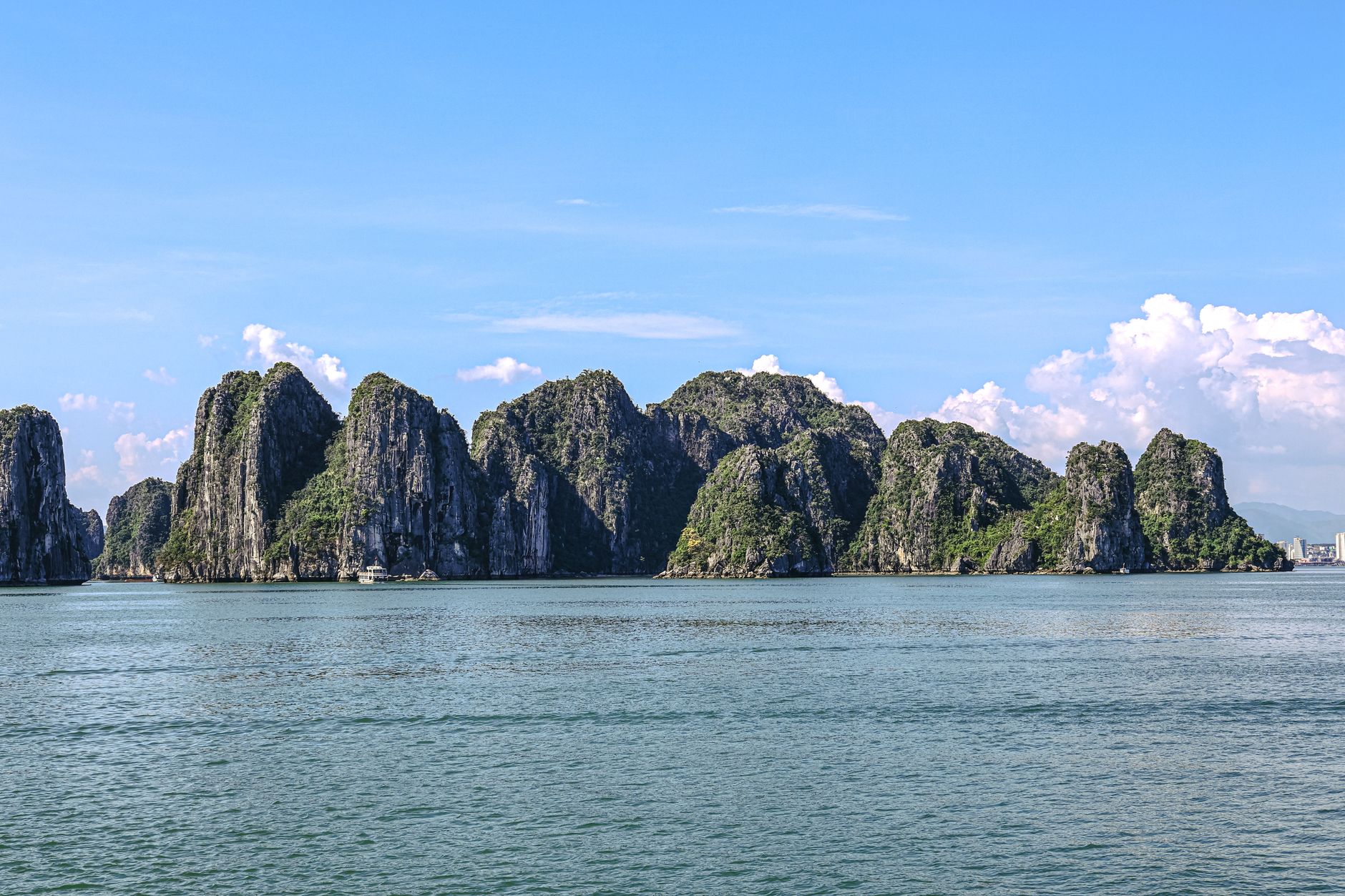
While Hanoi offers endless opportunities for exploration, the surrounding region holds some truly breathtaking landscapes worth experiencing. Two of the most popular and rewarding day trips are to Ha Long Bay and Ninh Binh.
Ha Long Bay, a UNESCO World Heritage site, is renowned for its thousands of towering limestone karsts and islets that dramatically rise from the emerald waters. A cruise here, whether for a day or an overnight trip, offers a chance to see these dramatic formations up close, often including kayaking through hidden caves or swimming in secluded coves. It’s a visually stunning and deeply serene experience that feels wonderfully far removed from the city bustle.
Ninh Binh, often called “Ha Long Bay on land,” offers a similar landscape of majestic limestone karsts, but here they rise from verdant rice paddies and winding rivers rather than the sea. A popular activity is taking a small rowboat trip through places like Tam Coc or Trang An, gliding gently through cool caves and past tranquil villages. It’s a peaceful and incredibly scenic escape, offering a different perspective on Vietnam’s natural beauty and rural life. When planning such excursions, I always look for reputable tour operators to ensure a smooth and enjoyable experience, allowing you to simply relax and take in the magnificent scenery. Reputable tour operator for Ha Long Bay / Ninh Binh day trips, for booking organized, quality excursions.
Preparing for Your Trip: Practical Considerations
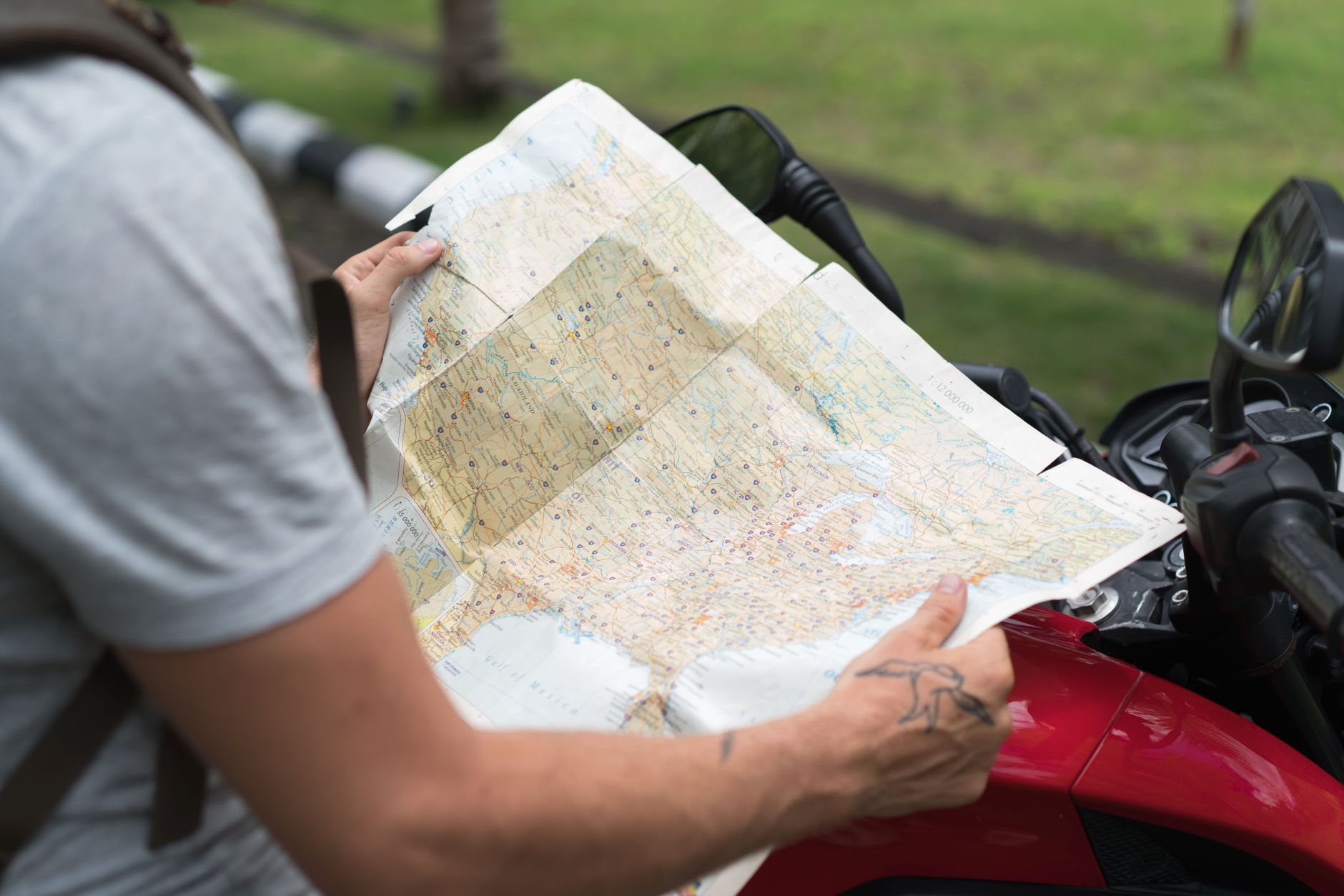
A little preparation goes a long way in making your first Hanoi visit smooth and enjoyable. The weather varies, with hot, humid summers (May-August) and cooler, often damp winters (December-February). Spring (March-April) and autumn (September-November) usually offer the most pleasant temperatures for exploring. Packing light, with versatile layers, is always a good approach, especially if you plan to move around a lot. I always travel with just a carry-on, finding it allows for greater flexibility and ease of movement.
Keeping in touch with friends or navigating the city’s winding lanes is simpler than you might imagine. Local SIM cards are readily available upon arrival at the airport or in town, or an eSIM can be a convenient option for instant connectivity, allowing easy access to maps, translation apps, and ride-hailing services. eSIM provider for international travel, offering data plans for Vietnam. Before any international trip, comprehensive travel insurance provides a necessary layer of reassurance, covering unexpected medical needs or travel disruptions. Comprehensive travel insurance, for peace of mind and coverage for unforeseen events. While the pace of life can feel quick, remember to embrace it. A good sense of humor, a willingness to try new things, and a patient attitude are your best companions.
A Gentle Approach to Local Interactions
Hanoi is a city of warmth and quiet dignity, and a little mindfulness goes a long way in connecting with its people and culture. When visiting temples or religious sites, it’s a gesture of respect to dress modestly, covering shoulders and knees. While bargaining can be part of the market experience, especially in the Old Quarter, approach it with a friendly smile and a light heart, understanding that even small differences in price mean more to vendors than they might to you. Observing and trying to understand local customs, like removing your shoes before entering someone’s home or a temple, enriches the experience for everyone. These small acts of courtesy can transform a simple visit into a genuine connection.
Leaving Hanoi: A Quiet Reflection

Leaving Hanoi, I often carry a quiet sense of gratitude. It’s a city that challenges and delights, always offering more to observe and understand. The sounds of distant temple bells mixed with the ever-present hum of motorbikes, the scent of street food mingling with jasmine, the warmth of a local’s smile – these are the threads that weave together the experience. It’s not a place to rush through, but rather to lean into, allowing its unique energy to seep into your spirit. When I reflect on my time there, it’s not the grand monuments that first come to mind, but the small, human moments: a shared laugh over a bowl of pho, the quiet concentration of a vendor arranging their fruit, the intricate dance of traffic that, somehow, always finds its flow. Hanoi leaves you a little wiser, perhaps, and certainly more curious about the world and its gentle changes.
Frequently asked questions
How many days should I spend in Hanoi?
For a first visit, three to five full days allows for a comfortable exploration of the Old Quarter, key historical sites, and a chance to simply absorb the city's rhythm. This timeframe also leaves room for a possible day trip.
What is the best way to cross the street in Hanoi?
The key to navigating Hanoi's traffic is to move slowly and predictably. Make eye contact with drivers, walk at a steady pace, and allow vehicles to flow around you. Don't stop abruptly or make sudden changes in direction.
What local foods should I try in Hanoi?
Hanoi offers a wonderful culinary journey. Be sure to try pho (beef noodle soup), bun cha (grilled pork with noodles), banh mi (Vietnamese baguette sandwich), and a warm egg coffee. Explore local hawker stalls and small eateries.
What is the best time of year to visit Hanoi?
Autumn (September to November) generally offers pleasant weather with cooler temperatures and less rain. Spring (March to April) is also mild. Summers can be hot and humid, while winters are cooler and often damp.
Is Hanoi safe for solo travelers?
Hanoi is generally considered safe for solo travelers. Basic precautions, such as being aware of your surroundings, safeguarding valuables, and using reputable transport, apply as they would in any large city.
Keep reading on Gently Yonder
- What Counts as Rude in 12 Cultures Goffman, Hofstede, and twelve country case studies for international travellers.
- Best eSIM for Japan, Korea & Vietnam Destination-by-destination eSIM picks for three popular Asian countries.
- Klook vs Viator vs GetYourGuide Which tours-and-activities platform to use where — Asia, Europe, and global.
- Ho Chi Minh City: A First-Timer's Guide Ben Thanh Market, the War Remnants Museum, coffee culture, and the Cu Chi Tunnels.
- Hoi An: A First-Timer's Guide The lantern-lit Old Town, the Japanese Bridge, tailors and An Bang Beach.