Stepping into Ho Chi Minh City – or Saigon, as it still feels to many – is an immersion. It’s a place where every corner hums with a distinct melody, and the air itself seems to shimmer with movement. It’s a city that gently asks you to let go a little, to observe rather than to conquer. For a newcomer, this vitality can be exhilarating, perhaps even a little intense. But I’ve found that a calm curiosity, a willingness to simply observe, opens the city up in deeply personal ways.
No one pays to be recommended here, and we say when a free or cheaper option wins. Our promise →
In this guide9 sections
- Arriving and Orienting Yourself in District 1
- Navigating the Streets: Embracing the Flow
- Exploring History and Reflection
- The Flavors of Ho Chi Minh City
- Day Trips Beyond the City’s Edge
- More to Do: Cholon, Skyline Views and Coffee
- Practicalities and Mindful Travel
- Finding Your Own Gentle Pulse in Saigon
- Frequently asked questions
Arriving and Orienting Yourself in District 1
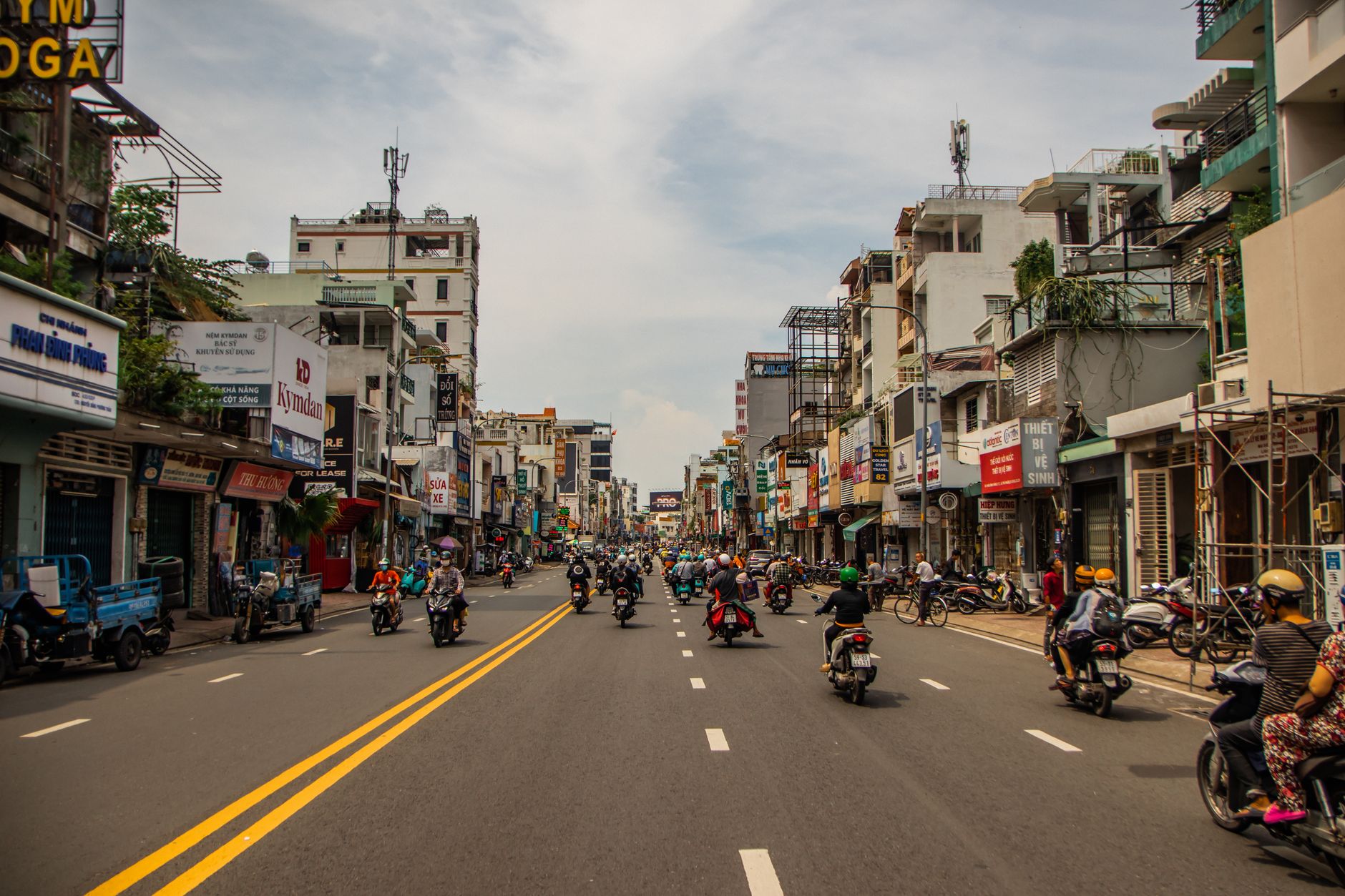
My first impression of Ho Chi Minh City was a symphony of motorbike horns and a humid warmth that felt like a gentle embrace. Most international arrivals will land at Tan Son Nhat International Airport (SGN), and from there, the easiest way into the city center is usually by taxi or ride-sharing app like Grab. I find that pre-booking or using the official airport taxi queues helps ease that initial transition, letting you soak in the sights rather than wrestling with logistics.
District 1 often feels like the city’s beating heart, especially for those finding their bearings. Its familiar landmarks act as quiet anchors amidst the city’s lively pulse. Ben Thanh Market will likely pull you in. It’s a lively spot where I love to watch the rhythm of trade, from the heaps of fragrant spices to the vibrant silks. Even without a shopping list, wandering its aisles is a rich experience – the scent of coffee, the chatter of vendors, the flash of a dragonfruit. It offers a glimpse into how daily life unfolds here. A short distance away, the French colonial heritage of the city is palpable around the Notre-Dame Cathedral Basilica of Saigon and the Central Post Office. These elegant buildings stand with a quiet dignity against the city’s rush, and I often seek out a bench nearby, finding a gentle pause in watching the world carry on.
In the evenings, I appreciate the calming transformation of Nguyen Hue walking street. What is a busy thoroughfare by day becomes a pedestrian-friendly promenade, lively with families and couples strolling, enjoying the evening air. It’s a lovely place to experience the city’s social rhythm without the constant whir of traffic. For those curious about a different kind of evening energy, the Bui Vien backpacker strip is also in District 1. While its neon and open-air bars aren’t quite my preferred pace, Bui Vien is undeniably a lively thread in the city’s tapestry, showing a different side of how people connect here.
Navigating the Streets: Embracing the Flow

The legendary scooter traffic of Ho Chi Minh City is often the first thing people mention. It truly is a flowing river, an endless, intricate dance that seems chaotic but follows its own deep logic. For a walker, this can feel daunting at first. My advice, refined over a few visits, is to learn the rhythm. Don’t wait for a complete break in traffic; it rarely comes. Instead, step out with a steady, predictable pace, making eye contact with approaching riders. They are remarkably adept at weaving around you, but sudden stops or changes in direction can be risky. It feels counter-intuitive, but a calm, consistent stride is often the safest approach.
For longer distances, or when the midday heat calls for a break, Grab is wonderfully convenient. You can easily book a motorbike taxi (GrabBike) for a thrilling, wind-in-your-hair experience, or a Grab car if you prefer air-conditioned comfort. I find the prices very reasonable, and it removes the need to negotiate fares. And if you’re craving a local dish but not keen to venture out, Grab Food brings the city’s flavors right to your door.
The new metro system is slowly expanding, and while it’s not yet a primary way to crisscross the city, it offers a quiet respite from the surface traffic on some routes. For now, much of the city’s character is found in the hum of motorbikes and the mindful walks through its vibrant lanes.
Exploring History and Reflection

Ho Chi Minh City holds Vietnam’s recent history close, and visiting its key sites offers a deeply moving and essential way to understand the country’s story. The War Remnants Museum is, as expected, a profound and challenging experience. The exhibits, which document the horrors of the Vietnam War from a Vietnamese perspective, are graphic and emotionally intense. I found it essential to approach this visit with a quiet reverence, allowing time for reflection and understanding. It’s not a place for quick tourism, but for a deep, respectful engagement with human history.
In a different, but equally significant way, the Reunification Palace (also known as the Independence Palace) invites reflection. This architectural landmark served as the home and workplace of the President of South Vietnam during the war, and its gates were famously breached by North Vietnamese tanks in 1975, marking the end of the conflict. Walking through its preserved rooms, from the grand reception halls to the underground command center, offers a fascinating glimpse into a pivotal moment in the nation’s past. Its mid-century design and furnishings feel frozen in time, prompting quiet thoughts about the pivotal moments that happened there.
Beyond these larger sites, I find calm in smaller, local pagodas like the Jade Emperor (Phuoc Hai Tu). They offer quiet havens for reflection, often tucked away amidst residential streets, with their intricate carvings, burning incense, and the gentle murmur of prayers. They are places where everyday life and spiritual practice intertwine, offering a glimpse into the local soul.
The Flavors of Ho Chi Minh City

One of the most delightful ways to connect with Ho Chi Minh City is through its food. The city pulses with flavors, from sizzling street stalls to serene cafes, each bite telling a part of Vietnam’s delicious story. I always begin my days with a strong Vietnamese iced coffee, ca phe sua da, a dark roast brewed with a drip filter, sweetened with condensed milk, and poured over ice. It’s a bracing, comforting start to the day, especially when savored from a low plastic stool as the city stirs.
For breakfast, nothing quite compares to a steaming bowl of pho. While known globally, experiencing it fresh from a local stall, with its aromatic broth, tender noodles, and a generous plate of fresh herbs to add, is an entirely different joy. Another cornerstone meal is com tam, or broken rice. Served with grilled pork (suon nuong), a fried egg, and pickled vegetables, it’s a comforting, satisfying plate – a testament to the ingenuity of Vietnamese kitchens.
And then there’s the banh mi. This delicious sandwich, a flavorful echo of French colonialism, is always a delight. A crusty baguette filled with various savory meats (often pork pâté, cold cuts, or grilled chicken), fresh herbs like cilantro, pickled vegetables, and a hint of chili, it’s a beautiful interplay of textures and tastes. I’ve found some of the most delicious banh mi from unassuming street vendors, where the turnover is high and the ingredients are always fresh.
The truest flavors are often found by simply wandering, letting your nose lead you to hawker centers or a bustling residential street stall where locals gather. Don’t be shy; point to what looks good, or learn a few basic phrases. The warmth and generosity of the street food vendors are often as memorable as the dishes themselves.
Day Trips Beyond the City’s Edge

While Ho Chi Minh City itself offers so much, stepping just beyond its edges reveals other sides of Southern Vietnam. Two day trips gently pull visitors away: the Cu Chi Tunnels and the Mekong Delta, each offering distinct lessons in history and natural beauty.
A visit to the Cu Chi Tunnels offers a vivid, at times confronting, glimpse into the resourcefulness and endurance of Viet Cong soldiers during the war. This vast network of underground tunnels served as living quarters, supply routes, and even hospitals. Walking through the jungle terrain above, and for those who choose to, descending into a section of the narrow, claustrophobic tunnels, provides a tangible connection to a challenging chapter of history. It’s a place that forces you to reckon with difficult truths, and I found myself reflecting on the profound human will to endure. Most tours offer respectful guidance, ensuring visitors gain both context and understanding.
Further south, the Mekong Delta unfolds, a world away from the city’s pulse. Known as Vietnam’s “rice bowl,” it’s a serene mosaic of winding rivers, narrow canals, and vibrant green fields. A day trip typically involves cruising along waterways in a traditional sampan boat, visiting local villages, and sampling fresh tropical fruits. I particularly enjoy observing the gentle pace of life here, so different from the city, watching local farmers, fishermen, and fruit vendors go about their daily routines. It’s a place where you can slow down, breathe deeply, and appreciate the natural rhythms of life. Many well-regarded tour operators in District 1 offer organized day trips, taking care of the details so you can simply absorb these impactful places. Reputable tour booking platform for Vietnam day trips. Explainer: Booking a well-regarded tour can simplify logistics for day trips to Cu Chi or the Mekong Delta, ensuring reliable transport and informed guides, which is especially helpful for first-time visitors in a new country.
More to Do: Cholon, Skyline Views and Coffee
Around the cathedral, the Central Post Office has a vaulted hall designed in the era of Gustave Eiffel. The cathedral is often under restoration, so expect scaffolding. The Opera House and tree-lined Dong Khoi street complete the colonial core of District 1.
After dark, Ben Thanh Market is ringed by a night market. For a less tourist-facing side of the city, head to Cholon, the Chinatown of District 5, for the large Binh Tay Market and the incense-filled Thien Hau Temple.

Two towers give a view over the sprawl and the winding Saigon River. The Saigon Skydeck in the Bitexco Financial Tower was the classic, and Landmark 81, the tallest building in Vietnam, now has an upper-floor observation deck and cafés. Sunset is the time to go.
Beyond ca phe sua da, try egg coffee, a northern import, and ca phe muoi (salt coffee), a local favourite. On the food side, add a bowl of hu tieu and fresh spring rolls to the dishes above.
On a Mekong Delta day tour, boats usually head into the coconut-palm channels around My Tho and Ben Tre, past floating markets, orchards and villages that make coconut candy and rice paper. It is an easy there-and-back day from the city.
Practicalities and Mindful Travel

A few practical considerations can smooth your way in Ho Chi Minh City. The tropical climate means heat and humidity are constant companions. Staying hydrated is essential. I always carry water, and often welcome the cool embrace of an air-conditioned cafe for a mid-day pause. I often carry a light scarf or umbrella to shield myself from the midday sun, a common practice among locals.
Navigating a new city also means being aware of your surroundings. While generally safe, petty theft, especially bag snatching by motorbike riders, can occur. I always keep my bag securely slung across my body and away from the street side, minimizing anything valuable being easily accessible. It’s also wise to be discerning with offers that seem too good to be true, particularly regarding street vendors or unsolicited tour guides. A polite but firm “no, thank you” is usually sufficient.
Staying connected is easy. While local SIMs are widely available, an eSIM can be wonderfully convenient, letting you land with data already active – a small ease for your arrival. International eSIM provider. Explainer: An eSIM provides immediate data connectivity upon arrival, allowing easy access to maps, ride-sharing apps, and communication without the hassle of finding a local SIM card.
Finally, consider travel insurance. While we hope for smooth journeys, unexpected medical needs or travel disruptions can arise. Good insurance offers a quiet sense of security, freeing you to explore without undue worry. Comprehensive travel insurance for Southeast Asia. Explainer: Travel insurance offers crucial protection against unforeseen events like medical emergencies, trip cancellations, or lost belongings, which can be invaluable when traveling internationally.
Finding Your Own Gentle Pulse in Saigon

Ho Chi Minh City is a place that gently calls for you to engage with it. It asks you to observe, to listen, and to participate in its rhythm. It isn’t always quiet or predictable, but in that very energy lies its charm. For me, travel to places like Saigon is about embracing the unfamiliar, allowing myself to be a little uncomfortable sometimes, and finding the beauty in the everyday flow of life.
I find that letting go of a strict “box-ticking” list, and instead allowing myself to simply be present, opens the door to deeper, more personal encounters. Watch the street vendors prepare their dishes with practiced grace. Observe the families congregating in parks in the evenings. Let the aromas of street food and blooming jasmine wash over you. When you do, you’ll discover that Ho Chi Minh City offers more than sights; it offers a profound sense of life, a gentle hum that lingers long after you’ve left. It’s a city that quietly teaches you to move with its flow, to find your own calm within its vibrant energy, and to appreciate the subtle shifts it creates within you.
Frequently asked questions
What's the best way to get around Ho Chi Minh City?
For most visitors, Grab (both motorbike and car services) is the most convenient and affordable way to navigate the city, especially for shorter distances. Walking is possible in District 1, but prepare for the heat and constant scooter traffic.
What are some must-try foods in Ho Chi Minh City?
Don't miss a steaming bowl of pho, a hearty plate of com tam (broken rice), a fresh banh mi sandwich, and, of course, a strong Vietnamese iced coffee (ca phe sua da). Seek out local hawker stalls and small cafes for authentic flavors.
Is Ho Chi Minh City safe for first-time travelers?
Ho Chi Minh City is generally safe, but like any large city, it requires awareness. Be mindful of your belongings, especially on busy streets, and use reputable transportation services like Grab. Petty theft like bag snatching can occur, so keep valuables secure.
What's the best area to stay for a first-time visitor?
District 1 is often recommended for first-timers as it offers easy access to many major landmarks, restaurants, and transportation options. Areas around Ben Thanh Market or Nguyen Hue walking street are popular choices, providing a good balance of activity and convenience.
How can I avoid getting overwhelmed by the traffic and crowds?
Embrace a slower pace. Take breaks in air-conditioned cafes, spend time people-watching from a quiet corner, and consider starting your days early to experience places before the busiest crowds arrive. Learn the art of gently crossing the street – confident and steady rather than hesitant.
Keep reading on Gently Yonder
- What Counts as Rude in 12 Cultures Goffman, Hofstede, and twelve country case studies for international travellers.
- Best eSIM for Japan, Korea & Vietnam Destination-by-destination eSIM picks for three popular Asian countries.
- Klook vs Viator vs GetYourGuide Which tours-and-activities platform to use where — Asia, Europe, and global.
- Hanoi: A First-Timer's Guide The Old Quarter, Hoan Kiem Lake, egg coffee and pho, and Ha Long day trips.
- Hoi An: A First-Timer's Guide The lantern-lit Old Town, the Japanese Bridge, tailors and An Bang Beach.