Hoi An, nestled along Vietnam’s central coast, often feels like a quiet invitation. Its Ancient Town, a UNESCO World Heritage site, holds a quiet charm that encourages slowing down. For a first-timer, I find myself drawn to the Thu Bon River’s current, watching lanterns glow at dusk, discovering the quiet rhythms of life. It’s a place that rewards patience, offering more than just a list of sights to see.
No one pays to be recommended here, and we say when a free or cheaper option wins. Our promise →
In this guide7 sections
Stepping into the Ancient Town

The heart of Hoi An is its Ancient Town, a beautifully preserved trading port where centuries of stories linger. When I first walk its cobblestone streets, especially in the quieter morning hours before the day fully awakens, I feel a sense of stepping back in time, the sounds of modern life fading into the background. The architecture here is a unique blend of Vietnamese, Chinese, and Japanese influences, a legacy of the merchants who once thrived along the Thu Bon River. My favorite way to explore is simply on foot, allowing myself to wander without a strict plan.
One of the most iconic sights is the Japanese Covered Bridge, a symbol of Hoi An, with its intricate carvings and small temple inside. It connects various histories, much like the town itself. Further into the Ancient Town, you’ll find impressive assembly halls, such as the grand Phuc Kien (Fujian) Assembly Hall, with its vibrant courtyards and ornate altars, and merchant houses like the Tan Ky Old House, which offers a glimpse into family life from centuries ago. In the evenings, the town transforms. Thousands of colorful silk lanterns illuminate the lanes, casting a warm glow over everything. I often find a quiet spot along the riverbank, watching the lantern boats drift by, and simply lose track of time. This soft light creates an atmosphere that encourages quiet reflection rather than hurried movement.
Hoi An’s Flavors: A Culinary Journey
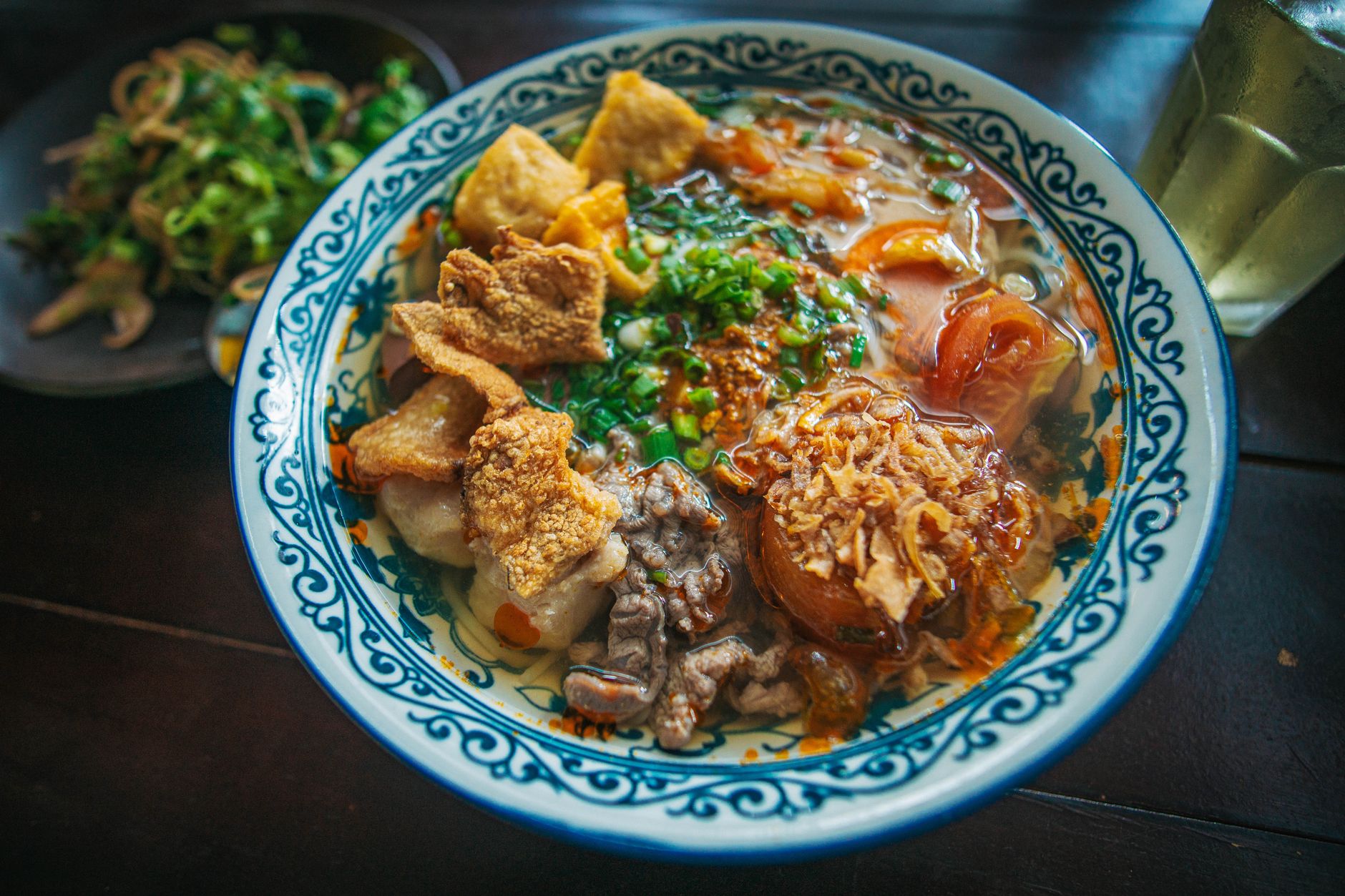
Hoi An’s food is a distinct pleasure, deeply rooted in its region. Unlike other parts of Vietnam, the city has several dishes uniquely its own, making each meal a quiet discovery. I believe understanding a place often begins with tasting its food, and Hoi An’s flavors are truly distinct.
One dish you will encounter everywhere is cao lau, a noodle dish found only in Hoi An. Its distinct texture comes from noodles traditionally made with water drawn from a specific local well and ash from an endemic tree. Served with tender slices of pork, fresh greens, and crispy croutons, it’s a harmonious blend of textures and flavors. Another local specialty is white rose dumplings (bánh bao vac), delicate, translucent dumplings resembling tiny flowers, typically filled with spiced minced shrimp or pork and served with a sweet dipping sauce. These small, elegant bites showcase the town’s refined culinary traditions. For a quick and satisfying meal, bánh mì Phượng is famous for its generous and flavorful sandwiches, though many smaller street stalls offer their own excellent versions of bánh mì. Don’t overlook cơm gà (chicken rice), a simple yet incredibly satisfying dish of shredded chicken, fragrant rice, and herbs, often served with a light broth. I enjoy seeking out the smaller, family-run eateries where these dishes are prepared with generations of care, often by hands that have perfected the craft over decades.
Beyond the Ancient Walls: Beaches and Tailors

While the Ancient Town captivates with its history, Hoi An also invites you to embrace the quieter pace of coastal life. A short bicycle ride or a quick Grab ride from the town center will take you to the nearby beaches. An Bang Beach is a popular choice, known for its soft sand and the gentle rhythm of the waves. Here, I enjoy finding a comfortable chair at one of the small beachfront cafes, sipping on a fresh coconut, and simply watching the world go by, feeling the gentle sea breeze on my face. It’s a peaceful contrast to the town’s bustling lanes. Cua Dai Beach, though affected by erosion in recent years, still offers stretches of sand for a morning stroll or a quiet moment by the sea. These coastal areas provide a welcome change of scenery and an opportunity to feel the sea breeze.
Beyond the natural landscapes, Hoi An is renowned for its tailoring. The town is dotted with fabric shops and tailors offering custom-made clothing, from suits and dresses to shoes and bags. If you have a specific design in mind or simply want to experience having something made just for you, it can be a rewarding experience. I’ve found it best to arrive with a clear idea of what you’re looking for and to allow enough time for at least one fitting. It’s a process that encourages thoughtful consideration of fabric and design, a different kind of craft from the lanterns.
Navigating Hoi An & Its Rhythm

Getting around Hoi An is part of its charm. The Ancient Town is largely car-free, especially in the evenings, making walking the most natural and enjoyable way to explore its narrow alleys and riverfront promenades. I often find that walking allows me to notice small details I might otherwise miss – the intricate carvings on an old door, a vendor meticulously arranging their wares, or the scent of incense drifting from a temple. For slightly longer distances, bicycles are widely available for rent and offer a wonderful sense of freedom to explore the wider area, including the rice paddies and the path to An Bang Beach. For convenience, or when the heat becomes too much, Grab rides are easy to find.
The town also observes a distinctive cultural rhythm. One of Hoi An’s most captivating events is the Full Moon Lantern Festival, held on the 14th day of each lunar month. During this time, the Ancient Town switches off its electric lights, and the streets glow solely by the light of thousands of colorful lanterns. Locals and visitors release small paper lanterns into the Thu Bon River, making wishes as they float downstream. It’s an atmospheric evening, filled with reverence and shared wonder. Remembering to secure reliable connectivity for maps and ride-hailing apps can be helpful here. eSIM for international travel An eSIM can help you stay connected without searching for local SIM cards, offering a way to navigate and communicate easily, letting you fully immerse yourself.
Exploring Further: My Son and Da Nang

While Hoi An offers much to discover, the surrounding region holds its own historical and modern appeals. For those interested in ancient history, visiting the My Son Sanctuary is a moving experience. These UNESCO-listed ruins are a collection of Hindu temples, built by the Champa Kingdom between the 4th and 14th centuries. Walking among the ancient brick towers, nestled in a valley surrounded by mountains, I feel a deep connection to a civilization long past. It’s a quiet and contemplative place, best visited early in the morning to avoid the heat and larger crowds.
Another day trip option, offering a contrast to Hoi An’s ancient charm, is the bustling city of Da Nang. Just a short drive away, Da Nang offers a modern Vietnamese cityscape with impressive bridges, a long beach, and vibrant life. Here, you might visit the Marble Mountains, a cluster of five limestone and marble hills filled with caves and pagodas, offering panoramic views. While Da Nang has its own appeal, I often find myself drawn back to Hoi An’s quieter pace by the end of the day. For longer excursions like these, considering how you’ll plan your journey and secure your place is useful. platform for booking local tours and excursions Using a reputable platform to book guided tours to places like My Son or transport to Da Nang can help simplify your plans and contribute to a smoother experience.
Finding Your Own Gentle Rhythm
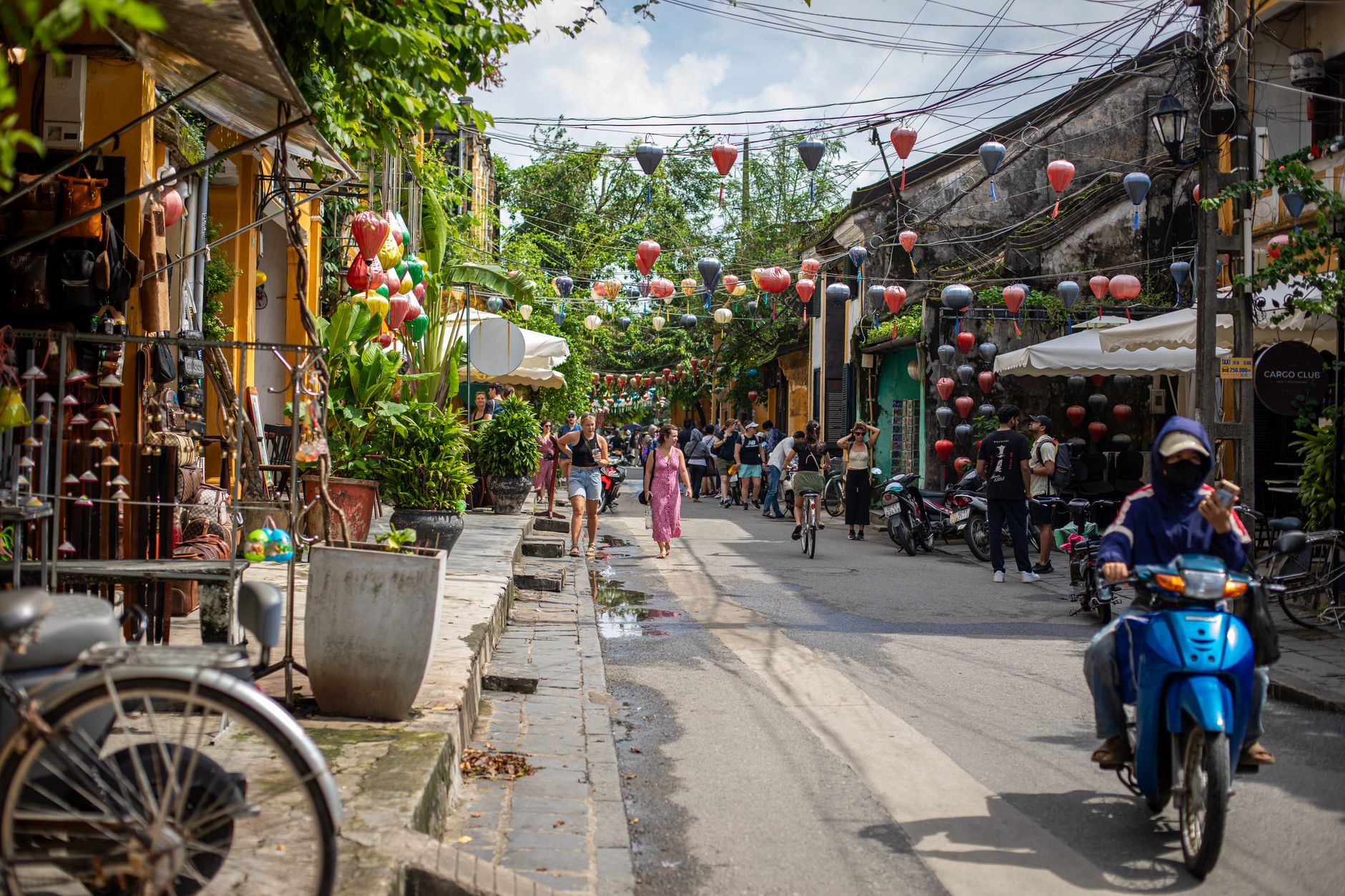
Hoi An, for me, isn’t about rushing to see everything; it’s about feeling a place. It’s in the quiet moments: the scent of woodsmoke and incense on a morning stroll, the soft glow of lanterns reflecting on the Thu Bon River, the shared smile with a vendor as you try a new dish. It teaches a gentler way to travel, where observing and simply being matter more than collecting experiences. As you plan, remember that the deepest experiences often come from simply being open to what unfolds. And, for any journey, it’s wise to prepare for the unexpected. comprehensive travel insurance for Vietnam Having good travel insurance in place can offer coverage for potential travel disruptions or medical emergencies, providing peace of mind as you focus on the experience itself. This can help you face the unexpected with quiet assurance, ready for whatever your path may hold.
Frequently asked questions
What is the best way to get around Hoi An Ancient Town?
The Ancient Town is best explored on foot, especially in the evenings when many streets are car-free. Bicycles are also a popular and gentle way to see the wider area, and Grab is available for longer distances or when you prefer a vehicle.
Is Hoi An a good destination for food lovers?
Absolutely. Hoi An is renowned for its distinctive regional dishes like cao lau, white rose dumplings, and banh mi. Taking time to discover the local eateries and street food stalls is a highlight for many visitors.
How many days should I spend in Hoi An?
To experience the Ancient Town's charm, enjoy the local cuisine, perhaps visit a beach, and consider a day trip to My Son or Da Nang, I find that three to four full days allow for a relaxed pace without feeling rushed.
What is the Full Moon Lantern Festival?
On the 14th day of each lunar month, Hoi An celebrates by turning off electric lights in the Ancient Town and lighting thousands of colorful lanterns. It's a particularly atmospheric time to wander the streets and by the Thu Bon River.
Can I get clothes tailored in Hoi An?
Yes, Hoi An is very well known for its tailors. Many shops offer custom clothing, from suits to dresses, often with a quick turnaround. I recommend having a clear idea of what you want and allowing time for fittings to ensure satisfaction.
Keep reading on Gently Yonder
- 14 Untranslatable Words Saudade, komorebi, sisu — words that resist English and what they teach travellers.
- Best eSIM for Japan, Korea & Vietnam Destination-by-destination eSIM picks for three popular Asian countries.
- Rent a Boat Without a License Where you can legally rent a boat with no license, country by country, and how to find one.
- Hanoi: A First-Timer's Guide The Old Quarter, Hoan Kiem Lake, egg coffee and pho, and Ha Long day trips.
- Ho Chi Minh City: A First-Timer's Guide Ben Thanh Market, the War Remnants Museum, coffee culture, and the Cu Chi Tunnels.