“How much will Japan cost?” is one of those questions with an honest answer of “it depends” — but that answer is useless when you are trying to plan. So let me give you a way to think about it instead: the main cost buckets, realistic daily ranges for different styles, and where a little money genuinely changes the trip. Treat every figure here as a rough, approximate guide rather than a quote — prices move, the yen moves, and you should confirm anything specific close to your dates.
No one pays to be recommended here, and we say when a free or cheaper option wins. Our promise →
In this guide8 sections
The big fixed costs, before you land

Two things dominate before daily spending even starts: your flight and your rail travel between cities.
International airfare is the single most variable line. It swings with season, how far ahead you book, and where you fly from, so the most useful move is to start watching fares early and stay flexible on dates rather than fixating on a single number. Comparing across a whole month usually beats picking one day — a fare tracker like Aviasales makes that painless. The season matters more than people expect: cherry-blossom April and foliage November are the two most expensive windows to fly and to sleep, and our season guide explains which cheaper months give up surprisingly little.
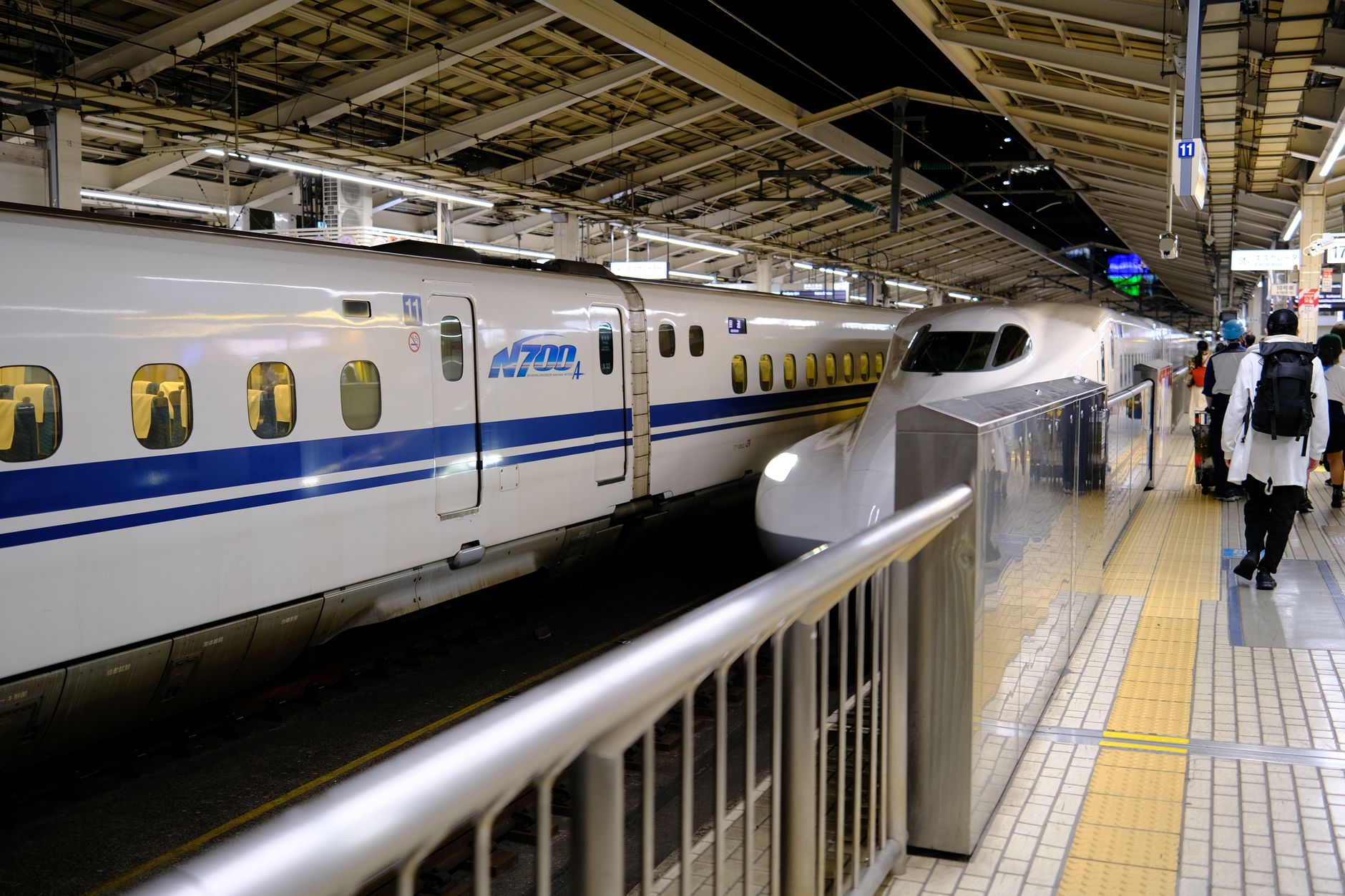
Intercity rail is the other big one. A reserved seat on the Tōkaidō Shinkansen between Tokyo and Kyoto runs around ¥14,000 each way — roughly ¥28,000 for the classic round trip — and if you are hopping between several cities the total adds up quickly. This is where rail passes may or may not pay off: the nationwide 7-day JR Pass now costs ¥50,000, which needs more than a Tokyo–Kyoto round trip to justify. We walk through the break-even maths, route by route, in our JR Pass guide — do that ten-minute exercise before assuming you need one, because for the standard one-way Tokyo-to-Osaka route, individual tickets usually win.
Daily spending: three honest tiers

Once you are in the country, day-to-day costs fall into loose bands. These are broad, per-person, per-day ranges for a couple of travellers sharing a room, excluding the flight and long-distance rail above. Prices move and peak weeks distort everything, so treat the yen figures as orientation rather than a quote.
-
Careful / budget — very roughly ¥8,000–12,000 a day: hostels and capsule hotels (often around ¥3,000–5,000 a night), convenience-store breakfasts, standing noodle bars, and the gyūdon chains — Yoshinoya, Sukiya, Matsuya — where a beef bowl still costs about ¥500. Fill the days with shrines, parks, and neighbourhoods, which are mostly free. You can keep a day lean this way without feeling deprived; Japan is unusually kind to budget travellers because the cheap food is genuinely good.
-
Comfortable / mid-range — very roughly ¥15,000–25,000 a day: a business hotel from a reliable chain like Toyoko Inn or Dormy Inn (typically in the ¥8,000–14,000 range for the room outside peak dates, higher in central Tokyo), a mix of casual restaurants — a neighbourhood ramen bowl runs about ¥800–1,200, a set-menu teishoku lunch around ¥1,000 — paid attractions most days, and taxis when it makes sense. This is where most first trips land.
-
Relaxed / higher — ¥30,000 a day and upward: well-located hotels or a proper ryokan with dinner and breakfast included (typically starting around ¥20,000–30,000 per person and climbing), restaurants chosen for the experience rather than the price, guided experiences, and few compromises. The ceiling here is as high as you want it to be.
The gap between the budget and comfortable tiers is real but not enormous; the gap between comfortable and relaxed is mostly accommodation and dining choices.
Where money actually changes the trip
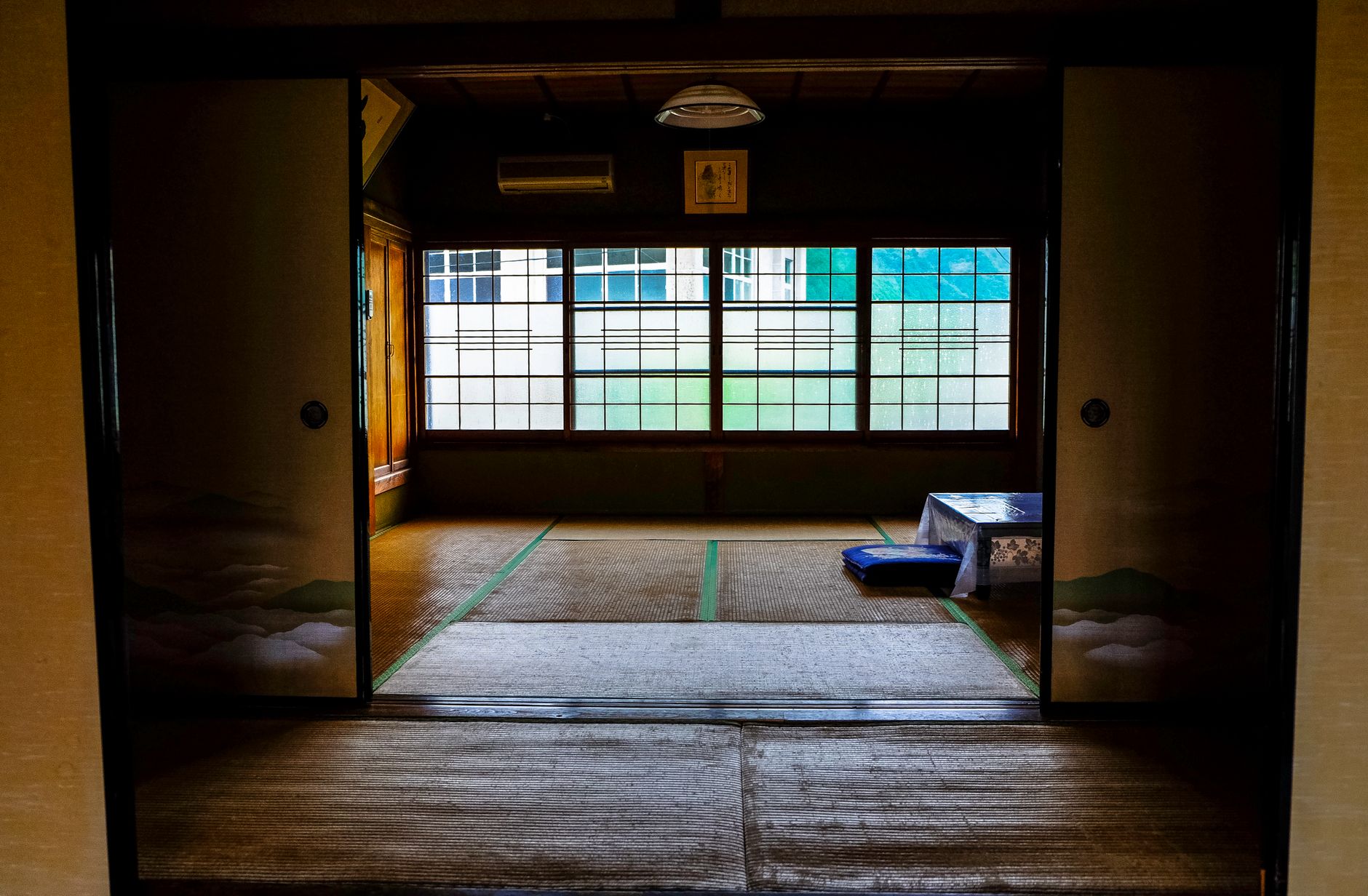
Not every extra thousand yen buys the same amount of trip, and this is where I would steer your budget if you asked me over coffee. The single best upgrade in Japan is one ryokan night done properly — tatami, an onsen bath, a kaiseki dinner that arrives course by course, and the particular quiet of a room where the futon appears while you are at dinner. One night delivers nearly all of the experience; three nights mostly deliver the same evening three times at three times the price.
Pricing the beds? Where to stay in Tokyo ranks 17 hotels by price tier, and our Kyoto guide includes the ryokan Tawaraya and Hiiragiya.
The second-best trick costs nothing extra: eat your ambitious meals at lunch. Many well-regarded restaurants — sushi counters especially — serve a midday set for a fraction of the dinner price, with the same counter and often the same chef. Spend the difference on a seat at the counter rather than a table; in Japan the counter is where the theatre is.
What is generally not worth stretching for: a marginally fancier business hotel (the extra money buys square metres you will barely use), taxis for journeys the trains do better, and souvenir shopping done at the airport instead of in the neighbourhoods. A well-located modest room beats a plush one in the wrong district every single time, because in Japan the city is the amenity.
The quiet money-savers
Japan rewards travellers who learn a few local habits, and none of them feel like sacrifice.
- Lunch sets are the national discount. The teishoku set — a main, rice, miso soup, pickles — is how working Japan eats, and it is the best value meal format in the country.
- Depachika, at the right hour. The food halls under the big department stores sell beautiful prepared food, and in the last hour before closing much of it is discounted with little stickers. Dinner from a depachika, eaten in your room or a park, is a genuine pleasure rather than a compromise.
- Trust the konbini. 7-Eleven, Lawson, and FamilyMart will happily be your breakfast for a few hundred yen — onigiri, decent coffee, egg-salad sandwiches with a cult following. Nobody in Japan considers this sad, and neither should you.
- Free views exist. Tokyo’s Metropolitan Government Building in Shinjuku has free observation decks with a skyline that paid decks charge serious money for; most shrines cost nothing at all; and entire famous neighbourhoods — Asakusa, Gion, Harajuku — are free to walk.
- Forward the big bag. Takkyūbin luggage forwarding sends your suitcase hotel-to-hotel, usually overnight, for roughly ¥2,000–3,000 a bag — cheaper than a taxi you would otherwise take, and it turns Shinkansen days into carry-on days.
The smaller lines that add up
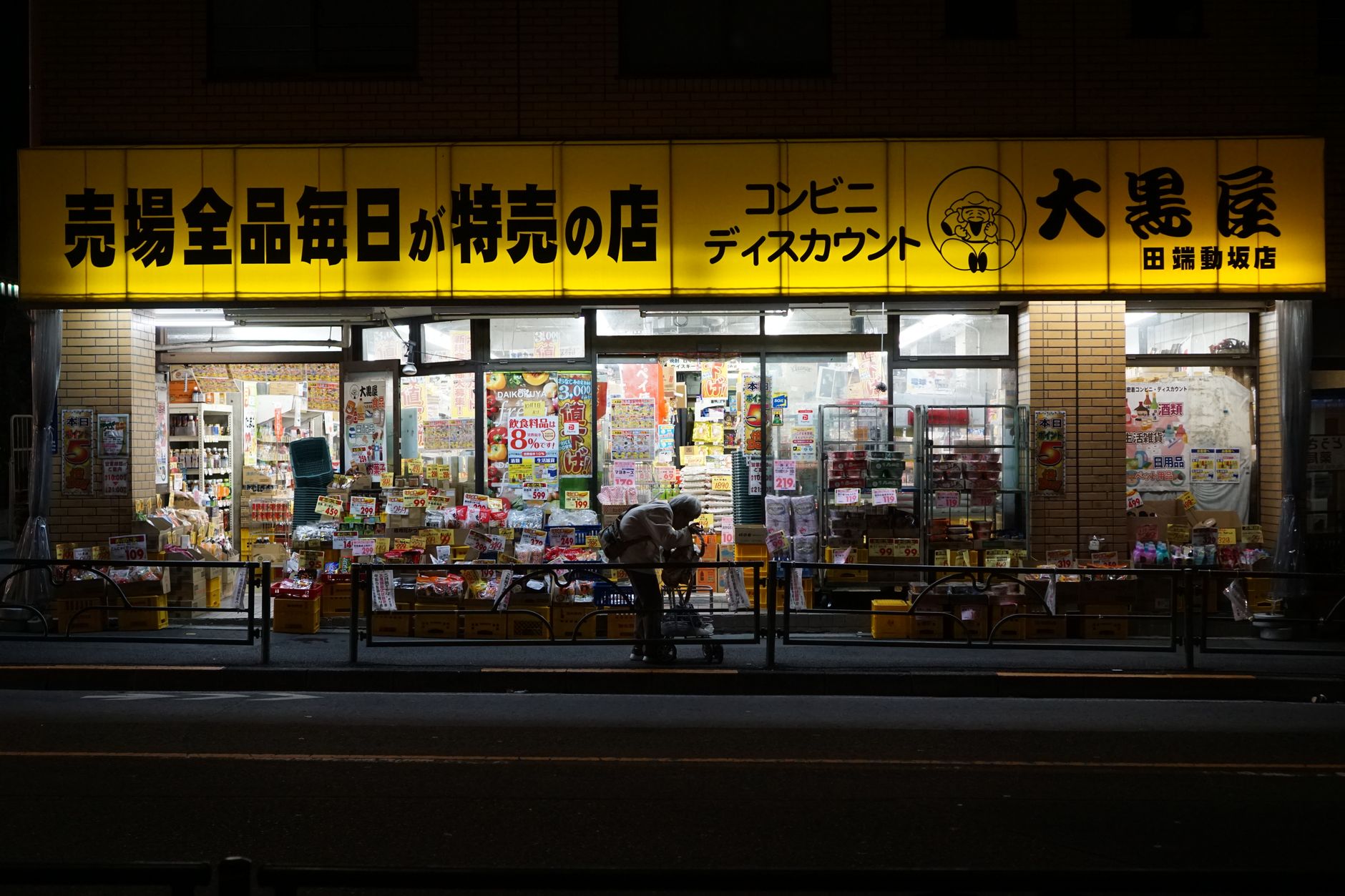
- Food is where Japan pleasantly surprises people: a satisfying bowl of ramen or a convenience-store meal costs little, so you only spend big when you choose to.
- Local transport within a city is modest per ride but frequent — Tokyo metro fares start around ¥180 — and the rides multiply faster than you expect. An IC card makes it painless (our Suica & Pasmo guide covers the setup, including putting one on your phone), and day passes sometimes help. Taxis are the quiet budget-eater: the Tokyo meter starts around ¥500 and climbs briskly, so save them for late nights and luggage days.
- Attractions are individually inexpensive to moderate — temple and garden entries mostly run ¥300–600, while the big modern draws like teamLab are a few thousand yen and best booked ahead. City sightseeing passes can save money if you visit a lot in a short window; we did the maths in our sightseeing passes guide.
- Connectivity and cover: a travel eSIM for data and travel insurance are small relative to the trip and worth budgeting in rather than skipping. An eSIM from Saily or Airalo costs less than one taxi ride (our Japan eSIM guide compares plans), and an EKTA insurance quote takes minutes — see our Japan insurance guide for what actually matters in the fine print.
- One small gear note: your phone becomes map, translator, wallet, and train pass at once, and it will not survive a Japan sightseeing day on one charge. A pocket power bank such as the Anker PowerCore 10000 is a one-time cost that pays for itself the first evening you are far from the hotel at 15%.
Cash, cards, and the yen
Japan’s cash-only reputation is a decade out of date in the cities — cards and IC-card payments are accepted almost everywhere a tourist goes — but not entirely dead: small temples, some ramen counters and market stalls, and rural spots still want notes. The comfortable pattern is a modest cash float of ¥10,000–20,000, topped up as needed; convenience-store ATMs (7-Eleven’s especially) reliably take foreign cards, so there is no need to carry a fortune or exchange money at the airport at poor rates. We wrote a short, practical guide to how much cash to carry in Japan if you want the details.
On the exchange rate: the yen has spent recent years historically weak against the dollar and the euro, which is a large part of why Japan has felt like such good value to visitors. Rates move, though, and a swing of ten percent quietly rewrites every number in this article — worth a glance at the live rate while you budget, and one more reason to build your own total rather than borrow someone else’s.
A sample week, framed honestly
For a first-timer’s week split between Tokyo, Kyoto, and Osaka — the shape of our 7-day itinerary — the arithmetic assembles like this: your flight, plus roughly ¥28,000 of Shinkansen if you loop back to Tokyo (or around half that one-way to Osaka), plus seven days at whichever daily tier fits your style, plus a modest buffer for the attractions and small extras that always appear. A couple travelling at the comfortable tier, for example, is looking at somewhere around ¥120,000–180,000 per person on the ground for the week before flights — but that range is exactly why I would rather hand you the parts than the total. Move one slider — hostels instead of hotels, one ryokan night, peak cherry-blossom dates — and the number changes by a third.
Build yours from the parts. It takes ten minutes, it survives contact with reality, and it gives you a number you can actually trust rather than a stranger’s average.
The reassuring truth is that Japan flexes to your budget more gracefully than most destinations. The cheap version is comfortable and the food is still excellent; the expensive version is genuinely special. Decide which lines matter most to you, spend there, and be relaxed about the rest.
Frequently asked questions
What are the biggest costs of a trip to Japan?
International airfare and intercity rail (such as the Shinkansen between Tokyo, Kyoto, and Osaka) usually dominate. Both are variable, so it pays to watch flight fares early and to check whether a rail pass beats individual tickets for your specific route.
Is Japan expensive for budget travellers?
Japan is unusually kind to careful travellers because the inexpensive food — convenience stores, standing noodle bars, gyūdon chains — is genuinely good, and many sights and parks are free. You can keep daily costs lean without feeling deprived.
How much should I budget per day in Japan?
It depends heavily on style. A careful budget day, a comfortable mid-range day, and a relaxed higher-end day are quite different, mostly in accommodation and dining. Build your estimate from those tiers and confirm current prices close to your dates.
Should I budget for an eSIM and travel insurance?
Yes. A travel eSIM for data and travel insurance are both small relative to the overall trip and worth including in your budget rather than skipping.
Keep reading on Gently Yonder
- How Much Cash Do You Need in Japan? Where cards work, where they don't, and how much yen to actually carry in 2026.
- How to Save Money on International Travel The seven levers that actually move the number — paying in local currency, eSIM over roaming, flexible dates, and the pass arithmetic.
- Is the Weak Yen a Bargain or a Trap? The yen makes Japan 20-30% cheaper — but taxes, dual pricing, and a tripled departure tax claw some of it back.
- Japan's Tourist Taxes in 2026 Kyoto's lodging tax rises from March 2026 (up to ¥10,000/night), which cities charge it, and the ¥3,000 departure tax.
- Japan Tax-Free Shopping Changes (Nov 2026) From 1 Nov 2026, pay the tax in-store and claim the 10% refund at the airport — the new process, the ¥5,000 rule, and what got simpler.
- Is the JR Pass Worth It in 2026? An honest calculation after the price rise — break-even itineraries and the alternatives.
- Travel Insurance for Japan Do you actually need it? Japanese healthcare costs, what policies cover, and honest picks.