No one pays to be recommended here, and we say when a free or cheaper option wins. Our promise →
In this guide8 sections
When I’m planning a trip to Japan, one question I always ponder is: are the various city sightseeing passes truly a good value? Across Tokyo, Kyoto, and Osaka, countless options beckon with promises of convenience and savings. My compass always points to two things: do these passes genuinely fit my travel rhythm, and do the numbers quietly add up?
Understanding the Different Types of Passes

In Japan’s major cities – Tokyo, Osaka, and Kyoto chief among them – you’ll find a spectrum of passes. While their aim is often to smooth out exploration, their coverage varies considerably. Broadly, they fall into a few categories. There are transport-focused passes, which might offer unlimited rides on certain subway lines or city buses for a set period. Then there are attraction-focused passes, which grant entry to a selection of museums, temples, or viewpoints. The third category combines both: transport and a set number of attractions. This variety itself invites a gentle, thoughtful consideration, ensuring you find what truly suits your path.
It’s worth noting that these passes almost always stay within their city limits. A pass for Tokyo won’t work in Osaka, and vice versa. Each city’s pass landscape has its own nuances, reflecting how its public transport is structured and what its most popular attractions are. For instance, Tokyo’s sprawling network leads to many different transport pass options, while Osaka often features passes designed around its entertainment and cultural sites. Kyoto, with its concentrated historical areas, has passes that focus heavily on bus and subway lines. Knowing precisely what a pass actually unlocks is the quiet foundation for deciding if it truly belongs in your journey.
The Math: How to Calculate Break-Even

This is where the quiet work begins. Before committing to any pass, I make a list. On one side, I write down every attraction I realistically want to visit within the pass’s validity period. Next to each, I note its individual entry fee. For transport, I estimate the number of rides I’ll take and their approximate cost. This might mean looking up individual train or bus fares between the places on my itinerary. This detailed planning is a gentle form of preparation, ensuring peace of mind later on.
Once I have a total for individual entry fees and estimated transport costs, I compare that sum to the price of the pass. It’s a simple equation, yes, but one that rewards a patient hand in gathering the specific numbers. For instance, if a two-day pass costs ¥3,500, but my planned individual entries and transport for those two days only amount to ¥2,800, then the pass isn’t saving me money. Conversely, if my individual costs tally up to ¥4,500, the pass offers a clear saving. This careful, grounded comparison – rather than simply an optimistic guess – is what truly illuminates a pass’s potential value. It helps to be realistic about how many places you can comfortably visit in a day. On my slower days, I usually find myself lingering at two or three major sites, always carving out time for a quiet coffee or a browse in a beloved bookshop in between.
When a Pass Might Make Sense
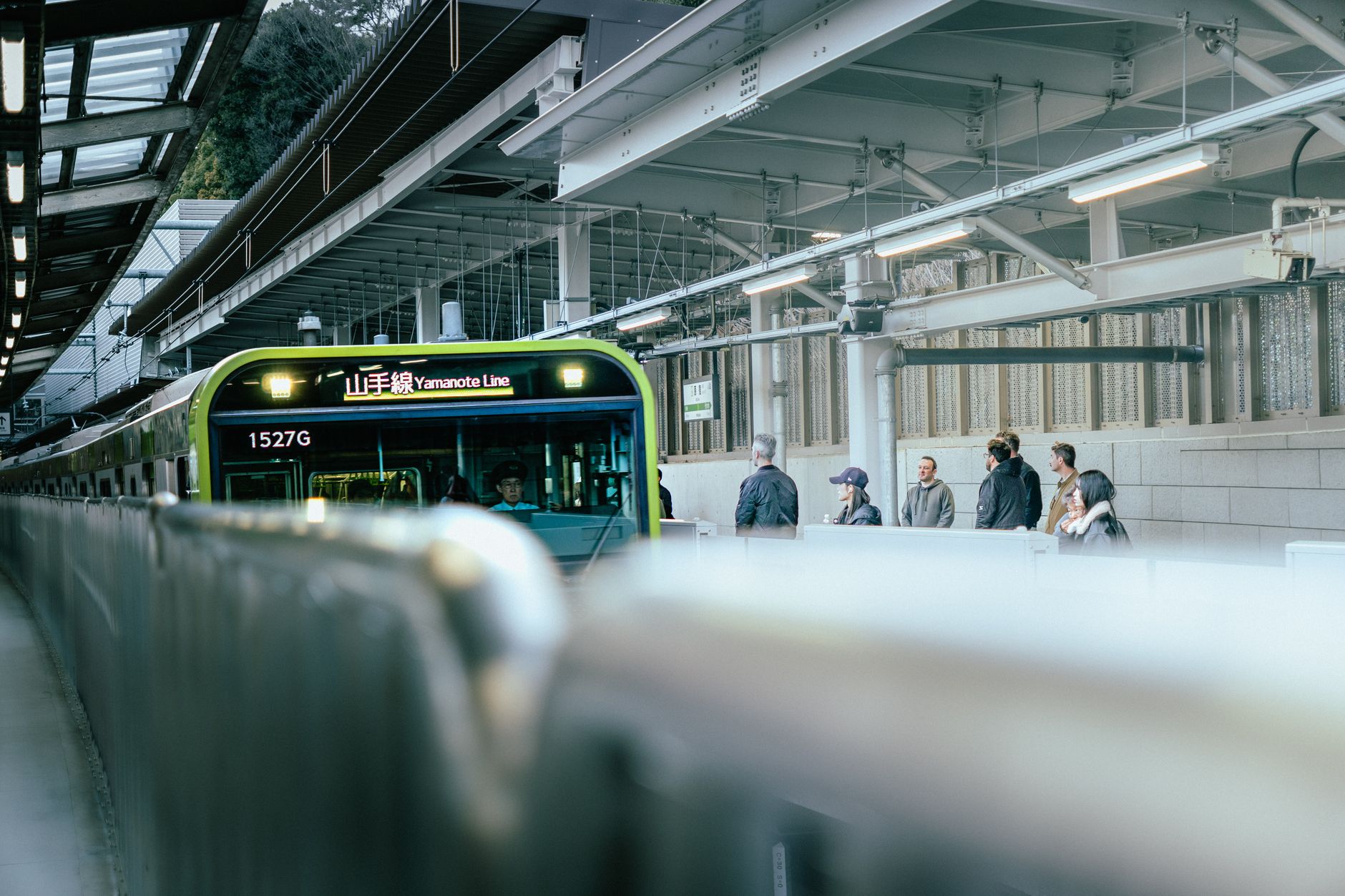
Certain travel rhythms and itineraries can indeed find genuine kinship with a pass. If your travel style leans towards efficient, active sightseeing, gracefully ticking off multiple attractions each day, a pass might be a good fit. This is especially true if many of the attractions you want to visit are included in a single pass and have relatively high individual entry fees. For example, if a pass covers several major museums, a castle, and a city observation deck, and you plan to visit all of them within a tight timeframe, the savings can add up quickly.
Another quiet advantage of passes lies in the sheer convenience they offer. Not having to buy individual tickets for each ride or attraction entry can simplify things considerably. It means less fumbling for change, fewer queues at ticket machines, and a smoother flow through your day. This reduction in small logistical tasks can free your mind to simply observe and absorb the beauty around you. For those who cherish this ease and welcome a slightly more structured unfolding of their days, a pass gently smooths away those small friction points. I’ve found that on days when I have a packed schedule, knowing my transport and entries are pre-paid can reduce a little mental load, allowing me to focus more deeply on the experiences themselves.
When Individual Tickets Are Smarter
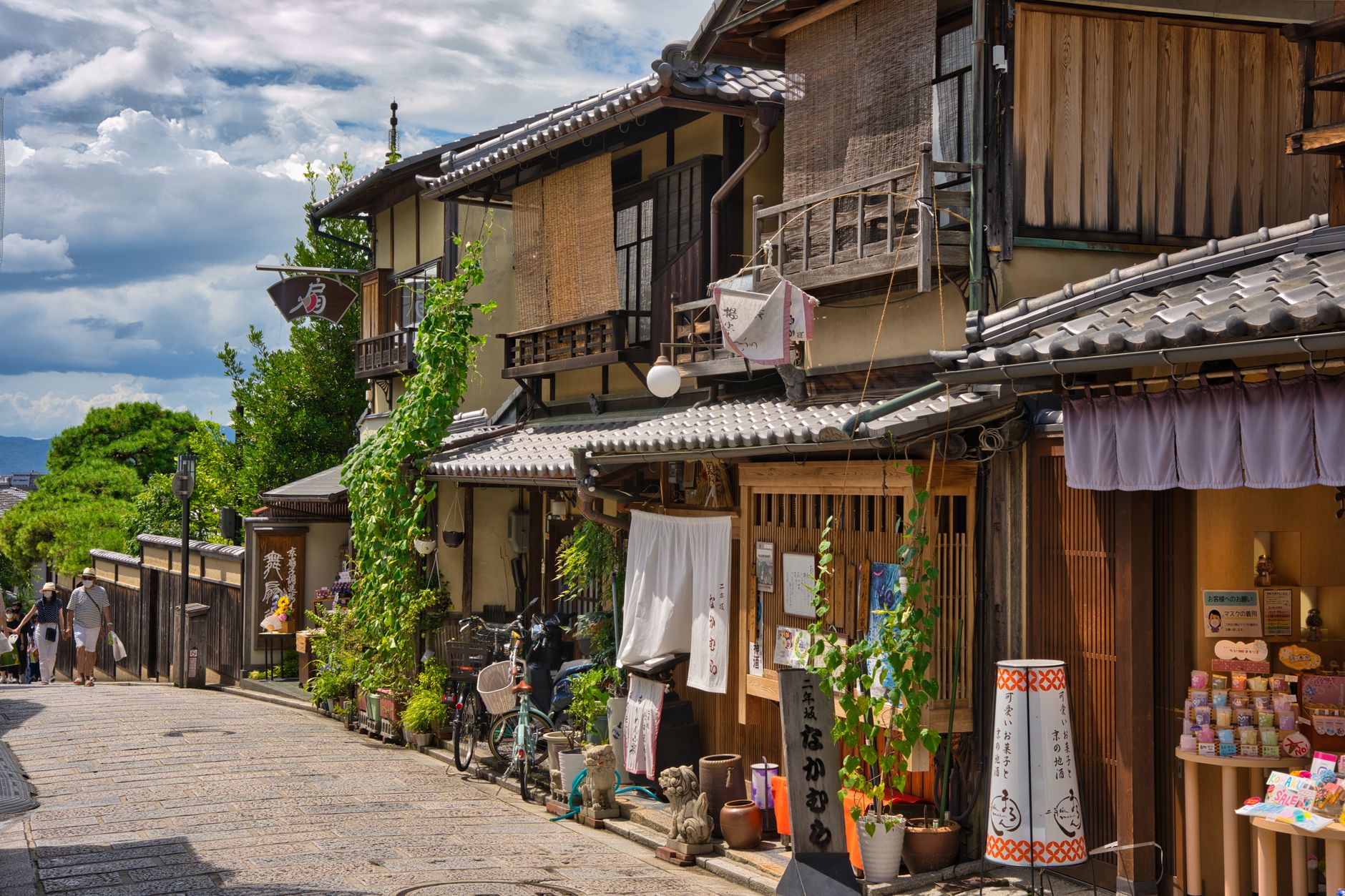
For many of us who prefer a gentler pace, buying individual tickets for transport and attractions often makes more sense. My own trips often involve long mornings at a local café, savoring a quiet moment with a book and a warming cup of green tea, watching the gentle rhythm of daily life outside. I find profound joy in lingering in quiet neighbourhoods, allowing my senses to guide me – perhaps following the scent of freshly baked bread or the soft chime of a temple bell, discovering hidden pathways and small, family-run shops without a fixed agenda. If your itinerary is flexible, or if you only have a few specific attractions in mind, a pass can quickly become an unnecessary expense.
If you enjoy exploring a single neighbourhood thoroughly, perhaps spending an entire afternoon immersed in the tranquil beauty of Ueno Park or wandering the hushed backstreets of Gion, your transport costs will be minimal, and you might only pay for one or two attractions, if any. Many of Japan’s most beautiful temples, gardens, and quiet walking paths extend free entry or invite thoughtful donations. Prioritising these experiences means the value of a comprehensive pass diminishes. Furthermore, if you’re staying in one area and mostly walking, as I often do, the cost of a daily transport pass might far outweigh the few train or bus rides you actually take. I deeply appreciate the freedom to follow a spontaneous detour, a feeling that unfurls more naturally when I’m not tethered to the unspoken pressure of ‘getting my money’s worth’ from a pass. For reliable access to online maps and research on individual ticket prices on the go, a local eSIM can be incredibly helpful. an Airalo travel eSIM Having data available ensures I can always check opening hours or find a local cafe without relying on public Wi-Fi.
Beyond the Money: Convenience and Flexibility

While the financial calculations remain a core thread, other quieter considerations weave into the decision. The quiet appeal of a pass’s convenience is undeniable: simply flashing it can gently save you time and the minor hassle of repeated transactions. This can be especially appealing in a busy environment where navigating ticket machines or language barriers might otherwise be a minor stress, allowing you to move through your day with greater ease and focus.
Yet, this comfort often asks for a gentle compromise on flexibility. Passes are designed for specific durations (one, two, or three days) and sometimes restrict you to certain lines or attractions. What if you wake up one morning feeling like exploring a different neighbourhood entirely, or spending longer at a specific museum than planned, perhaps just sitting and absorbing the art? With a pass, there can be a subtle pressure to stick to the pre-determined itinerary to ensure you “break even.” Without a pass, you have the freedom to change your mind, linger longer, or pivot your plans entirely based on the weather, your mood, or an unexpected discovery. My preference is usually for this freedom, even if it means a few extra yen spent on individual tickets. This freedom to adapt, to simply be in the moment, is something I cherish. And to nurture that peace of mind even further, having travel insurance in place offers a gentle layer of security for any unforeseen changes, allowing for even greater flexibility in your plans overall. EKTA travel insurance It supports the quiet confidence to embrace spontaneous decisions.
Finding Current Information

The delicate tapestry of city pass details – their prices, included attractions, and terms of use – is always in gentle flux. What held true a year ago might quietly shift today. Trusting outdated information could lead to unexpected costs or a subtle shade of disappointment. The clearest, most current wisdom will always bloom from official sources.
When you embark on your research, I gently guide you to seek out the city’s official tourism website or the specific pass provider’s own digital home. For example, for Tokyo, look to the Tokyo Convention & Visitors Bureau; for Osaka, Osaka Info; and for Kyoto, the Kyoto City Official Travel Guide. These sites will provide the latest prices, a comprehensive list of included attractions and transport lines, and any conditions for use. They often have FAQs that cover common questions about activation, validity, and where to purchase. If you decide that individual tickets are the way to go for some of your experiences, consider booking ahead for popular attractions. Klook Platforms that allow pre-booking for specific time slots can save time, especially for places that might sell out or have long queues.
What this means for your trip

Ultimately, the quiet decision of whether a Japan city sightseeing pass will resonate with your journey truly blossoms from understanding your own travel rhythm and priorities. There is no singular, universal answer that gently embraces every traveler. If your spirit thrives on a structured itinerary, if you find joy in gracefully navigating many sites in a short time, and if the gentle math confirms a true saving, then a pass can indeed be a thoughtfully intelligent choice. It can offer a gently streamlined path for your explorations.
Yet, if you, like me, discover your deepest joy in unhurried mornings, unexpected detours, and the simple, profound act of watching everyday life unfurl from a quiet café, then the perceived value of a pass might gently recede. The true, quiet richness of a place often murmurs its secrets in the gentle spaces between the major attractions, on the less-trodden paths. Whether your path leads you to a pass or to individual tickets, remember that the quiet intention is not merely to save money, but to weave a journey that feels authentically yours and deeply fulfilling. Be honest with yourself about your travel style, and let that guide your decision. The calm confidence of knowing you’ve made a choice that suits you is a valuable, enduring part of any adventure, a trusted companion on your gentle wanderings.
Frequently asked questions
What types of city passes are available in Japan?
Japan's major cities often offer several pass types: transport-only (e.g., subway passes), attraction-only passes for specific sites, or combined passes that include both transport and entry to multiple attractions.
How can I figure out if a pass will save me money?
To determine value, list all the attractions you plan to visit and their individual entry fees, plus all your expected transport costs. Compare the total of these individual costs to the price of the pass over the same duration.
Are city passes good for slow travelers?
Generally, city passes are designed for intensive sightseeing. If you prefer slow mornings, spending extended time in a few neighborhoods, or visiting fewer attractions, individual tickets and pay-as-you-go transport are often more cost-effective.
Do passes include all major attractions?
No, passes typically cover a selection of attractions. High-profile sites like Tokyo Disney Resort, Ghibli Museum, or Universal Studios Japan are rarely included. Always check the specific list of covered attractions for any pass you consider.
Where can I find official information on city passes?
The most reliable information, including current prices, covered attractions, and terms, can always be found on the official tourism websites for each city (e.g., Tokyo Convention & Visitors Bureau, Osaka Info) or the specific pass provider's website.
Keep reading on Gently Yonder
- Japan Tickets That Sell Out: What to Book Before You Fly Ghibli, teamLab, Shibuya Sky and the rest — what actually sells out and when to book.
- Is the JR Pass Worth It in 2026? An honest calculation after the price rise — break-even itineraries and the alternatives.
- Tokyo: The Places Worth Your Time The best of Tokyo — Senso-ji, Shibuya, Harajuku, Shinjuku, teamLab, and easy day trips.
- Osaka in 3 Days Food, neighborhoods, and day-one energy — a compact plan for Japan's kitchen.
- Klook vs Viator vs GetYourGuide Which tours-and-activities platform to use where — Asia, Europe, and global.