Stepping into Kuala Lumpur, I always find myself drawn to the city’s particular hum – a blend of languages, the scent of spices and exhaust, and the constant dance of old and new. Skyscrapers rise alongside colonial buildings, and vibrant street markets buzz near quiet shophouses. For a first visit, the key is to allow yourself to be absorbed slowly, finding rhythm in the everyday rather than rushing through a checklist. This guide is an invitation to explore Kuala Lumpur with a calm and curious heart, discovering its many layers at your own pace.
No one pays to be recommended here, and we say when a free or cheaper option wins. Our promise →
In this guide9 sections
- Getting Your Bearings in the Heart of the City
- Navigating Kuala Lumpur’s Transport Systems
- Iconic Views and Green Respite
- Exploring Cultural Heartbeats: Markets, Temples, and History
- A Culinary Journey: Eating Your Way Through Kuala Lumpur
- The Skybridge, Batu Caves, and easy escapes
- Practicalities for a Gentle Journey
- What This Means for Your Trip
- Frequently asked questions
Getting Your Bearings in the Heart of the City

Kuala Lumpur, or KL as it’s often called, slowly unfolds itself, offering new perspectives around every corner. From the moment I arrive, the humidity often greets me first, a warm embrace that reminds me I’m in a tropical land. The Petronas Twin Towers stand as an unmistakable landmark, visible from many parts of the city, acting as a natural compass. Beyond this iconic silhouette, KL’s character truly emerges in its diverse neighborhoods and the daily lives unfolding within them.
Choosing a base? Where to stay in Kuala Lumpur compares four areas, from KLCC to KL Sentral, and names 12 hotels, with the catch for each.
For first-timers, I often suggest spending time around the Bukit Bintang area. It’s a bustling hub where modern shopping malls stand beside older shophouses. I enjoy simply walking its streets, observing the flow of people, or finding a quiet corner in a café to watch the city awaken. The city encourages a balance of exploration and pause; perhaps a morning spent wandering a market, followed by a slow lunch, and then a return to the quiet of your room or a tranquil park as the afternoon sun reaches its peak. Understanding this rhythm helps set a gentle tone for your visit, rather than trying to conquer the city’s vastness all at once. Kuala Lumpur offers many moments for quiet observation, if we only slow down enough to notice them.
Navigating Kuala Lumpur’s Transport Systems

Kuala Lumpur is a sprawling city, but its public transport network is quite efficient, making it accessible even for a first-time visitor. I often find public transport offers a genuine glimpse into the city’s daily rhythm, letting you move alongside commuters. The city’s integrated rail system comprises the LRT (Light Rail Transit), MRT (Mass Rapid Transit), and KL Monorail, all of which connect key areas and attractions. Purchasing a Touch ‘n Go card at any station or convenience store simplifies travel, allowing you to tap and go without fumbling for cash or individual tickets. This card can also be used for some buses and highway tolls, though for first-timers, the rail system will likely be your primary mode of movement.
For journeys not directly served by the rail lines, or when the heat becomes a little too much, ride-sharing services like Grab are widely available and very affordable. I’ve found Grab drivers to be courteous and the service reliable, offering a comfortable alternative, especially after a long day of exploring or late in the evening. From Kuala Lumpur International Airport (KLIA), the KLIA Ekspres train offers a quick and comfortable journey directly to KL Sentral, the city’s main transportation hub. It’s a smooth introduction to the city, allowing you to bypass any potential traffic. Having a reliable way to stay connected on arrival is very helpful for navigating and booking rides.
eSIM Before you even leave the airport, considering an eSIM can be incredibly useful. It allows you to have mobile data from the moment you land, making it easy to use navigation apps, book Grab rides, or stay in touch without having to hunt for a local SIM card.
Iconic Views and Green Respite
Kuala Lumpur’s skyline is dominated by impressive structures, none more famous than the Petronas Twin Towers. Seeing them up close is an experience in itself – the sheer scale is impressive. While many opt to go up for the view, I often find just appreciating them from the ground, especially within the adjacent KLCC Park, equally rewarding. The park itself is a welcoming green space in the heart of the city, perfect for a gentle stroll, watching local families, or simply finding a bench under the shade of a tree. In the evenings, the Lake Symphony water fountain show at the park’s edge provides a lovely spectacle, a quiet counterpoint to the city’s energy.
Another perspective on the city can be found from Menara KL, also known as the KL Tower. Perched on a hill, it offers a 360-degree panoramic view, often feeling a little less crowded than the Twin Towers. It’s a great spot to get a sense of the city’s layout, identifying landmarks you’ve visited or plan to explore. Beyond these towering structures, KLCC Park and its surroundings offer quiet corners, a gentle reminder that even in a busy city, moments of nature and reflection are always within reach. I find that seeking out these green spaces helps to maintain a sense of calm amidst the urban rush, allowing for a more balanced travel experience.
Exploring Cultural Heartbeats: Markets, Temples, and History
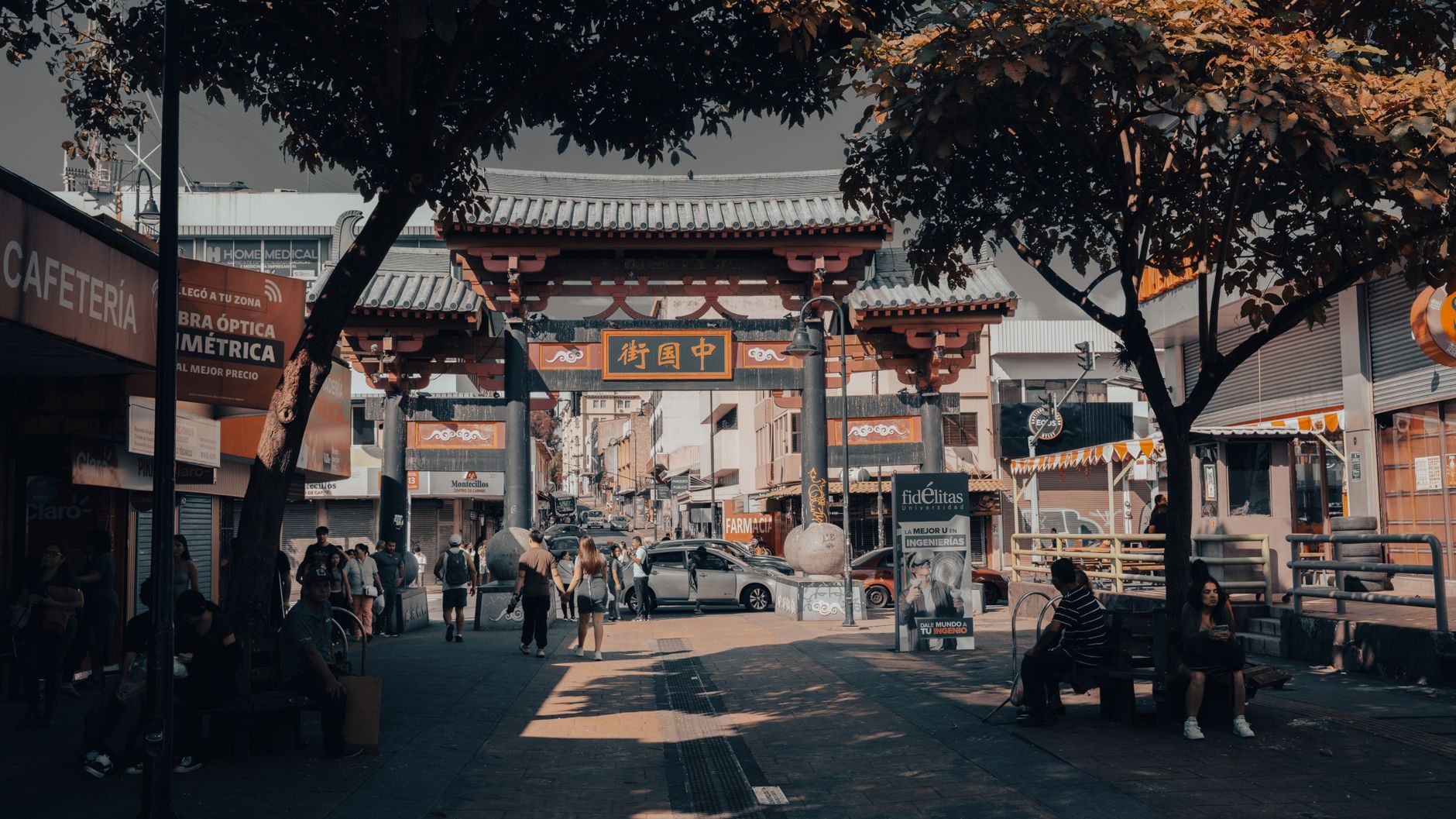
Kuala Lumpur thrives on a blend of cultures, clearly seen in its historic districts. Chinatown, centered around Petaling Street, is a vibrant maze of stalls selling everything from souvenirs to street food. While it can be busy, I enjoy soaking in the atmosphere, observing the small details of daily commerce. Just a short walk away is the Central Market, a beautiful Art Deco building that houses local handicrafts, batik, and souvenirs. It’s a more relaxed shopping experience, and a good place to find unique, locally made items that carry a story.
For a deeper dive into Malaysia’s rich heritage, Merdeka Square (Independence Square) offers a poignant glimpse into the nation’s past. It’s surrounded by magnificent colonial-era buildings, including the Sultan Abdul Samad Building with its distinctive copper domes and clock tower. I often sit on the grass here, imagining the pivotal moments in Malaysian history that unfolded on this very ground. Nearby, the Islamic Arts Museum Malaysia offers a calm refuge, housing a stunning collection of Islamic art and artifacts from across the world. The architecture itself is captivating, providing a peaceful space for contemplation.
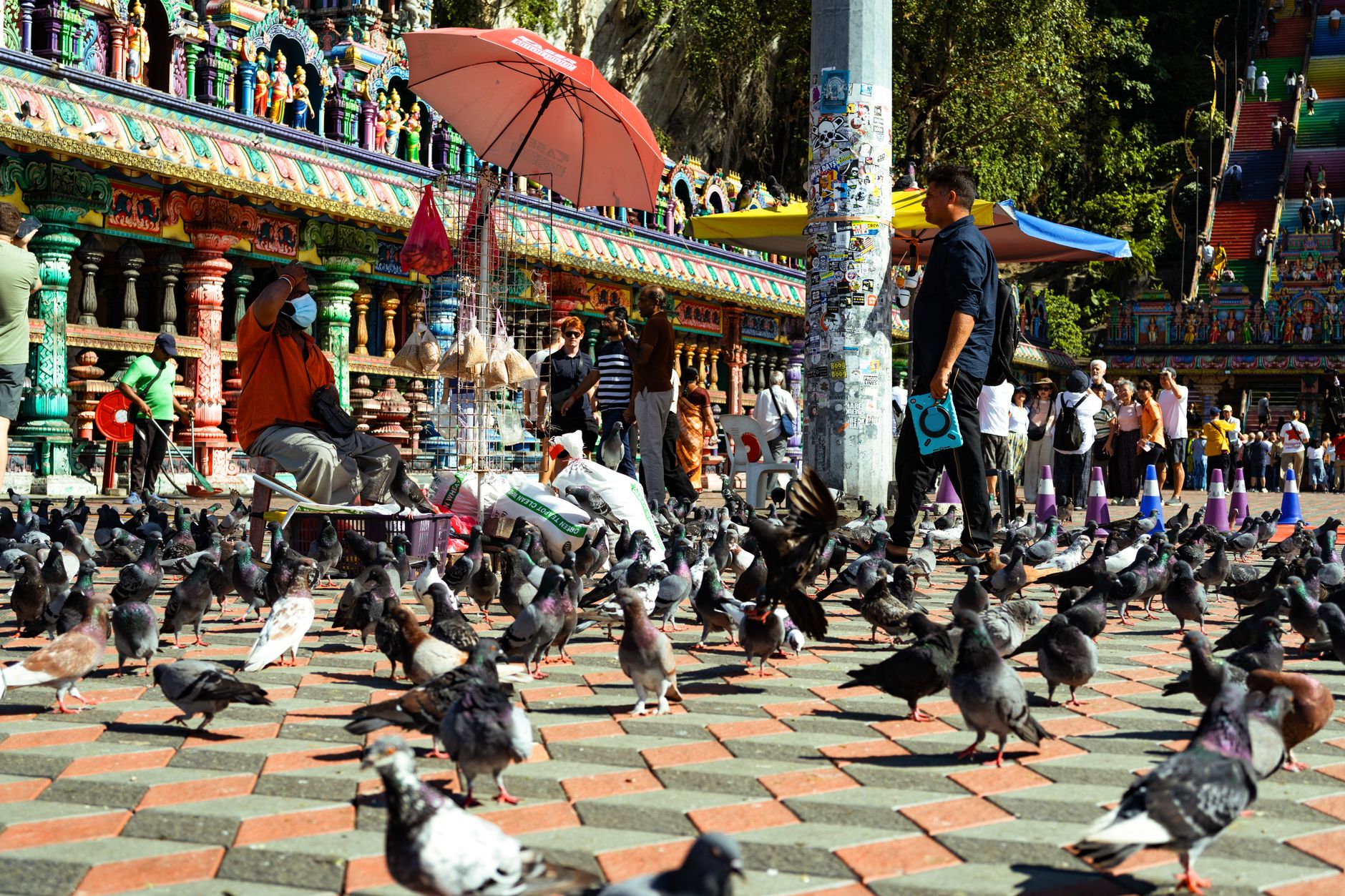
A short journey by public transport, usually via the KTM Komuter train, will take you to Batu Caves. This impressive limestone hill houses a series of caves and cave temples. The towering golden statue of Lord Murugan at the entrance is striking, and the climb of 272 colorful steps to the main temple cave is a moderate challenge. The experience is rich with spiritual energy, and watching devotees and visitors alike ascend these steps is a powerful testament to its cultural and religious significance. Remember to dress respectfully, covering shoulders and knees, especially when visiting religious sites.
A Culinary Journey: Eating Your Way Through Kuala Lumpur

One of the most enriching ways to experience Kuala Lumpur is through its food. The city’s kitchens blend Malay, Chinese, and Indian influences, creating a culinary scene that is remarkably diverse and full of flavor. For me, a slow morning in KL often begins with a visit to a local kopi tiam (coffee shop) for a strong cup of local coffee and kaya toast, a sweet coconut jam spread on crispy bread. It’s a simple pleasure that sets a gentle tone for the day.
For an authentic street food experience, Jalan Alor in Bukit Bintang comes alive in the evenings. It’s a lively rush of sights and smells, with stalls preparing a wide variety of dishes fresh before your eyes. Here, I’ve savored bowls of Hokkien mee, thick yellow noodles wok-fried with prawns and dark soy sauce, and delicate satay skewers served with a rich peanut sauce. Other staples to seek out include nasi lemak, Malaysia’s national dish (coconut rice with sambal, fried anchovies, peanuts, and egg), and roti canai, a flaky flatbread often served with dhal or curry. For something cooling on a warm afternoon, a bowl of cendol – shaved ice with coconut milk, palm sugar, and green rice flour jelly – is a delightful treat. Exploring these flavors is about more than just eating; it’s engaging with the local culture, discovering the stories behind each dish. Don’t be afraid to try dishes from a stall that catches your eye; often, the busiest ones are the best indicators of local favorites.
The Skybridge, Batu Caves, and easy escapes
If you want to go up the Petronas Twin Towers rather than admire them from KLCC Park, book the Skybridge and observation deck ahead: tickets are timed and sell out, especially around sunset. At the towers’ feet, the Suria KLCC mall and Aquaria KLCC fill an easy afternoon.
At Batu Caves, go early to beat the heat and the crowds, and keep an eye on your belongings around the resident macaques. During the Thaipusam festival the site becomes one of the most extraordinary religious spectacles in Asia.
Near the colonial core, the serene National Mosque (Masjid Negara) pairs with the Islamic Arts Museum for a slower morning. Around the KL Tower, whose Sky Deck and Sky Box give the 360-degree view, the KL Forest Eco Park preserves a patch of rainforest with a canopy walkway in the city centre.
For food beyond Jalan Alor, look for char kway teow, banana-leaf South Indian meals in Brickfields (Little India), and roti with teh tarik at a late-night mamak stall.
When you want a change of air, the cool Genting Highlands, a casino-and-theme-park resort reached by a long cable car, lies north of the city. The planned garden city of Putrajaya, with its pink mosque and grand boulevards, makes a striking half-day. Both are simple day trips.
Practicalities for a Gentle Journey
A first trip to Kuala Lumpur is much smoother with a few practical considerations in mind. The heat and humidity are constants, so staying hydrated is important. I always carry a reusable water bottle, refilling it whenever possible. Light, breathable clothing made from natural fibers is generally the most comfortable choice. While casual dress is widely accepted, remember to pack something more modest, like a sarong or long trousers, for visiting religious sites like mosques or temples. This shows respect for local customs and often makes your experience more pleasant.
If your visit coincides with Ramadan, it’s helpful to be aware that many locals will be fasting from dawn to dusk. While most restaurants and food stalls in tourist areas will operate as usual, some smaller, local eateries might have adjusted hours. It’s a time of spiritual reflection, and observing local practices with a gentle understanding is always appreciated. Having a few essentials readily available ensures a smoother trip, allowing you to focus on the experience rather than minor inconveniences.
Travel insurance Before any international trip, I always make sure to arrange for travel insurance. It offers peace of mind for unexpected medical needs, lost luggage, or travel disruptions, allowing you to immerse yourself in the journey with one less worry.
Accommodation booking platform After a day of exploring, a comfortable place to rest makes all the difference. I often use a booking platform that helps me find accommodation that suits my rhythm, whether I’m looking for a quiet boutique hotel or somewhere close to public transport.
What This Means for Your Trip
Kuala Lumpur opens itself to those who approach it with an open heart and a willingness to simply be present. It’s not about ticking off every landmark, but about finding joy in the small moments: the scent of spices from a passing food stall, the intricate details of a building you hadn’t noticed before, or the friendly exchange with a local vendor. My hope is that your first journey to Kuala Lumpur is one of gentle discovery, where you leave feeling not just wiser about its history and culture, but also calmer within yourself, having allowed the city to unfold around you at its own pace. It’s in these quiet observations, these unscripted moments, that travel truly deepens our understanding of the world, and perhaps, ourselves.
Frequently asked questions
What's the best way to get around Kuala Lumpur?
Kuala Lumpur has an excellent public transport system, including the LRT, MRT, and Monorail. For direct routes or late-night travel, ride-sharing apps like Grab are widely used and convenient.
Is Kuala Lumpur walkable?
While some areas like Bukit Bintang or around KLCC are pleasant to walk, the city's heat and humidity, combined with sprawling distances, mean you'll likely combine walking with public transport or Grab. Always stay hydrated.
What should I know about visiting during Ramadan?
During Ramadan, many locals fast from dawn to dusk. While daily life continues, some smaller eateries might have adjusted hours, especially for lunch. It's a time of reflection, and showing respect for local customs is always appreciated.
What are some must-try dishes in Kuala Lumpur?
The food scene is incredible. Be sure to try nasi lemak, roti canai for breakfast, satay skewers, Hokkien mee, and cool down with cendol. Jalan Alor is a popular spot to sample many of these.
Are there any good day trips from Kuala Lumpur?
Batu Caves is a very popular and culturally rich half-day trip, easily accessible by public transport. For a different experience, Genting Highlands offers cooler weather and entertainment, though it's a longer journey.
Keep reading on Gently Yonder
- Where to Stay in Kuala Lumpur Four areas and 12 hotels, from the Petronas Towers to the new Park Hyatt in Merdeka 118.
- What Counts as Rude in 12 Cultures Goffman, Hofstede, and twelve country case studies for international travellers.
- Airalo vs Holafly vs Saily The three big travel eSIM providers compared — coverage, pricing, and who each suits.
- Klook vs Viator vs GetYourGuide Which tours-and-activities platform to use where — Asia, Europe, and global.
- Penang: A First-Timer's Guide George Town's murals and clan jetties, Kek Lok Si, Penang Hill, and hawker food.
- Singapore: A First-Timer's Guide Marina Bay, the hawker centres, Sentosa and the MRT — a calm first orientation to Singapore.