Manila rewards the traveller who arrives without expecting order. It is loud, warm, chaotic, and disarmingly friendly — a Southeast Asian megacity layered with four centuries of Spanish and American history, and held together by some of the most genuinely hospitable people you’ll meet anywhere. A first visit can feel overwhelming, so the trick is to slow down, pick a couple of anchors, and let the city’s warmth do the rest. Two small things help from the start: a travel eSIM so maps and Grab work the moment you land, and a look at Klook or KKday for the day trips — Corregidor and Tagaytay above all — that are simplest booked ahead.
No one pays to be recommended here, and we say when a free or cheaper option wins. Our promise →
In this guide10 sections
The shape of the city
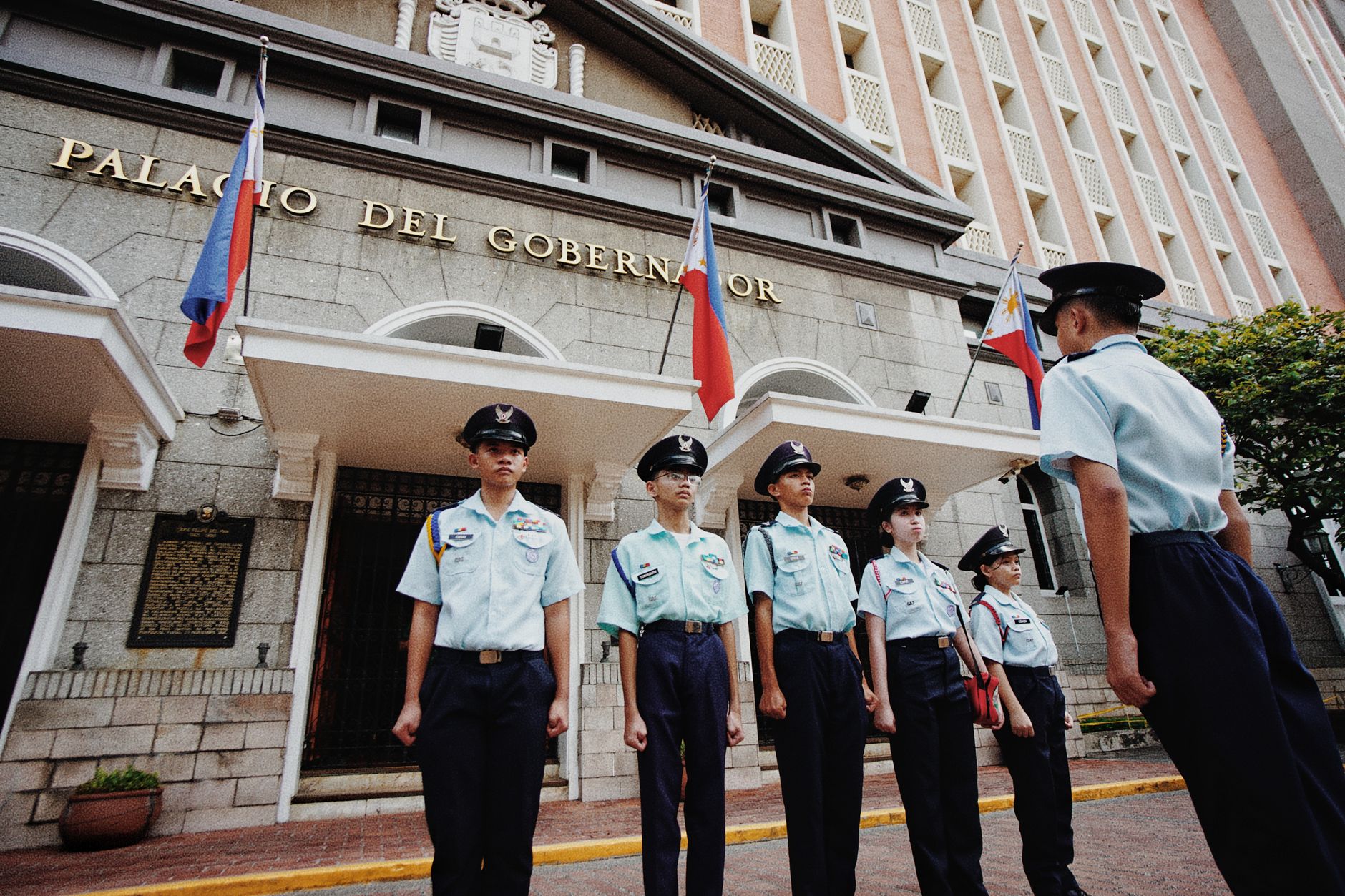
“Manila” is really Metro Manila, a sprawl of cities stitched together. As a first-timer you’ll care about a few. Intramuros, the old Spanish walled city, is the historic heart. Rizal Park (Luneta) and the museums sit just beside it. Binondo is the buzzing old Chinatown. And to the south, Makati and Bonifacio Global City (BGC) are the polished, modern districts — clean, walkable, and where many visitors choose to base themselves for comfort. Traffic between them can be punishing, so cluster your days by area rather than criss-crossing.
Intramuros: old Manila
Start in Intramuros, the walled city the Spanish built in the 16th century. Walk or take a bamboo kalesa (horse cart) past Fort Santiago, where the national hero José Rizal spent his last night before his execution; the beautiful San Agustin Church, the oldest stone church in the country and a UNESCO World Heritage site; and Casa Manila, a restored colonial house museum. Manila Cathedral anchors the main plaza. It’s the one part of the city that slows you down, and the most rewarding morning you’ll spend here.
Rizal Park and the museums
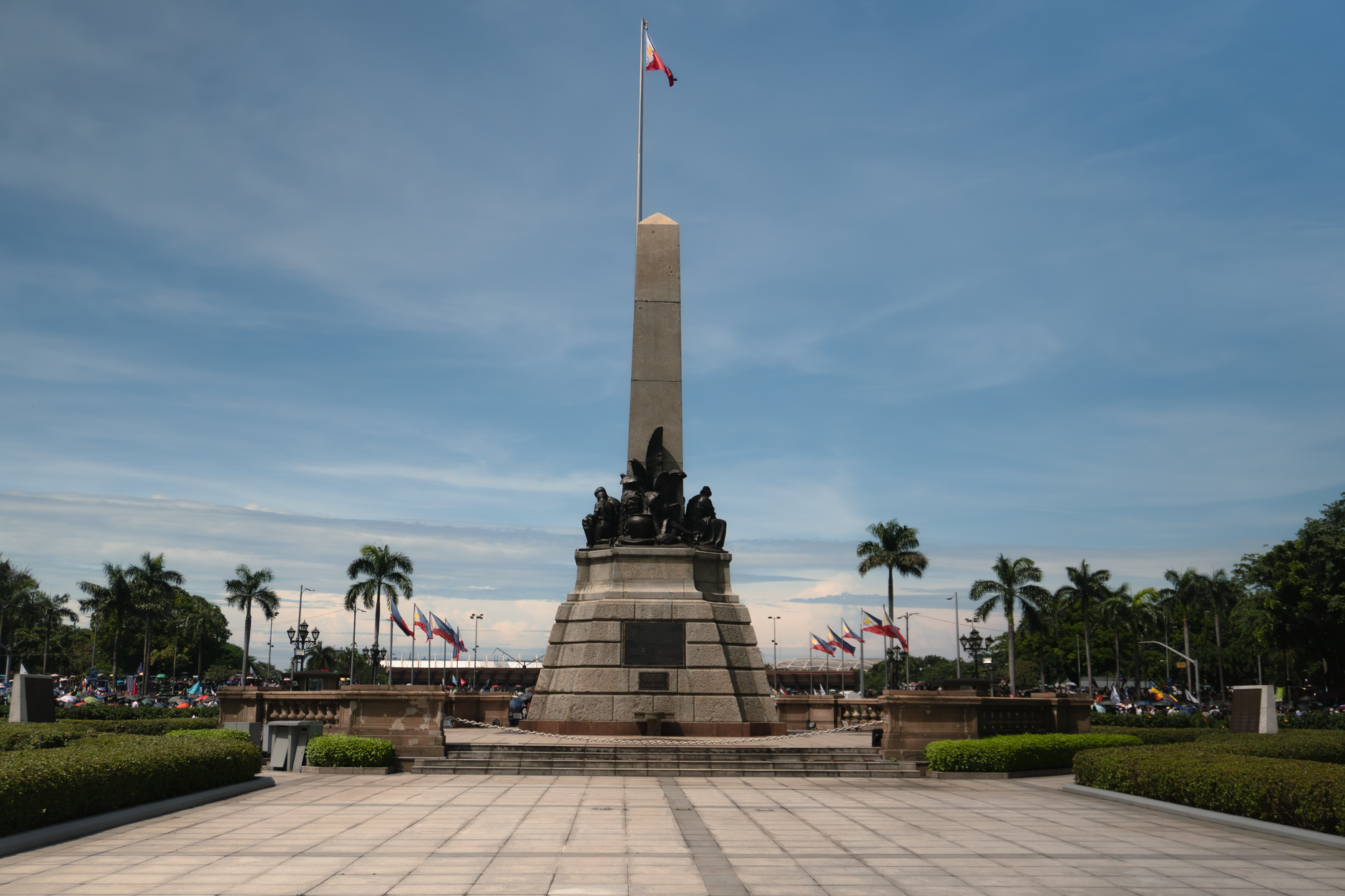
Adjoining Intramuros, Rizal Park (Luneta) is the green civic heart, with the Rizal Monument and its ceremonial guard. Around it cluster the branches of the National Museum — the National Museum of Fine Arts holds Juan Luna’s vast, dramatic Spoliarium, and the Natural History building is worth an hour. Best of all, entry to the National Museums is free.
Binondo, the world’s oldest Chinatown

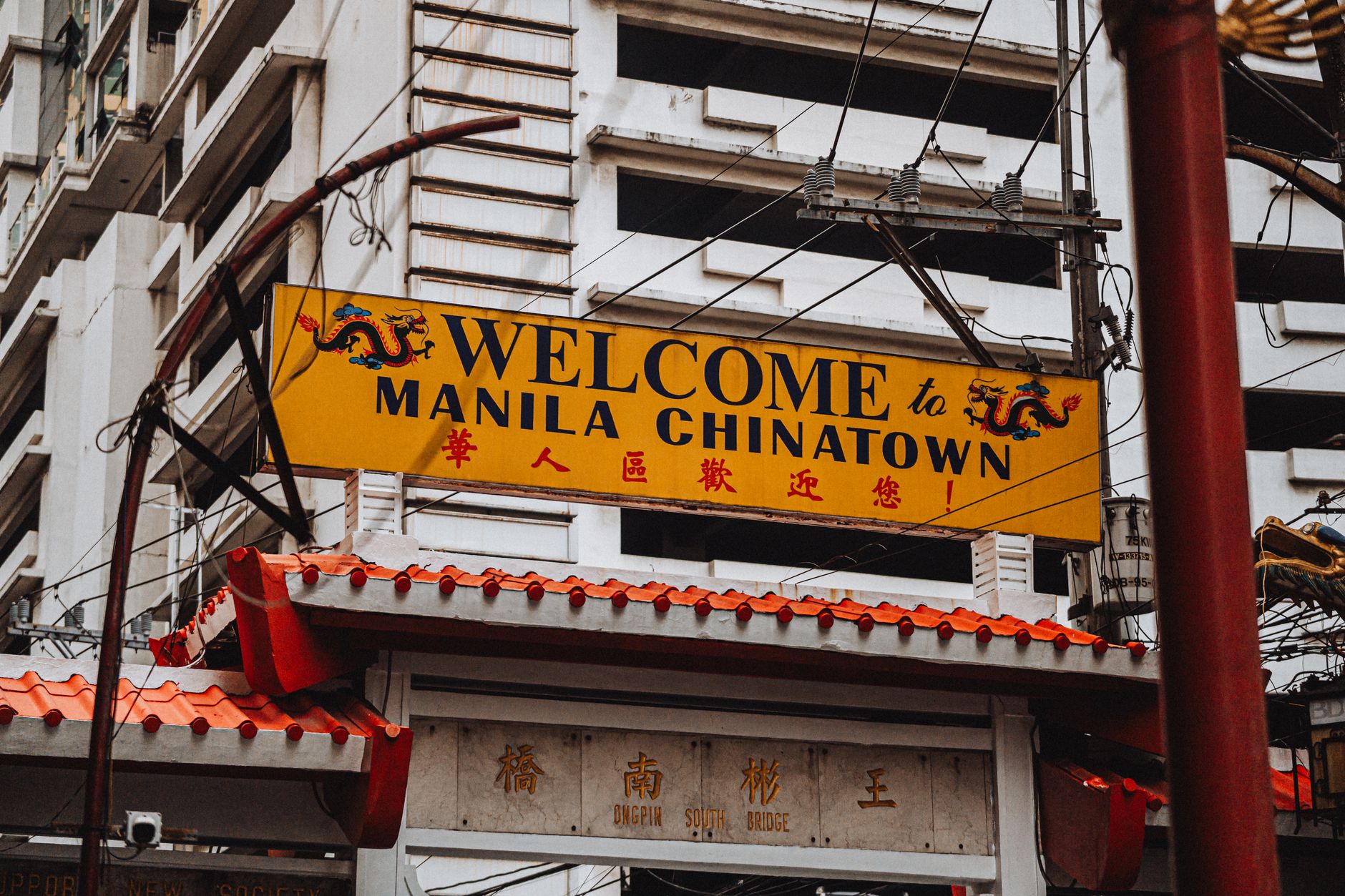
Binondo, founded in 1594, claims to be the oldest Chinatown on earth, and it’s a wonderful, chaotic place to eat your way through — dumplings, hopia pastries, and hole-in-the-wall panciterias along Ongpin Street, with Binondo Church at its heart. A food walk here, on foot, is one of the real pleasures of Manila.
Manila Bay, Makati and BGC
Manila’s famous sunset over Manila Bay is best caught along Roxas Boulevard or from the Mall of Asia complex. For a completely different mood, spend an evening in Makati (around Ayala and the Greenbelt malls) or BGC, with its street murals, High Street promenade, and easy walkability — a calm, modern counterpoint to the old city, and a reassuring place to land on a first night.
Eating in Manila
Filipino food is comfort food, and Manila is the place to learn it: adobo (meat braised in vinegar and soy), sour sinigang soup, crispy lechon and sisig, kare-kare in peanut sauce, and the wild purple-and-shaved-ice dessert halo-halo. And you cannot leave without trying Jollibee, the beloved local fast-food giant — order the Chickenjoy and sweet spaghetti and understand a little more about the country.
Rizal, the museums, and Corregidor in more depth
In Intramuros, Fort Santiago has a shrine that traces José Rizal’s footsteps through his final hours, and inside San Agustin Church it is worth looking up at the trompe-l’œil ceiling. A guided bamboo-bike or walking tour is a good way to take in the walled city.
Rizal Park memorialises Rizal at the spot of his execution. Across the National Museum Complex, the anthropology halls are as strong as the natural-history building, which makes the free museums the best-value cultural half-day in the city.
On a Binondo food walk, add lumpia to the dumplings and hopia along Ongpin Street. At breakfast anywhere in the city, look for garlicky longganisa.
For the Manila Bay sunset, the seaside promenade of the Mall of Asia complex, with its Ferris wheel, draws much of the city at dusk.
Corregidor is the most moving of the day trips: the island’s ruins and tunnels tell the story of the Pacific War’s siege and liberation, and the ferry leaves in the morning. At Tagaytay, the view is over Taal, a volcano within a lake within a volcano, and the town is a favourite weekend escape for its restaurants as well as its cooler air.
Getting around, honestly
Metro Manila’s traffic, especially along EDSA, is legendary, and it shapes everything. Grab (ride-hailing) is your friend, though it surges in rush hour; the elevated LRT and MRT lines skip the worst of it on some routes; and the colourful jeepneys are an experience if not always a convenience. Budget generous travel time, and don’t over-schedule.
Day trips and when to go
Two classic escapes: Tagaytay, a cool ridge town about two hours south with views over Taal Volcano in its lake, and Corregidor Island, the WWII fortress in Manila Bay, reached by a day-tour ferry. The comfortable months are the dry season, roughly November to April; the rest can bring heat and typhoons, so check a current forecast close to your dates.
Manila asks for patience and gives back warmth. Base yourself somewhere comfortable, spend a slow morning in Intramuros and an evening eating in Binondo, and let the city’s famous hospitality carry the rest.
Frequently asked questions
Is Manila worth visiting for first-timers?
Yes, if you arrive without expecting order. Manila is chaotic and warm, layered with four centuries of Spanish and American history — Intramuros, Binondo's old Chinatown, and the Manila Bay sunset are highlights, and the hospitality is genuine. Many visitors base in comfortable, walkable Makati or BGC.
What is the best area to stay in Manila?
Makati (around Ayala and Greenbelt) and Bonifacio Global City (BGC) are the polished, walkable, modern districts most first-timers prefer for comfort and safety, with Intramuros and the museums a Grab ride away.
How do you get around Manila?
Grab (ride-hailing) is the easiest option, though it surges in rush hour; the elevated LRT and MRT skip the worst traffic on some routes, and jeepneys are an experience. Traffic along EDSA is heavy, so cluster your days by area and budget generous travel time.
When is the best time to visit Manila?
The dry season, roughly November to April, is the comfortable window. The rest of the year can bring heat and typhoons, so check a current forecast close to your dates.
Keep reading on Gently Yonder
- What Counts as Rude in 12 Cultures Goffman, Hofstede, and twelve country case studies for international travellers.
- Airalo vs Holafly vs Saily The three big travel eSIM providers compared — coverage, pricing, and who each suits.
- Travel Insurance Compared SafetyWing vs World Nomads vs Genki — coverage, exclusions, and how to choose.
- Cebu: A First-Timer's Guide Magellan's Cross, whale sharks (honestly), Kawasan Falls, and island hopping.
- Kuala Lumpur: A First-Timer's Guide The Petronas Towers, Batu Caves, street food and easy day trips.