Singapore’s reputation for efficiency and striking modernity — towering architecture and lush urban gardens — can feel both exhilarating and a little overwhelming on a first visit. I want to offer a gentler introduction, a way to find Singapore’s own rhythm – its quiet corners, diverse neighbourhoods, and the genuine warmth in its everyday life. It’s a city that quietly unfolds for those who take a moment to look closely, inviting new experiences and a fresh perspective.
No one pays to be recommended here, and we say when a free or cheaper option wins. Our promise →
In this guide9 sections
- Arriving and Navigating the City
- Finding Your Pace in the City’s Green Spaces
- A Taste of Singapore: Hawker Centres and Local Flavours
- Exploring Singapore’s Rich Neighbourhoods
- Thoughtful Stays and Gentle Evenings
- Marina Bay, the river, Sentosa, and the zoos
- When to Visit and Practical Considerations
- What this means for your trip
- Frequently asked questions
Arriving and Navigating the City

Changi Airport makes arriving feel effortless. I always find its thoughtful design and clear signage set a pleasant tone for any journey. From there, getting into the city is straightforward. The MRT, or Mass Rapid Transit, is the backbone of Singapore’s public transport system, connecting the airport directly to downtown. It’s remarkably clean, efficient, and intuitive, so I always choose it for getting around the island.
To use the MRT and buses, you can purchase an EZ-Link card, a reusable stored-value card, or simply tap your contactless credit or debit card directly, a system known as SimplyGo. I appreciate not needing to fumble for exact change, which lets me simply watch the city pass by. While Singapore is incredibly walkable, especially within its distinct neighbourhoods, the climate often calls for a quick air-conditioned journey between areas. For those times, ride-hailing services are readily available and provide a comfortable alternative. Knowing how easy it is to get around gives me a quiet confidence, making spontaneous exploration feel effortless.
Reliable eSIM provider for international travel I find staying connected helpful for navigating a new city, whether it’s checking a train schedule or finding a café’s opening hours. A reliable eSIM means I have data from the moment I land, taking away a logistical worry and letting me settle in faster.
Finding Your Pace in the City’s Green Spaces
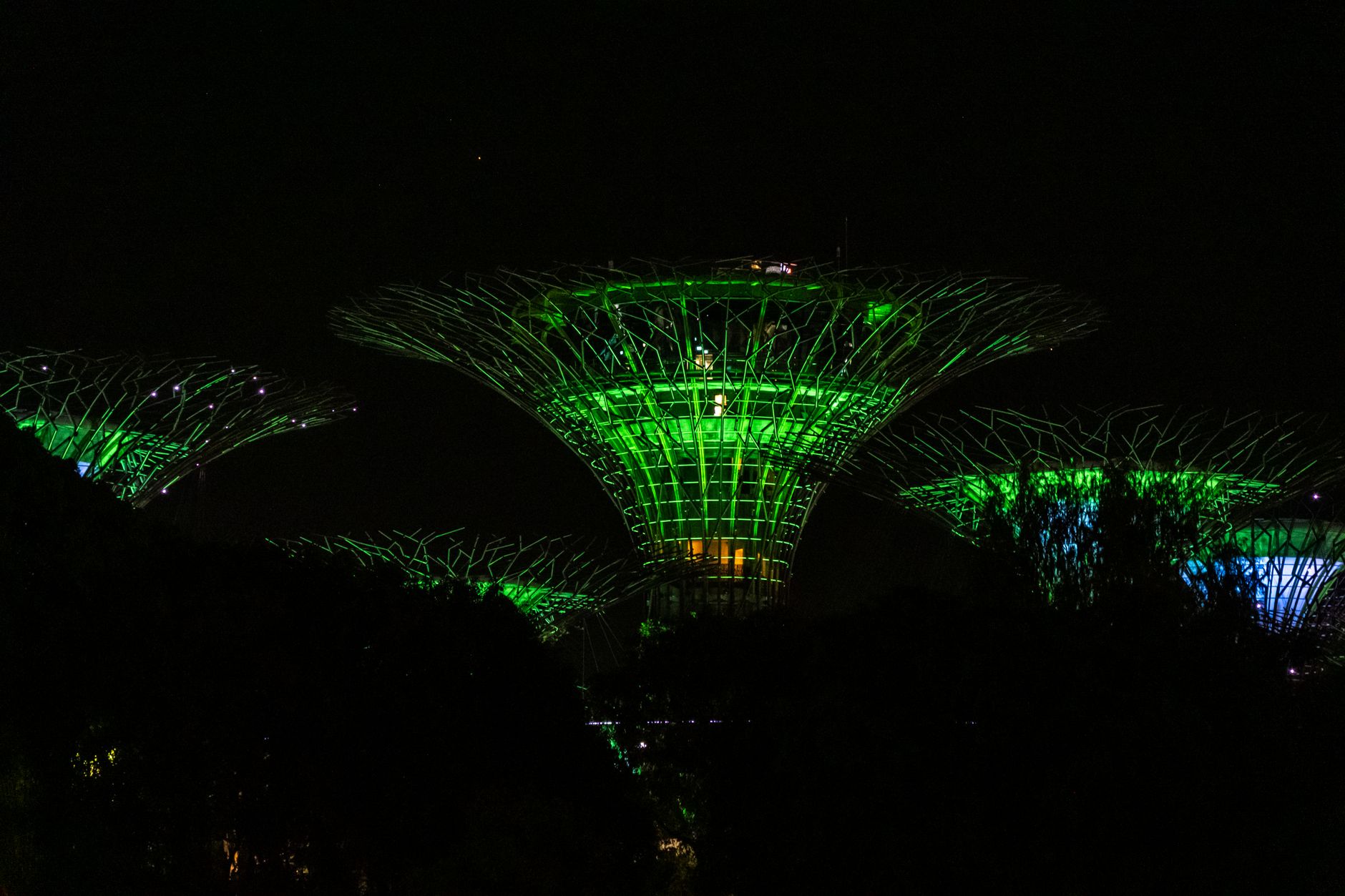
Singapore is often called a “City in a Garden,” and I think it’s a perfect description. Beyond the gleaming skyscrapers, much of the island is home to green spaces, thoughtfully designed to offer a wonderful balance to city life. Gardens by the Bay isn’t just a landmark; it’s a place where I truly enjoy spending a slow morning. Walking among the towering Supertrees, especially in the cooler early hours, offers a sense of wonder and a calm start to the day. The ticketed Cloud Forest and Flower Dome conservatories offer a refreshing escape from the humidity, showcasing incredible plant diversity that truly makes you appreciate botanical artistry.
For a more traditional and serene experience, the Singapore Botanic Gardens, a UNESCO World Heritage site, is a true urban sanctuary. I’ve spent many hours simply wandering its paths, particularly around the National Orchid Garden, losing track of time amidst the vibrant blooms and tranquil ponds. It’s a place perfect for unhurried contemplation, where the city seems to fade into the background. Beyond these larger green spaces, I enjoy seeking out smaller pockets, like Fort Canning Park, with its historical context and elevated views, or even just finding a bench in a quiet neighbourhood park. These spaces help me slow down and observe the details, which is always enriching.
A Taste of Singapore: Hawker Centres and Local Flavours

For me, Singapore’s food culture is one of its most compelling aspects, and the hawker centre is its lively heart. These open-air complexes are bustling community hubs, offering a vast array of dishes at very accessible prices. The atmosphere alone, with the sounds of sizzling woks and cheerful chatter, is an experience in itself. I often begin my day with a traditional breakfast of kaya toast – crisp bread slathered with coconut jam and butter, served with soft-boiled eggs (often seasoned with a dash of soy sauce and white pepper) and a strong coffee or tea known as kopi or teh.
For lunch or dinner, the choices are immense. At Maxwell Food Centre, I’ll often seek out Hainanese chicken rice, a deceptively simple dish of fragrant rice and tender poached chicken. Lau Pa Sat, with its Victorian cast-iron architecture, is particularly atmospheric in the evenings when a section of Boon Tat Street transforms into an outdoor satay street, the air filled with the aroma of grilling skewers. Other centres like Old Airport Road Food Centre or Tiong Bahru Market offer a chance to try dishes like laksa, a spicy coconut milk-based noodle soup, or char kway teow, stir-fried flat rice noodles. While Newton Food Centre is well-known, particularly for chilli crab, it’s worth noting that prices there can be a little higher than at other hawker venues. I always appreciate that these places offer a genuine taste of Singaporean life, making me feel connected to the local rhythm. Staying hydrated is important in this climate, so I always carry a reusable water bottle.
Reputable travel insurance provider When exploring new places and trying new foods, I find calm in knowing I have reliable travel insurance. It’s a reassurance that unforeseen circumstances, from a minor mishap to a change in plans, are handled, allowing me to fully enjoy the experience.
Exploring Singapore’s Rich Neighbourhoods
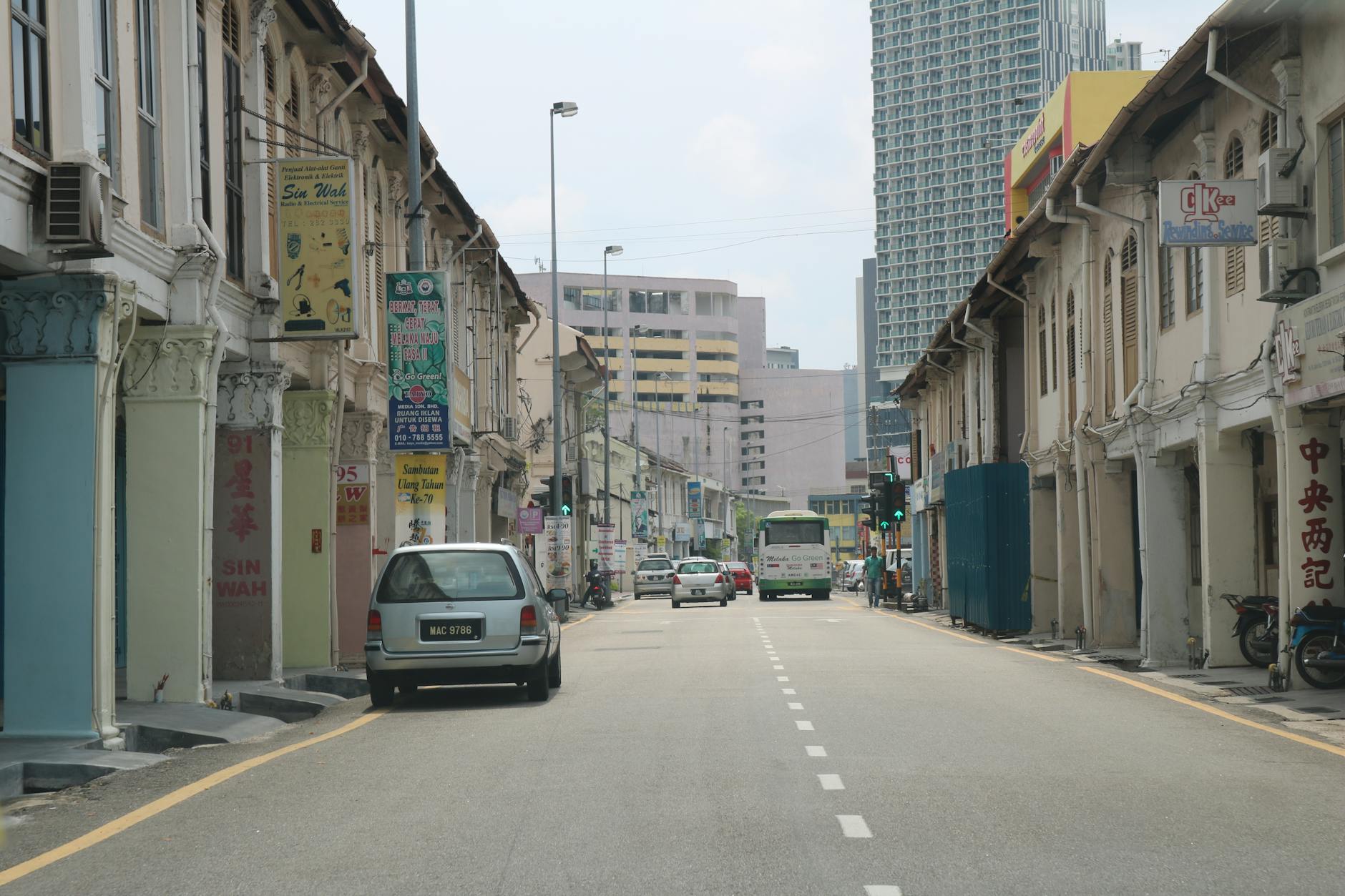
Beyond the iconic landmarks, Singapore truly comes alive in its diverse neighbourhoods, each with a distinct character. I particularly enjoy spending time walking through these areas, watching how history and everyday life intertwine, finding beauty in the details.
Chinatown, with its colourful shophouses, traditional temples like the Buddha Tooth Relic Temple, and bustling markets, is always worth exploring. I often enjoy discovering small, independent tea houses or craft shops on its quieter streets here, a peaceful contrast to the main thoroughfares. Just a short walk away, Little India is a sensory feast – the scent of spices, vibrant saris and flower garlands, and the sounds of Bollywood music. Serangoon Road is its main artery, and I find browsing the shelves of Mustafa Centre, a 24-hour department store, a fascinating experience in itself, a true microcosm of global goods.
Kampong Glam, Singapore’s Malay-Arab quarter, feels distinctively different. The majestic Sultan Mosque stands as its focal point, and nearby Haji Lane, with its narrow alleyways, is home to independent boutiques and charming cafes. I appreciate how its historical architecture meets contemporary street art.
For a slower pace, I often gravitate towards Tiong Bahru. This neighbourhood, with its unique Art Deco architecture, feels distinctly bohemian. Here, I’ve discovered independent bookshops and cafes that invite lingering, and the Tiong Bahru Market offers a wonderful cross-section of local life and excellent food stalls on its upper level. There’s a quiet charm to its residential streets, perfect for an afternoon wander.
Further east, Katong and Joo Chiat showcase Singapore’s Peranakan heritage with their beautifully preserved, pastel-hued shophouses adorned with intricate facades. This area is also a fantastic spot to try authentic laksa and other Peranakan delicacies, like Nonya Kueh. Each neighbourhood offers a chance to experience a different facet of Singapore, deepening your understanding of the city.
Thoughtful Stays and Gentle Evenings
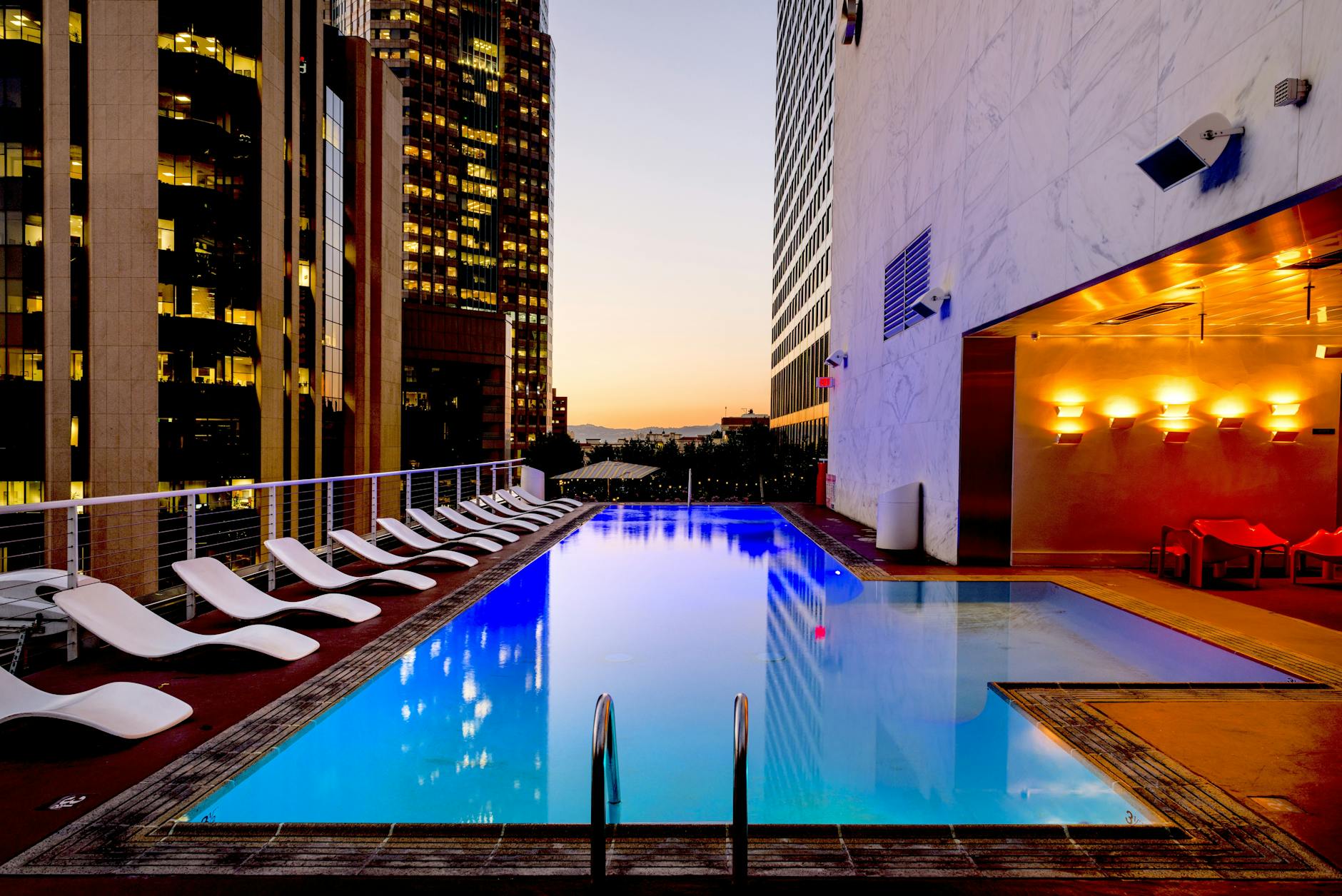
For accommodation in Singapore, I always find it helpful to choose somewhere with good MRT access. This allows for easy exploration during the day and a peaceful return in the evenings. Neighbourhoods like the civic district around the Bras Basah MRT station, or even areas bordering Chinatown or Kampong Glam, can offer a blend of accessibility and local character. Singapore offers many hotels, from international chains to smaller boutiques; I prefer places that offer a quiet rest after a day of walking, perhaps with a comfortable reading chair or a window with a pleasant view.
Choosing a base? Where to stay in Singapore compares five areas, from Marina Bay to Sentosa, and names 12 hotels, with the catch for each.
Evenings in Singapore can be as vibrant or as tranquil as you wish. While the views from Marina Bay Sands are impressive, and a stroll along the waterfront promenade offers lovely views of the city skyline, I often find myself enjoying simpler pleasures. A walk through Gardens by the Bay after dark, when the Supertrees are softly illuminated, feels quite different from the daytime visit — quietly transporting. Or perhaps a relaxed dinner at a hawker centre, watching families and friends gather, offers a comforting sense of community.
Sentosa Island, while known for resorts and attractions, can also be enjoyed more gently. A cable car ride offers panoramic views, and quieter stretches of its beaches, particularly at sunset, provide a pleasant evening stroll away from the crowds. I always recommend booking flights and accommodation ahead of time, especially with fixed travel dates. This preparation makes for a smoother, calmer arrival, leaving more room for spontaneous moments once you’re there.
Reputable hotel booking platform for global destinations When I plan my travels, I rely on a booking platform with a good range of verified places to stay and clear pricing. It helps me compare options that suit my travel style, whether a quiet boutique hotel or a well-located guesthouse, so I can find the right place to rest after a day of exploration.
Marina Bay, the river, Sentosa, and the zoos

Marina Bay Sands, three towers crowned by a ship-shaped SkyPark, anchors the waterfront and hosts Spectra, a free evening light-and-water show (check current times). Next door at Gardens by the Bay, walk the aerial OCBC Skyway between the Supertrees and stay for the free nightly Garden Rhapsody. Across the water, the original Merlion still spouts over the bay.
In Chinatown, the Hindu Sri Mariamman temple sits among the Chinese temples and medical halls, and Little India is anchored by the Sri Veeramakaliamman temple. At Maxwell, the chicken rice stall with the famous queues is Tian Tian.
Sentosa is unashamedly a theme-park island: Universal Studios Singapore, the S.E.A. Aquarium, luge rides, zip lines, and the beaches of Siloso and Palawan. It is brilliant with children and an easy contrast to the city’s temples and towers.
Orchard Road runs for more than a kilometre of malls and flagship stores. In the evening, the restored godowns of Clarke Quay and Boat Quay light up along the Singapore River; take a bumboat cruise past the skyline, or walk the quays for dinner.
The “City in a Garden” extends to its animals. The Singapore Zoo and its after-dark sibling, the Night Safari, show animals in open, naturalistic settings, and Bird Paradise, the successor to Jurong Bird Park, is built around its aviaries.
When to Visit and Practical Considerations

Singapore’s climate is consistently tropical—hot and humid throughout the year, with daytime temperatures usually hovering around 30°C (86°F). There isn’t a “bad” time to visit, but I always prepare for sudden, heavy rain showers, particularly during the monsoon seasons (December to March and June to September, though rain can occur at any time). These showers often pass quickly, leaving a refreshed atmosphere. I always pack light, breathable fabrics, comfortable walking shoes, and a compact umbrella or light rain jacket. Staying hydrated is crucial, so I always carry and refill a reusable water bottle. Remember that air conditioning inside buildings can be quite strong, so a light scarf or cardigan can be useful.
Singapore is famously clean and orderly. I find that respectfully observing local customs and laws – like those against littering or chewing gum (which is generally prohibited for sale and import) – makes for a more harmonious visit. The city is incredibly safe; I often feel a calm ease walking around at any time of day, which is a great comfort. While English is one of Singapore’s official languages and widely spoken, I appreciate learning a few simple phrases in Malay, Mandarin, or Tamil – it’s a small gesture of respect for the country’s linguistic diversity and often brings a smile.
What this means for your trip

Singapore, for the first-time visitor, beautifully blends efficient modernity with deep-rooted tradition. I’ve found that by approaching it with calm curiosity, rather than a frantic desire to “see it all,” the city truly opens itself up. It’s a place where you can find quiet moments even in bustling hawker centres, reflective pauses in lush gardens, and a sense of connection within its diverse neighbourhoods. I hope this guide helps you see your visit not as a checklist, but as an invitation – an opportunity for gentle discovery that leaves you wiser about the world, calmer in your travels, and more curious about Singapore’s stories.
Frequently asked questions
What's the best way to get around Singapore?
Singapore's MRT (Mass Rapid Transit) system is highly efficient and covers most key areas. I find it the most convenient way to navigate, complemented by walking, especially within neighborhoods. For longer distances or when tired, ride-hailing services are readily available.
Is Singapore expensive for a first-time visitor?
Singapore can cater to various budgets. While luxury options are plentiful, it's also possible to enjoy the city affordably. Eating at hawker centres offers delicious meals at reasonable prices, and many green spaces and cultural sites can be explored for free or a small fee.
What should I pack for a trip to Singapore?
Given the tropical climate, light, breathable clothing like cotton or linen is ideal. Comfortable walking shoes are essential. I always bring a compact umbrella for unexpected rain showers and a reusable water bottle to stay hydrated. A light shawl or cardigan can be useful for air-conditioned indoor spaces.
Do I need to tip in Singapore?
Tipping is not customary in Singapore and is generally not expected in most establishments, especially at hawker centres or casual eateries. Some restaurants may include a service charge in the bill. I find that a simple 'thank you' is always appreciated.
What is the local currency and how should I handle money?
The local currency is the Singapore Dollar (SGD). Credit cards are widely accepted, but it’s useful to carry some cash for hawker centres and smaller shops. ATMs are widely available across the island. I prefer to use a travel-friendly debit card that offers good exchange rates.
Keep reading on Gently Yonder
- Where to Stay in Singapore Five areas and 12 hotels, from Raffles of 1887 to a compact room on Orchard Road, and what "++" adds to the bill.
- What Counts as Rude in 12 Cultures Goffman, Hofstede, and twelve country case studies for international travellers.
- Airalo vs Holafly vs Saily The three big travel eSIM providers compared — coverage, pricing, and who each suits.
- Klook vs Viator vs GetYourGuide Which tours-and-activities platform to use where — Asia, Europe, and global.
- Kuala Lumpur: A First-Timer's Guide The Petronas Towers, Batu Caves, street food and easy day trips.
- Bangkok: A First-Timer's Guide The Grand Palace and Wat Arun, the markets, street food and the river — how to take on Bangkok.