South Korea, officially the Republic of Korea, presents a compelling study in contrasts: a peninsula nation shaped by millennia of distinct cultural development, periods of profound external influence, and an astonishing trajectory of post-war transformation. For those considering travel, understanding these layers—from its unique geography and contested history to its dynamic modern society and political landscape—offers a richer context for engagement beyond surface-level observation.
No one pays to be recommended here, and we say when a free or cheaper option wins. Our promise →
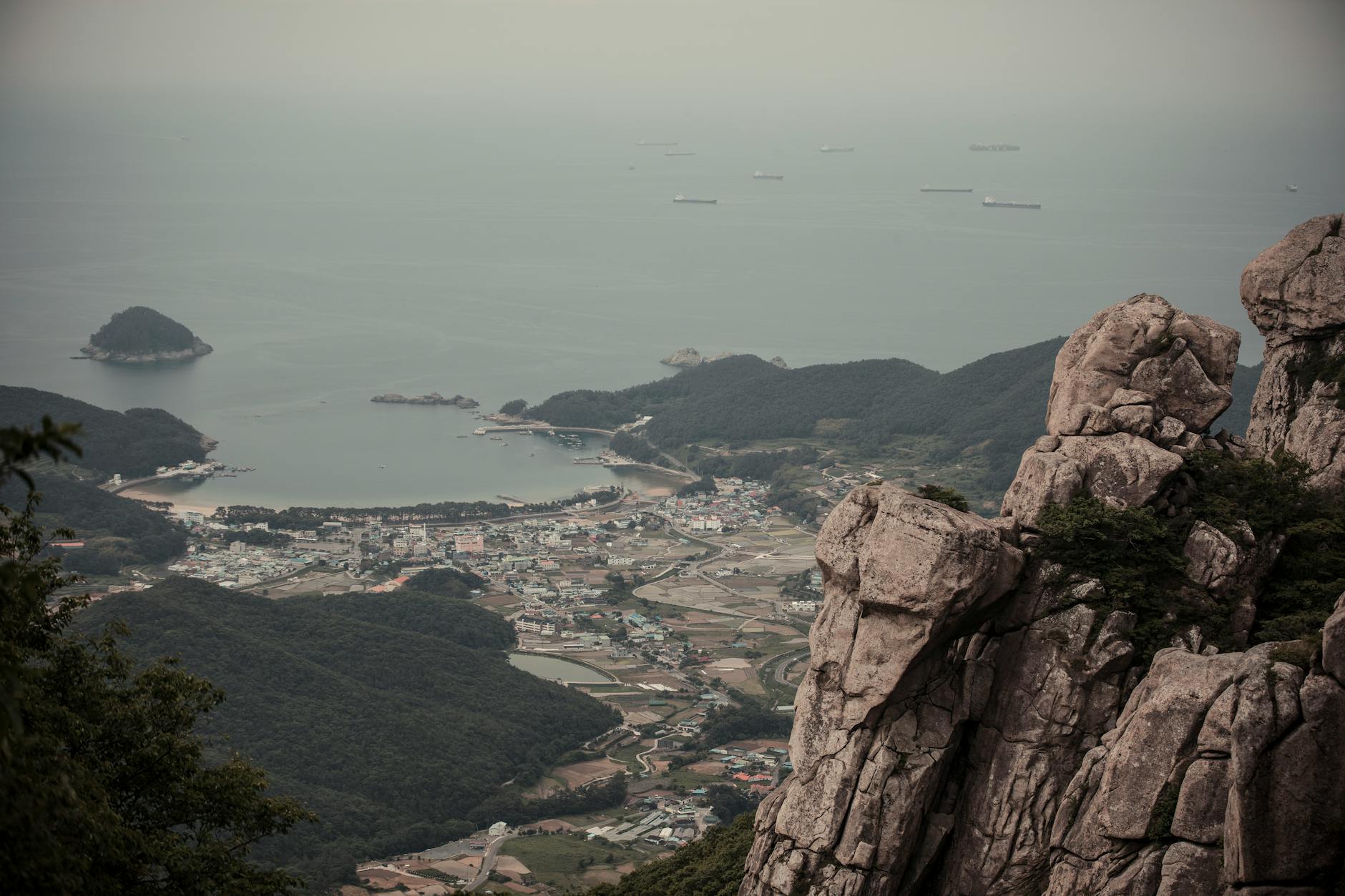
The Korean Peninsula, jutting southward from the Asian mainland, is characterized by its largely mountainous terrain, with approximately 70% of the landmass covered by hills and peaks. This topography has historically funneled population centers and agricultural activity into the western and southern coastal plains and river valleys. The Baekdu-daegan mountain range forms the spine of the peninsula, influencing climate patterns and settlement. Its eastern coast faces the Sea of Japan (East Sea), while the western coast meets the Yellow Sea, placing it in immediate proximity to major regional powers: China to the west, Russia to the north, and Japan across a narrow strait to the southeast.
This geographical position has invariably made Korea a strategic crossroads, subject to geopolitical currents for centuries. Its location has historically invited both cultural exchange and foreign invasion, shaping its defensive strategies and diplomatic approaches. Resource scarcity within the peninsula has historically driven both innovation and periods of economic vulnerability, prompting a deep emphasis on human capital development and technological advancement as primary national assets. Crucially, South Korea shares a heavily fortified land border with North Korea, marked by the Demilitarized Zone (DMZ), an enduring physical and psychological frontier established after the 1953 armistice of the Korean War. This division profoundly shapes the nation’s defense posture, political discourse, and international relations, making the northern border region a unique site of both tension and, paradoxically, an unintended ecological preserve. The concentration of population and economic activity in the northwest, particularly around Seoul, highlights a continuous engagement with both its internal geography and its complex neighborhood, influencing infrastructure development and urban planning. Different regions, such as the volcanic landscapes of Jeju Island or the rugged eastern coast of Gangwon Province, offer distinct natural beauty and cultural nuances, demonstrating the diverse geographical character beyond the populous capital area.
South Korea’s historical narrative is one marked by deep cultural heritage, periods of relative isolation, and profound external interventions. The Joseon Dynasty (1392–1910) left an enduring legacy of Confucian societal structures, bureaucratic governance, and artistic traditions, including the invention of the phonetic alphabet Hangul in the 15th century, a significant innovation that promoted literacy. This era solidified many foundational aspects of Korean identity, from architecture to social etiquette. However, the late 19th and early 20th centuries ushered in a tumultuous era of imperial competition. From 1910 to 1945, Korea was under Japanese colonial rule, a period that remains deeply contested in both historical memory and contemporary bilateral relations. This occupation saw attempts to assimilate Korean culture, suppress its language, exploit its resources, and conscript its population for labor and military service, including the issue of “comfort women,” which continues to be a subject of intense debate and reconciliation efforts between the two nations. Korean resistance movements, both domestically and abroad, sought to restore national sovereignty throughout this period.
The end of World War II did not bring immediate liberation and unity. Instead, the peninsula was divided by the Allied powers at the 38th parallel, leading to the establishment of two ideologically opposed states: the Soviet-backed North and the US-backed South. This division erupted into the devastating Korean War (1950–1953), an international conflict that drew in major global powers and resulted in millions of casualties and widespread destruction across the peninsula. The war concluded with an armistice, not a peace treaty, leaving the two Koreas technically still at war and the peninsula permanently scarred by division. The post-war period in the South was characterized by a succession of authoritarian governments, including those of Syngman Rhee, Park Chung-hee, and Chun Doo-hwan, who prioritized rapid economic development, often at the expense of political freedoms. This era of industrialization, known as the “Miracle on the Han River,” transformed a war-torn agrarian society into an industrial powerhouse through export-oriented policies and strategic government planning, laying the foundations for modern prosperity. However, it was also met with sustained, often violent, pro-democracy movements, notably the April Revolution in 1960, the Gwangju Uprising of 1980, and the June Democracy Struggle of 1987. The eventual transition to a fully democratic system in the late 1980s solidified a new political landscape, though debates over past injustices and the legacies of authoritarian rule persist in public discourse, reflecting the nation’s ongoing grappling with its complex path to modernization and democracy.
Societal Dynamics: Tradition and Rapid Modernization
The fabric of South Korean society is woven from threads of ancient tradition and relentless modernization, creating a unique set of social dynamics. Confucianism, deeply ingrained during the Joseon era, continues to exert influence on family structures, educational values, and interpersonal etiquette, emphasizing hierarchy, collective harmony, and respect for elders, especially through concepts like filial piety (hyo) and group consciousness. This cultural bedrock has shaped the highly competitive education system, seen as a primary pathway to social mobility and success, leading to significant academic pressures on students, often involving extensive supplementary education (hagwons) outside regular school hours. The “ppalli-ppalli” (hurry-hurry) ethos, often cited as a driving force behind the nation’s rapid economic growth, also contributes to a demanding work culture, though efforts are underway to address issues like long working hours and work-life balance, particularly among younger generations.
However, rapid urbanization and global integration have also introduced profound shifts. South Korea faces some of the most pressing demographic challenges globally, notably an critically low birth rate and a rapidly aging population. Projections by organizations like Statistics Korea indicate that the population could begin to decline significantly in the coming decades, with serious implications for economic productivity, social welfare systems, and traditional family support structures. Government initiatives to address this have yielded limited success so far, indicating the complexity of these deeply rooted societal changes, which are often linked to high costs of living, intense competition, and changing societal expectations for women. Furthermore, increasing awareness and public discussion surround issues such as gender equality, with the rise of the #MeToo movement and ongoing debates about equitable opportunities for women in both professional and political spheres. The integration of multicultural families, driven by international marriages and immigration, also presents new challenges and opportunities for a historically homogenous society. Discussions around mental health are also gaining traction, moving away from past stigmas to acknowledge the pressures of modern life in a hyper-competitive environment, highlighting a society actively grappling with the tensions between its enduring traditional values and the demands of its hyper-modern present.
Economy and Politics: From Post-War Reconstruction to Global Influence
South Korea’s economic trajectory since the 1950s has been extraordinary. From widespread devastation following the Korean War, the nation transformed into a leading industrial and technological powerhouse, often referred to as the “Miracle on the Han River.” This rapid development was largely driven by an export-oriented strategy, heavy government investment in key industries, and the emergence of powerful family-controlled conglomerates known as chaebol, such as Samsung, Hyundai, and LG. While these chaebol have been instrumental in the country’s prosperity and global competitiveness, they also attract criticism regarding their market dominance, influence on politics, and corporate governance structures, leading to ongoing calls for reform. Today, South Korea is a major player in semiconductors, automobiles, shipbuilding, petrochemicals, and cultural exports (Hallyu), with K-Pop, K-dramas, and Korean film achieving global recognition and driving significant economic value. The nation continues to invest heavily in research and development, particularly in areas like AI, biotechnology, and renewable energy, solidifying its position as a global innovation leader.
Politically, the Republic of Korea operates as a democratic republic with a presidential system. Following decades of authoritarian rule, the country underwent a pivotal transition to democracy in the late 1980s, marked by widespread public demand for civil liberties and fair elections. Since then, South Korea has seen a series of peaceful transfers of power, albeit punctuated by political scandals and robust public protests that underscore the vibrancy of its democratic institutions and the active role of its citizenry. Debates surrounding political reform, accountability, and the balance of power between different branches of government remain central to the national dialogue, often reflecting regional divisions and generational differences in political outlook. In foreign policy, South Korea maintains a robust alliance with the United States, essential for its security posture against North Korea, while navigating complex and often sensitive relationships with its neighbors, China and Japan. Relations with China are largely driven by economic ties and regional security, while historical issues continue to impact relations with Japan. Alongside these, the enduring and ever-present challenge of managing relations with North Korea requires careful diplomatic balancing, including engagement through humanitarian aid and inter-Korean summits, alongside maintaining a strong defense. The nation’s diplomatic efforts increasingly focus on multilateral cooperation and asserting its role as a responsible global actor in areas like climate change, humanitarian assistance, and global health.
Navigating the Landscape: Language, Cuisine, and Practicalities
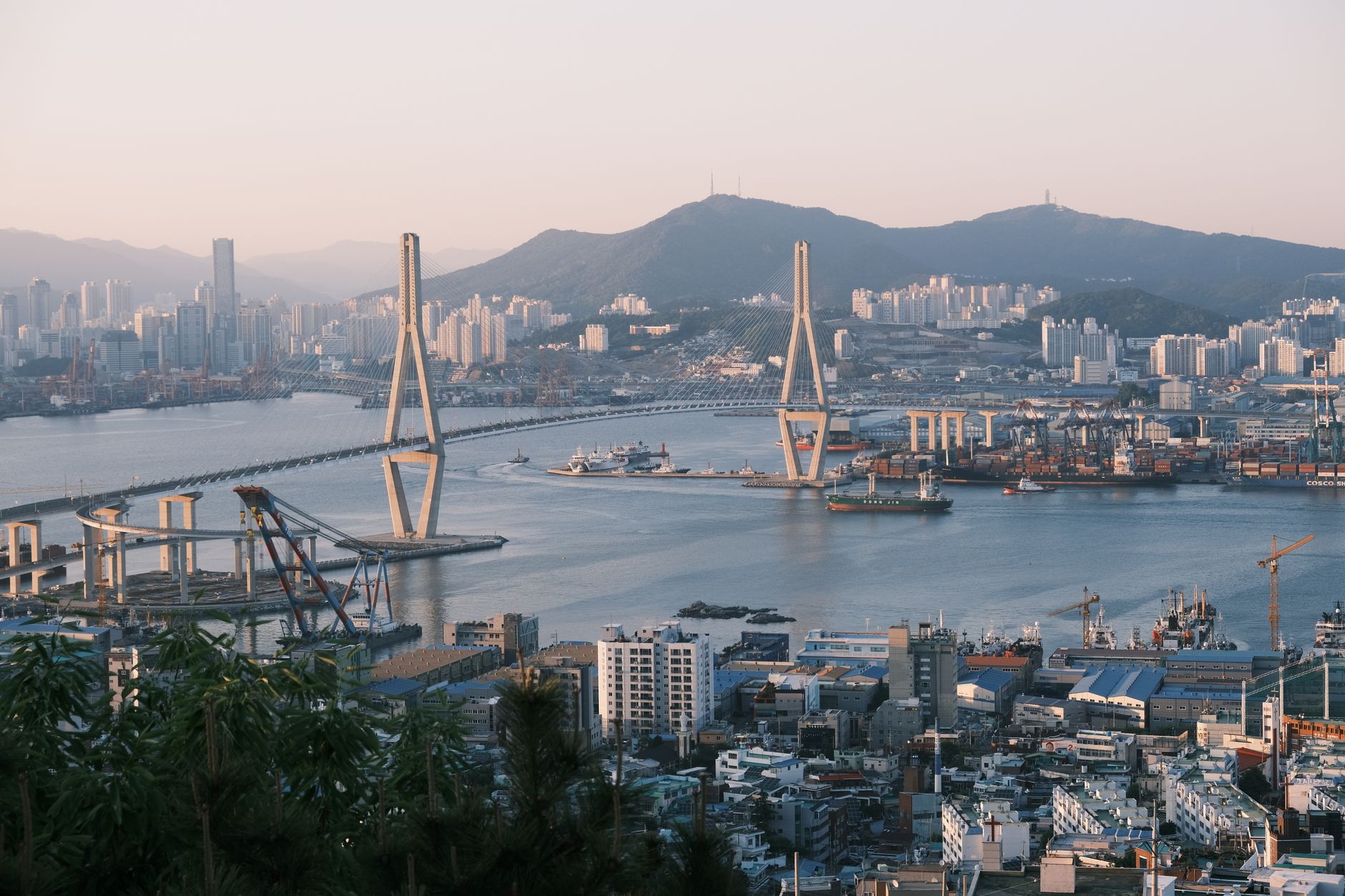
For travelers, understanding the practical dimensions of South Korea can enhance engagement with its rich culture. The Korean language, written in the phonetic alphabet Hangul, is unique and distinct from its neighbors. While English proficiency is increasing, particularly among younger generations and in major urban hubs like Seoul and Busan, a basic grasp of common Korean phrases—such as greetings (Annyeonghaseyo), thanks (Kamsahamnida), and simple directions—is highly appreciated and can facilitate smoother interactions. The logical design of Hangul can make it approachable for travelers learning to read basic signs, with many characters having a visual resemblance to the mouth shapes made when pronouncing them.
Korean cuisine is renowned for its diverse flavors, often characterized by fermented ingredients like kimchi and gochujang (chili paste), and a balance of savory, spicy, and umami tastes. Staples include rice, noodles, and a wide array of side dishes (banchan), which are typically served alongside every meal. Dining is often a communal experience, with dishes like bibimbap, bulgogi, and various stews (jjigae) being popular choices. Exploring local markets and street food vendors offers a deeper immersion into the culinary landscape, allowing travelers to sample regional specialties like Busan’s seafood or Jeolla-do’s famously rich flavors. Understanding basic dining etiquette, such as pouring drinks for elders and passing items with two hands, can also enhance cultural immersion.
From a practical travel perspective, South Korea boasts an efficient and extensive public transportation network. The KTX high-speed rail connects major cities, and urban areas feature comprehensive subway systems, particularly in Seoul, which is one of the world’s largest and most well-connected. Connectivity is crucial for navigation; a South Korea eSIM can provide seamless internet access. The South Korean Won (KRW) is the national currency, and while credit cards are widely accepted in urban centers, carrying some cash is advisable for smaller vendors or rural areas. We recommend securing comprehensive travel insurance for Asia to cover unforeseen circumstances. Given varying seasons, travelers should consider packing layers; a compact universal travel adapter is also a practical item to ensure electronic devices remain charged. Utilizing navigation apps like Naver Map or Kakao Map, which are more accurate than global alternatives, can greatly assist in getting around. Overall, South Korea is known for its high level of public safety and cleanliness, providing a comfortable and secure environment for visitors.
Traveling through South Korea offers an opportunity to engage with a nation that navigates its deep historical roots and traditional values alongside a drive towards future-oriented innovation and global influence. A deeper engagement with South Korea’s complex history, including the legacies of colonialism and division, and an understanding of the societal dynamics that underscore its rapid modernization, can enrich a visitor’s journey. This approach allows travelers to appreciate not only the visible advancements but also the profound resilience, cultural depth, and ongoing evolution of Korean society. Practical preparation—from understanding basic language etiquette to securing necessary travel provisions—will facilitate a smoother experience. By consciously engaging with these layered facets, travelers can move beyond superficial observation to a deeper understanding of this resilient and vibrant country, fostering a more meaningful and informed travel experience that connects with the true essence of South Korea.
Frequently asked questions
Is South Korea safe for travelers?
South Korea is generally considered very safe, with low crime rates. Standard precautions for personal belongings and awareness in crowded areas are advisable, as in any major global destination.
What is the best time of year to visit South Korea?
Spring (April-May) and autumn (September-November) are often recommended for their mild weather and scenic beauty (cherry blossoms or fall foliage). Summers can be hot and humid with monsoon rains, while winters are cold and dry.
Do I need a visa to enter South Korea?
Visa requirements vary significantly by nationality. We advise consulting the official Republic of Korea immigration website or your nearest Korean embassy/consulate well in advance of your trip for the most accurate and up-to-date information regarding entry requirements.
Is English widely spoken in South Korea?
While English proficiency is growing, particularly among younger generations and in major tourist areas of cities like Seoul and Busan, it is not universally spoken. Learning a few basic Korean phrases and utilizing translation apps can significantly enhance interactions.
What is the currency in South Korea and how should I manage money?
The official currency is the South Korean Won (KRW). Credit cards are widely accepted, especially in urban areas. ATMs are common, though international card compatibility should be checked. We recommend carrying some cash for smaller purchases or local markets.
The Weekly Travel Prep Brief
Tours, transfers, and tickets in Korea
A few bookings worth making before you fly to Seoul:
Klook — tours, tickets, and transfers across Asia
Strong coverage in Japan, Korea, Vietnam, Thailand, Hong Kong, Taiwan, and Singapore. Skip-the-line tickets, day tours, airport transfers, and pocket Wi-Fi. Often the cheapest reliable option for major attractions in Asian capitals.
Disclosure: links in this section are affiliate links. Gently Yonder may earn a commission if you book through them, at no extra cost to you.
Experiences worth booking ahead in Seoul
Top-rated tours and activities — book skip-the-line where possible:
Liked this guide? Get one like it, every week.
Short, practical travel-prep emails. Country profiles, packing reminders, gear updates.
No spam, no influencer fluff. Subscribe and the printable Pre-Flight Checklist arrives as your welcome.
Free. The welcome checklist arrives instantly. Unsubscribe in one click, anytime.