Arriving in Japan, the vibrant rhythm of a new place can feel both exhilarating and a touch overwhelming. Yet, navigating its pathways can be one of the simplest joys. For many, a small, unassuming card or a tap of a phone becomes the key to unlocking the country’s efficient public transport system. These are Japan’s IC cards, and understanding them is one of the quiet joys of moving through cities like Tokyo or Kyoto.
No one pays to be recommended here, and we say when a free or cheaper option wins. Our promise →
In this guide9 sections
- What are IC Cards and Why Use Them?
- Understanding Suica, Pasmo, and ICOCA
- The Current Landscape: Card Availability in 2026
- Embracing Digital: Mobile Suica and Pasmo
- Using Your IC Card: Tapping Through Japan
- Topping Up Your Card
- What to Do When You Leave Japan
- What This Means for Your Trip
- Frequently asked questions
Tapping in every day? Where to stay in Tokyo picks the station before the hotel, then compares six neighbourhoods, from Shinjuku to Ueno, and 17 hotels.
What are IC Cards and Why Use Them?

Imagine a single card that lets you glide onto trains, hop on buses, and even pick up a drink at a convenience store, all without fumbling for change. That’s essentially what an IC card offers. These rechargeable cards are a quiet convenience, making daily movements smoother, especially for getting around. Instead of buying individual paper tickets for each journey, you simply tap your card on the reader at the ticket gate or on the bus, and the correct fare is deducted automatically.
For me, the greatest appeal of an IC card lies in the ease it brings to travel. There’s a particular calm in walking up to a train gate, seeing the green arrow illuminate, and knowing my path is clear. It frees up mental space that might otherwise be spent deciphering fare charts or counting coins. This simplicity extends beyond trains and subways too. Many vending machines, station lockers, and even small shops accept IC cards, turning them into a kind of digital wallet for everyday conveniences. It’s a quiet efficiency that quickly becomes part of the travel rhythm.
Understanding Suica, Pasmo, and ICOCA
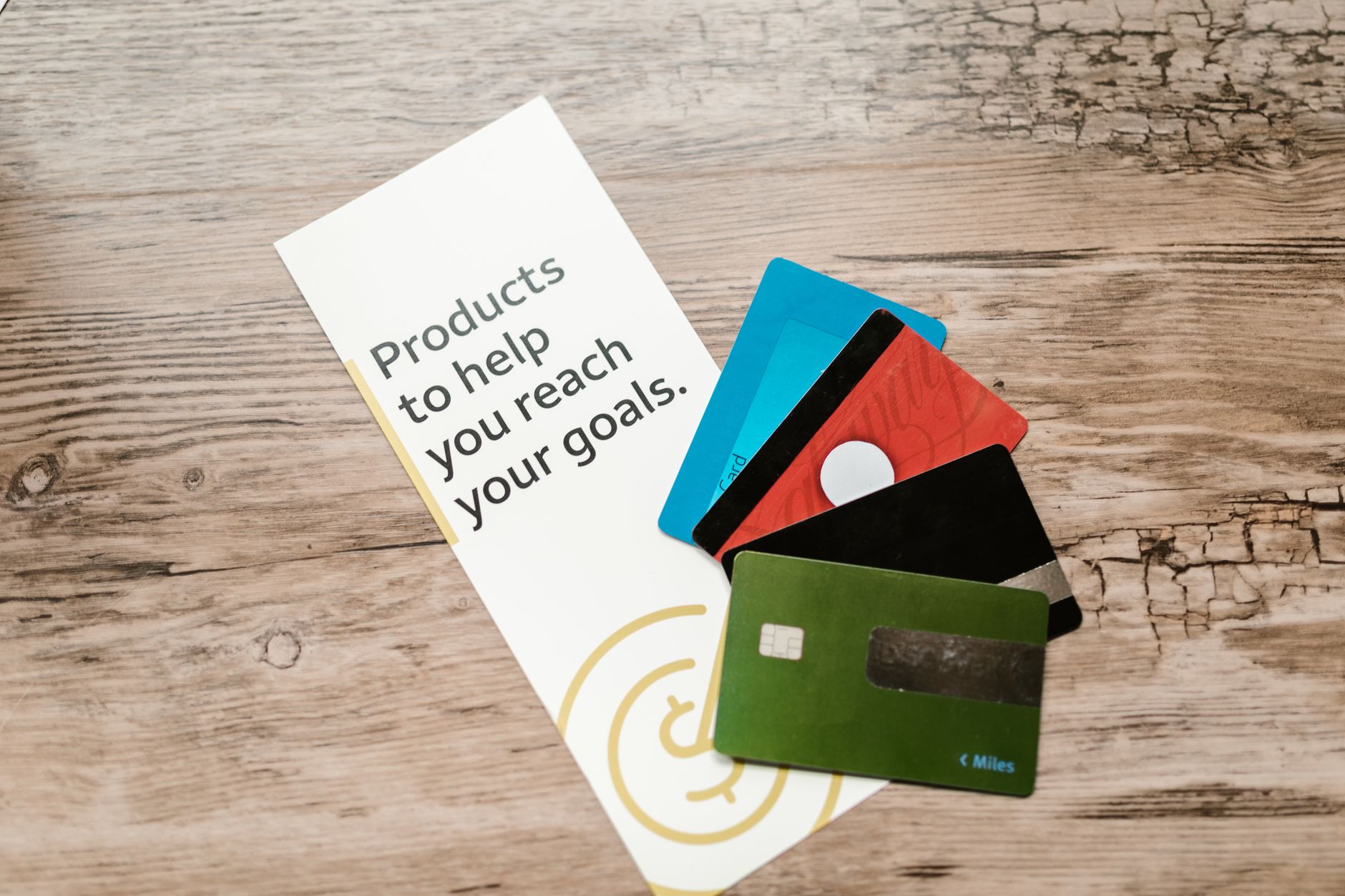
Japan has several regional IC cards, each with its own brand and origin, but for the most part, they function almost identically across the country’s major transport networks. The most widely recognized are Suica (issued by JR East, primarily in the Tokyo area), Pasmo (issued by private railway and subway lines in Tokyo), and ICOCA (issued by JR West, common in the Kansai region like Osaka and Kyoto).
While they have different names and slightly different designs, these cards are generally interoperable. This means a Suica card purchased in Tokyo can be used on the Kyoto subway, and an ICOCA card from Osaka will work on a Tokyo bus. The key is to remember that while you can use any major IC card almost anywhere, you’ll typically need to top it up or get a refund from the company that issued it. This widespread compatibility simplifies things considerably, meaning you don’t need a different card for every region you visit. Just one will generally suffice for your daily movements.
The Current Landscape: Card Availability in 2026
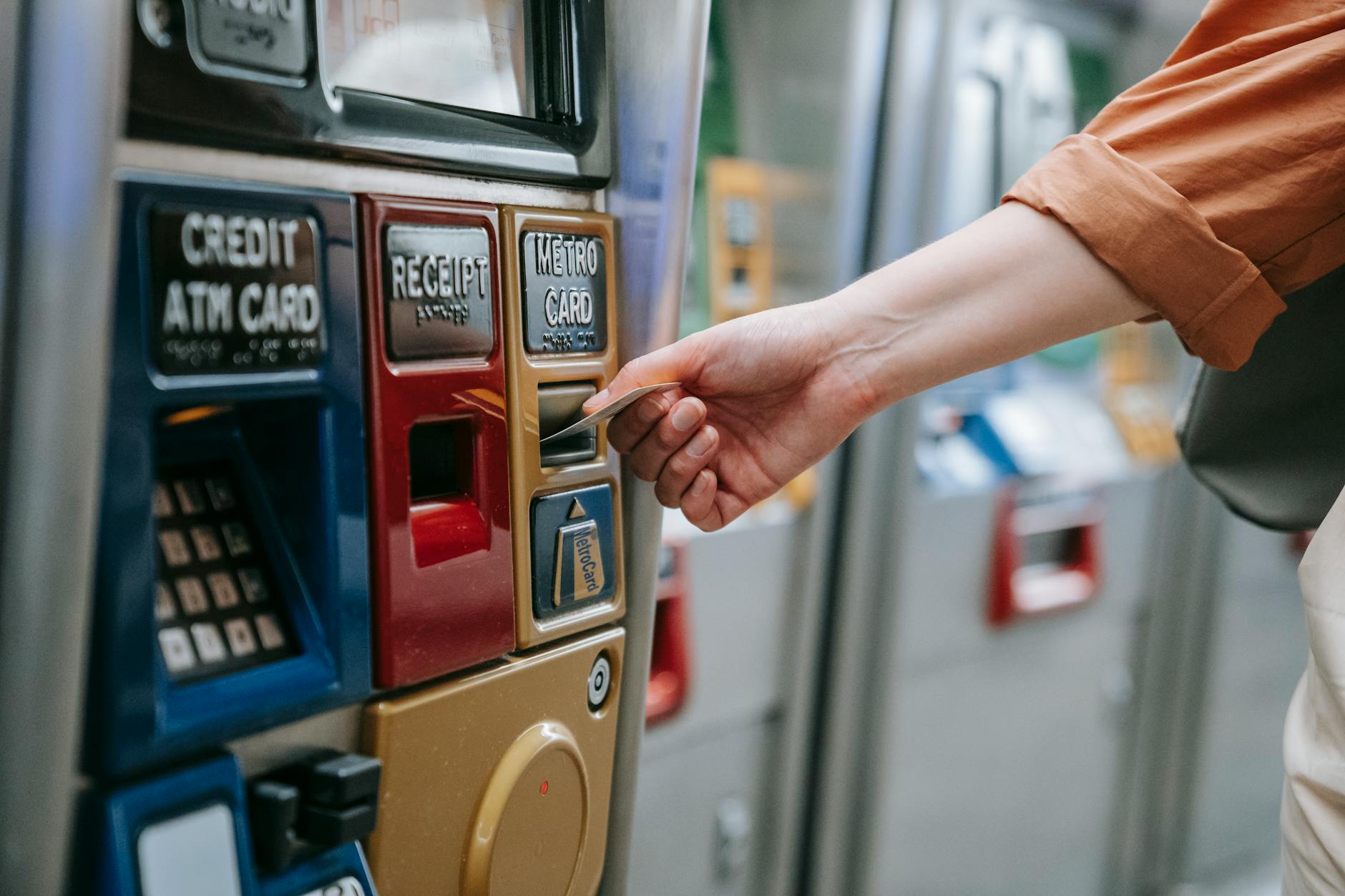
As you plan your journey to Japan, it’s helpful to know about the current situation with physical IC cards. Since 2023, there have been significant production halts for new physical Suica and Pasmo cards due to global semiconductor shortages. This has made standard IC cards difficult, if not impossible, to purchase at regular ticket machines.
As of early 2026, the situation for obtaining physical cards remains somewhat constrained. For visitors, there may be limited availability of tourist-specific versions such as the “Welcome Suica” (red design) or “Pasmo Passport” (decorated with Sanrio characters). These cards are typically valid for a limited period (e.g., 28 days), often have no deposit, and any remaining balance is usually non-refundable. They are designed for short-term stays and might be available only at specific airport or major station counters. It’s always a good practice to check the official JR East, Pasmo, or other regional transport websites close to your travel date for the most up-to-date information on availability. My personal advice is to be prepared for the likelihood of not finding a standard physical card and to consider digital alternatives.
Embracing Digital: Mobile Suica and Pasmo

With physical cards currently scarce, moving to digital options is now often the simplest way to carry an IC card. Mobile Suica and Mobile Pasmo let you carry your transit card right on your phone or smartwatch, transforming your device into your easy pass through Japan’s transport gates.
For iPhone users, the process is quite seamless. You can add a new “Transit Card” directly in your Apple Wallet, selecting Suica or Pasmo. Once added, you can top it up directly using a linked credit or debit card, including many international cards. Your phone then functions just like a physical card: simply hold it near the reader at the gate. If you have an Android device, you’ll typically need a phone compatible with Osaifu-Keitai (a Japanese mobile payment standard) and the Google Pay app or the official Suica app. The setup and topping-up process are similar, using your linked payment method.
A mobile IC card offers a distinct sense of ease. There’s no physical card to lose, and topping up can be done anywhere with an internet connection. I find it particularly reassuring to know I can add funds while waiting for a train, rather than searching for a ticket machine. It brings a quiet calm to the everyday movements of travel. Having a reliable internet connection on your phone is vital for setting this up and managing your balance on the go. an Airalo travel eSIM An eSIM is a digital SIM card that allows you to activate a cellular plan without a physical SIM. For travelers in Japan, an eSIM provides immediate, reliable data access upon arrival. This is especially helpful for setting up and topping up Mobile Suica/Pasmo, using navigation apps, and generally staying connected without needing to hunt for Wi-Fi or local SIM cards.
Using Your IC Card: Tapping Through Japan
Once you have your IC card, on your phone or in hand, you’ll find it refreshingly simple to use. When entering a train station, simply tap your card on the IC reader at the ticket gate. You’ll hear a soft chime, and the gate will open. Do the same when you exit at your destination. The system automatically calculates the correct fare based on the distance traveled and deducts it from your balance. For buses, you typically tap when you enter and sometimes again when you exit, depending on whether it’s a flat-fare or distance-based route.
IC cards also reach beyond just trains and buses. I’ve often used mine for small purchases at convenience stores (konbini), for vending machines, to pay for coin lockers at stations, and occasionally even at some taxis. Look for the IC card logo (often with Suica, Pasmo, or the local card name) at checkout counters. These small, frequent transactions become notably quicker, lessening the need to carry much cash. Just remember that for long-distance travel, like the Shinkansen (bullet train), you’ll still need to purchase separate tickets, although some specific Shinkansen services now allow IC card integration with prior registration.
Topping Up Your Card
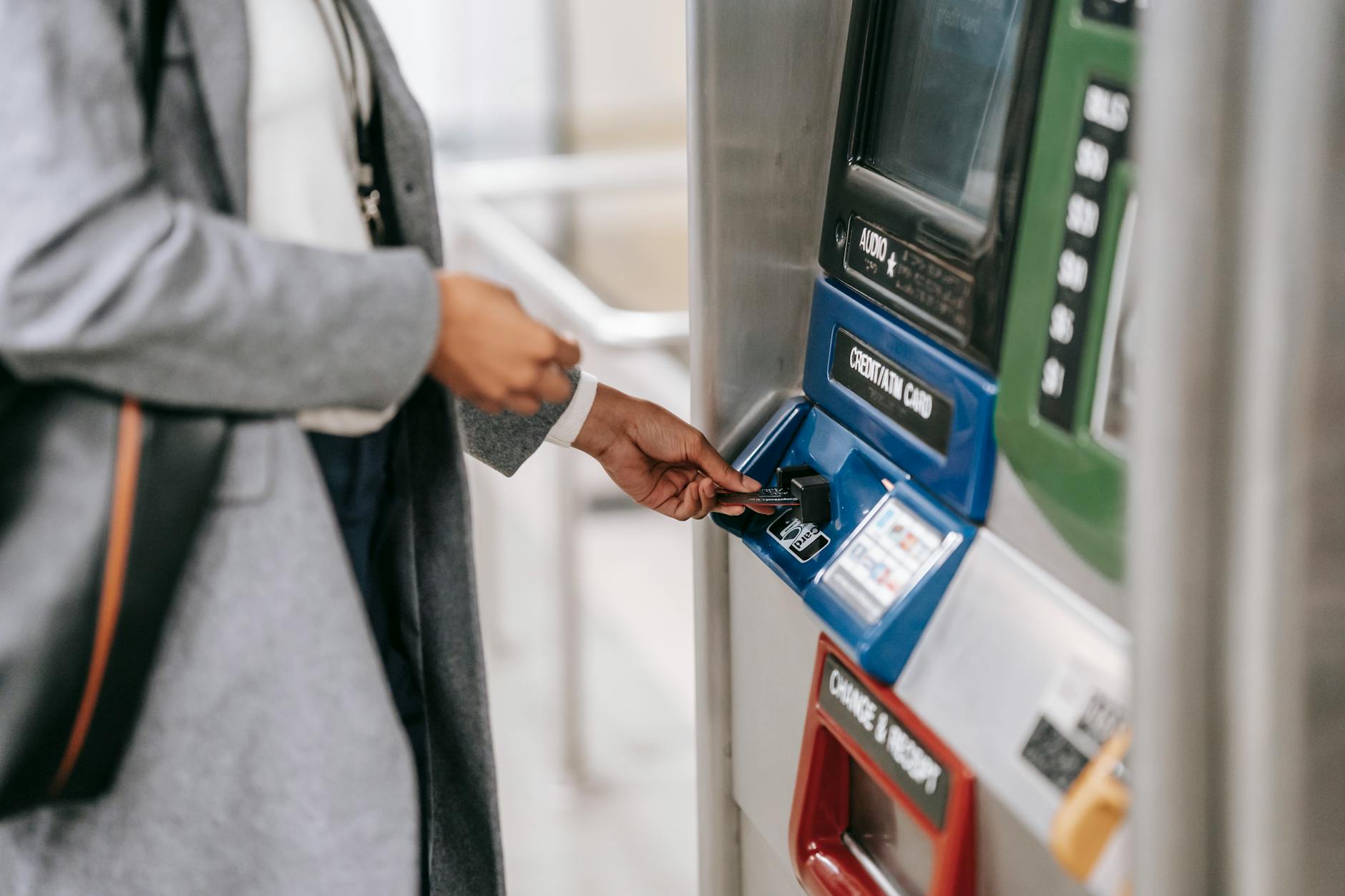
Keeping your IC card charged is a straightforward process. For physical cards, you can top up at any ticket machine that displays the IC card logo at train stations. These machines usually have English language options. You’ll insert your card, select “charge,” and then feed in cash. While some machines are beginning to accept credit cards, cash is still the most widely accepted payment method for physical card top-ups.
Convenience stores, omnipresent in Japan, also offer topping up services. Just hand your card and the desired cash amount to the cashier and say “charge” (チャージ, chaaji). For mobile IC cards, this process is even smoother. You simply open your Apple Wallet or the relevant Android app, select your Suica or Pasmo card, choose an amount, and use your linked credit or debit card. This method is particularly handy for travelers, as it bypasses the need for Japanese cash or finding a specific machine. It’s a small detail, but it contributes significantly to the feeling of effortless travel.
What to Do When You Leave Japan

As your journey in Japan draws to a close, you might wonder what to do with your IC card. If you have a physical card, you can get a refund for your remaining balance and the 500 yen deposit (if applicable) at the issuing company’s ticket offices. For example, a Suica card can be refunded at a JR East Travel Service Center or Midori-no-Madoguchi (ticket office) within the JR East operating area. Be aware that a small handling fee might be deducted from the balance. For tourist-specific cards like Welcome Suica or Pasmo Passport, there is typically no deposit and often no refund available for the remaining balance, so it’s best to try and use up the funds.
For mobile IC cards, managing funds feels even more effortless. You can either keep the card on your phone for a future trip (the balance generally doesn’t expire quickly), or you can transfer the remaining balance back to your linked credit card through the app, though some cards might have a minimum balance or conversion fees. I often choose to simply leave a small balance on my mobile card; it’s a pleasant reminder of past journeys and a convenient head start for the next one. When looking ahead to your next adventure, whether it’s your journey home or a new destination, finding a gentle way to organize your travel details can make all the difference. For those moments when you’re piecing together flights, accommodations, or train connections, a clear, trusted booking platform can help ensure a smooth transition, allowing the experience to unfold without added stress.
What This Means for Your Trip
The recent shift towards digital IC cards means that a little preparation before you arrive in Japan can greatly ease your journey. Setting up Mobile Suica or Pasmo on your phone before you leave home is often the smoothest way to ensure you’re ready for Japan’s public transport from the moment you land. It frees you from the concern of finding a physical card and allows you to focus on the experience itself.
I find that these small acts of preparation contribute to a more relaxed journey. When the practical details are handled, it leaves more room for observation: the rhythmic chime of the train doors, the soft murmur of conversations on the platform, the changing streetscapes glimpsed through a bus window. It’s in these moments of gentle movement that a deeper connection to a place can begin to form, allowing curiosity to take root and everyday life to unfold around you. The IC card, in its quiet efficiency, simply makes it easier to be present for it all.
Frequently asked questions
Can I still get a physical Suica or Pasmo card in 2026?
Physical cards remain difficult to acquire due to production halts. Limited tourist-specific cards (Welcome Suica, Pasmo Passport) may be available, but mobile options are generally the most reliable choice.
Is Mobile Suica or Pasmo available on all smartphones?
Mobile Suica/Pasmo works on iPhone (via Apple Wallet) and many Android phones with Osaifu-Keitai compatibility, typically through Google Pay or the official Suica app. Check your device's compatibility before you travel.
Can I use my IC card on the Shinkansen?
IC cards are generally for local trains, subways, and buses. While some specific Shinkansen routes allow IC card usage with prior registration or special tickets, it's not their primary function. You'll typically buy separate Shinkansen tickets.
What's the difference between Suica, Pasmo, and ICOCA?
Suica, Pasmo, and ICOCA are regional brands for Japan's IC transit cards, but they are largely interchangeable for travel on most trains, subways, and buses across the country. The main difference is where they are issued and where you'd go for refunds on physical cards.
Do I need an internet connection to use Mobile Suica or Pasmo?
No, once loaded with a balance, Mobile Suica/Pasmo operates using NFC technology and does not require an active internet connection to tap in and out of gates or make purchases. An internet connection is only needed to top up the card or manage settings.
Keep reading on Gently Yonder
- Airalo vs Holafly vs Saily — The three big travel eSIM providers compared — coverage, pricing, and who each suits.
- Best eSIM for Japan, Korea & Vietnam — Destination-by-destination eSIM picks for three popular Asian countries.
- Pocket WiFi vs eSIM — Which connectivity option wins — solo vs group, cost, battery, and setup compared.
- Hotel Booking Sites Compared — Hotels.com, Booking.com, Trip.com, Agoda — what each is genuinely good for.
- Travel Insurance Compared — SafetyWing vs World Nomads vs Genki — coverage, exclusions, and how to choose.
- Japan Country Profile — Eight-section country deep-dive: history, geography, society, and travel prep.