Taipei is, I think, one of the gentlest great cities in Asia to arrive in for the first time — and one of the most quietly rewarding. It is dense but unhurried, spectacularly good to eat in, disarmingly friendly, and ringed by green mountains you can be standing on within half an hour of the metro. It does not announce itself the way Tokyo or Hong Kong do; it grows on you, meal by meal, street by street, until you realise on about the third day that you have relaxed in a way you didn’t expect. If it is your first visit, the city rewards a slightly slow approach: pick a neighbourhood, learn the two or three small things that make daily life effortless, and let the rest arrive on its own.
No one pays to be recommended here, and we say when a free or cheaper option wins. Our promise →
In this guide9 sections
- The shape of the city, and where to base yourself
- Getting in, and the one card that runs your trip
- Eating, which is genuinely the point
- The green edges: mountains and hot springs
- A day trip: Jiufen, the lanterns, and the coast
- The big sights, up close
- Honest practicalities
- A gentle first-trip shape
- Frequently asked questions
Two of those small things are worth sorting before you leave the airport. First, connectivity — you’ll want maps, the metro app, and translation working from the moment you land, and a travel eSIM activated before you fly is the least stressful way to do it. Second, a quick browse of what you’ll want to book ahead: the high-speed rail, day trips out to Jiufen, hot-spring passes and the like are easiest to arrange in English through KKday — a Taiwanese company, and unsurprisingly strong here — or Klook. Neither is essential on day one, but knowing they exist takes the friction out of the trip.
The shape of the city, and where to base yourself

Taipei sits in a basin, ringed by hills, with the Tamsui and Keelung rivers looping around its edges. You’ll orient almost entirely by the MRT metro — clean, cheap, punctual, and signed in clear English — and by the single landmark you can see from half the city: Taipei 101, the tapering, bamboo-segmented green tower in the Xinyi district that was, briefly, the tallest building in the world.
For the hotels, where to stay in Taipei compares five areas, from Taipei Main Station to the hot springs of Beitou, and names 12 hotels, with the catch for each.
For a first stay, a handful of neighbourhoods stand out. Ximending is the youthful, neon-lit pedestrian quarter — often likened to a smaller, calmer Shibuya — cheap, central, and lively into the night; good if you want energy on your doorstep. Da’an is the leafy, liveable heart: tree-lined streets, excellent cafés, and the big central park, quieter but beautifully connected. Zhongshan and old Datong to the north hold the historic temples and Dihua Street’s lovely restored shophouses. And Xinyi, around 101, is the modern, polished side — malls, hotels, and the trailhead up Elephant Mountain. Any of them works; I tend to send first-timers to Da’an or Ximending.
Getting in, and the one card that runs your trip

From Taoyuan International Airport, the Airport MRT runs directly into the city — to Taipei Main Station in roughly 40 minutes — and it’s the easy, cheap default. Arriving late, jet-lagged, or with a lot of luggage, a taxi or a pre-booked private airport pickup takes the last bit of guesswork out of a first night.
Whatever you do, the single most useful thing on arrival is to buy an EasyCard (悠遊卡). It’s a contactless stored-value card, and it does far more than the metro: buses, the YouBike share bikes, ferries, and — the part travellers underestimate — almost any convenience store. Which brings me to a genuine Taipei truth: the convenience stores (7-Eleven and FamilyMart, on seemingly every corner) are a small marvel. You can pay bills, collect tickets, get decent coffee and a hot meal, and top up your card, all at 3am. Tap on, tap off, top up at any of them, and the city becomes something you move through without thinking.
Eating, which is genuinely the point
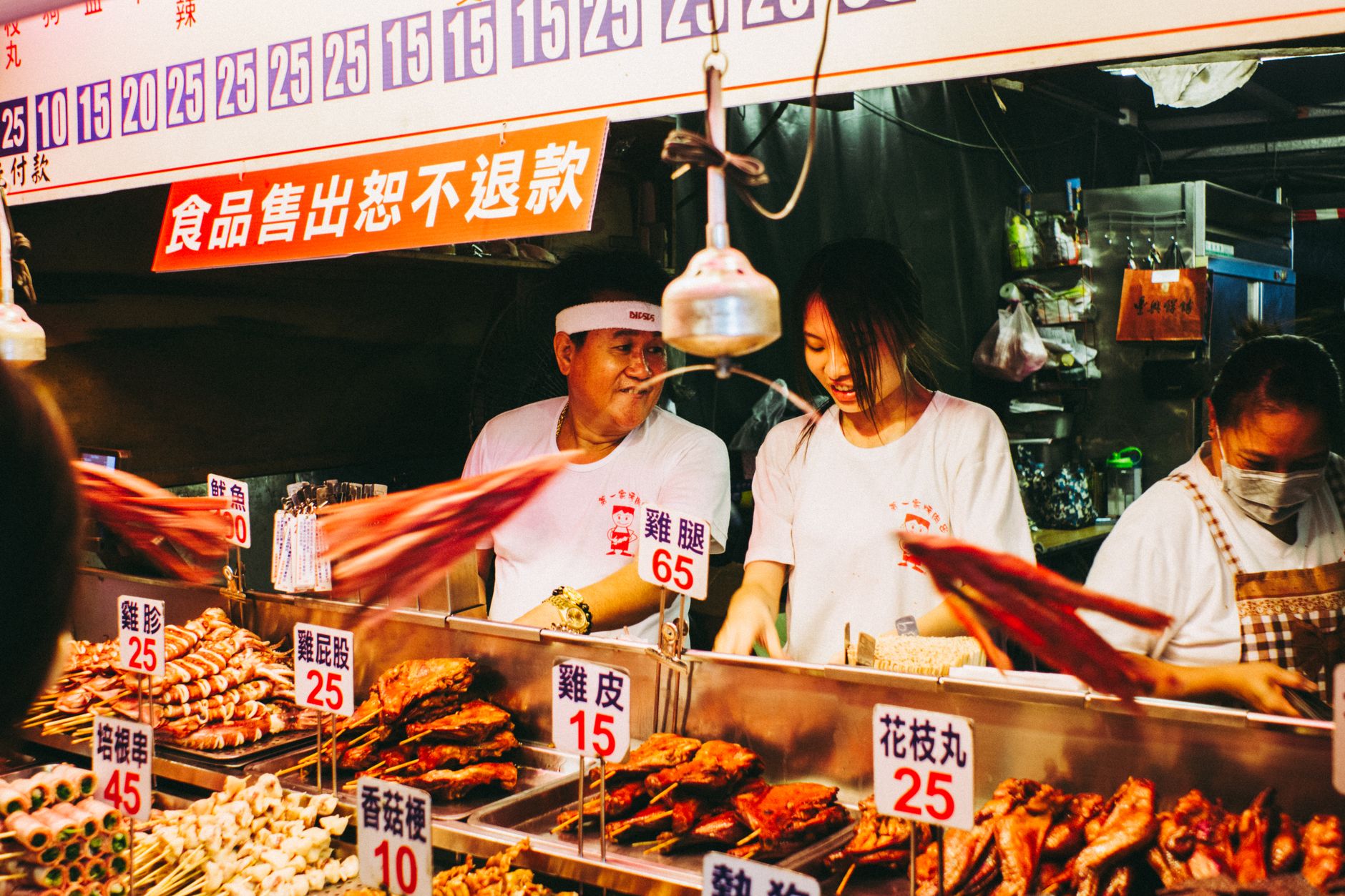
It would be honest to say people come to Taipei to eat, and the city makes it effortless and cheap. A few anchors for a first visit: beef noodle soup is the unofficial dish, rich and slow-braised, and Taipei takes it seriously enough to hold an annual festival for it. Xiao long bao — the soup dumplings — were made famous here; the original Din Tai Fung began in Taipei, and while it’s now a global name, eating them at the source is a small pilgrimage worth making. Beyond that: gua bao (a folded steamed bun around braised pork), oyster omelette, peppery pork buns, and the shaved-ice mountains of summer.
And then there are the night markets, where the city is most itself after dark. Shilin is the biggest and best known, sprawling and touristy but fun; Raohe, more compact and, for many of us, more enjoyable, is my usual recommendation; Ningxia is smaller and purely about the food. Go hungry, carry your EasyCard and some cash, and graze rather than plan. One more thing worth knowing: bubble tea was invented in Taiwan in the 1980s, so it’s worth drinking at the source, and the local breakfast — hot soy milk, egg crêpes (dan bing), fried dough sticks — is a lovely, cheap way to start a day.
The green edges: mountains and hot springs
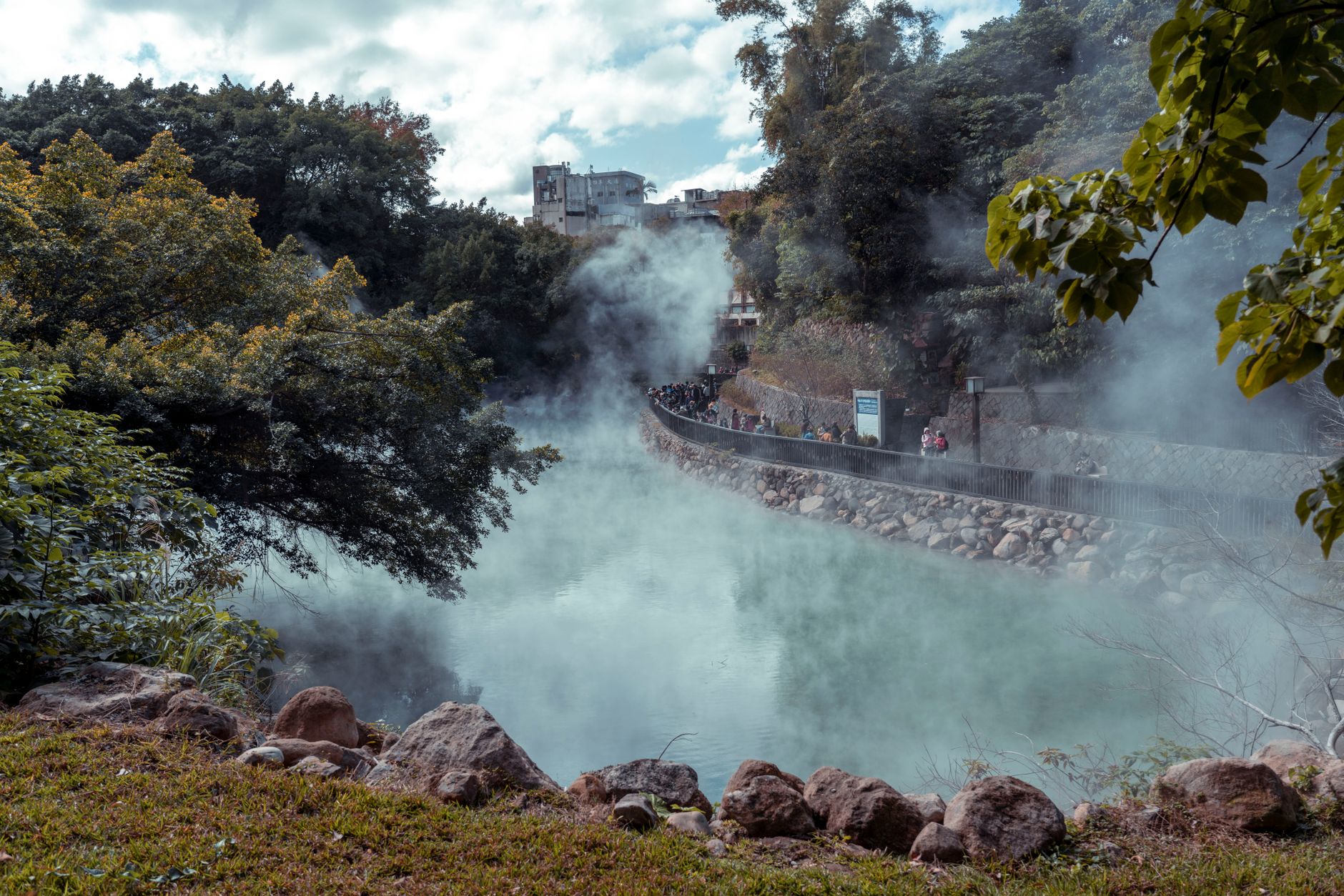
For all its density, Taipei is wrapped in nature, and the easy escapes are part of what makes it special. For the postcard view of Taipei 101 rising out of the city at dusk, walk up Elephant Mountain (Xiangshan) — a short, steep flight of steps straight from the MRT, twenty to thirty minutes of climbing for the best skyline in the city; go near sunset and bring water. To the north, Beitou is a hot-spring valley at the end of a metro line, where you can soak in public or private baths amid steam and sulphur — best in cooler months. And Maokong, reached by a gondola from the zoo, is tea-plantation country in the hills, with teahouses looking back over the city and the cable-car ride as half the pleasure. If you have more time, Yangmingshan National Park brings volcanic steam vents and trails within the city limits.
A day trip: Jiufen, the lanterns, and the coast
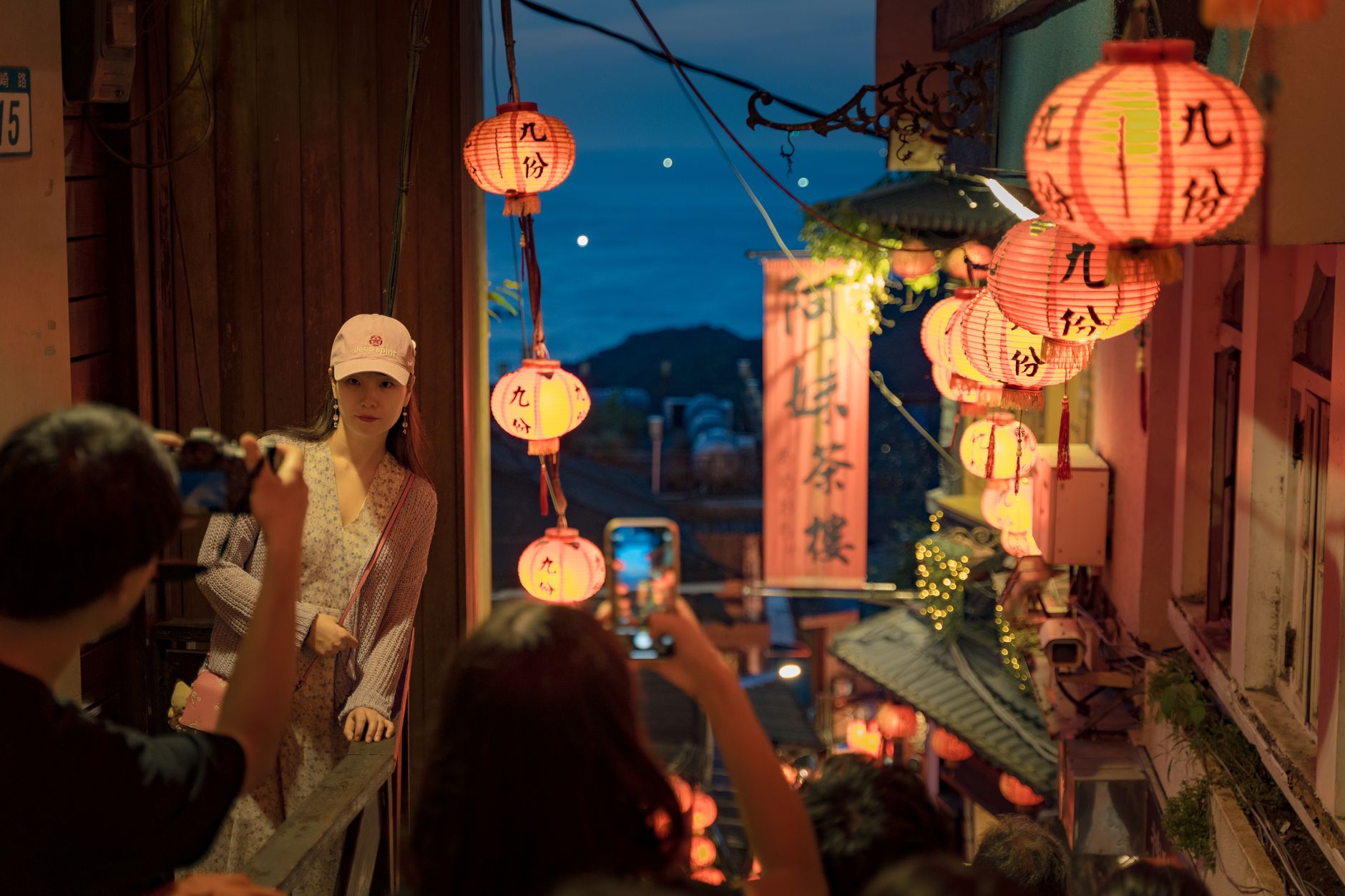
When you have a spare day, the old gold-mining town of Jiufen, clinging to a hillside on the northeast coast, is the classic outing — lantern-lit lanes, teahouses, and sea views, at their most atmospheric in the late afternoon as the lights come on. Be honest with yourself about crowds: it is popular, and best enjoyed by staying past the day-tripper rush. It pairs naturally with the Pingxi railway line, where people release paper sky lanterns, and the quiet northeast coast. You can do it all by train and bus with a little patience, but many travellers fold the stops together with an easy small-group day tour from Taipei, which spares you the logistics.
The big sights, up close
The Taipei 101 observatory, near the 89th floor and reached by one of the fastest lifts in the world, is the classic first-day orientation. Look for the giant golden mass damper, the pendulum that steadies the tower in typhoons. Go at opening or late afternoon to soften the crowds, and consider timed entry to skip the queue.
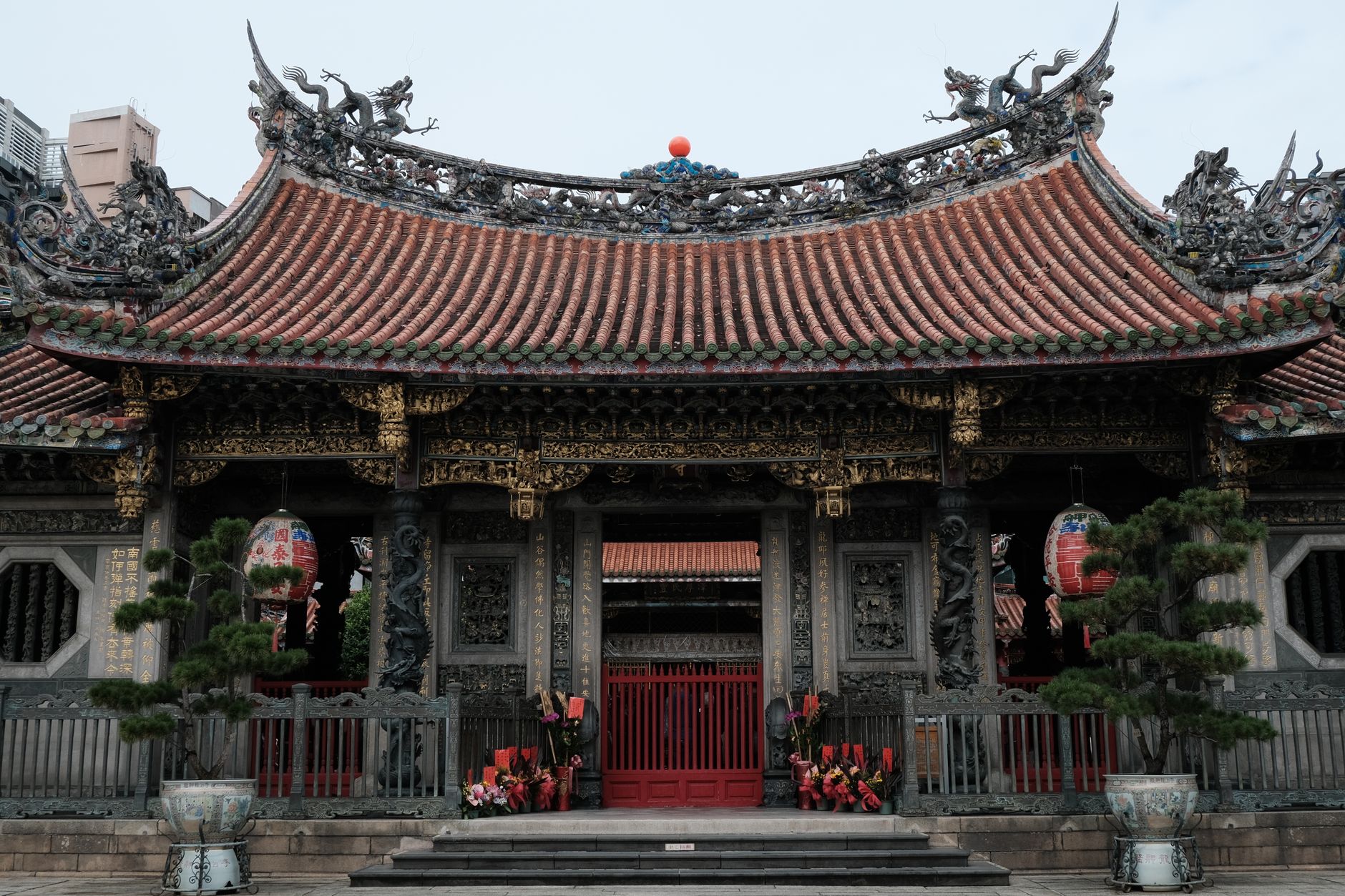
Longshan Temple, in the old Wanhua (Bangka) district, is the city’s most atmospheric working temple: incense in clouds, chanting, and locals petitioning the gods for everything from health to romance. The restored Bopiliao Historic Block and the herb-scented lanes nearby are a window into the oldest part of Taipei. For a grander mood, the Chiang Kai-shek Memorial Hall presides over Liberty Square, with a changing-of-the-guard ceremony beneath the seated bronze statue.
At the National Palace Museum, much of it the imperial collection carried to Taiwan in 1949, everyone queues for two small pieces: the Jadeite Cabbage and the uncannily realistic Meat-shaped Stone. Give it a half-day, go early to beat the tour groups, and take an audio guide. It sits north of the centre, so pair it with Shilin.
At the night markets, Shilin is known for the hand-sized fried chicken cutlets of Hot-Star; at Raohe, by the Songshan temple, queue at the entrance for the Fuzhou black-pepper pork buns baked in a clay oven; Ningxia is the place for taro balls.
In Beitou, the public Millennium Hot Spring, the steaming, jade-green Thermal Valley and the wooden Beitou Public Library are all reached on the little Xinbeitou branch train. On the Maokong gondola, ask for the glass-floored “Crystal Cabin”, then sit with a pot of local tie guan yin tea.
In Jiufen, climb Shuqi Road, the steep stone staircase lined with red lanterns, to the A-Mei Teahouse perched over it. On the Pingxi line, you write a wish on a paper sky lantern before releasing it.
Honest practicalities
A few things I wish someone had told me. Cash still matters — cards work in malls and chains, but night markets and small shops often want cash, and the convenience stores will top up your EasyCard. Tap water is generally treated but most locals drink it filtered or boiled; bottled and refill stations are everywhere. Taipei is remarkably safe and friendly, and while English is common in the metro and among younger people, a translation app smooths the rest — another reason to sort that eSIM early. On timing: the city is warm and humid, and the honest advice is to avoid the peak of summer, which is hot and falls within typhoon season (roughly summer into early autumn); autumn and spring are the most comfortable, and winter is mild, grey, and secretly lovely — it’s when the Beitou hot springs are at their best.
A gentle first-trip shape
If you like a loose plan, a relaxed four days might look like this: a first day easing into your neighbourhood, a temple or two, and a night market; a second for the headline sights — Taipei 101, the National Palace Museum (one of the world’s great collections of Chinese art), Longshan Temple; a third on the green edges, up Elephant Mountain and out to Beitou to soak; and a fourth out to Jiufen and the coast. Anchor each day with one big thing, leave room to wander and eat, and don’t over-schedule — Taipei is a city that rewards the unplanned hour.
For each sight in more depth, see “The big sights up close” above; for trains, metro, and the EasyCard in depth, the Getting Around Taiwan guide. As ever, opening hours, fares, and prices shift, so confirm anything specific close to your dates — but the warmth, and the food, you can count on.
Frequently asked questions
How many days do you need in Taipei?
Three to four days is a comfortable first visit: time to ease into a neighbourhood and a night market, see the big sights like Taipei 101 and the National Palace Museum, spend a day on the green edges or the Beitou hot springs, and take a day trip to Jiufen or the coast.
What is the EasyCard and do I need one?
The EasyCard is Taipei's contactless transit card. It works on the MRT metro, buses, YouBike share bikes, and at convenience stores, so it makes getting around effortless. Buy one early — it is the single most useful thing to sort on arrival.
When is the best time to visit Taipei?
Autumn and spring are the most comfortable. Avoid the peak of summer, which is hot and humid and falls within typhoon season; winter is mild and grey but pleasant, and the Beitou hot springs are at their best when the air is cool. Always check a current forecast close to your dates.
How do I get from Taoyuan Airport into Taipei?
The Airport MRT runs directly into the city in around 40 minutes. A taxi or a pre-booked private airport pickup is the easier option late at night or with heavy luggage.
Keep reading on Gently Yonder
- Where to Stay in Taipei Five areas and 12 hotels, from Taipei Main Station to a hot-spring room in Beitou.
- Getting Around Taiwan The EasyCard, the Taipei MRT, buses and YouBike, and the airport run — how the island actually connects.
- Where to Book a Taipei Day Tour KKday is Taiwanese and carries the deeper inventory; Klook's north-coast listings commonly include Yehliu entry. The gap is under 5%.
- Taiwan High Speed Rail: Which Discount? Three discounts that don't stack — and the 3-Day Pass usually loses to Early Bird fares and the buy-one-get-one pair.
- Best eSIM for Taiwan (2026) Coverage across Taipei and the island, how much data you need, and the pick for a short trip.