No one pays to be recommended here, and we say when a free or cheaper option wins. Our promise →
In this guide7 sections
If you searched for a flight from Tokyo to Kyoto, the first thing to know is that Kyoto has no airport. Flying means landing at Osaka’s Itami or Kansai airport and continuing by bus or train — about four to five hours door to door, against 2 hours 15 minutes on the Nozomi from Tokyo Station to Kyoto Station. Here is how the three ways actually compare.
| Shinkansen (Nozomi) | Flight via Osaka | Highway bus | |
|---|---|---|---|
| Door to door | About 2h15, city centre to city centre | About 4–5 hours: out to Haneda, about 1h10 in the air, then 50–55 min by bus from Itami | 7–9 hours, usually overnight |
| One way | About ¥14,170 for a reserved seat | Advance fares sometimes undercut the train — then add about ¥1,500 for the Itami–Kyoto bus and your trip to Haneda | Roughly ¥4,000–¥10,000, by seat type and date |
| Arrives at | Kyoto Station | Itami or Kansai airport, about an hour out | Kyoto Station area |
| Best for | Almost everyone | Only if you’re already at the airport, or a fare sale lines up | The tightest budget, or saving a night’s hotel |
The Shinkansen: Speed and Scenic Views
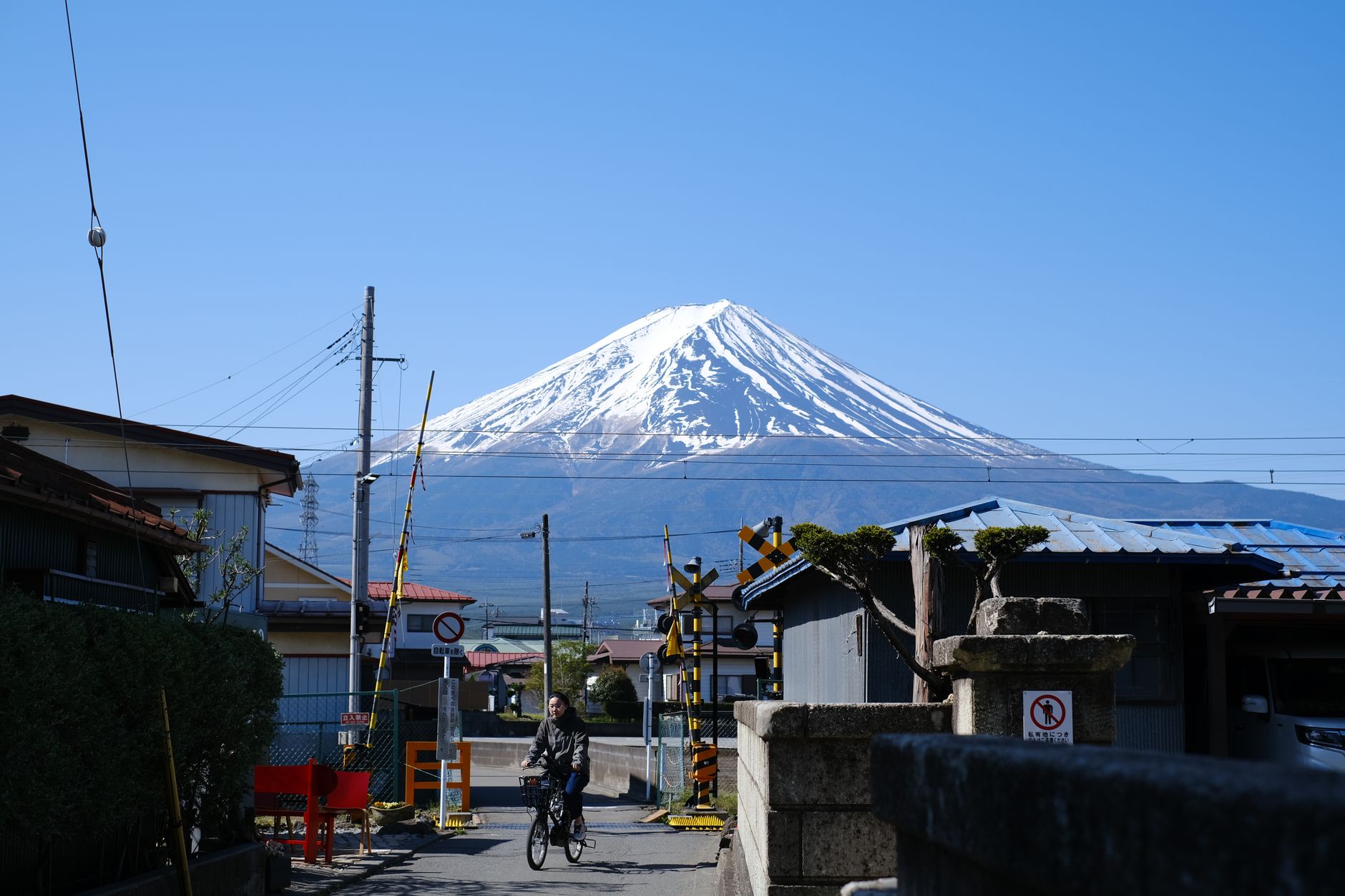
For many, the Shinkansen, or bullet train, is often one of the most familiar images of Japanese travel. It is often my first thought when considering travel between these two cities, and for good reason. The Tokaido Shinkansen line connects Tokyo Station and Kyoto Station with a remarkable ease. The journey takes about two hours and fifteen minutes on the fastest Nozomi services, and around two hours and forty minutes on a Hikari. Even the slightly slower Hikari services, which are covered by the Japan Rail Pass, offer a swift passage, adding perhaps an extra hour to the overall travel time.
What I appreciate most about the Shinkansen is its seamlessness. You can walk into a major city station, find your platform, and feel moments later as you’re smoothly whisked away. There’s no lengthy security check, no need to arrive hours in advance. Once aboard, the trains glide with a remarkable quietness and smoothness, offering wide windows through which the Japanese countryside, and often glimpses of Mount Fuji, gently drift by. It feels like a quiet moment suspended between two bustling worlds. The seats are comfortable, with ample legroom even in standard class, and you can usually find space for carry-on luggage above your head. For larger bags, there are designated oversized luggage spaces, which require a simple advance reservation on certain services. A small trolley might come through with drinks and snacks, adding to the gentle rhythm of the journey. A one-way unreserved seat typically costs around 13,000 yen, with reserved seats a little more. These fares can shift, so I always recommend checking official Japan Rail websites for the most current pricing closer to your travel dates. For those considering a Japan Rail Pass, it’s worth noting that the fastest Nozomi trains are not covered, but the Hikari and Kodama services are, making the pass a cost-effective option if you plan extensive train travel beyond just this route.
Taking to the Skies: Flying Between Cities
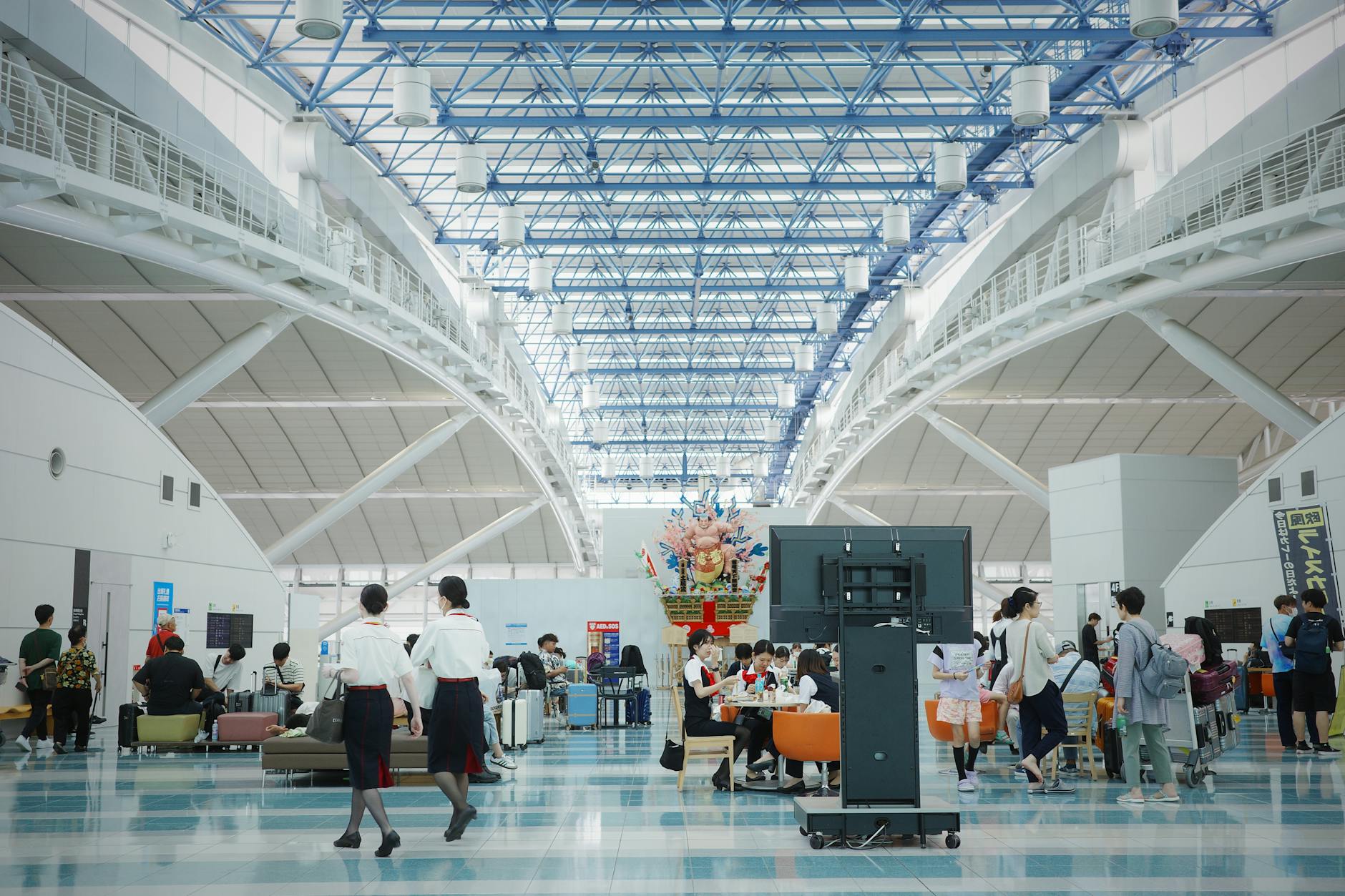
While Japan has an excellent domestic flight network, flying between Tokyo and Kyoto is rarely the most practical choice. Kyoto itself does not have an airport, meaning any flight would involve landing at either Osaka’s Itami (ITM) or Kansai (KIX) International Airport. This adds significant transfer time to the overall journey.
To truly compare these options, it’s worth looking at the full picture. First, you’ll need to travel to Tokyo’s Narita (NRT) or Haneda (HND) airport, which can take an hour or more from central Tokyo. Then, there’s the standard airport experience: check-in, security, and waiting time. The Haneda–Itami flight itself takes about 1 hour 10 minutes. Upon landing in Osaka, you’ll then need to make your way to Kyoto. From Itami, the airport limousine bus reaches Kyoto Station in 50–55 minutes for about ¥1,500. From Kansai International, the Haruka limited express is the usual choice, taking around 75 minutes to Kyoto Station. When you tally up all these components – transfers, airport time, flight, and post-flight transfer – the total travel time often rivals or exceeds that of the Shinkansen, usually clocking in at around four to five hours, sometimes more.
Cost-wise, domestic flights can sometimes be cheaper than the Shinkansen, especially if booked well in advance with budget carriers. However, these prices often don’t include the cost of airport transfers, which can add a few thousand yen each way. Luggage policies are also stricter on flights, with additional fees for checked bags often applying. I find that flying only makes sense if Kyoto is not your ultimate destination but rather a stop along a much longer domestic air route, or if you happen to be already at the airport for an international connection. Otherwise, the convenience of city-centre to city-centre train travel often outweighs any perceived savings.
The Overnight Bus: Budget and a Unique Perspective

For the budget-conscious traveler or those who appreciate a slower pace, the overnight highway bus offers a compelling alternative. This option allows you to save on a night’s accommodation while traveling between Tokyo and Kyoto. These buses typically depart from major terminals in Tokyo, such as Shinjuku or Tokyo Station, in the late evening and arrive in Kyoto early the following morning.
The journey is long, usually between seven and nine hours. Comfort levels vary significantly depending on the bus company and the class of service you choose. Basic buses offer standard reclining seats, which can be a little cramped for a full night’s sleep. However, many companies offer premium services with wider seats, more recline, privacy curtains, or even individual pods, providing a much more restful experience. These higher-end services cost more. Fares move with the date and the seat: on Willer’s booking calendar in late September 2026 the cheapest seat was ¥2,100 on a weekday and ¥4,200 on a Saturday, and three- or two-across premium seats cost more, but even those come in under a Shinkansen ticket plus a night in a hotel. Luggage is stored in the compartment underneath the bus, making it quite convenient for even larger bags, though there are usually size and weight limits.
I’ve taken overnight buses on occasion, and I find them to be a unique way to travel. There’s a certain quiet camaraderie among the passengers, all sharing the journey through the night. You wake to a new city, the sun just rising, and the streets still relatively calm – a gentle start for slow morning exploration. While not for everyone, especially if you struggle to sleep on the move, the overnight bus can be a smart choice for those prioritizing cost savings and an unconventional travel experience.
Comparing the Practicalities: Time, Cost, and Comfort

When thinking about these options, it’s useful to consider a few practical points:
- Journey Time: The Shinkansen is generally the fastest for city-center to city-center travel, taking about 2 hours 15 minutes on a Nozomi. Flights, despite their speed in the air, end up taking 4-5+ hours total due to airport transfers and procedures. The overnight bus is the longest, at 7-9 hours.
- Cost: The overnight bus is generally the most economical, at roughly ¥4,000–¥10,000, and it can save a night’s accommodation. A reserved seat on the Nozomi costs about ¥14,170. For all these options, I always suggest checking current prices closer to your departure, as fares can fluctuate. Flights can sometimes be found for less than Shinkansen fares, but remember to factor in airport transfers, which can add several thousand yen to the total, often bringing them close to or even above Shinkansen prices.
- Comfort: The Shinkansen offers consistent comfort, spacious seats, and freedom to move around. Premium buses can be surprisingly comfortable for an overnight journey, but a standard bus will be more restrictive. Flights are generally comfortable for the short duration, but the overall experience is broken up by transfers and airport queues.
- Luggage: The Shinkansen handles carry-on easily, with options for oversized luggage by reservation. Buses also accommodate larger bags underneath. Flights adhere to strict airline luggage policies, with potential extra fees for checked bags. For someone like myself who travels carry-on only, the Shinkansen and bus are often the most straightforward.
Your choice will likely come down to what you value most for this particular journey. If time is paramount, the Shinkansen is likely your fastest option. If budget is the primary concern and you don’t mind a longer journey, the overnight bus can be a gentle and smart choice. Flying is typically only advantageous if you have specific reasons relating to other connections. Staying connected throughout your journey can smooth things considerably. A reliable eSIM can be truly useful for navigating schedules, checking maps, or staying in touch. eSIM for Japan I’ve found that having stable internet access from the moment I land, or during a long journey, simply smooths out the experience.
Booking Your Journey and Preparing for Travel

No matter how you choose to travel, a little preparation can make all the difference. For Shinkansen tickets, especially during peak travel seasons or holidays, booking in advance is a good practice. You can purchase tickets at major JR stations through ticket machines or staffed counters, or online via official JR-affiliated websites. If you’re considering a Japan Rail Pass, be sure to understand its validity and activation process before your trip. For flights, booking directly through airline websites or trusted aggregators is wise. For buses, many companies operate services, and their websites offer schedules and booking options. Booking ahead for popular routes, especially overnight ones, is recommended.
When traveling, I always recommend having travel insurance. It provides a quiet peace of mind, knowing that unexpected events, from minor delays to more significant disruptions, are covered. Travel insurance It’s one of those things you hope you never need, but are profoundly grateful for when you do. Packing light, as I prefer to do, simplifies any journey, no matter the mode. Having a small bag that fits overhead or at your feet means fewer worries about space and faster transitions.
What This Means for Your Trip

The choice of how to travel from Tokyo to Kyoto is more than just a logistical decision; it’s a part of the rhythm you set for your entire journey. Each option offers a different lens through which to experience Japan. The Shinkansen lets you glide through landscapes at speed, observing life flash by your window. Flying, while less direct, connects you from one major hub to another, perhaps as part of a grander itinerary. The overnight bus offers a quiet, often contemplative passage, bringing you into a new city as the world slowly awakens.
Arriving by Shinkansen? Where to stay in Kyoto explains when a hotel at the station beats one downtown.
I often find that the most gentle journeys are those where the mode of travel aligns with my own intentions. If I’m seeking calm and observation, the hum of a train or the quiet dark of an overnight bus feels more fitting than the hustle of an airport. Consider not just the practicalities of time and cost, but also how you wish to feel during the transition. Will you read a book as the countryside blurs past? Will you arrive refreshed, ready for a slow morning in a local café? Thinking about these small moments can help you choose the path that leaves you feeling most present and curious for what lies ahead.
Frequently asked questions
Can you fly from Tokyo to Kyoto?
Not directly, because Kyoto has no airport. Flights from Haneda land at Osaka's Itami airport after about 1 hour 10 minutes, and the airport limousine bus to Kyoto Station takes another 50 to 55 minutes for about ¥1,500. Door to door it is usually four to five hours, against 2 hours 15 minutes on the Nozomi.
How long is the Shinkansen from Tokyo to Kyoto?
About 2 hours 15 minutes on the Nozomi, the fastest service, and around 2 hours 40 minutes on a Hikari. A reserved seat on the Nozomi costs about ¥14,170.
How much is the bus from Tokyo to Kyoto?
From about ¥2,000 one way for a basic seat on a quiet weekday; weekends and premium seats cost more. On Willer’s booking calendar in late September 2026 the cheapest seat was ¥2,100 on a weekday and ¥4,200 on a Saturday. Overnight buses take about 7 to 9 hours and arrive early in the morning, which can save a night's hotel.
Is the Japan Rail Pass worth it for a Tokyo-Kyoto trip?
For a single return trip between Tokyo and Kyoto, a Japan Rail Pass typically isn't cost-effective unless you plan extensive long-distance train travel during its validity period. It's best to calculate the individual Shinkansen ticket cost versus the pass price for your itinerary.
What's the best way to book Shinkansen tickets?
Shinkansen tickets can be purchased at major JR stations (via ticket machines or staffed counters) or online through the official JR-affiliated websites. Booking a few days in advance is advisable, especially during peak seasons, to secure preferred seating.
Can I bring large luggage on the Shinkansen?
Yes, but for luggage exceeding 160cm (sum of length, width, height), a reservation in the oversized luggage area is required on some Shinkansen lines, including the Tokaido Shinkansen. It's a simple process to add to your ticket booking, but important to remember.
How comfortable are overnight buses from Tokyo to Kyoto?
Comfort on overnight buses varies greatly by company and fare class. Standard buses offer reclining seats, but premium services might include wider seats, privacy curtains, or even individual pods, making the long journey more restful. Bringing an eye mask and earplugs is always a good idea.
Keep reading on Gently Yonder
- Is the JR Pass Worth It in 2026? An honest calculation after the price rise — break-even itineraries and the alternatives.
- Three Slow Days in Kyoto A gentle, unhurried first-timer's itinerary — Fushimi Inari at dawn to Arashiyama's bamboo.
- Osaka or Kyoto: Choosing Your Kansai Base Two very different home bases compared — cost, food, day trips, and atmosphere.
- Japan: A 7-Day First-Timer's Itinerary Three days in Tokyo, a day trip, two days in Kyoto, and a day in Osaka — tied together by the Shinkansen.
- Where to Store Luggage in Tokyo Coin lockers, cloakrooms, storage apps, and hotel holds — which to use where.