No one pays to be recommended here, and we say when a free or cheaper option wins. Our promise →
In this guide9 sections
- Navigating Okinawa’s Subtropical Climate
- Sun Protection: Layers and Reef-Friendly Choices
- Beach Days and Water Adventures
- Dressing for Comfort and Exploration
- Powering Your Journey: Electronics and Connectivity
- Thoughtful Essentials for a Smoother Trip
- Preparing for Typhoon Season (August-September)
- What this means for your trip
- Frequently asked questions
Okinawa offers a distinctly different rhythm from mainland Japan—a subtropical island chain with a unique culture, a relaxed pace, and turquoise waters. Preparing for its climate requires a slightly different approach to packing, balancing sunny beach days with the pervasive humidity and the occasional dramatic shift in weather. My hope for this guide is to help you enjoy Okinawa’s warmth and natural beauty with comfort and peace of mind.
Navigating Okinawa’s Subtropical Climate

Most of the year, Okinawa greets you with warmth, sunshine, and a notable humidity. Even in cooler months, the air often carries a certain moisture, a constant gentle presence that you learn to embrace. When I consider what to bring, my mind turns to fabrics that breathe and dry quickly. Think linen shirts, light cotton dresses, or technical travel tops designed for ventilation. These materials feel soft against the skin and allow air to circulate, which makes a considerable difference when the humidity is high. Heavy jeans or thick sweaters often feel out of place here, even in what might pass for “winter” on the mainland. Your comfort on a casual stroll along Kokusai Dori in Naha, or while exploring the historical grounds of Shuri Castle, will be greatly enhanced by choosing light, airy clothing. I find that quick-dry materials are not just for swimwear; they’re valuable for everyday wear when clothes might take longer to air out after a humid day, meaning you can wash items in the evening and often find them ready to wear by morning.
Sun Protection: Layers and Reef-Friendly Choices

The Okinawan sun is strong, even on cloudy days, and serious UV protection is essential here. I’ve learned that layering is key, especially if you plan to spend extended time outdoors—snorkeling in the Kerama Islands, diving off Zamami Island, or simply relaxing on a beach near Cape Manza. A good rash guard or a light, long-sleeved top made from UPF-rated fabric offers excellent protection and significantly reduces the need to constantly reapply sunscreen. These garments offer a physical barrier against the sun’s rays, which I find more reliable and less messy than sunscreen alone for long days out. A wide-brimmed hat that offers generous shade for your face and neck, along with quality sunglasses, are items I consider truly indispensable. Beyond personal protection, there’s also the consideration of the delicate marine environment. Many tour operators and local businesses in Okinawa encourage, or even request, the use of reef-safe sunscreen. This is a thoughtful choice that helps protect the vibrant coral reefs that are such a significant part of Okinawa’s appeal, preserving their beauty for future visitors. It’s a practice I embrace, knowing that a small personal decision can contribute to the health of these precious ecosystems.
Beach Days and Water Adventures
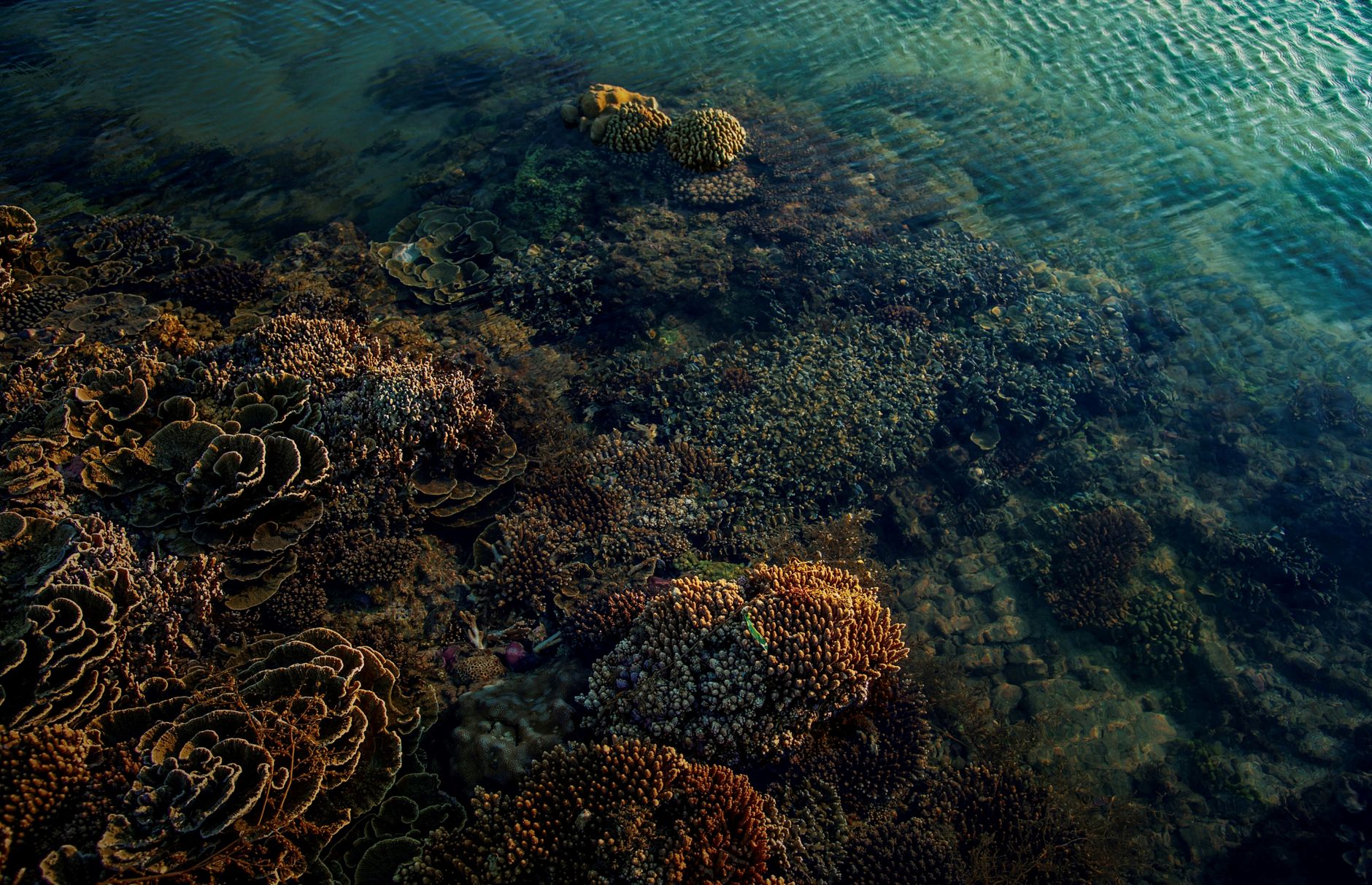
Much of Okinawa’s charm is found in its beautiful beaches and welcoming waters. Whether you’re exploring the tidal pools, wading into the ocean from a coral-strewn entry, or taking a boat trip to one of the smaller islands, some specific items can greatly enhance your experience. Water shoes are incredibly useful for navigating rocky shores or protecting your feet from bits of coral and shells. They make getting into the water much more comfortable, allowing you to walk freely and explore without constant worry. For any boat excursions, snorkeling trips, or even just keeping your phone and valuables safe from splashes on the beach, a dry bag is an invaluable addition. I always bring one with me, especially if I’m venturing out to the pristine beaches of Tokashiki Island, where unexpected waves can reach further than you might anticipate. A quick-dry towel also comes in handy, reducing bulk in your bag and drying much faster than a traditional beach towel, which is a small but welcome convenience when packing light and moving between various water activities. For longer days by the water, especially where charging might not be available, a portable power bank can be a real saviour. An Anker PowerCore 10000 provides peace of mind, ensuring your devices stay charged for navigation, photos, or simply staying connected throughout your beach or boat adventures. It’s a compact item that offers a lot of practical utility when outlets are scarce and you want to capture every memory.
Dressing for Comfort and Exploration

Beyond the beaches, Okinawa offers many opportunities for exploration, from the bustling markets of Naha to serene temples and museums. Your footwear choice is particularly important when much of the exploration is done on foot, as is often the case in cities and historical sites. Comfortable, breathable sandals or lightweight walking shoes are ideal for navigating city streets, historical sites, or even the gentle trails around the Valley of Gangala. I often alternate between a sturdy pair of walking sandals and a pair of lightweight sneakers, giving my feet a chance to breathe and recover from different types of activity. This also provides options for varying terrain and levels of formality. While Okinawa is generally relaxed, a touch of thoughtful dress is appreciated when visiting sacred sites, such as the Shikina-en Garden or local shrines. This usually means simply ensuring shoulders and knees are covered, which can be easily achieved with a light sarong or a long, flowing skirt that you can slip on over shorts. Packing a few versatile pieces that can be dressed up or down, and layered as needed, makes transitioning from a casual daytime cafe visit to an evening meal enjoying local Goya Champuru feel wonderfully smooth and simple. You’ll find yourself reaching for pieces that offer both style and comfort in the warm, humid air.
Powering Your Journey: Electronics and Connectivity
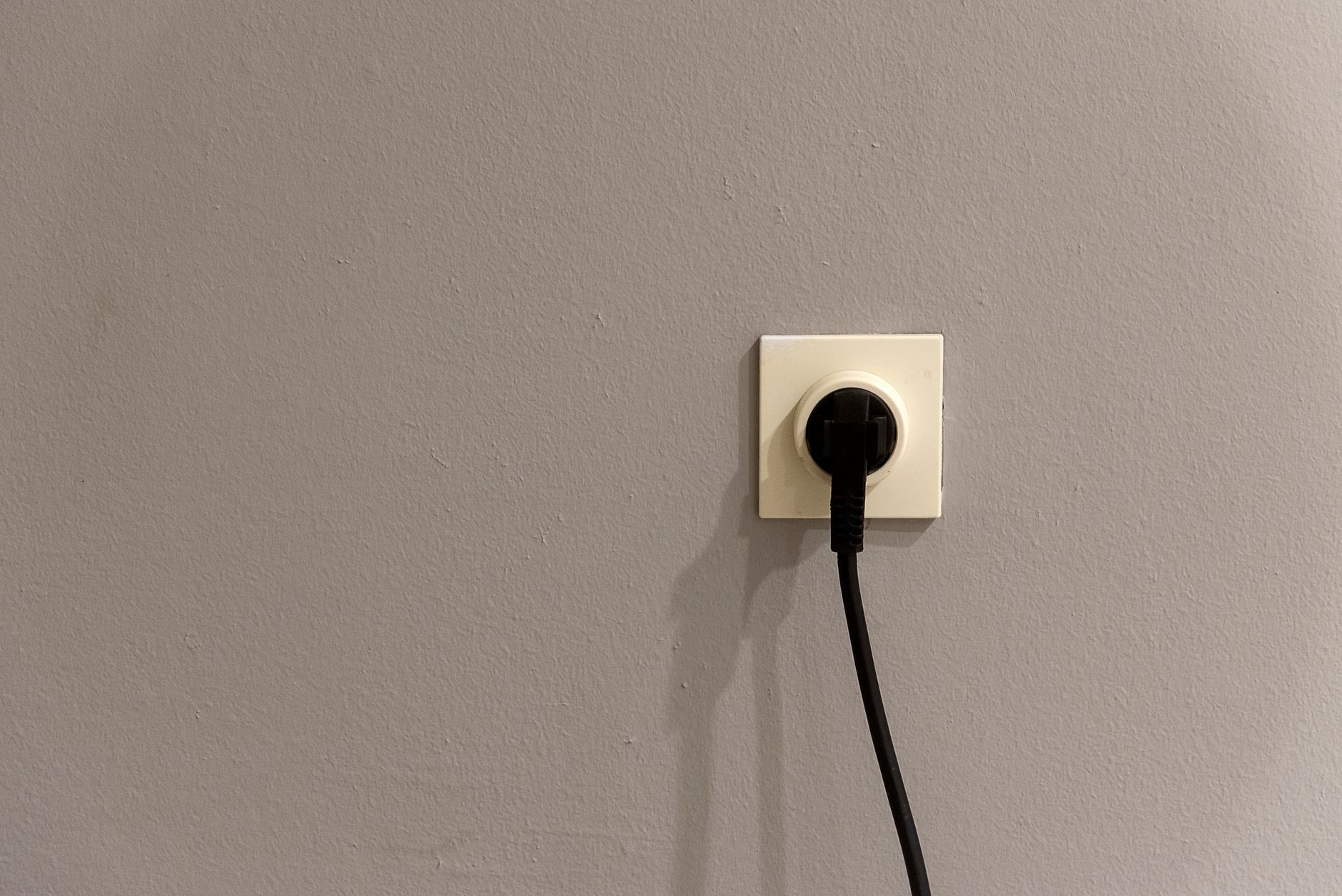
For electronics, Okinawa follows mainland Japan’s standards. This means you’ll encounter Type A power outlets and a voltage of 100V. It’s worth noting that 100V is lower than the standard voltage in many other parts of the world (e.g., 110-120V in North America, 220-240V in Europe and Australia). If your devices are dual voltage (most modern phones, laptops, and camera chargers are designed to adapt automatically), you’ll only need a Type A adapter to fit the plug. For anything older or single voltage, a step-down converter would be necessary to avoid damage, though I rarely find a need for one with contemporary gadgets. Keeping your phone connected for navigation, translation, or sharing moments is easy with an eSIM. I typically activate an Airalo travel eSIM before I arrive, ensuring I have data coverage from the moment I land. This frees me from searching for local SIM cards upon arrival and allows me to quickly look up the nearest Yui Rail station or find a highly-rated spot for Okinawa Soba with ease. It’s a small pre-trip step that brings a lot of peace of mind. For more general advice on electronics and power abroad, our guide on [travel-power/japan] offers further details.
Thoughtful Essentials for a Smoother Trip

Packing thoughtfully can make your journey feel calmer and more organized. Given Okinawa’s humid climate and the need for a variety of clothing types (beachwear, walking clothes, rain gear), keeping your luggage streamlined is a particular advantage. I rely heavily on BAGAIL packing cubes to compartmentalize my belongings. They are especially useful for separating clean clothes from worn ones, or beach essentials from city outfits, meaning you can easily grab your swim gear without disturbing the rest of your carefully folded clothes. This means my swimwear and dry bag stay neatly contained, and I can quickly find what I need without rummaging through a cluttered suitcase, even after a spontaneous boat trip to Zamami. A reusable water bottle is another staple. Staying hydrated is important in the Okinawan heat, especially when you’re out exploring, and refilling a bottle is both environmentally friendly and economical. Many hotels and cafes offer water, making it simple to keep your bottle topped up throughout the day. Lastly, a small, personalized first-aid kit with basics like band-aids for minor scrapes, antiseptic wipes for small cuts, and any personal medications is always prudent; small annoyances like insect bites or blisters from new sandals are easily managed when you’re prepared, allowing you to quickly get back to enjoying your day.
Preparing for Typhoon Season (August-September)

If your trip to Okinawa falls during typhoon season, typically August and September, it’s wise to acknowledge this possibility in your packing and planning. While many days during this period are sunny and beautiful, sudden and intense typhoons can bring heavy rains, strong winds, and travel disruptions. My approach is to pack with flexibility in mind. This means including a light, packable rain jacket that can withstand a decent downpour, and perhaps a quick-drying pair of trousers or shorts that aren’t purely for the beach. Look for jackets that are breathable as well as waterproof, so you don’t feel stifled in the humidity. More importantly, it means having a mental “Plan B” for your itinerary. On days when the weather makes outdoor activities impractical, places like the Okinawa Churaumi Aquarium, the Himeyuri Peace Museum, or even local markets offer wonderful indoor alternatives, providing rich cultural experiences or opportunities for quiet contemplation away from the storm. What this season truly requires is patience and adaptability. Embracing a slower pace, perhaps enjoying an extra long coffee at a local cafe while watching the rain, can turn a rainy day into a contemplative one, revealing a different side of Okinawa’s rhythm. You can find more comprehensive advice in our general [beach-trip-packing-checklist] for what to bring for sun and water, and our [what-to-pack-for-japan] guide for broader considerations when visiting Japan. For inspiration on what to do when the weather clears, our [things-to-do-in-okinawa] article offers many ideas.
What this means for your trip

Packing for Okinawa, with its unique blend of island charm and Japanese precision, is an exercise in thoughtful preparation. It asks us to consider not just the destination, but the climate, the culture, and the potential for both serene sunny days and sudden tropical downpours. By choosing light, quick-drying layers, prioritizing sun protection for yourself and the reefs, and including a few practical essentials for water adventures and unexpected weather, you’re setting the stage for a calm and curious exploration. It’s about bringing enough to be comfortable, but not so much that you feel weighed down. For me, the gentle rustle of a palm tree, the taste of local sata andagi from a street vendor, or the quiet reflection after a day spent snorkeling, all become richer experiences when I know I’ve packed with care. It allows me to fully immerse myself, ready for whatever the beautiful islands of Okinawa choose to reveal, feeling at ease and prepared for the journey ahead.
Frequently asked questions
What's the most important item to pack for Okinawa's sun?
Given the fierce UV, layers of sun protection like a rash guard or light long-sleeved top are invaluable, especially for extended time on the water or exploring. A wide-brimmed hat and quality sunglasses are also essential.
Is reef-safe sunscreen truly necessary for Okinawa?
While not always legally mandated, many tour operators around the Kerama Islands and other reef areas encourage or request reef-safe sunscreen. It's a responsible choice to help protect the delicate coral ecosystems that make Okinawa so special, and one I always make.
How should I prepare for Okinawa's humidity?
Prioritize light, breathable, and quick-drying fabrics like linen, cotton blends, or technical travel clothing. Packing cubes can also help manage your wardrobe and keep things organized in humid conditions.
What if my trip falls during typhoon season?
Pack with flexibility in mind. Include some clothing for cooler, rainy weather and research indoor attractions like the Okinawa Churaumi Aquarium or the Himeyuri Peace Museum. Most importantly, bring patience; delays and temporary closures are part of the experience during typhoon season.
Do I need a special adapter for electronics in Okinawa?
No, Okinawa uses the same Type A plugs and 100V electricity as mainland Japan. Your regular Japan-compatible adapters will work perfectly here.
Keep reading on Gently Yonder
- Best eSIM for Japan (2026) — How to choose a Japan travel eSIM — coverage, data plans, and the pick for most trips.
- Airalo vs Holafly vs Saily — The three big travel eSIM providers compared — coverage, pricing, and who each suits.
- Best eSIM for Japan, Korea & Vietnam — Destination-by-destination eSIM picks for three popular Asian countries.
- Pocket WiFi vs eSIM — Which connectivity option wins — solo vs group, cost, battery, and setup compared.
- Hotel Booking Sites Compared — Hotels.com, Booking.com, Trip.com, Agoda — what each is genuinely good for.
- Travel Insurance Compared — SafetyWing vs World Nomads vs Genki — coverage, exclusions, and how to choose.
- Japan Country Profile — Eight-section country deep-dive: history, geography, society, and travel prep.