No one pays to be recommended here, and we say when a free or cheaper option wins. Our promise →
In this guide8 sections
- The Evolving Landscape of Payments in Japan (2026)
- Where Cash Still Rules
- How Much Cash Per Day? A Gentle Guide by Travel Style
- Your Essential Money Toolkit: IC Cards, Credit Cards, and ATMs
- Getting Connected: eSIMs and Travel Insurance
- Common Money Mistakes to Avoid
- What this means for your trip
- Frequently asked questions
Each time I prepare for a journey back to Japan, a quiet question always surfaces for me: how much cash will I genuinely need? It’s a gentle reflection I suspect many of you share. For years, the common wisdom was “bring lots of cash.” But as I’ve returned to Japan over time, watching neighborhoods change and technology evolve, I’ve noticed a significant shift. The answer in 2026 isn’t as simple as it once was. Instead, it quietly reflects a thoughtful evolution, where the enduring grace of tradition meets the quiet conveniences of modern life.
The Evolving Landscape of Payments in Japan (2026)

My first trips to Japan involved carrying what felt like a small fortune in yen, carefully tucked away. It was a beautiful, slightly nerve-wracking ritual. Today, while Japan still cherishes its cash culture, especially in certain pockets, the urban landscape has grown far more cashless than even five years ago.
Major cities like Tokyo, Kyoto, and Osaka have seen a noticeable shift. Chain stores, large department stores like Isetan or Takashimaya, and well-known restaurants often accept major credit cards (Visa, Mastercard, Amex) without a second thought. Starbucks, McDonald’s, and even many of the popular ramen chains are now reliably card-friendly. Perhaps the most significant change I’ve observed is within the beloved konbini (convenience stores) — 7-Eleven, FamilyMart, and Lawson. These ubiquitous stores, a traveler’s quiet anchor, almost universally accept credit cards and IC cards, making quick purchases seamless.
Public transportation, too, is designed for ease. While you can still buy individual paper tickets, IC cards like Suica or Pasmo are the norm for navigating the Tokyo Metro, JR Lines, and city buses. Loading an IC card can often be done with a credit card at station machines, a seamless convenience that allows me to move through my day without interruption, appreciating the calm efficiency around me. This gentle push towards digital payments in high-traffic areas means that for many daily essentials in major cities, you might find yourself reaching for plastic or an IC card more often than yen. It’s a quiet evolution, blending the familiar efficiency of Japan with a gentle nod to global payment trends.
Where Cash Still Rules

Despite the growing prevalence of cashless options, there remain quiet pockets of Japan where the gentle rhythm of daily life still favors the exchange of yen – and often, these are the very places where the deepest, most authentic connections unfold. It’s in these moments that I find myself slowing down, truly connecting with the pace of local life.
Many smaller, independent establishments, especially outside the bustling main streets of Shibuya or Shinjuku, are reliably cash-only. Their enduring charm often lies in their scale and deep connection to tradition, which gracefully extends to their payment methods. I think of the quiet hum of a tiny, beloved izakaya tucked down a Kyoto alley, the scent of dashi and quiet conversations lingering in the air, or a family-run ramen shop in Asakusa, where the steam from the broth fogs the windows and the chef remembers faces, not cards. Or perhaps a local coffee spot in a quiet neighborhood like Yanaka, where each pour-over is an art, patiently prepared. Street food vendors at markets, like those near Tsukiji Outer Market or the stalls lining Nakamise-dori leading to Senso-ji Temple, will almost certainly expect yen for their delicious offerings.
Entry fees for many shrines and temples, especially those in quieter neighborhoods or lesser-visited areas, often require cash. When visiting tranquil spots like Fushimi Inari Taisha in Kyoto (though free to enter, some stalls around it are cash-only) or paying for a specific, contemplative experience at Kiyomizu-dera, I always make sure I have a few 1,000 yen notes ready for a smooth transaction.
Furthermore, when you venture into more rural or scenic areas, such as the Onsen towns of Hakone or the serene island of Miyajima, the cashless infrastructure can thin out quickly. Local bus fares, small souvenir shops, or even ferry tickets might primarily accept cash. Having some yen on hand in these settings is not just a convenience; it’s a necessity to gently settle into these beautiful destinations, without the sudden need to search for an ATM and disrupt a peaceful moment.
How Much Cash Per Day? A Gentle Guide by Travel Style

How much yen you’ll gently carry each day is often a quiet reflection of how you choose to spend your time. I find it helpful to think in categories, as it reflects the different ways we might experience Japan.
For a budget-conscious traveler focusing on konbini meals, affordable ramen, and public transport, a modest 3,000-5,000 yen per day should gracefully cover most cash-only expenses. This might include a vending machine drink enjoyed on a quiet street, a humble temple entry fee for a moment of peace, or a savory snack from a street vendor. Your IC card would handle transit, and a credit card for larger chain meals or shopping.
A mid-range traveler like myself, who enjoys a mix of local cafes, a nice izakaya dinner, and entry to a few attractions like Kinkaku-ji or a tranquil garden, might plan for 7,000-10,000 yen per day. This allows for thoughtful flexibility for the quiet neighborhood eateries, a small, handcrafted souvenir from a local artisan, or the calming convenience of a taxi after a long day of thoughtful exploration. With this, I can pay for a delicious yakitori dinner at a neighborhood spot that only takes cash, knowing I still have enough for the next day’s smaller buys without concern.
For higher-end travel, perhaps including some multi-course kaiseki meals (though many high-end restaurants will accept cards), distinctive encounters, or luxury shopping at places like Ginza, the daily cash needs might still hover around 10,000-15,000 yen. The reason it doesn’t dramatically increase is that many premium services and large purchases are reliably credit card friendly. This reserve of cash is for those cherished, smaller, more traditional experiences that quietly add such rich texture and personal memories to a journey. It’s for the unexpected shrine offering, the small artisan’s stall, or the local tea ceremony tucked away from the main streets, where a simple cash transaction can feel like a respectful nod to tradition.
Remember, these are gentle estimates. My personal approach is to land with about 10,000-20,000 yen, and then I keep a quiet eye on my cash balance, refilling as needed. It’s about having enough to feel comfortable and prepared, without feeling weighed down by an overly large sum.
Your Essential Money Toolkit: IC Cards, Credit Cards, and ATMs
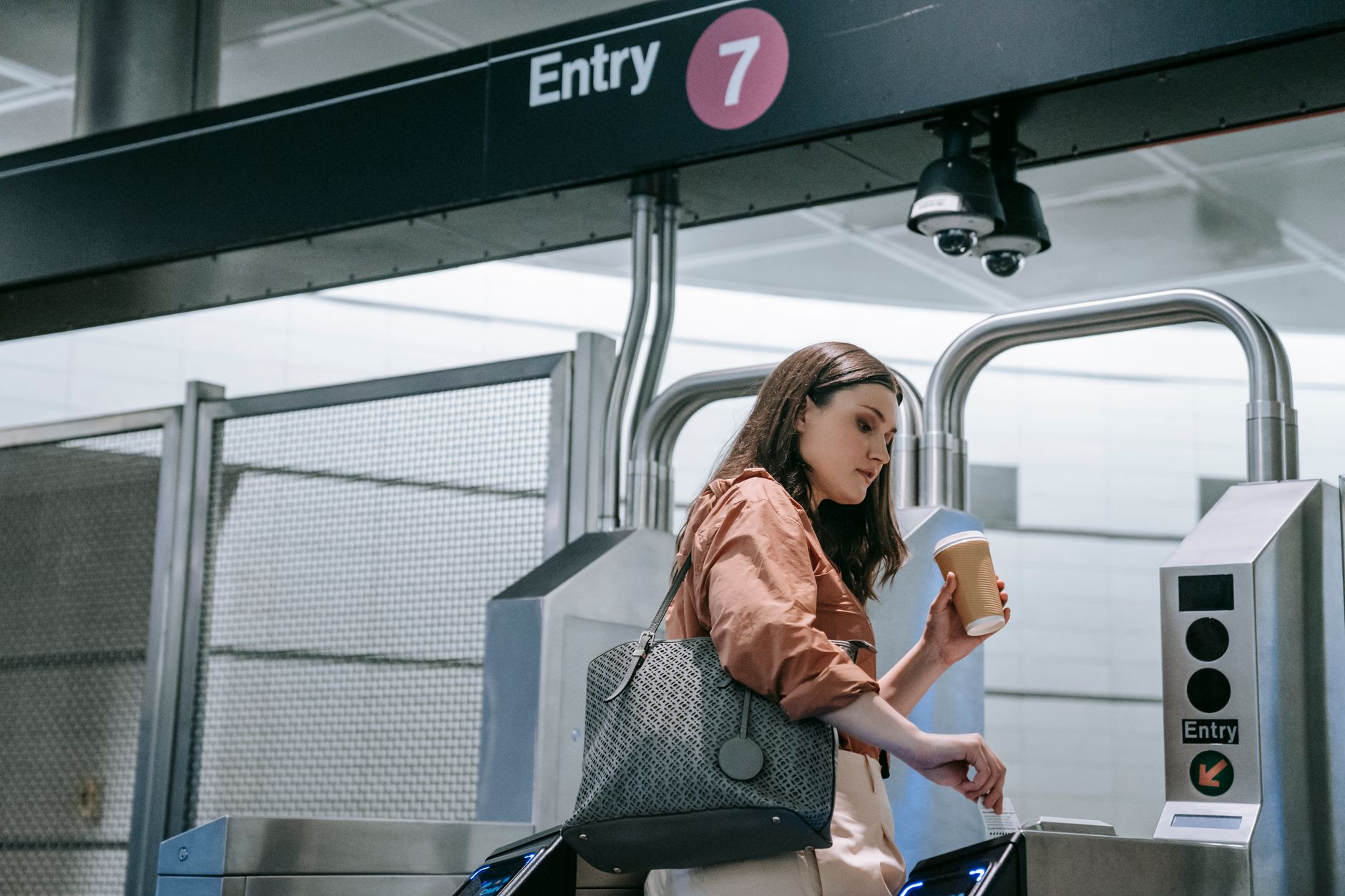
Approaching payments in Japan feels much less complex when you’ve gathered a thoughtful collection of companions for your wallet. I’ve discovered that harmonizing your IC card, credit cards, and a clear understanding of ATM locations sets the stage for a truly calm and unhurried journey.
IC Cards: These rechargeable smart cards, like Suica (primarily Tokyo/JR East) or Pasmo (Tokyo/non-JR lines), are invaluable. While they started as transit cards, they’re now accepted for small purchases at konbini, vending machines, and even some restaurants. I always recommend getting one shortly after arrival. You can purchase them at train station ticket machines (look for “IC Card” or “Suica/Pasmo” options) or at JR ticket counters. Loading them is simple, usually at the same machines, and often you can use a credit card for the top-up. Just a gentle tap, and you’re seamlessly through the gates of the Tokyo Metro or picking up a quiet moment’s refreshment from a Lawson, all without fumbling for change or slowing your pace. For travelers arriving in other regions, you might pick up an ICOCA (Kansai) or SUGOCA (Kyushu) card, but most major IC cards are now interoperable across the country, adding to their quiet versatility.
Credit Cards: For larger purchases — department stores, hotels, most mid to high-end restaurants, and even many chain eateries — your credit card will be your primary method. Visa and Mastercard are the most widely accepted. American Express and JCB are also common, though occasionally you might find a smaller establishment that only takes Visa/MC. Always inform your bank of your travel dates to avoid any fraud alerts. It’s also wise to have a backup card from a different network, just in case a quiet hiccup occurs.
ATMs: Knowing where to reliably get cash is key. Without a doubt, the 7-Bank ATMs within almost every 7-Eleven convenience store are the most reliable and comforting lifeline for cash. They are thoughtfully positioned in nearly every neighborhood, open 24/7, offer English menus, and consistently accept international debit and credit cards (check for Visa, Mastercard, Cirrus, Plus logos). Japan Post Bank ATMs, found in post offices, are another good option, though their operating hours are more limited. I avoid currency exchange counters at airports or hotels as their rates are often less favorable. When I see my cash dwindling, I simply pop into a 7-Eleven, use their ATM, and quickly withdraw what I need, usually around 10,000-20,000 yen at a time. This steady, predictable rhythm helps me manage my physical cash with a quiet confidence, ensuring I always have some without feeling burdened by carrying too much.
Getting Connected: eSIMs and Travel Insurance

In our journeys today, being connected and gently prepared for the unexpected holds a quiet importance alongside managing your yen. For me, these thoughtful preparations nurture a sense of quiet confidence, freeing my mind to truly engage with new surroundings rather than being preoccupied with practical concerns.
An eSIM has become a wonderfully comforting companion in my travel routine. The simple act of activating a local data plan instantly, without the fiddle of physical cards or the hunt for Wi-Fi, feels like a quiet release. It allows me to access maps to find that small, cash-only ramen shop with its unassuming entrance, translate a menu with a gentle tap, or quickly look up the opening hours for a serene temple entrance without skipping a beat. For Japan, where clear navigation and quick information access can make all the difference, having reliable mobile data from the moment I land is a profound comfort. an Airalo travel eSIM I recommend securing a data eSIM before your flight. It allows you to stay connected from the moment you land, offering reliable internet for navigation, translation, and keeping in touch with loved ones, without the hassle of swapping physical SIM cards.
Another layer of gentle preparation, sometimes considered only when urgency calls, is thoughtful travel insurance. Even in the most carefully planned travels, small shifts and unforeseen moments can arise, reminding us of life’s gentle unpredictability. From a minor medical emergency to lost luggage or even trip cancellation, thoughtful travel insurance quietly offers a foundational layer of reassurance. It provides a calm certainty, knowing that quiet support is there for unexpected moments, freeing your thoughts to fully embrace the unfolding journey rather than being burdened by worries. EKTA travel insurance A good travel insurance policy is essential for peace of mind. It covers everything from medical emergencies and trip cancellations to lost luggage, ensuring that unforeseen events don’t derail your travel plans or your budget.
Common Money Mistakes to Avoid

Through my own journeys and gentle conversations with others, I’ve observed a few common financial rhythms that, with a little quiet reflection, can be navigated with grace. Avoiding these can save you minor frustrations and help keep your focus on the wonder of Japan.
One of the most frequent mistakes I see is arriving with only large denomination bills. While it might seem practical to withdraw 10,000 yen notes from an ATM, trying to pay for a simple 500 yen snack at a small, independent shop with a crisp 10,000 yen bill can create an unexpected moment of awkwardness. Smaller establishments, particularly those that are cash-only, often keep a more modest till and may have limited change. They might have to politely ask around or even, on occasion, refuse the large bill, which can lead to a moment of uncomfortable interaction for everyone involved. My advice, steeped in quiet observation, is to break larger bills at konbini or larger chain stores (where you’re likely to use an IC card or credit card anyway) by making a slightly larger purchase, then gently use the resulting change for your smaller, cash-only buys. Always try to keep a thoughtful supply of 1,000 yen notes and coins close at hand.
Another common oversight is underestimating the need for some cash, especially outside major city centers. While it’s tempting to think everything is cashless now, running out of yen when you’re visiting a quiet temple in Nara, finding yourself unable to offer an entry fee for a moment of contemplation, or trying to purchase a beautifully crafted local souvenir at a market in Miyajima, can interrupt the gentle flow of your experience and be unexpectedly frustrating. It’s always a good idea to have a buffer. I aim to keep at least 5,000-10,000 yen on hand, topping up at 7-Eleven ATMs before I head out to areas I suspect might be less card-friendly.
Finally, relying solely on credit cards for everything can lead to disappointment. While many places accept them, the occasional “cash only” sign will pop up, especially in those charming, local spots that provide such rich experiences. A balanced approach — credit card for larger expenses, IC card for transit and quick buys, and a healthy, thoughtful stash of yen for everything else — gently prepares you for the graceful flow of transactions Japan offers, whatever the quiet moments might bring.
What this means for your trip

Planning your finances for Japan in 2026 feels less like navigating a maze and more like balancing an elegant equation. The convenience of cashless payments in cities means you won’t need to carry as much physical cash as travelers once did. Yet, the enduring charm of Japan’s smaller, traditional establishments and serene rural pockets ensures that yen still holds its special place.
For me, it’s about embracing this blend. I find a quiet satisfaction in paying for a small, meticulously crafted pastry at a local bakery with coins, just as I appreciate the seamless tap of my Suica card for the train ride home. Japan encourages a thoughtful approach to travel, and its evolving money landscape is no different. You’ll move more calmly through your days knowing you have the right companions for your journey: a reliable credit card, a loaded IC card, and a comfortable reserve of yen, ready for the quiet discoveries and personal moments that await. This balance doesn’t just simplify transactions; it allows for a deeper appreciation of the moments themselves, from the hush at a shrine before the crowds arrive to the warmth of a bowl of ramen in a tiny, beloved shop.
Frequently asked questions
Is Japan still cash-heavy in 2026?
While major cities and large chains have largely embraced cashless payments, cash remains essential for many smaller shops, markets, and some rural attractions, particularly outside major urban centers like Tokyo or Osaka.
What's the best way to carry money in Japan?
A balanced approach works best: a credit card for most larger purchases, a loaded IC card (like Suica or Pasmo) for transit and convenience store buys, and a modest amount of cash (10,000-20,000 yen) for smaller establishments and emergencies.
Where can I find ATMs that accept foreign cards in Japan?
7-Eleven convenience stores are your most reliable bet. Their 7-Bank ATMs are widespread, open 24/7, and offer English menus, accepting most international debit and credit cards.
How much yen should I land with?
Arriving with 10,000 to 20,000 yen is a comfortable starting point. This covers initial transport, a meal, and any immediate small purchases without needing to find an ATM right away.
Are IC cards like Suica accepted everywhere?
IC cards are widely accepted for public transit (trains, subways, buses) and increasingly at konbini, vending machines, and some chain restaurants. However, they are not universally accepted, especially at independent shops, smaller eateries, or many shrines and temples.
Keep reading on Gently Yonder
- How Much Does a Trip to Japan Cost? A realistic 2026 budget — flights, hotels, rail, food, and where costs surprise people.
- Japan Tax-Free Shopping Changes (Nov 2026) From 1 Nov 2026, pay the tax in-store and claim the 10% refund at the airport — the new process, the ¥5,000 rule, and what got simpler.
- Your First Day in Tokyo: A Calm Arrival Plan From landing to your first evening — IC card, cash, connectivity, and a gentle first walk.
- Is the JR Pass Worth It in 2026? An honest calculation after the price rise — break-even itineraries and the alternatives.
- Japan Tickets That Sell Out: What to Book Before You Fly Ghibli, teamLab, Shibuya Sky and the rest — what actually sells out and when to book.
- Japan Country Profile Eight-section country deep-dive: history, geography, society, and travel prep.