Kyoto in autumn is a city that feels profoundly changed, a tapestry of crimson and gold unfurling against ancient temples and quiet gardens. It’s a vision many travelers dream of encountering, myself included. Yet, this season, as breathtaking as it is, also draws significant crowds. Navigating Kyoto in autumn 2026, then, requires a little thoughtfulness and a willingness to embrace slower rhythms, even amidst the popular draws.
No one pays to be recommended here, and we say when a free or cheaper option wins. Our promise →
In this guide7 sections
When the Colors Arrive in Kyoto
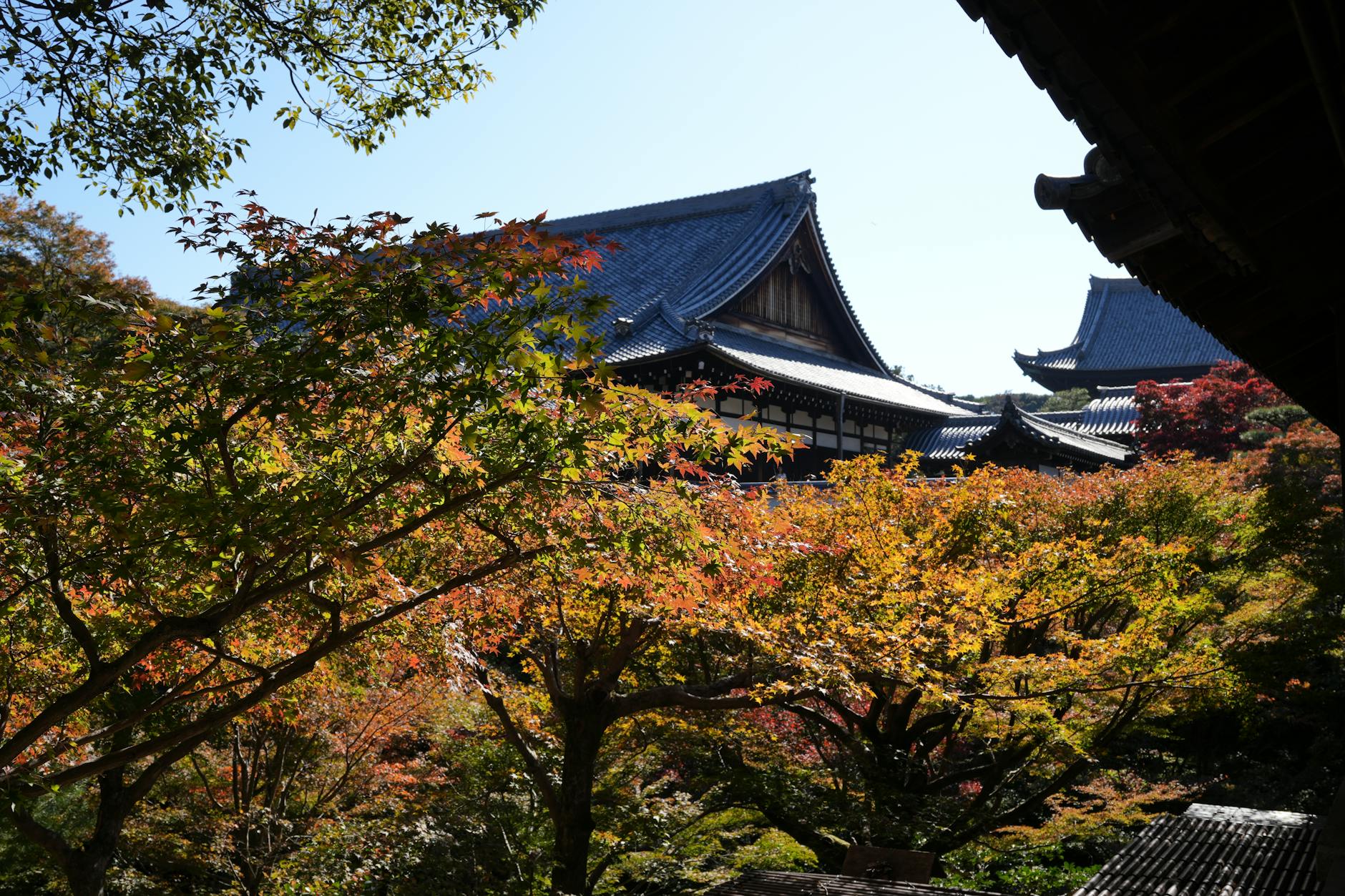
Understanding when the autumn foliage truly peaks in Kyoto is perhaps the most common question I receive. Traditionally, the most vibrant colors emerge from late November and often extend into the first week or two of December. This period tends to bring the city’s maple leaves (momiji) to their most brilliant reds and oranges, while ginkgo trees offer their bright, unmistakable yellows.
However, the climate has a way of shifting these things, and I’ve noticed in recent years a subtle trend toward later peaks, sometimes pushing the full display closer to early December. It’s a delicate dance between temperature drops and sunlight, and nature keeps its own schedule. For your trip in autumn 2026, I recommend keeping an eye on local foliage forecasts as your travel date approaches. Websites from local tourism boards, like the Kyoto City Official Travel Guide, or even major news outlets in Japan, often publish these predictions, offering a more precise guide closer to the time. Keeping an eye on these updates offers a more flexible way to plan, helping you find the colors at their most vibrant.
Finding Respite in Famous Places

Kyoto’s famous spots are celebrated for their autumn beauty, and for qualities that truly resonate. Kiyomizu-dera, with its dramatic wooden stage overlooking a sea of crimson maples, or Tofuku-ji, famous for its valley of leaves, are truly spectacular in their grandeur. Eikan-do’s night illuminations, too, paint a breathtaking scene, though they do draw intense crowds. Then there is Arashiyama, where the serene bamboo grove meets the rich autumn hues by the Hozugawa River.
My approach to these iconic spots is always the same: go early. Very, very early. Arriving right at opening time, or even a little before, can offer a brief window of relative calm before the tour buses arrive. I remember one morning at Kiyomizu-dera, the air still crisp and cool, the first light just beginning to filter through the trees, making the autumn leaves glow. The hush made the vibrant colors feel more personal, more profound. It’s a moment of quiet contemplation that simply disappears once the crowds swell. Even then, remember that “quiet” is relative at peak season. Accept that you will be sharing these spaces, but by arriving early, you give yourself the best chance for gentle observation. Weekdays, too, tend to offer a slightly calmer atmosphere than weekends for these popular sites.
Quieter Corners and Gentle Mornings

While the famous sites offer undeniable grandeur, I often find a deeper connection in Kyoto’s quieter corners. For me, the true charm of autumn lies in seeking out smaller, less-frequented temples or wandering through neighborhood gardens where everyday life gently unfolds. Shisen-do, a former scholar’s retreat in the city’s north, comes to mind. Its elegant garden, designed for quiet reflection, feels worlds away from the bustling main attractions. Here, the meticulously raked gravel garden provides a calming counterpoint to the vibrant maples, inviting you to sit and simply absorb the peace. Honen-in, nestled at the base of the Higashiyama mountains near the Philosopher’s Path, also offers a tranquil experience with its moss-covered gates and serene grounds, especially if visited early in the morning.
I also enjoy simply walking through residential areas, particularly in the northern and eastern parts of the city, like around Demachiyanagi or beyond Ginkaku-ji. Watching sunlight dapple through a lone ginkgo tree in a family’s front yard, or noticing the subtle shift of colors in a small, local shrine’s precinct, can be just as rewarding as visiting a major temple. These are the moments where the city feels most authentic, where I can pause and simply be, connecting with the quiet rhythm of local life. Consider an early morning stroll through a district like Higashiyama before the shops open, or explore the winding lanes around the Philosopher’s Path before it becomes a thoroughfare. You might discover a tiny café brewing rich coffee, offering a warm respite as the day awakens. For more ideas on savoring a slower pace, you might enjoy reading about our three slow days in Kyoto itinerary.
Planning Ahead: Accommodation and Mobility

For a Kyoto autumn trip, booking accommodation well in advance is crucial. I recommend securing your lodging at least six to nine months ahead of your travel dates for autumn 2026. This period is incredibly popular, and hotels, guesthouses, and traditional ryokan fill up rapidly. Waiting too long often means limited options, higher prices, or having to stay further from the city center, which can impact your ability to enjoy those early morning excursions and gentle evening strolls. Booking early allows you to choose a place that truly resonates with the quiet, reflective atmosphere you might be seeking, whether it’s a historic ryokan or a charming guesthouse in a peaceful neighborhood.
For the leaf season itself, where to stay in Kyoto for the autumn leaves has the 2026 openings and fees at Eikan-do, Tofuku-ji and Kodai-ji, and names 12 hotels by area; where to stay in Kyoto compares five areas the year round.
Once in Kyoto, I rely heavily on public transport and, more importantly, my own two feet. Kyoto’s bus system is extensive, but during autumn’s peak, buses can be very crowded and slow. The subway lines are generally more efficient for longer distances, and often a more peaceful experience. However, for exploring neighborhoods and reaching many temples, walking is often the most enjoyable and insightful way to get around. It allows me to notice small details — a potted plant outside a machiya, the scent of burning incense from a small shrine, or the way the light falls on a traditional roof. Walking lets me stumble upon unexpected gardens and truly feel the pulse of the city, connecting with its quiet rhythms. To keep track of your bookings and activities, a dedicated app or platform can be a helpful companion. Klook (or VELTRA for locally operated tours), which lets you pre-book trains, tours and attraction passes before the busy weeks For broader planning across Japan, you might also find this guide helpful: the Japan autumn planning guide.
The Daily Rhythm of Autumn in Kyoto

November days in Kyoto settle into a rhythm all their own. Mornings are often crisp, with a definite chill in the air that requires a warm jacket, a scarf, and sometimes gloves, especially if you’re out before 8 AM. The air feels clean and sharp, perhaps carrying the scent of woodsmoke or damp earth, and the low-angle sun casts long, golden shadows, making the autumn leaves glow with an almost internal light. These are my favorite hours, when the city slowly awakens.
As the day progresses, the sun strengthens, and temperatures can become quite mild, making for comfortable strolling. It’s the perfect time for a leisurely walk through a park or a quiet garden. But once the sun begins to dip below the western hills, usually by 4:30 PM in late autumn, the cold returns quickly. Evenings are distinctly cool, sometimes nearing freezing, especially if there’s a breeze. This means layers are key – I find a warm base, a sweater, and an outer layer you can easily shed or put back on works best. I always carry a small reusable bag for layers and anything else I pick up during the day. This rhythm of cold mornings, gentle midday warmth, and crisp evenings becomes a part of the autumn experience itself, encouraging slow sips of warm tea in a cozy café and contemplative moments indoors as the day winds down.
What this means for your trip
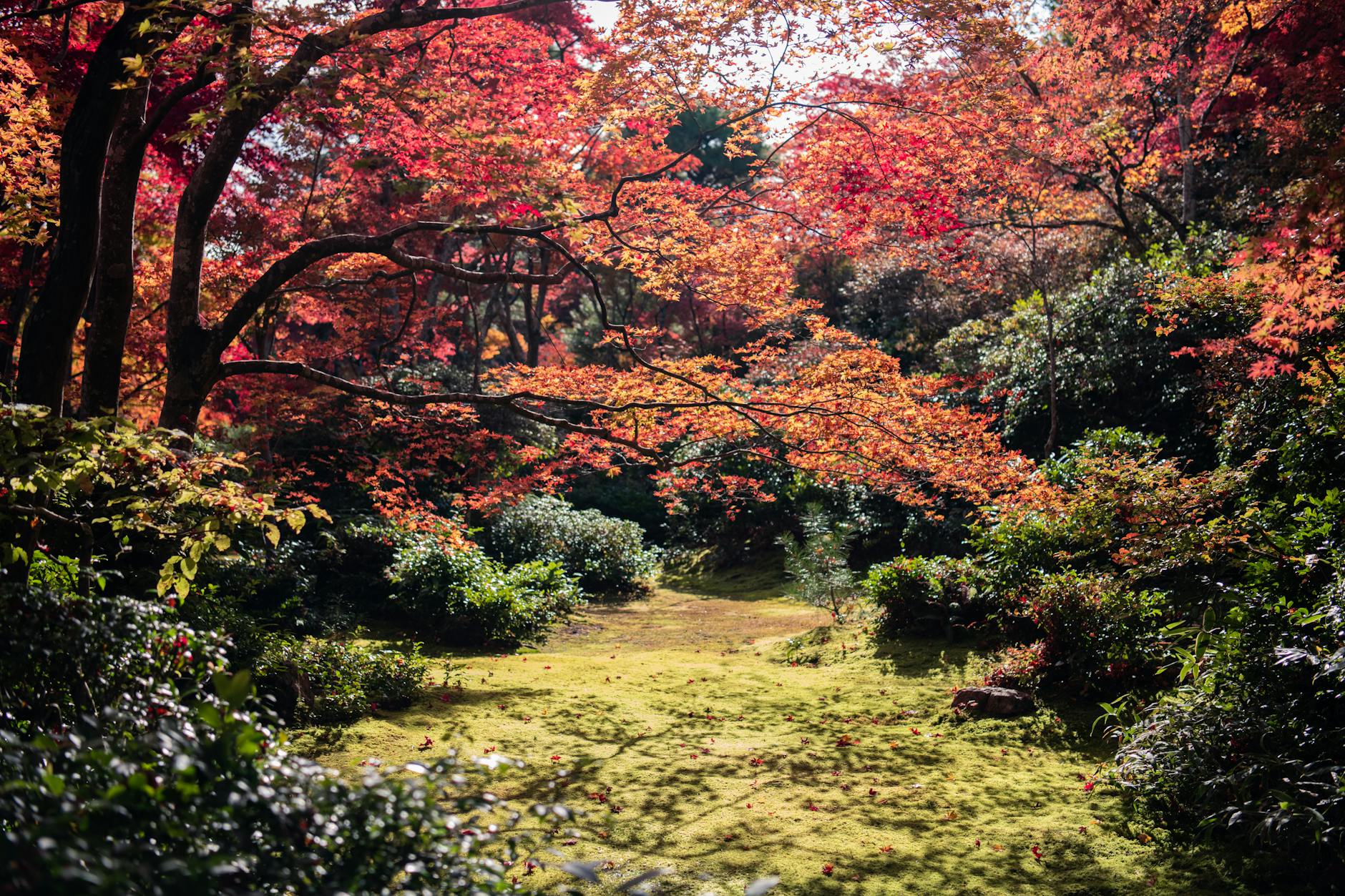
Visiting Kyoto in autumn 2026 offers a chance to witness a truly remarkable natural display, the city painted in rich, deep colors. It is also an invitation to practice patience and embrace a slower pace. The beauty is undeniable, but I believe it is best appreciated when you allow yourself to look beyond the famous vistas and into the smaller, quieter moments, allowing them to unfold around you.
My hope for your journey is that you find not just the breathtaking colors of the maples, but also the quiet dignity of a temple garden at dawn, the warmth of a local café on a cool afternoon, or the simple pleasure of watching the low autumn light change on a traditional wooden building. Let the beauty of Kyoto inspire a gentle shift within you, a moment of calm reflection amidst the vibrant rush of the season. Travel, after all, is not just about seeing new places, but about how those places quietly change us, inviting a deeper connection to ourselves and the world.
Companion reading: our unhurried three-day Kyoto itinerary for the shape of the days themselves, and the Japan autumn 2026 guide for the whole season’s timing and bookings.
Frequently asked questions
When is the best time to see autumn colors in Kyoto?
Peak autumn colors in Kyoto typically arrive in late November and extend into early December. However, recent years have shown a trend towards later peaks, so checking current forecasts closer to your travel date is always a good idea.
How can I avoid crowds at popular Kyoto autumn spots?
The most effective strategy is to arrive right at opening time, especially for places like Kiyomizu-dera or Tofuku-ji. Exploring quieter neighborhood temples or lesser-known gardens, particularly in the early morning, also offers a more peaceful experience.
Will accommodation be hard to find for autumn 2026 in Kyoto?
Yes, accommodation in Kyoto during the autumn foliage season books out many months in advance due to high demand. It's advisable to secure your lodging as early as possible, ideally 6-9 months out, to ensure choice and reasonable prices.
What is the weather like in Kyoto during late autumn?
Late autumn in Kyoto, especially in November, brings crisp, cold mornings and evenings, often with a golden, low-angle light during the day. Layering is key, with a warm coat, scarf, and gloves essential for comfort, particularly if you plan to be out early or late.
Are night illuminations worth visiting in Kyoto during autumn?
Many temples offer special night illuminations during autumn, such as Eikan-do. While they can be beautiful, they are also incredibly popular and draw large crowds. Consider if the atmosphere aligns with your preference for quieter experiences, or plan to arrive well before opening to manage the queues.
Keep reading on Gently Yonder
- Where to Stay in Kyoto for Autumn Leaves The weeks to aim for, the 2026 openings and fees at Eikan-do, Tofuku-ji and Kodai-ji, five areas and 12 hotels.
- Japan in Autumn 2026 Foliage timing city by city, crowd patterns, and how to plan around both.
- Three Slow Days in Kyoto A gentle, unhurried first-timer's itinerary — Fushimi Inari at dawn to Arashiyama's bamboo.
- Kyoto: The Places Worth Your Time Fushimi Inari, Arashiyama, Kiyomizu-dera, the Golden Pavilion, Gion, and a Nara day trip.
- Gion, Kyoto: A Neighbourhood Guide The geisha district beyond the postcard — lanes, tea houses, etiquette, and timing.
- Best Time to Visit Japan (2026) A season-honest guide — blossom and foliage windows, the summer heat, typhoons, and crowds.