Kyoto invites a certain kind of slowing down. It’s a city that rewards quiet observation, where ancient traditions blend with daily life, and beauty is found in the meticulous details. For a first-time visitor, the temptation might be to rush from one famous site to another. Instead, I find that a more gentle approach—three unhurried days, perhaps—allows the city’s spirit to unfold around you. This guide offers a thoughtful rhythm, designed for calm exploration rather than a hurried checklist.
No one pays to be recommended here, and we say when a free or cheaper option wins. Our promise →
In this guide6 sections
Day 1: Higashiyama’s Gentle Rhythm
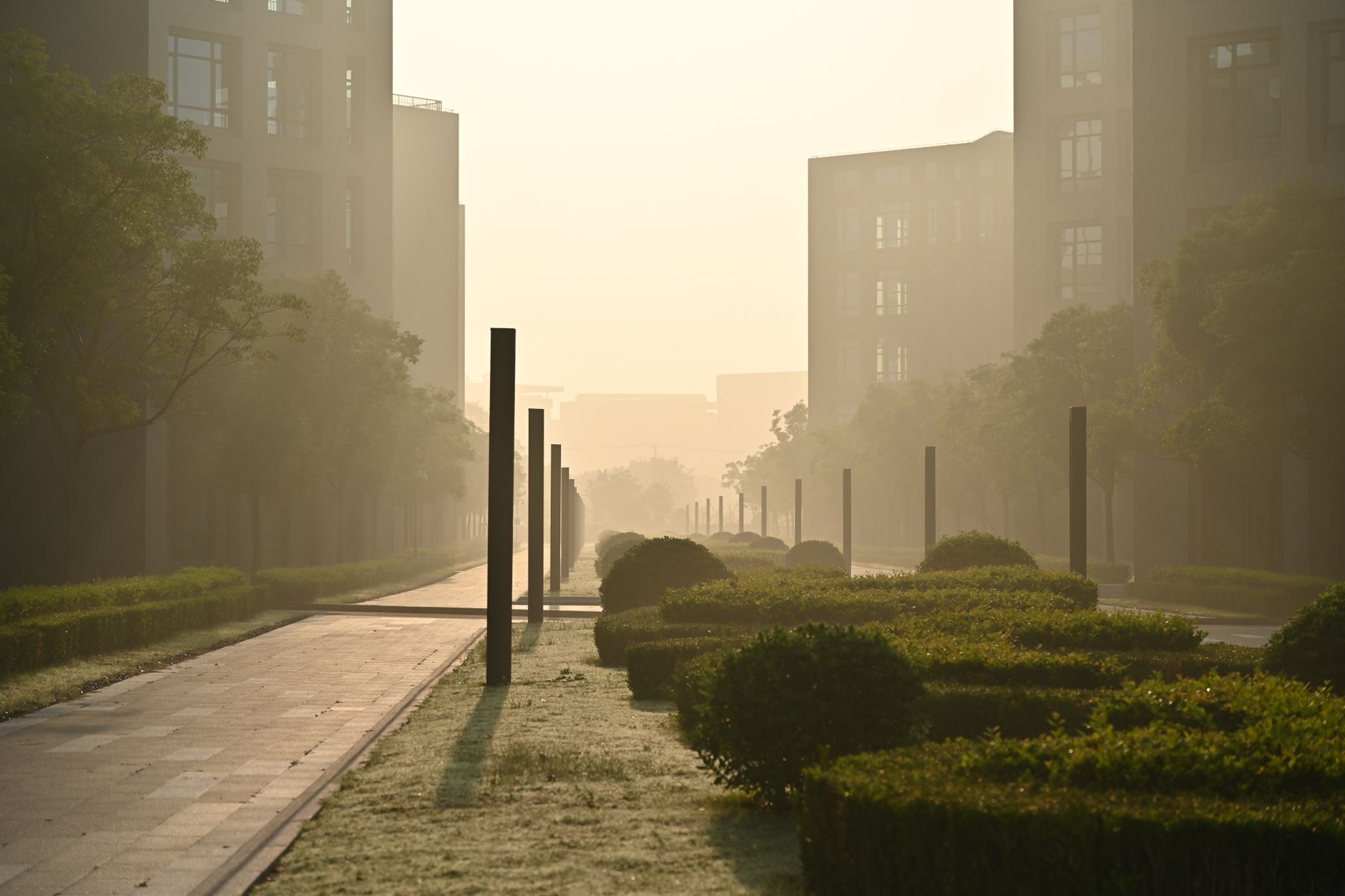
Begin your Kyoto days early, particularly if you wish to experience some of its most cherished sites with a sense of calm. A journey to Fushimi Inari Taisha at dawn is a quiet way to connect with the city. It sits just two short stops from Kyoto Station on the JR Nara Line, which makes an early start easy. The iconic vermilion torii gates ascend Mount Inari, offering a path for reflection as the morning light filters through the trees. You needn’t climb all the way to the summit; the Yotsutsuji intersection, perhaps thirty or forty minutes up, opens onto a view over the waking city and makes a natural place to turn back. It’s less a hike and more a meditative walk, best enjoyed before the crowds arrive. I have a quiet fondness for that first stretch — the gravel still damp, the vermilion deepening as the light climbs, only a few other early walkers nodding as they pass. It’s the kind of half-hour that resets something in you.
From Fushimi Inari, the city’s excellent train network can bring you north to the Higashiyama district. Here, Kiyomizu-dera Temple, perched on a hillside, offers expansive views across Kyoto. Its wide wooden veranda famously rests on tall pillars joined without a single nail — the kind of quiet craftsmanship the city is full of if you slow down enough to notice it. Take your time within its grounds, then wander down the charming, sloping lanes of Sannenzaka and Ninenzaka. If you keep walking north, these preserved streets flow toward Yasaka Shrine and Maruyama Park, so you can let the afternoon unspool on foot rather than by timetable. Pause partway for a matcha in a small café; the point is to stroll, not to arrive. I often find the true beauty of a place not in its grand monuments alone, but in the small, everyday moments encountered on these pathways.
As evening approaches, consider a walk through Gion, Kyoto’s geisha district. While it has become a popular area, a quiet stroll through its lantern-lit streets, particularly along Shirakawa Canal, can still offer glimpses of traditional architecture and a sense of timelessness. Remember that this is a living neighborhood, and respectful observation is key.
Day 2: Northern Calm and Local Flavours
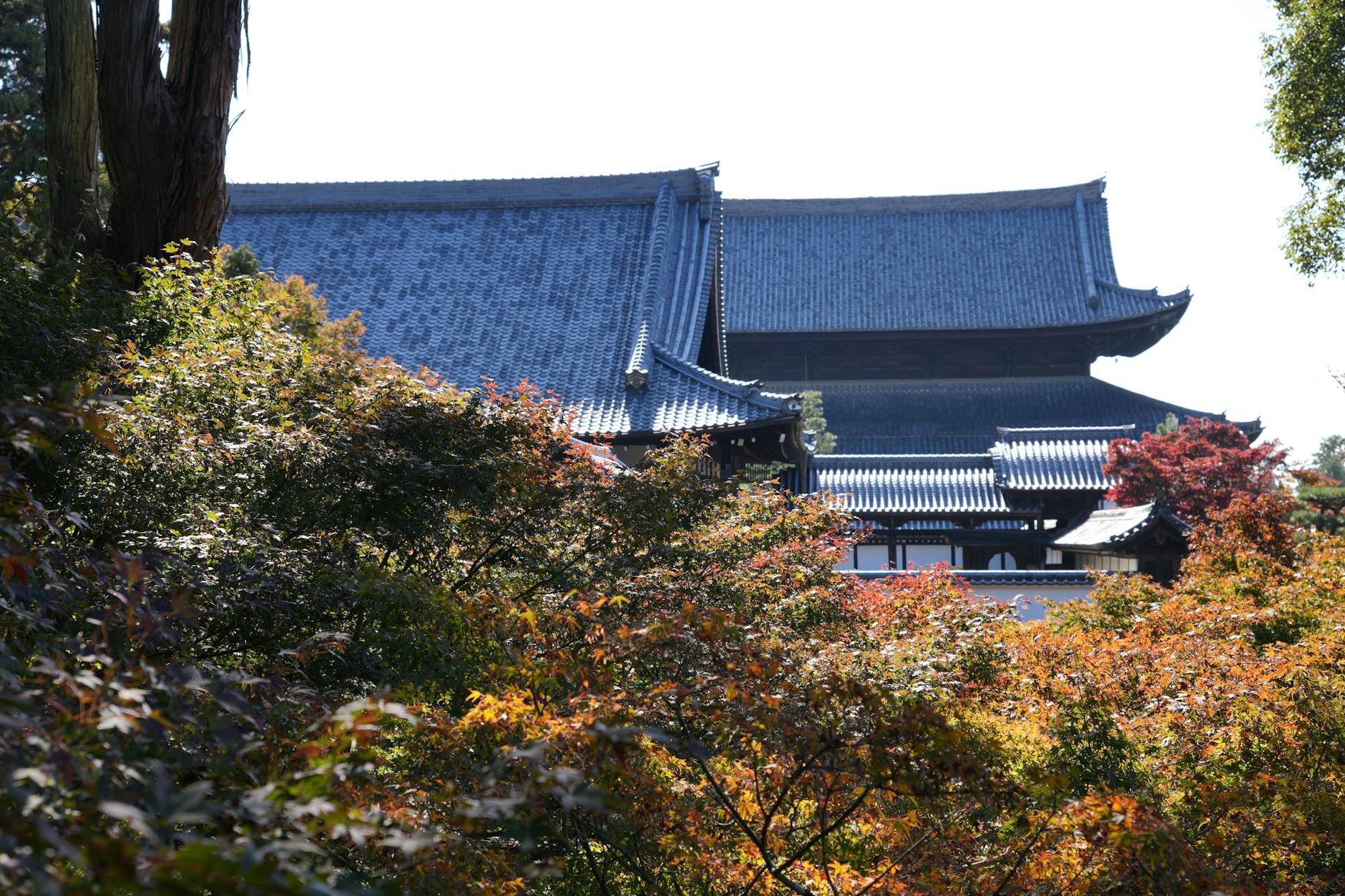
Day two might begin with a quieter pace — a slow breakfast in your neighborhood before heading north. I’ve learned to keep at least one morning deliberately unhurried; the days I overfill are always the ones I remember least. The Philosopher’s Path (Tetsugaku-no-Michi) is a lovely walking route, especially serene in the early morning. Lined with cherry trees, it follows a canal and connects several temples and shrines. While popular, choosing a quiet moment can allow for a reflective walk, perhaps pausing at Ginkaku-ji (the Silver Pavilion) at its northern end, or exploring smaller, less-frequented temples along the way.
Further south along the path, you’ll find Nanzen-ji Temple, a sprawling complex that invites a longer visit. Its vast grounds include impressive gates, serene rock gardens, and a distinctive aqueduct. The quiet corners here are perfect for finding a bench and simply watching the light change or observing others in their moments of contemplation.
In the afternoon, rather than criss-crossing the city, I’d let the day stay gentle and drift back toward the center for Nishiki Market. This long, covered arcade — “Kyoto’s Kitchen” — is an honest place to watch daily life and taste small regional things: pickles, fresh tofu, sesame, a skewer eaten standing up. If you still have energy and don’t mind a bus ride, Kinkaku-ji, the Golden Pavilion, sits across the city to the northwest, its gold mirrored in the pond; it’s striking, though it draws crowds. On a slow trip, there’s no shame in leaving it for next time — a city you don’t finish is a reason to return.
Day 3: Arashiyama’s Bamboo and Reflection
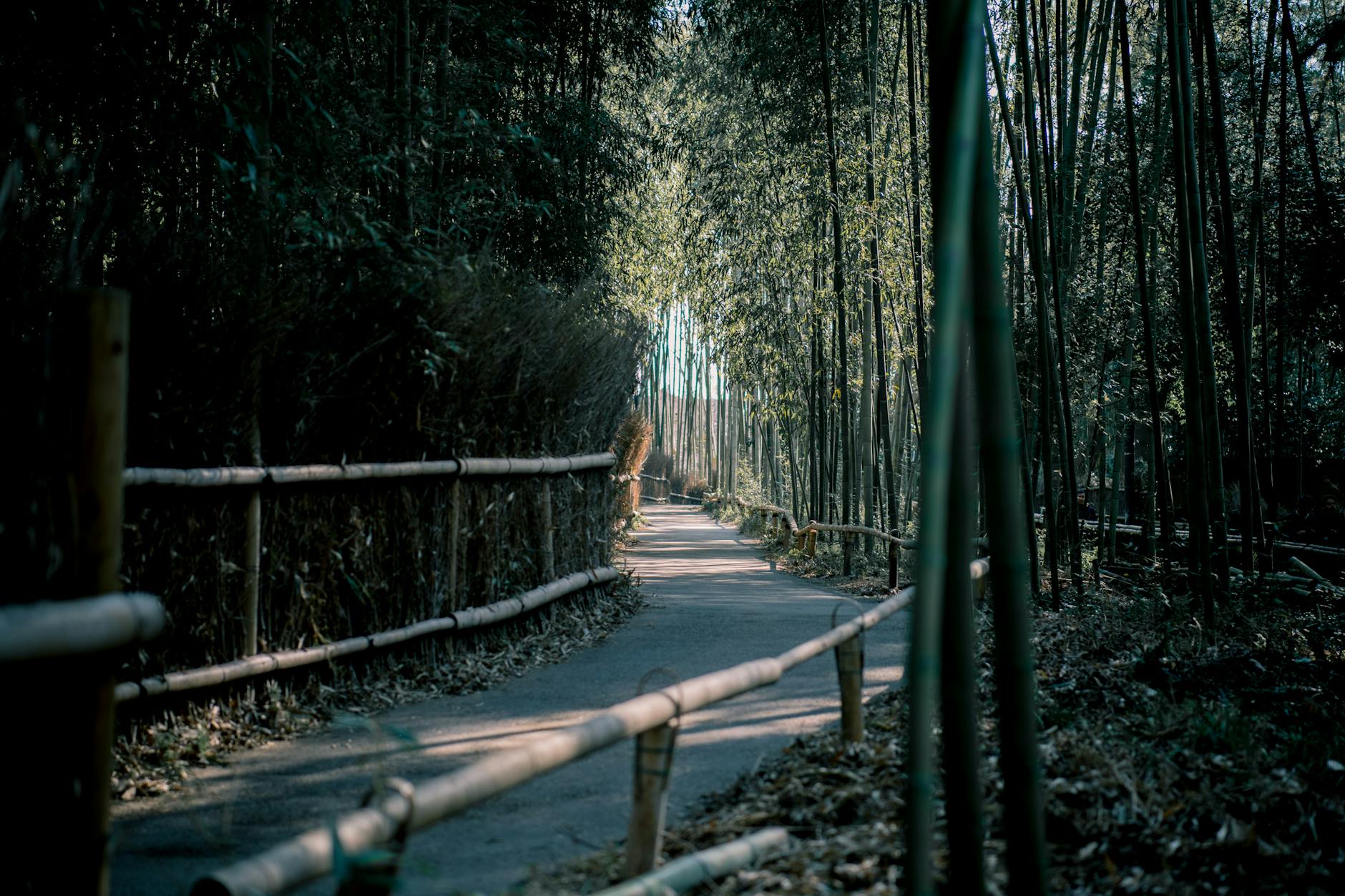
For your final full day, venture west to Arashiyama. The famous bamboo grove is a sight often pictured, and for good reason. To experience its quiet majesty, arrive just as the first light breaks. Walk in early and the grove does something to sound itself: the light turns green, the city falls away, and for a few minutes there is only the creak and soft rustle of bamboo overhead. It’s the kind of quiet I travel for. From there, you can explore Tenryu-ji Temple, a UNESCO World Heritage site known for its beautiful landscape garden, designed in the 14th century. The garden is a place of peace, inviting you to sit and appreciate its meticulous design and the surrounding natural beauty.
After your morning in Arashiyama, you have a few options for a gentle afternoon. You might choose to explore the quieter parts of the area, perhaps visiting a less-frequented temple or crossing the Togetsukyo Bridge for views of the river. Alternatively, head back towards central Kyoto. This could be a good time to revisit a neighborhood that caught your eye, browse a local bookshop, or simply find a quiet café for a final matcha and pastry, perhaps journaling about your experiences. I often find these unscripted afternoons, where I allow serendipity to guide me, to be the most enriching parts of a trip.
For those considering an extended day trip, Nara is an accessible option by train, famous for its freely roaming deer and the magnificent Todai-ji Temple with its Great Buddha statue. If you choose this, be mindful that it adds significant travel time and might make the day feel less “slow.”
Moving Gently Through Kyoto

Kyoto is a city best explored on foot, but its public transport system is excellent for connecting different areas. Trains, particularly the JR lines and private railways, are efficient and comfortable. Buses cover routes where trains do not. I always recommend acquiring an IC card like ICOCA or Suica upon arrival; it simplifies payments on both trains and buses, letting you glide through stations without fumbling for cash.
Where to base yourself for these three days: Where to stay in Kyoto compares downtown, Kyoto Station, Gion, Arashiyama and the northern hills.
A gentle awareness of local customs makes for a richer experience in Kyoto. Dress modestly when visiting temples and shrines; shoulders and knees should generally be covered. Remove your shoes when entering traditional establishments or homes. Observe quietness in sacred spaces and residential areas. While credit cards are accepted in many places, especially larger stores and hotels, carrying some Japanese Yen for smaller shops, market stalls, and some local eateries is always a good idea.
Staying connected is a practical consideration for navigation and keeping up with travel information. Before arriving, considering how you’ll manage your data is helpful. Airalo Japan eSIM An eSIM can be a convenient option, allowing you to activate a local data plan on your phone without needing a physical SIM card, ensuring you have maps and translation tools at hand from the moment you land. When I plan ahead, particularly for peak times, I often find it helpful to look for a single place that lets me browse and book entries or experiences all at once. Klook Kyoto experiences and tickets (or VELTRA for locally operated tours) This can ease the planning, ensuring you can experience that tea ceremony or garden visit you’ve been looking forward to, leaving your days feeling more open. No matter how carefully I plan, I know unexpected things can happen. Having reliable travel insurance offers a quiet reassurance, letting me truly relax into the journey. EKTA travel insurance It’s a way of caring for myself and my trip, knowing that I’m covered if something unexpected comes up, so I can truly be present wherever I am.
A Slow Unfolding

Kyoto, when approached with a gentle spirit, is not just a collection of beautiful sights but a city that invites you to breathe, observe, and simply be. It’s a place where the ordinary becomes extraordinary through quiet attention – the way steam rises from a teacup, the pattern of moss in a temple garden, or the patient movements of a craftsperson.
My hope for your first visit is not that you see everything, but that you feel something lasting. That you leave not just with photographs, but with a deeper sense of calm and a quiet curiosity about the world and its gentle rhythms. It’s in these moments of slow unfolding that travel truly becomes a form of growth.
Frequently asked questions
Is three days enough for a first visit to Kyoto?
Three days offers a wonderful introduction to Kyoto if you approach it with a gentle pace, focusing on a few areas rather than trying to see everything. It allows for quiet mornings, thoughtful walks, and time to simply observe, rather than rushing through a checklist.
What is the best way to get around Kyoto?
Kyoto is best explored by walking, especially through its historic lanes. For longer distances, an efficient network of trains and buses connects most areas. An IC card (like ICOCA or Suica) makes travel seamless. Taxis are also available, though less common for daily transit.
What should I pack for a trip to Kyoto?
Comfortable walking shoes are essential. Layers are always a good idea, as temperatures can shift throughout the day. Remember to pack modestly, especially if you plan to visit temples and shrines – shoulders and knees should generally be covered out of respect.
Do I need cash when visiting Kyoto?
While card payments are common in larger establishments, many smaller cafés, independent shops, and market stalls still prefer or only accept cash. It's wise to carry some Japanese Yen for convenience, particularly when exploring local neighborhoods.
How can I avoid crowds at popular Kyoto attractions?
Starting your days early, especially for places like Fushimi Inari or Kiyomizu-dera, can offer a more tranquil experience before the main crowds arrive. Exploring less-frequented side streets and visiting during the shoulder seasons can also provide quieter moments.
Keep reading on Gently Yonder
- Tokyo City Guide First-time visitor's layered introduction — neighbourhoods, food, and prep.
- Asakusa, Tokyo Sensoji and Edo streets, with practical visit tips and nearby districts to combine.
- Japan Country Profile Eight-section country deep-dive: history, geography, society, and travel prep.
- Carry-On Packing List for a 10-Day Japan Trip A 10-item capsule sized for Japan — plugs, cash, IC cards, and the right shoes.
- Best eSIM for Japan, Korea & Vietnam Destination-by-destination eSIM picks for three popular Asian countries.
- Klook vs Viator vs GetYourGuide Which tours-and-activities platform to use where — Asia, Europe, and global.