No one pays to be recommended here, and we say when a free or cheaper option wins. Our promise →
In this guide7 sections
- The Core Principle: A Minimalist Capsule Wardrobe for 10 Days
- Essential Apparel: Navigating Japan’s Climate and Culture
- Footwear and Accessories: Comfort for Extensive Exploration
- Personal Care and Connectivity: Navigating On-the-Go
- The Carry-On and Personal Item Strategy
- What this means for your trip
- Frequently asked questions
Preparing for international travel often involves balancing practicality with aspiration. For a 10-day exploration of Japan, especially with a carry-on only, a structured approach to packing can significantly enhance the travel experience. This guide outlines an efficient strategy, considering Japan’s unique practicalities and seasonal variations, to ensure mobility and comfort.
| Category | Pack | Notes |
|---|---|---|
| Clothing | 3–4 tops · 2 bottoms · 1 outer layer · 5–7 days of underwear and socks | Quick-dry fabrics; one laundry cycle mid-trip |
| Footwear | Broken-in walking shoes, plus one lighter pair | 15,000+ steps a day is normal in Tokyo and Kyoto |
| Tech | Type A adapter · power bank · eSIM installed | Japan runs 100 V with Type A plugs |
| Toiletries | 100 ml containers in one clear bag | Hotels provide plenty; buy the rest locally |
| Money & transit | Yen in cash · IC card (Suica / Pasmo) | Cash still rules smaller restaurants and shops |
The Core Principle: A Minimalist Capsule Wardrobe for 10 Days

Adopting a capsule wardrobe philosophy is central to successful carry-on travel, particularly for a destination like Japan where efficient movement between cities is often part of the itinerary. The principle involves selecting a limited number of versatile clothing items that can be mixed and matched to create multiple outfits, suitable for various occasions and weather conditions. For a 10-day trip, this typically means packing enough clothing for approximately five to seven days, with the intention of doing laundry once during the journey. This approach not only minimizes baggage weight and volume but also simplifies daily dressing decisions.
Seasonal considerations are paramount when planning your Japan capsule. For spring (March-May) and autumn (September-November), layering is essential due to fluctuating temperatures; days can be mild while evenings become cool. Consider lightweight long-sleeved shirts, versatile cardigans, and a packable scarf to easily adjust to varying conditions. Summer (June-August) demands light, breathable fabrics like linen or moisture-wicking synthetics to combat high humidity and heat, particularly in urban centers. Prioritize loose-fitting tops and bottoms that allow for air circulation. Winter (December-February) necessitates warm base layers such as merino wool, insulated outerwear, and waterproof options, especially if visiting colder regions or mountainous areas like the Japanese Alps. Thermal socks and a warm hat are also crucial. Furthermore, cultural considerations, such as respectful dress when visiting temples or shrines like Senso-ji, encourage modest attire that covers shoulders and knees. This does not require specialized clothing, but rather thoughtful selection of existing versatile pieces. By focusing on neutral colors and classic silhouettes, a functional and adaptable wardrobe can be established, addressing both practical needs and cultural sensitivities. For further guidance on constructing such a system, our article on building a capsule wardrobe provides comprehensive insights.
Essential Apparel: Navigating Japan’s Climate and Culture

Building on the capsule wardrobe concept, specific apparel choices for a 10-day trip to Japan should prioritize versatility, comfort, and adaptability to the local climate and customs. For a carry-on, a focus on approximately ten core clothing items is recommended, allowing for easy layering and laundering. This typically includes three to four versatile tops, such as quick-dry t-shirts, long-sleeved shirts, or blouses, ideally in fabrics that resist wrinkles and dry quickly. Two pairs of comfortable bottoms—such as versatile trousers, dark jeans, or a midi-skirt—provide foundational options. One outer layer, like a lightweight cardigan or a packable fleece, is invaluable for adapting to temperature shifts, particularly in transitional seasons or air-conditioned spaces.
Japan experiences rainfall year-round. A lightweight, waterproof jacket that can be easily stowed in a daypack is a practical consideration. Depending on the season and personal preference, a versatile dress or a pair of comfortable shorts can also be incorporated. Underwear and socks, preferably quick-drying varieties, should be packed for 5-7 days, acknowledging the planned laundry cycle. Sleepwear, if desired, should be light and compact. If traveling in summer, swimwear might be considered for natural hot springs (onsen) or coastal excursions, though many traditional onsen have specific rules regarding attire or tattoos, which visitors should research in advance. The emphasis remains on multi-functional items that can transition seamlessly from sightseeing to dining, always keeping comfort and practicality at the forefront.
Given the intention of doing laundry once during the 10-day trip, understanding available facilities is helpful. Many hotels offer laundry services, though these can be costly. Alternatively, coin laundromats (コインランドリー, koin randorī) are prevalent in urban areas and provide an affordable and efficient solution. These facilities often feature high-performance washing machines and dryers, sometimes with integrated detergent dispensers. Packing quick-drying fabrics significantly aids this process, allowing clothes to be washed in the evening and ready for wear by morning.
Footwear and Accessories: Comfort for Extensive Exploration

The importance of appropriate footwear for a trip to Japan cannot be overstated. Daily itineraries often involve extensive walking; anecdotal reports from travelers frequently indicate step counts well in excess of 15,000 steps per day, particularly when navigating large cities like Tokyo or Kyoto’s expansive temple grounds. Therefore, the most critical footwear item is a pair of comfortable, broken-in walking shoes or sneakers. Bringing brand-new shoes that have not been adequately worn in is not advisable, as they may lead to discomfort and detract from the travel experience. A versatile pair of comfortable walking shoes that provides ample support and cushioning is recommended. Depending on the season, a second, lighter pair, such as comfortable flats, sandals, or low-profile canvas shoes, can offer variety and a more formal option if needed, though practicality should always take precedence.
Beyond footwear, a selection of carefully chosen accessories can enhance both comfort and convenience. A small cross-body bag or a lightweight daypack is essential for carrying daily necessities such as a water bottle, guidebook, portable charger, and any small purchases. For electronics, a Type A electrical adapter is required for Japan’s 100V outlets, which differ from the 220-240V systems common in many other regions. While modern devices often have wide voltage compatibility, an adapter ensures plug fit. A portable power bank is highly advisable to keep smartphones charged throughout long days of navigation and photography. Sunglasses are useful year-round, and a compact, collapsible umbrella is a practical addition for both sun protection and unexpected rain showers, which are not uncommon in many Japanese seasons.
Personal Care and Connectivity: Navigating On-the-Go
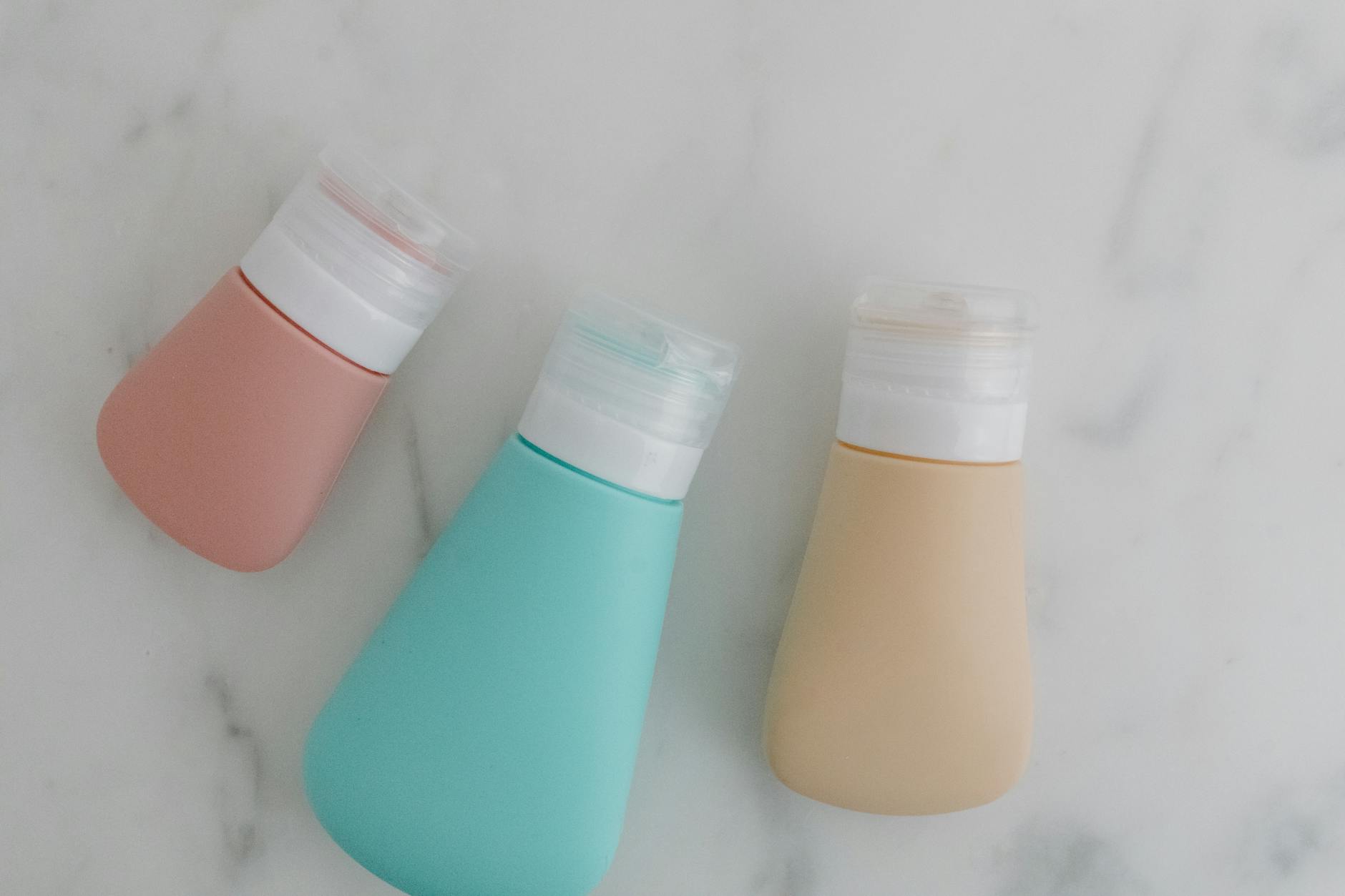
Efficient personal care packing for a carry-on trip involves adhering to the Transportation Security Administration’s (TSA) 3-1-1 rule for liquids, gels, and aerosols: containers must be 100 milliliters (3.4 ounces) or less, fit within one quart-sized bag, and be limited to one bag per passenger. Travel-sized versions of essential toiletries such as shampoo, conditioner, body wash, toothpaste, and any personal medications are recommended. Many hotels in Japan provide excellent amenities, which can reduce the need to pack full sets, though personal preferences vary. Sunscreen is advisable for protection throughout the year, especially during long days of outdoor exploration.
Connectivity is a critical aspect of modern travel, and Japan offers several reliable options. While roaming can be expensive, a popular and convenient solution is an eSIM. An eSIM allows travelers to activate a local data plan without needing a physical SIM card, providing immediate internet access for navigation, communication, and information retrieval. Providers like Airalo offer various plans suitable for short-term travel in Japan; Airalo plans can be considered for seamless connectivity. Alternatively, portable Wi-Fi devices (pocket Wi-Fi) can be rented, providing a hot spot for multiple devices. Our Japan eSIM guide and multi-country eSIM comparison cover the choice in detail. Beyond digital connectivity, it is important to acknowledge Japan’s financial landscape. While cashless payments, particularly via credit card, are becoming more widespread in larger cities and chain stores, Japan remains a cash-friendly economy. Many smaller restaurants, traditional ryokan, local shops, and even some public transport systems outside major hubs still operate primarily on cash. It is prudent to carry a supply of Japanese Yen for these instances, easily obtainable from ATMs at post offices or 7-Eleven convenience stores. International credit card acceptance varies; Visa and Mastercard are generally accepted, but American Express and Discover may be less so. Additionally, for local transportation and some retail purchases, an IC card such as Suica or PASMO is invaluable. These rechargeable cards facilitate quick, tap-and-go payments on trains, subways, and buses, and are accepted at many convenience stores and vending machines. Beyond transport, IC cards like Suica, PASMO, ICOCA, and others are incredibly versatile. They can be used for purchases at convenience stores, vending machines, lockers, some taxis, and even many small eateries, offering a seamless and quick payment method that reduces the need for small change. Our guide to everyday carry offers further strategies for managing essentials.
The Carry-On and Personal Item Strategy
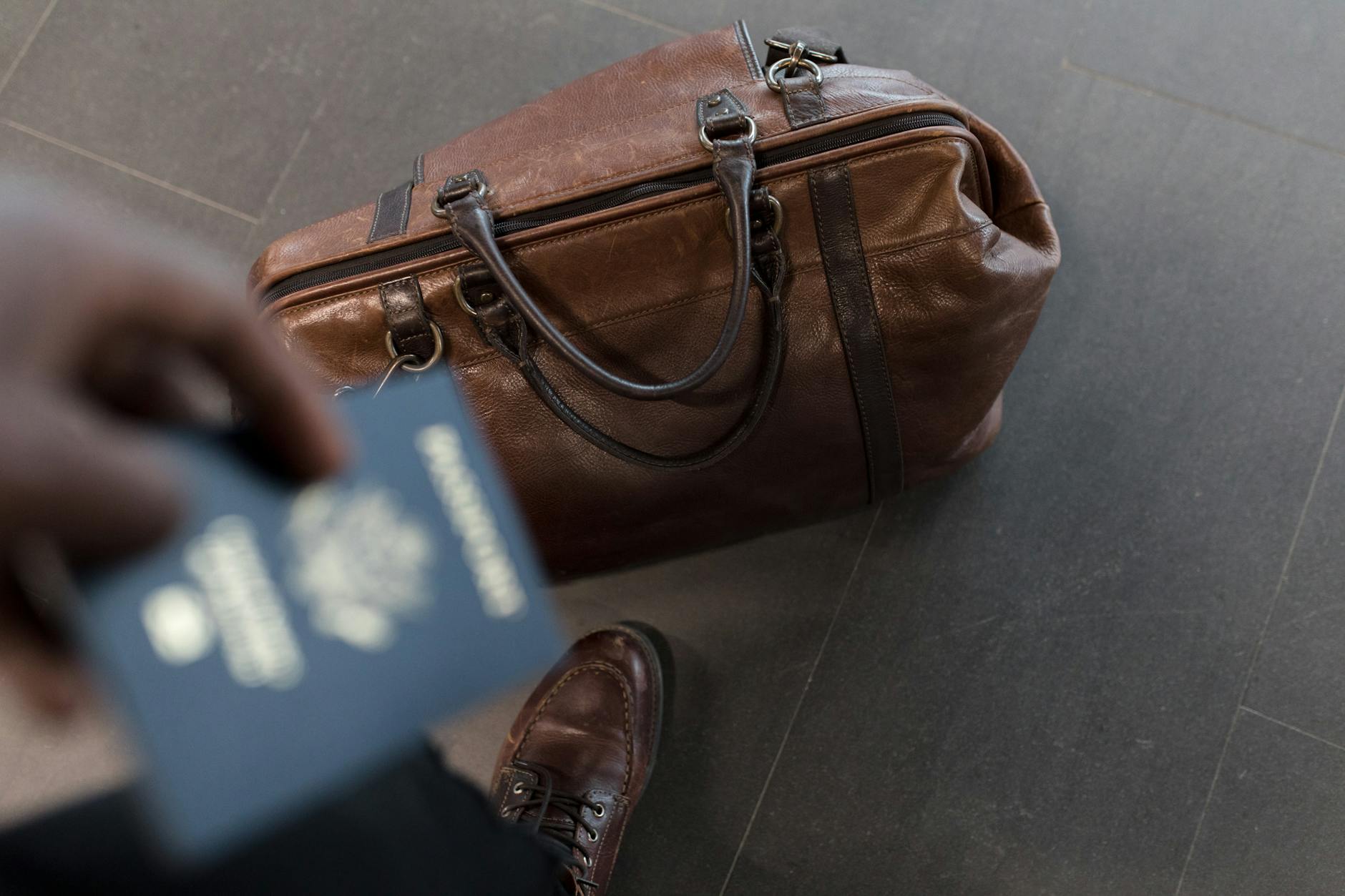
Maximizing space and efficiency within carry-on limits requires a strategic approach to both your primary carry-on bag and your personal item. Most airlines permit one carry-on bag that fits in the overhead bin and one smaller personal item that stows under the seat in front of you. The carry-on bag, whether a soft-sided duffel, a backpack, or a hardshell roller, should be chosen based on its dimensions complying with airline regulations and its suitability for your packing style. Soft-sided bags or travel backpacks often offer more flexibility in fitting into tight spaces and can be easier to navigate through crowded train stations.
Carrying everything between cities? Our where-to-stay guides for Tokyo, Kyoto and Osaka start with the station, so the walk with your bag stays short.
The personal item is not merely an overflow bag; it is an extension of your primary carry-on, designed for items needed during transit or those that warrant easy access. This typically includes essential documents, a travel wallet, smartphone, power bank, any valuable electronics (laptop, tablet), medications, eyeglasses, and entertainment. By carefully curating the contents of your personal item, you avoid frequent access to your main carry-on. Utilizing packing cubes within your carry-on can significantly compress clothing, organize items, and streamline the packing and unpacking process. Grouping similar items together—e.g., all tops in one cube, all bottoms in another—is a recommended strategy. Remember that even with carry-on only, weight restrictions still apply, especially on some domestic Japanese flights. Typical international carry-on dimensions often fall around 56 x 36 x 23 cm (22 x 14 x 9 inches), including handles and wheels, with weight limits usually ranging from 7 kg (15 lbs) to 10 kg (22 lbs). Domestic Japanese airlines might have slightly stricter limits, especially for budget carriers. For instance, a common personal item size is around 40 x 30 x 15 cm (16 x 12 x 6 inches), suitable for a small backpack or shoulder bag. Always verify the specific carry-on and personal item dimensions and weight limits with your chosen airline before departure to avoid unexpected fees or delays.
What this means for your trip

Traveling to Japan with a carry-on-only strategy, particularly for a 10-day itinerary, is an exercise in intentionality and efficiency. The benefits extend beyond simply avoiding checked bag fees; it provides unparalleled mobility, allowing for seamless transitions between Japan’s efficient rail networks and dense urban environments. This approach means less time waiting at baggage carousels and more freedom to navigate public transport and explore diverse locales.
Our emphasis on a versatile capsule wardrobe, broken-in walking shoes, and a pragmatic approach to personal care and connectivity aims to equip you for Japan’s unique blend of traditional culture and modern innovation. Whether you are navigating the intricate subway system of Tokyo, exploring the ancient temples of Kyoto, or venturing into regional landscapes, a well-planned carry-on will facilitate a more immersive and stress-free journey. Through minimalist packing and an understanding of Japan’s practical realities, travelers can optimize their focus on the experience itself rather than logistical burdens. For a deeper understanding of the country’s multifaceted appeal, see our comprehensive Japan country profile and detailed Tokyo guide.
Frequently asked questions
What should we pack for a 10-day trip to Japan?
For a 10-day Japan trip with carry-on only, focus on a versatile capsule wardrobe: 3-4 tops, 2 bottoms, 1-2 outer layers, comfortable walking shoes, and essentials. Plan for one laundry cycle to keep items fresh. Specifics will vary by season.
Can we travel to Japan with only a carry-on bag for 10 days?
Yes, traveling to Japan with only a carry-on is entirely feasible for a 10-day trip. This approach enhances mobility and reduces transit times, provided a thoughtful packing strategy is employed, focusing on multi-purpose items and light layers.
What are the best shoes to bring for extensive walking in Japan?
The most critical footwear for Japan is a pair of comfortable, broken-in walking shoes or sneakers. Given that daily step counts can easily exceed 15,000, prioritizing support and comfort over fashion alone is advisable. A second, lighter pair like flats or sandals can be useful depending on the season.
Do we still need cash in Japan, or are cards widely accepted?
While cashless payments are increasing in Japan, a significant portion of the economy, particularly in smaller establishments, still operates with cash. It is prudent to carry some Japanese Yen, though IC cards (like Suica or PASMO) and major credit cards are accepted in many larger cities and retail chains.
Keep reading on Gently Yonder
- Capsule Wardrobe for 2-Week Trips Ten items, three climates — fabrics, layering, and laundry on the road.
- Travel EDC Checklist Power bank, water bottle, sanitiser — the pocket setup that keeps your day moving.
- Best eSIM for Japan (2026) How to choose a Japan travel eSIM — coverage, data plans, and the pick for most trips.
- Japan Country Profile Eight-section country deep-dive: history, geography, society, and travel prep.
- Tokyo City Guide First-time visitor's layered introduction — neighbourhoods, food, and prep.
- Where to Store Luggage in Tokyo Coin lockers, cloakrooms, storage apps, and hotel holds — which to use where.