Asakusa
Tokyo's oldest temple district. Edo theatre, the 1923 earthquake, the 1945 firebombing, and the careful reconstruction visitors walk through today.
Read the guide →City Guide · Tokyo
A layered guide for the thoughtful traveler — history, neighborhoods, practical preparation. What endures, what changed, and where to start.
Tokyo is many cities layered on top of each other. The grid of Edo, the avenues of Meiji, the rebuilt districts of 1923 and 1945, and the neighborhoods that the late-20th-century economy and its aftermath produced — all of these are present simultaneously. Understanding which Tokyo you are walking through, at any given moment, is half of seeing it.
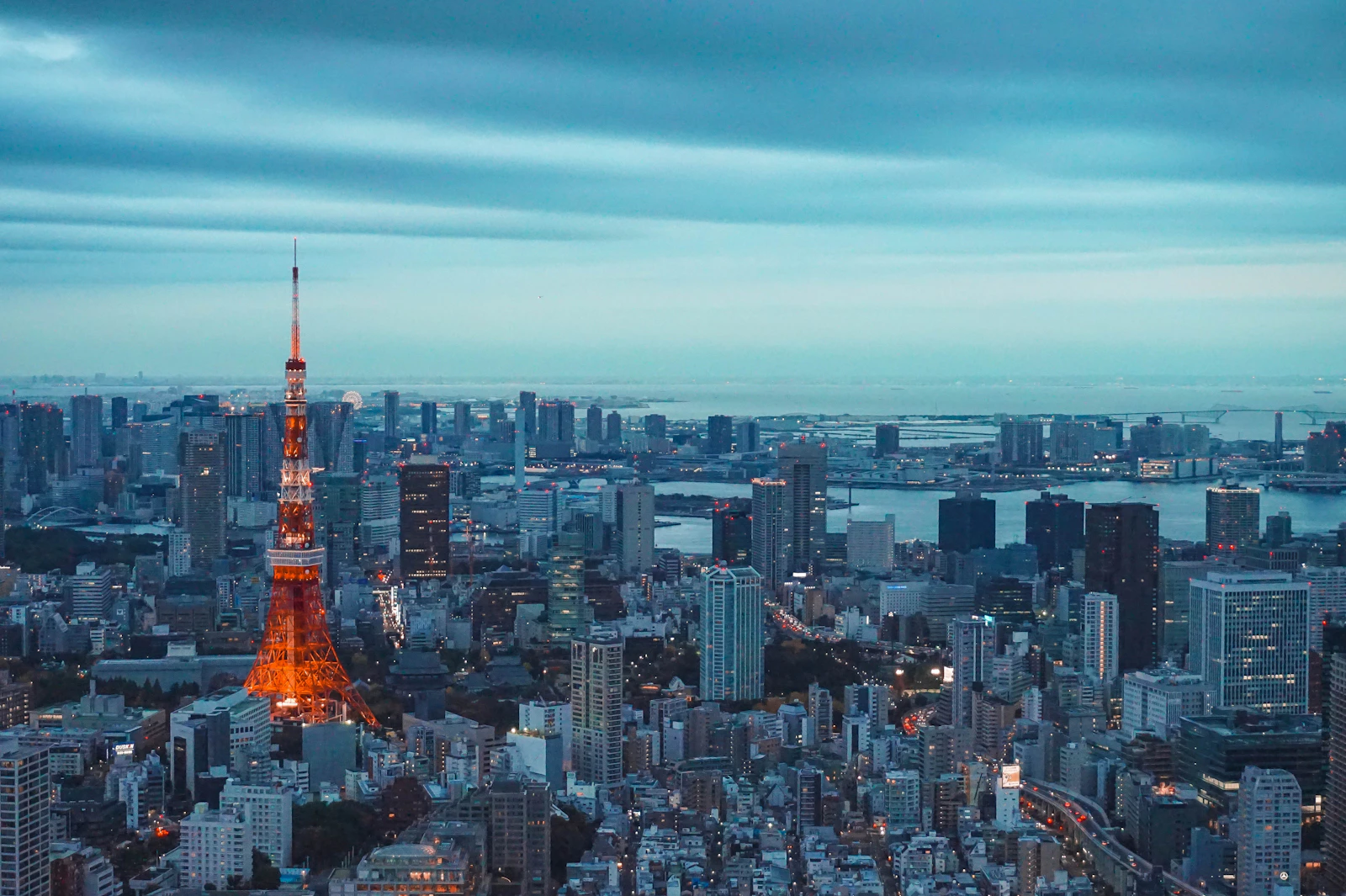
Most Tokyo guides emphasize spectacle: the lights of Shibuya, the cherry blossoms of Ueno, the food of Tsukiji. These are real and worth seeing. But Tokyo's depth is historical — and that depth makes the present make sense. A neighborhood that looks ancient may have been rebuilt three times within living memory. A neighborhood that looks modern may carry centuries of cultural continuity beneath new facades.
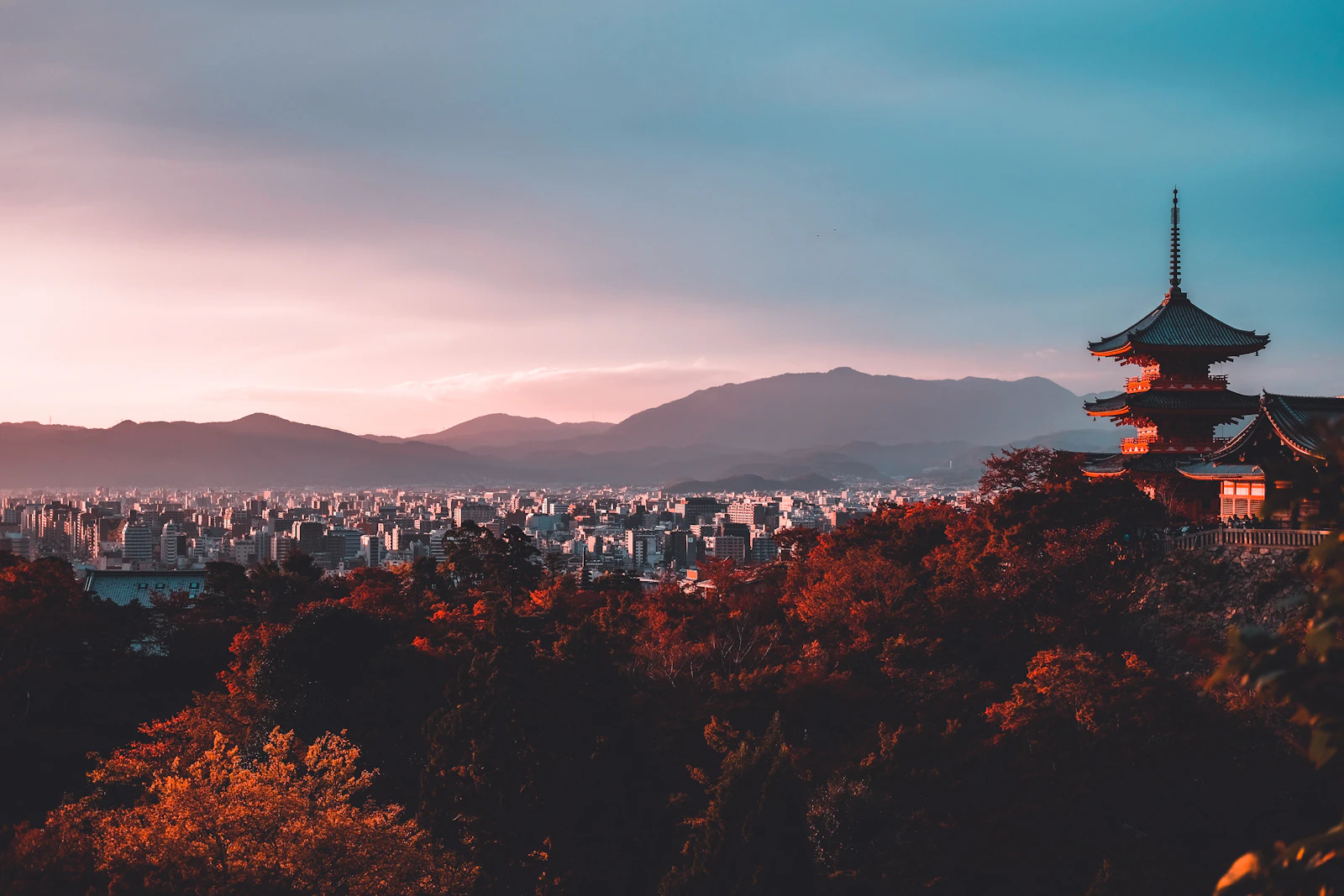
Each neighborhood guide combines historical context with practical visitor information. Read the relevant ones before you go, and the city will read differently on arrival.
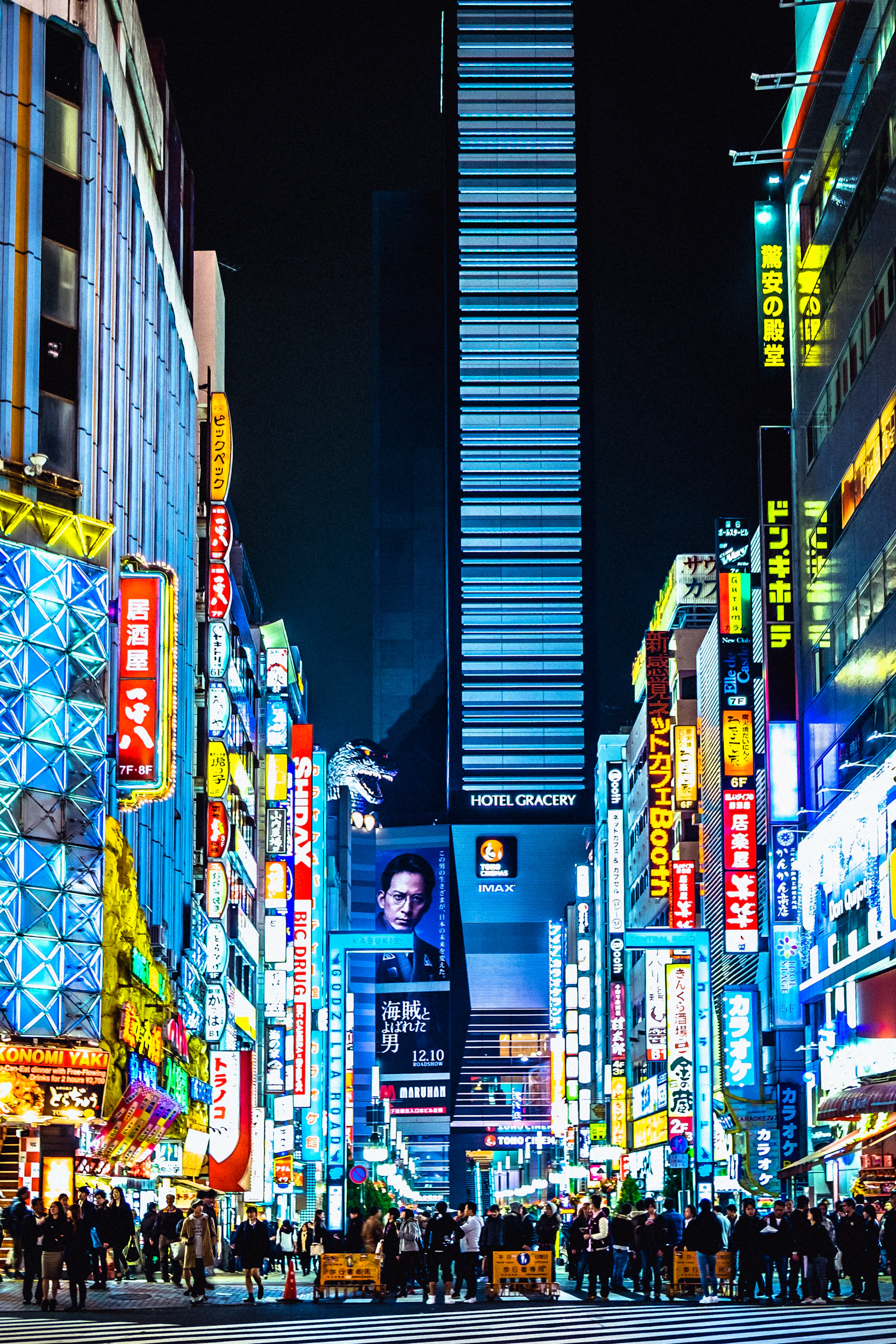
Tokyo's oldest temple district. Edo theatre, the 1923 earthquake, the 1945 firebombing, and the careful reconstruction visitors walk through today.
Read the guide →From post-war black-market district to global youth culture symbol. The 1964 Olympics, the 1980s economy, and the present moment.
In editorialTokyo's most layered district — Edo post-town, post-war black markets, Korean community history, modern administrative center.
In editorialImperial museums, public parks, and the Yokoamicho Park memorial — Tokyo's most reflective district.
In editorialOur full set of Tokyo preparation guides, in the order the questions usually come up.
Enough to see a few distinct sides of the city without rushing between them — for most first visits that lands around five days. Our 5-day itinerary groups neighbourhoods so you spend the time in streets, not on trains.
It depends on the trip you want: the west side puts you close to transit and evening energy, the east side closer to older Tokyo. Our where-to-stay comparison walks through Shinjuku, Shibuya, Asakusa and the quieter alternatives.
Several routes run from each airport, and rail is usually the simplest. We compare every option — including late-night arrivals — in our airport-to-city guide.
More than in most large global cities. Cards and IC cards cover transit and chains, but smaller restaurants and older establishments often remain cash-based — withdrawing at an airport ATM on arrival is the calm way in.
Tokyo rewards a bit of advance planning. A handful of bookings worth making before you fly:
Strong coverage in Japan, Korea, Vietnam, Thailand, Hong Kong, Taiwan, and Singapore. Skip-the-line tickets, day tours, airport transfers, and pocket Wi-Fi. Often the cheapest reliable option for major attractions in Asian capitals.
Browse Klook tours & tickets →Stronger than Klook for off-beat Japan-specific bookings: tea ceremonies, kimono rental, ninja workshops, small-group food tours. Smaller catalog overall, but often the only place these are bookable in English.
Browse KKday experiences →Disclosure: links in this section are affiliate links. Gently Yonder may earn a commission if you book through them, at no extra cost to you.
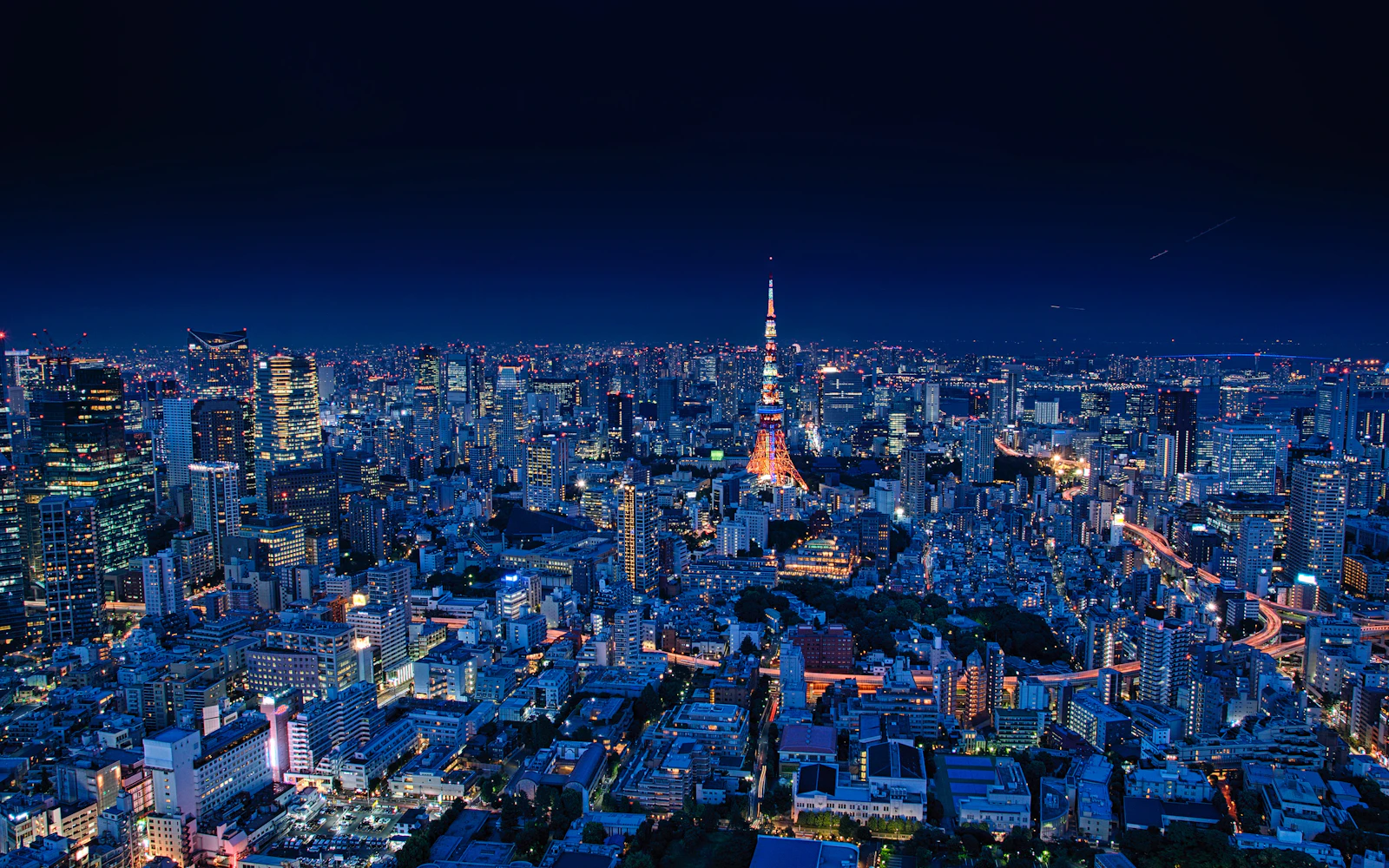
For a first three-day visit, a layered itinerary might begin in Asakusa at dawn (before the crowds), move through Ueno's museum district by mid-morning, cross to Akihabara or Ginza in the afternoon, and end somewhere with a view — the observation decks at Tokyo Metropolitan Government Building (free) or Tokyo Skytree.
On the second day, choose one of Shibuya, Shinjuku, or Harajuku. Each has its own historical texture, and trying to do all three in one day flattens the experience. Spend the third day on a day trip — Kamakura or Nikko — or on a neighborhood you wanted more time in.
Top-rated tours and activities — book skip-the-line where possible: