Tokyo is less a single city than a constellation of cities pressed together — a place where a 1,400-year-old temple sits a train stop from the busiest pedestrian crossing on earth, and a hushed imperial garden shares a skyline with neon canyons. First-timers can feel the sheer scale as pressure; the cure is to think in neighbourhoods, pick a handful, and let each afternoon belong to one. Here are the places that reward the trip. Two small things make it smoother: a travel eSIM so maps and train apps work from the airport, and a browse of Klook or KKday for teamLab tickets, skip-the-line passes, and day tours, which sell out and are cheaper booked ahead.
No one pays to be recommended here, and we say when a free or cheaper option wins. Our promise →
In this guide8 sections
Where you sleep shapes these days as much as what you book. Where to stay in Tokyo compares six areas, from Shinjuku to Asakusa, and names 17 hotels; our guides to the cherry blossom and the autumn leaves match the areas to the seasons.
Asakusa and Senso-ji

Start where old Tokyo survives. Senso-ji, the city’s oldest temple, is reached through the giant red Kaminarimon (“Thunder Gate”) and along Nakamise-dori, a lane of stalls selling rice crackers, folding fans, and grilled sweets. Come early to have the great incense cauldron and the five-storey pagoda to yourself, then wander the low streets of Asakusa, where you can still ride a rickshaw or rent a kimono. The Tokyo Skytree, the tallest tower in Japan, rises just across the river for a long view over the whole megacity.
Shibuya and Harajuku
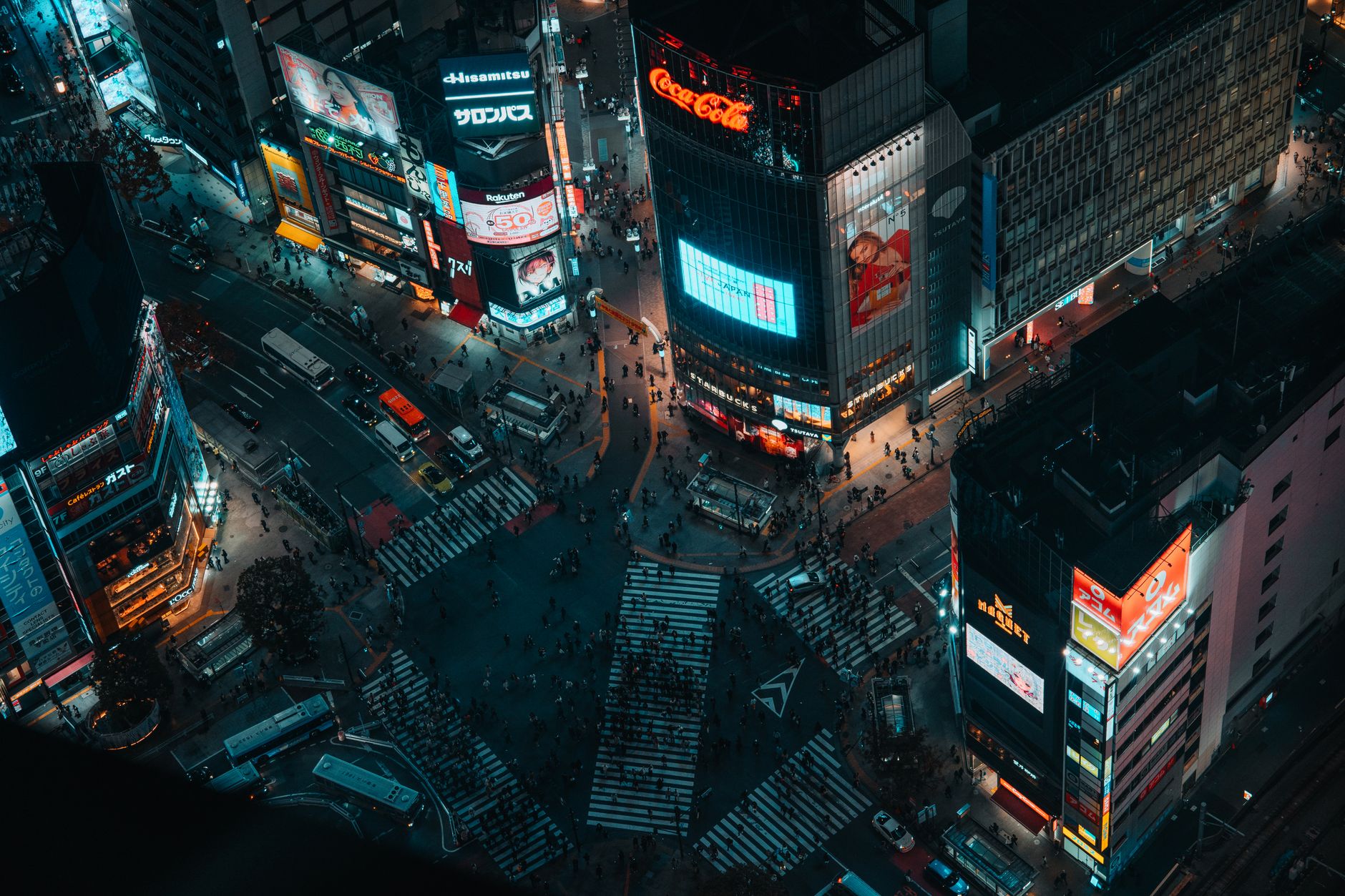
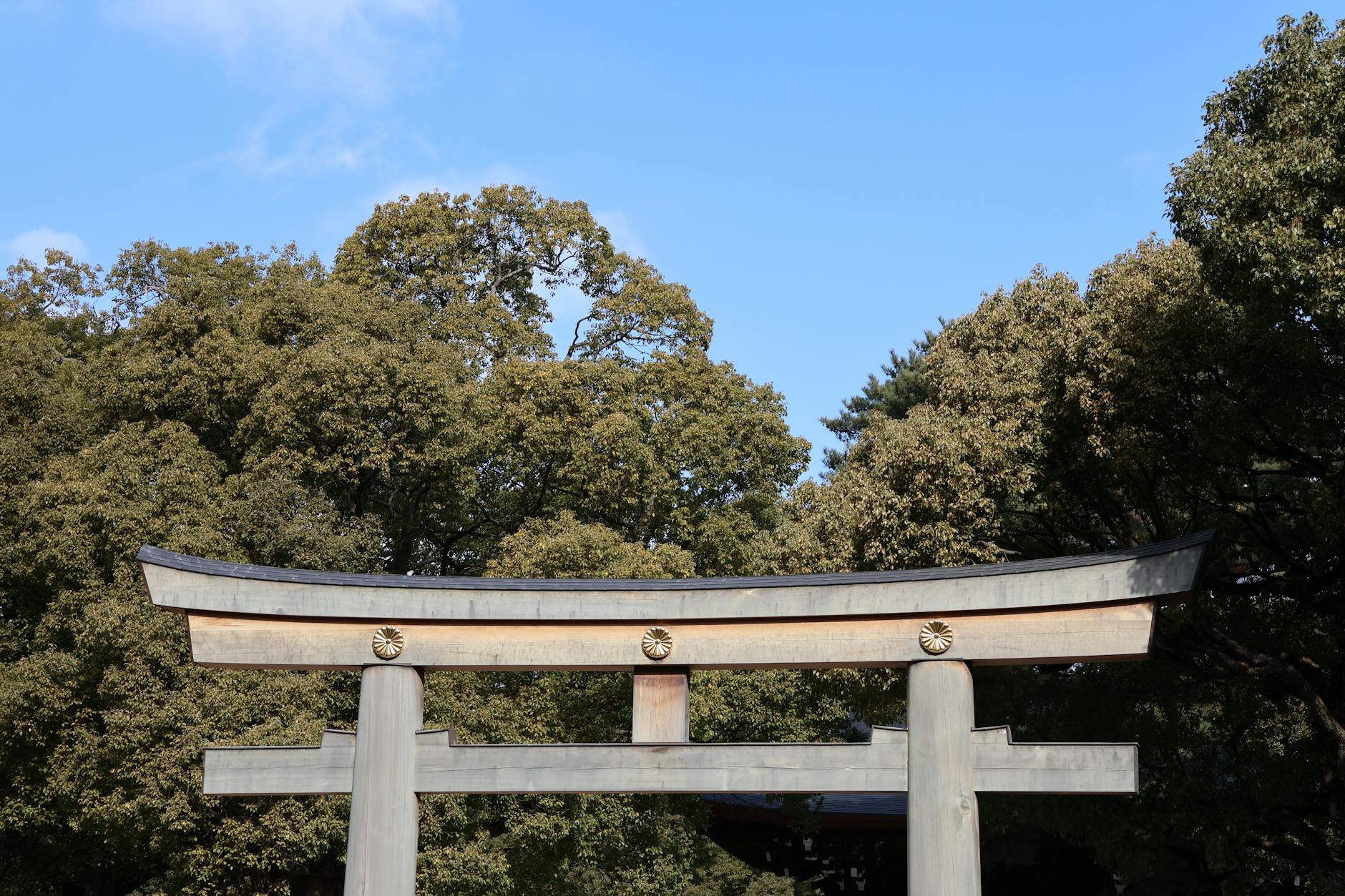
For the Tokyo of the imagination, cross the Shibuya Scramble — the five-way crossing where a thousand people surge at every light change — and pay respects at the Hachiko statue, the loyal dog who waited nine years for his owner. Rise above it at the open-air Shibuya Sky deck for a dusk panorama. A short walk north, Harajuku is youth-culture central: the crepe stalls and boutiques of Takeshita-dori, the calmer designer avenue of Omotesando, and, behind it all, the serene forest and towering torii of Meiji Jingu shrine.
Shinjuku after dark
Shinjuku is Tokyo at full voltage. Ride the free lift up the Tokyo Metropolitan Government Building for a skyline view that costs nothing, then descend into the lantern-lit alleys of Omoide Yokocho (“Memory Lane”) and the tiny, characterful bars of Golden Gai, where each room seats six. The neon of Kabukicho and the greenery of Shinjuku Gyoen — one of the city’s finest gardens, glorious in cherry-blossom season — bookend the district’s two moods.
teamLab and the waterfront
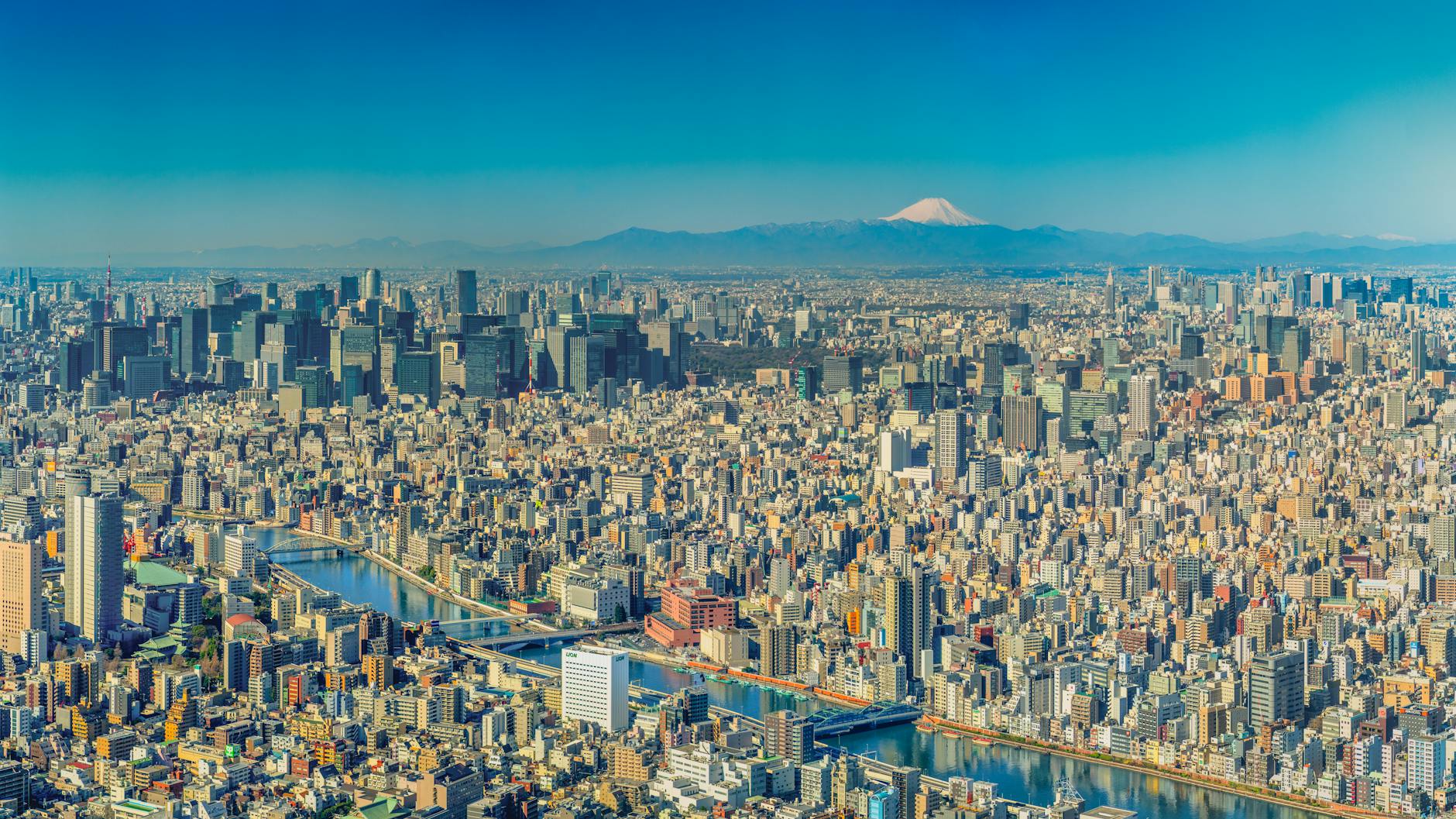
Book ahead for teamLab — the digital-art collective whose immersive, mirror-and-light rooms (at teamLab Planets in Toyosu) have become one of the most photographed experiences in Japan. It sits near the man-made island of Odaiba, with its bayfront views back to the Rainbow Bridge, and the vast Toyosu Market, the modern successor to Tsukiji, where the pre-dawn tuna auction still runs. The old Tsukiji Outer Market nearby remains the place to graze fresh sushi and tamagoyaki.
Ueno, Akihabara, and the museums
For a quieter, more local day, Ueno Park gathers the Tokyo National Museum (the world’s great collection of Japanese art), a zoo, and blossom-lined paths, with the cheap, cheerful Ameyoko market stalls spilling under the railway tracks beside it. One stop away, Akihabara — “Electric Town” — is the neon heartland of anime, games, and gadgets, stacked floor upon floor. History-minded travellers should also walk the Imperial Palace East Gardens, the old castle grounds at the city’s exact centre.
Eat your way across the city
Tokyo holds more Michelin stars than any city on earth, but its genius is at every price. Slurp ramen at a ticket-machine counter, sit at a smoky yakitori stall under the tracks in Yurakucho, queue for conveyor-belt sushi, and end late in an izakaya over small plates and highballs. Depachika — the food halls in department-store basements — are a free, dazzling education. Follow the crowds and you will rarely go wrong.
Easy escapes from the city
When the density asks for space, Tokyo’s rail makes day trips effortless. Kamakura offers its Great Buddha and coastal temples an hour south; Nikko‘s ornate shrines and cedar forests lie to the north; Hakone trades city for hot springs and, on a clear day, Mount Fuji mirrored in Lake Ashi. For families, Tokyo DisneySea is the version of the park found nowhere else on earth. Any of these is a comfortable there-and-back on a day’s ticket — book the popular tours ahead in autumn and cherry-blossom season.
Tokyo never finishes revealing itself; three or four days only scratches it. Pick a few neighbourhoods, eat fearlessly, and leave a little undone — it is the surest reason to come back.
Frequently asked questions
How many days do you need in Tokyo?
Four to five days is a comfortable first visit, thinking in neighbourhoods: a day around Asakusa and the east, a day for Shibuya/Harajuku, a day for Shinjuku and a garden, a day for teamLab and the waterfront or Ueno's museums, plus one day trip to Kamakura, Nikko or Hakone.
What should you book in advance in Tokyo?
teamLab tickets (they sell out), the Shibuya Sky observation deck, any sumo or theme-park tickets, and popular day tours in autumn and cherry-blossom season. Much of the city — temples, gardens, crossings, markets — is free and needs no booking.
Is Tokyo good for a first-time visitor?
Yes — it is clean, exceptionally safe, and superbly connected, so the scale is manageable once you think in districts. Signage and transit apps are English-friendly, and you can mix world-famous sights with quiet gardens and neighbourhood food at any budget.
What are the best day trips from Tokyo?
Kamakura (the Great Buddha and coastal temples, about an hour south), Nikko (ornate shrines and cedar forests to the north), and Hakone (hot springs and Mount Fuji views over Lake Ashi). Tokyo DisneySea is a unique option for families. All are easy same-day returns by train.
Keep reading on Gently Yonder
- Where to Stay in Tokyo for Autumn Leaves The weeks to aim for, Rikugien's 2026 evening opening, Shinjuku Gyoen's hours, the ginkgo avenue, four areas and 11 hotels.
- Where to Stay in Tokyo for Cherry Blossom The dates to aim for, five areas matched to the parks and rivers, 14 hotels, and the tax change on 1 April 2027.
- The Best Day Trips from Tokyo Nikko, Hakone, Kamakura, Mount Fuji and more — where to go from Tokyo and how to book each.
- Japan Tickets That Sell Out: What to Book Before You Fly Ghibli, teamLab, Shibuya Sky and the rest — what actually sells out and when to book.
- Best eSIM for Japan (2026) How to choose a Japan travel eSIM — coverage, data plans, and the pick for most trips.
- Tokyo City Guide First-time visitor's layered introduction — neighbourhoods, food, and prep.
- Kyoto: The Places Worth Your Time Fushimi Inari, Arashiyama, Kiyomizu-dera, the Golden Pavilion, Gion, and a Nara day trip.
- Carry-On Packing List for a 10-Day Japan Trip A 10-item capsule sized for Japan — plugs, cash, IC cards, and the right shoes.