For a thousand years Kyoto was Japan’s capital, and it still feels like the country’s memory made visible — 1,600 temples and 400 shrines threaded between wooden machiya townhouses, geisha districts, and hills that blaze red in autumn and pink in spring. It is also popular enough that timing is everything: the famous sights reward an early start, and the quiet ones reward a little walking. Here are the places worth your time. Two things smooth the day — a travel eSIM so maps and the bus apps work on arrival, and a look at Klook or KKday for tea ceremonies, kimono rental, and the guided day tours that make Kyoto’s spread-out sights easier.
No one pays to be recommended here, and we say when a free or cheaper option wins. Our promise →
In this guide8 sections
Where you stay decides which of these you can walk to early, before the crowds. Where to stay in Kyoto compares five areas, from downtown to Arashiyama, and our guides to the cherry blossom and the autumn leaves match them to the seasons.
Fushimi Inari and its thousand gates

Kyoto’s signature image is real and it is astonishing: at Fushimi Inari Taisha, thousands of vermilion torii gates tunnel up a wooded mountainside, donated over centuries by grateful businesses. The full loop to the summit takes two to three hours; go at dawn or dusk and the crowds thin to almost nothing as you climb past fox statues and lantern-lit shrines. It is free, open all hours, and unforgettable.
Arashiyama’s bamboo and river
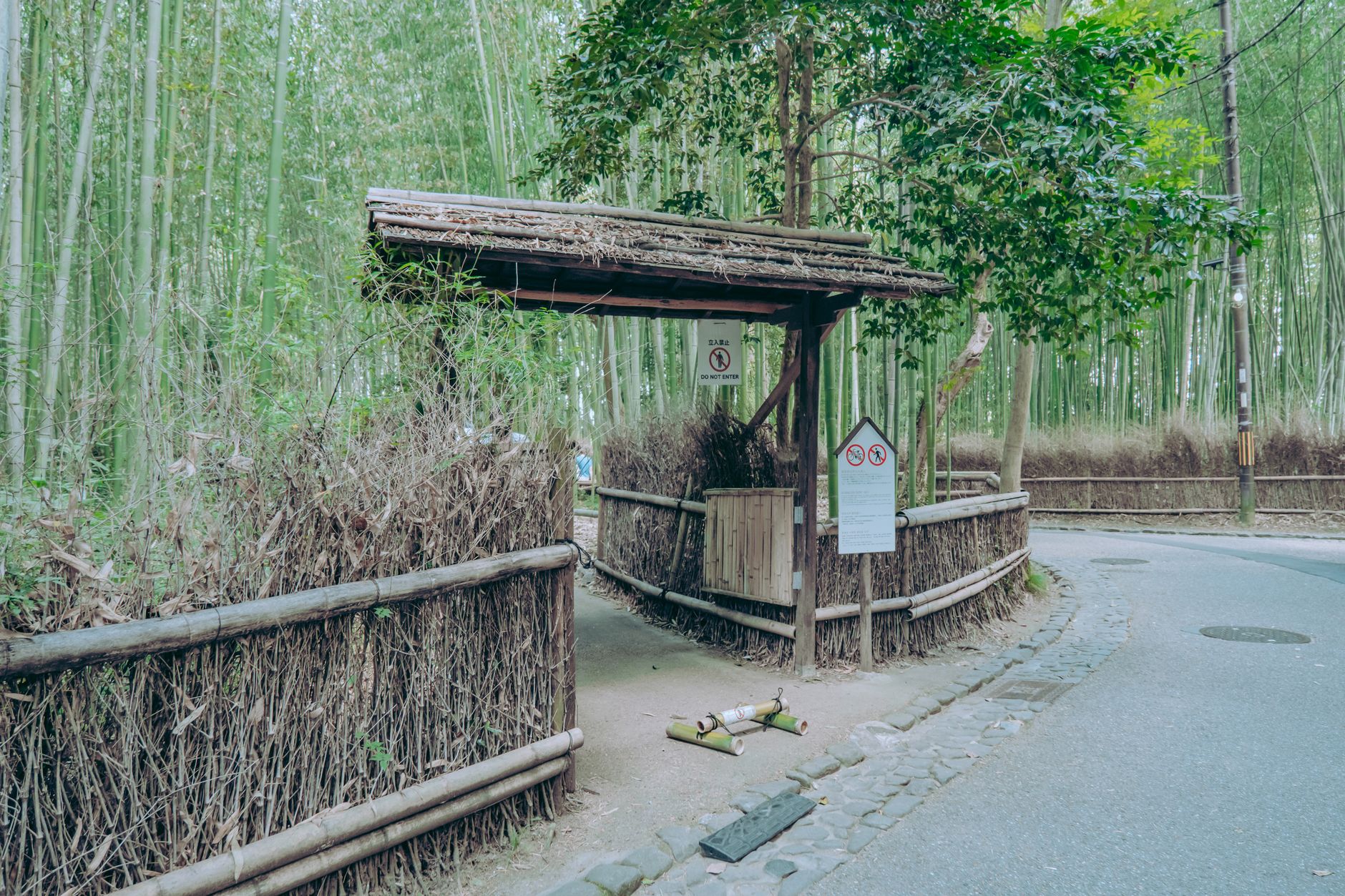
To the west, Arashiyama is a half-day in itself. Walk the soaring Bamboo Grove early before the paths fill, visit the Zen garden of Tenryu-ji with its borrowed mountain views, and cross the Togetsukyo Bridge over the Katsura River. Energetic visitors climb to the Iwatayama Monkey Park for wild macaques and a panorama back over the city. It is the greenest, most restorative corner of Kyoto.
Kiyomizu-dera and the old lanes
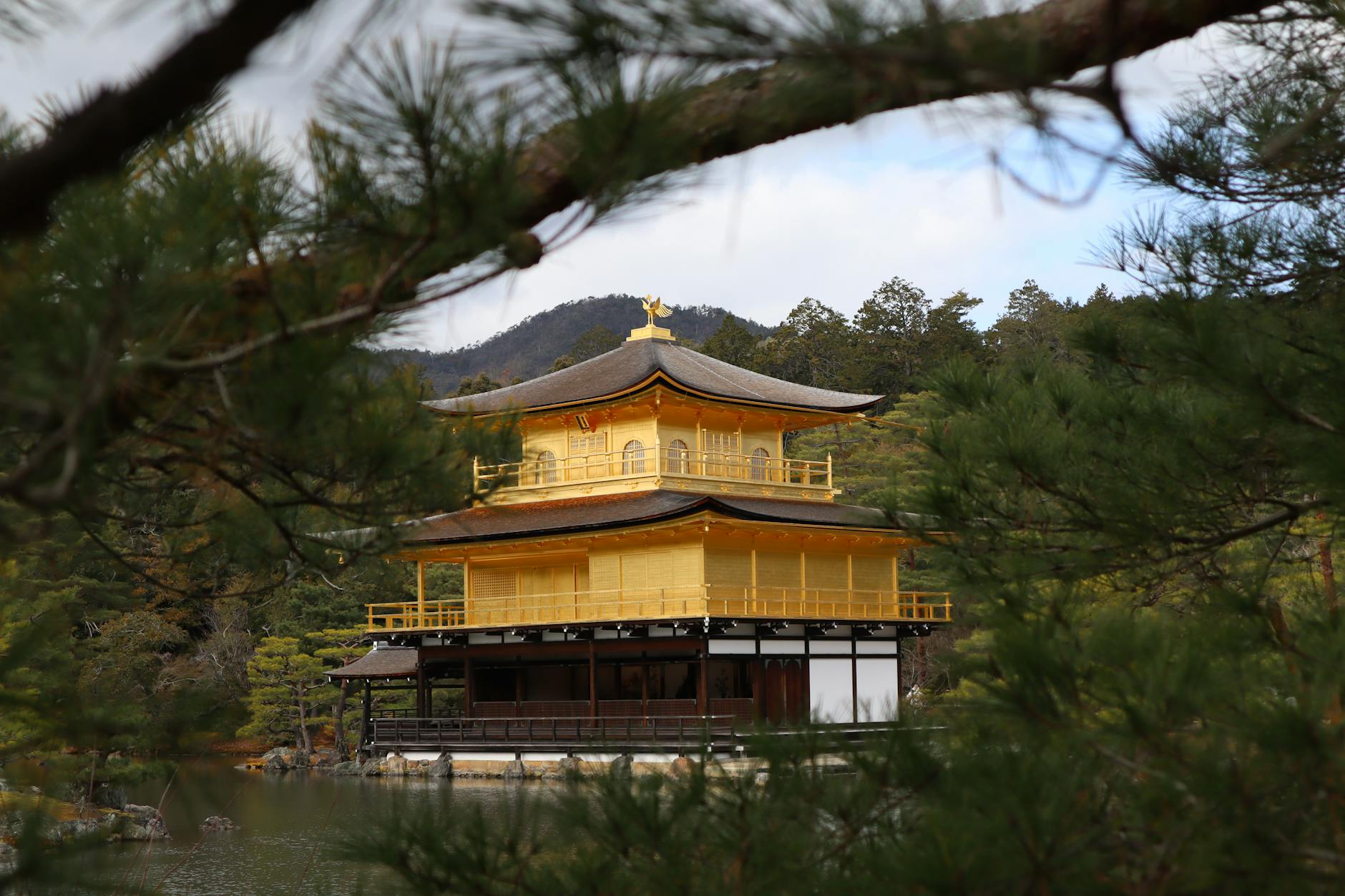
In the eastern hills, Kiyomizu-dera juts on wooden stilts over a maple valley — its vast veranda, built without a single nail, is breathtaking in autumn. Approach on foot up the preserved slopes of Sannenzaka and Ninenzaka, lanes of tea houses, sweet shops, and pottery stalls that feel lifted from an old woodblock print. This is the Kyoto people picture, and it is best walked slowly and early.
The Golden Pavilion and the Zen gardens
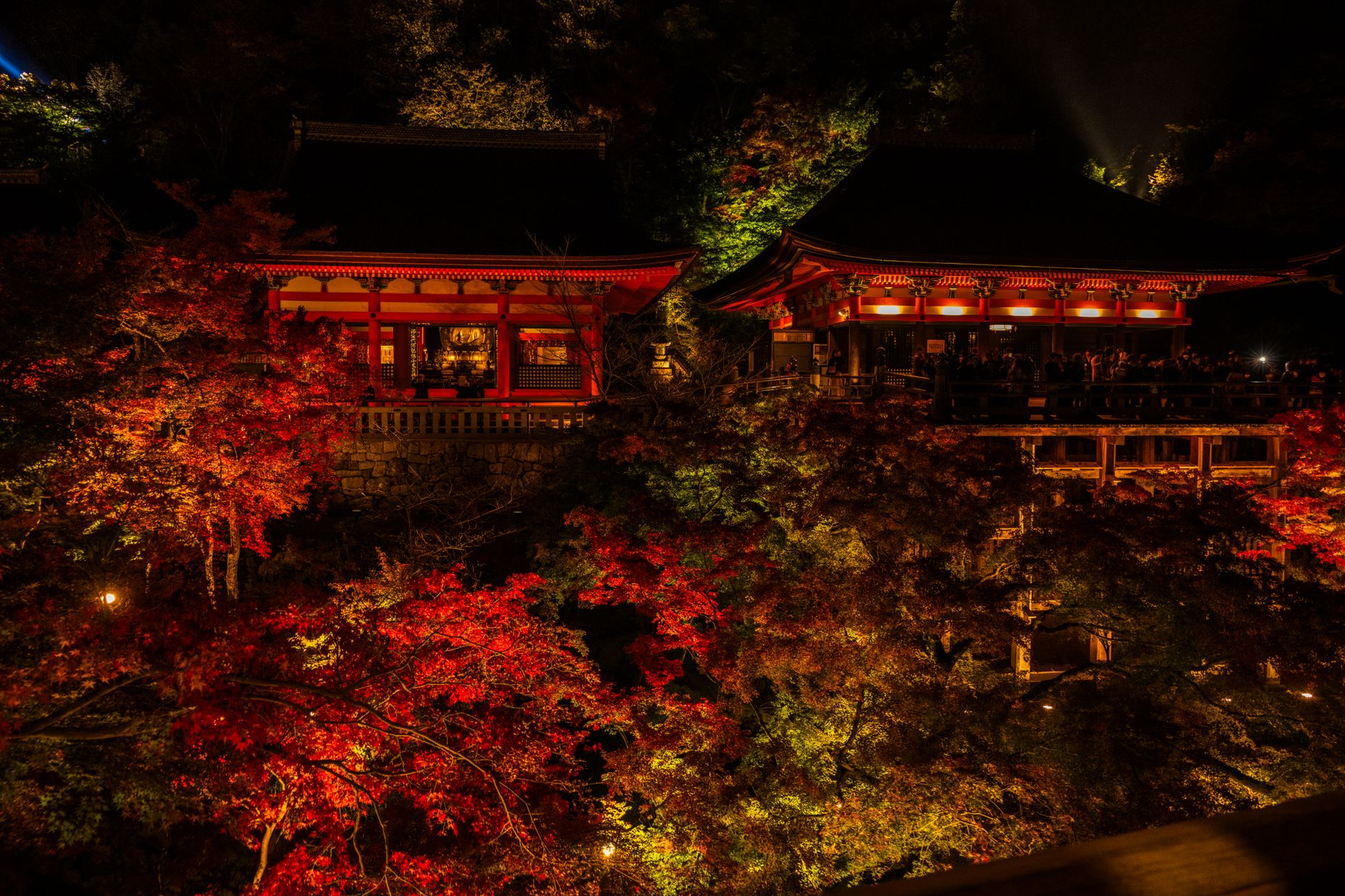
Kinkaku-ji, the Golden Pavilion, floats gold-leafed and mirror-perfect above its reflecting pond — the single most photographed building in Japan. Pair it with the austere counterpoint of Ryoan-ji, whose raked-gravel rock garden of fifteen stones is Zen distilled, and the elegant Ginkaku-ji (“Silver Pavilion”) at the foot of the Philosopher’s Path, a canal-side walk that is pure blossom in spring.
Gion and the geisha districts
As evening falls, Gion comes into its own. Wander Hanamikoji and the willow-lined canal of Shirakawa, where, with luck and patience, you may glimpse a geiko or maiko hurrying to an appointment. A word of respect: these are working women and private streets — watch quietly, never chase or block them for photos. Nearby, Yasaka Shrine and the lantern-lit precinct of Pontocho offer dinner and river breeze.
Nishiki Market and Kyoto’s table
Kyoto eats delicately. The covered Nishiki Market — “Kyoto’s kitchen” — runs five blocks of pickles, tofu, soy-milk doughnuts, skewered seafood, and matcha everything. Beyond it, the city is the home of kaiseki, the seasonal multi-course art of Japanese cuisine, and of humble yudofu (hot tofu) served in temple gardens. Sit for a proper matcha and wagashi in a tea house at least once; it is the city’s quiet ceremony.
An easy day trip to Nara
Barely 45 minutes away, Nara — Japan’s capital before Kyoto — makes the perfect day trip. Its Nara Park is roamed by hundreds of bowing, bold sika deer, and its Todai-ji temple houses a bronze Great Buddha 15 metres tall in the largest wooden building of the old world. Combined with Kyoto, it gives you the two ancient capitals in a single, unhurried trip.
Kyoto punishes rushing and rewards the early riser. See two or three headline sights before the tour buses arrive, then let the back lanes, gardens, and tea houses fill the rest of the day.
Frequently asked questions
How many days do you need in Kyoto?
Three days lets you see the essentials without rushing: a day in the eastern hills (Fushimi Inari, Kiyomizu-dera, Gion), a day in the west (Arashiyama, the Golden Pavilion and Zen gardens), and a third for Nishiki Market, tea, and a day trip to Nara. Early starts matter more here than extra days.
How do you avoid the crowds in Kyoto?
Go early. Fushimi Inari is open all hours and is near-empty at dawn; Arashiyama's bamboo grove and Kiyomizu-dera's approach lanes are calm before the tour buses arrive mid-morning. Save the busiest sights for opening time and the quieter temples for the afternoon.
Can you see geisha in Kyoto?
You may glimpse a geiko or maiko in the Gion district around dusk, especially on Hanamikoji and the Shirakawa canal. Please be respectful — they are working women on private streets; watch quietly and never chase or block them for photos. Paid cultural experiences and dinners are the reliable, respectful way to meet them.
Is Nara worth a day trip from Kyoto?
Very much. Nara is about 45 minutes away and pairs beautifully with Kyoto as the two ancient capitals. Its park is full of bowing sika deer, and Todai-ji temple holds a 15-metre bronze Great Buddha in one of the largest wooden buildings in the world.
Keep reading on Gently Yonder
- Where to Stay in Kyoto for Cherry Blossom The dates to aim for, five areas matched to the blossom walks, 12 hotels, and how to book now for 2027.
- Gion, Kyoto: A Neighbourhood Guide The geisha district beyond the postcard — lanes, tea houses, etiquette, and timing.
- Best eSIM for Japan (2026) How to choose a Japan travel eSIM — coverage, data plans, and the pick for most trips.
- Three Slow Days in Kyoto A gentle, unhurried first-timer's itinerary — Fushimi Inari at dawn to Arashiyama's bamboo.
- Tokyo: The Places Worth Your Time The best of Tokyo — Senso-ji, Shibuya, Harajuku, Shinjuku, teamLab, and easy day trips.
- Japan Country Profile Eight-section country deep-dive: history, geography, society, and travel prep.
- Where to Stay in Kyoto Five areas, 14 hotels and ryokan, and the accommodation tax that changed in March 2026.