Tokyo, a sprawling metropolis, presents both immense opportunity for exploration and unique logistical considerations for travelers. Efficiently managing luggage can significantly enhance a visit, particularly when navigating between accommodations, day trips, or making the most of arrival and departure days. This guide outlines the principal methods for storing luggage across Tokyo, offering practical insights for planning your itinerary.
No one pays to be recommended here, and we say when a free or cheaper option wins. Our promise →
In this guide8 sections
- Coin Lockers: Ubiquitous but Finite
- Station Cloakrooms and Temporary Baggage Services
- Third-Party Luggage Storage Networks: Local Shops and Cafes
- Hotel Front Desks: A Common Courtesy
- Takkyubin: The Door-to-Door Delivery Alternative
- Choosing Your Strategy: A Decision Guide
- What this means for your trip
- Frequently asked questions
Coin Lockers: Ubiquitous but Finite

Coin lockers are a primary and often convenient option for temporary luggage storage in Tokyo, found in abundance at nearly every train and subway station. Major hubs such as Tokyo Station, Shinjuku, Shibuya, Ueno, and Asakusa feature extensive banks of lockers. These facilities are generally well-maintained and offer varying sizes, from small compartments suitable for a backpack or carry-on to larger units designed to accommodate full-sized suitcases. Increasingly, newer lockers operate via touch panels and accept various IC cards like Suica or Pasmo, alongside traditional coin payments, offering a seamless user experience. To locate lockers within larger stations, travelers can often follow signs or consult station maps, which typically indicate their positions and sizes.
However, the popularity of coin lockers, particularly the larger sizes, means they can fill rapidly during peak travel times, especially on weekends, public holidays, or in areas proximate to popular tourist attractions such as Shibuya’s scramble crossing or Asakusa’s Senso-ji Temple. Travelers requiring larger locker sizes or planning to store luggage in high-traffic zones may consider alternative options or arriving early. Most lockers operate on a 24-hour basis, with fees typically incurred for each subsequent 24-hour period. While convenient for short-term storage, they are generally not intended for multi-day use. Station operating guidelines typically suggest retrieval within two or three days, after which items may be removed by staff. For extended stays, other methods may prove more suitable.
Station Cloakrooms and Temporary Baggage Services
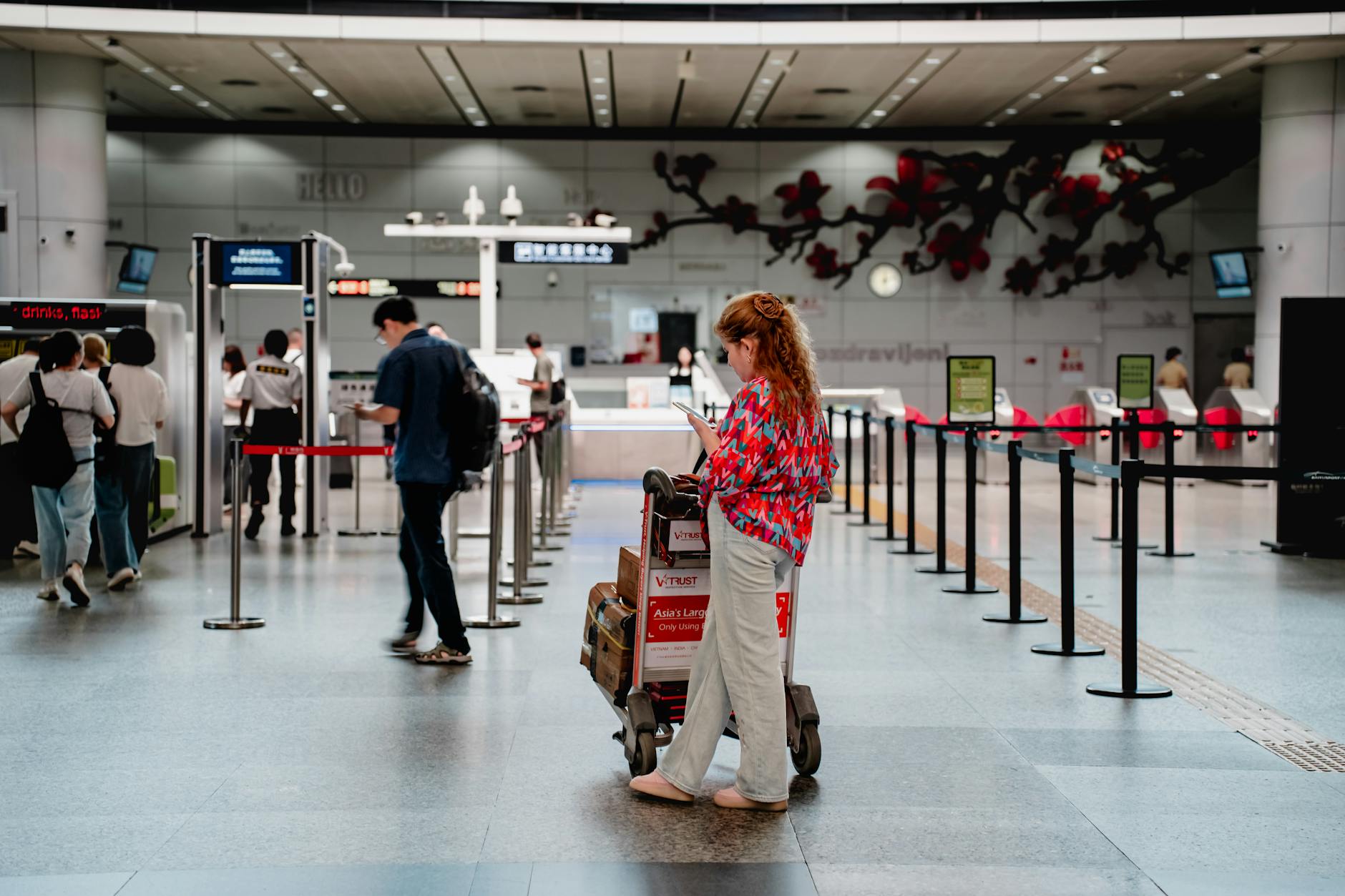
Beyond the self-service convenience of coin lockers, several major transportation hubs in Tokyo also offer staffed cloakroom services or temporary baggage counters. These services provide a more secure and often more accommodating solution for oversized or unusually shaped luggage that may not fit into standard lockers. Tokyo Station, for instance, maintains specific locations where travelers can check bags, typically near major exits like the Marunouchi side. These facilities are staffed, offering an additional layer of security and assistance compared to automated lockers. They are also well-suited for items like bicycles, musical instruments, or large art purchases that would not fit into standard lockers.
The operational hours for these cloakrooms are generally more limited than coin lockers, often aligning with typical business hours rather than 24/7 availability. Fees are usually per item and may vary based on size and duration. While less ubiquitous than coin lockers, station cloakrooms can be a dependable option when lockers are full, when traveling with particularly valuable items, or when requiring storage for several hours in a high-traffic area. Checking the specific operating hours and locations for the station you plan to use is recommended, as services can vary. This option can facilitate movement for individuals arriving early or departing late from a city transit point by managing baggage.
Third-Party Luggage Storage Networks: Local Shops and Cafes

In recent years, a growing network of third-party luggage storage services has emerged, leveraging partnerships with local businesses such as cafes, convenience stores, and souvenir shops. These services operate via online platforms or dedicated mobile applications, allowing travelers to locate and book storage space in participating establishments. This model offers increased flexibility in location, often providing options closer to specific neighborhoods or attractions where traditional lockers might be scarce or full. Services like Ecbo Cloak are prominent examples, connecting travelers with available storage points across Tokyo.
The process typically involves booking online through a dedicated app or website, selecting a convenient location and time slot, dropping off luggage at the designated shop, and presenting a digital confirmation. The advantage of these platforms lies in their real-time availability updates and a wider distribution of storage points, often in neighborhoods without major train stations. The bags are then stored securely, often behind the counter or in a dedicated storage area. Pricing is generally structured per item per day, which can be advantageous for multi-day storage compared to the cumulative costs of coin lockers. These networks address the common issue of full lockers, particularly in popular tourist areas like Asakusa or Shibuya, by distributing storage capacity across a wider array of locations. This approach can be useful for travelers seeking flexible access points and extended storage periods. To ensure smooth communication and booking on the go, a reliable data connection via a Japan eSIM for data connectivity can be highly beneficial.
Hotel Front Desks: A Common Courtesy

For travelers with confirmed hotel reservations, leveraging the hotel’s front desk for luggage storage often presents a straightforward and cost-effective solution. Most hotels in Tokyo, from budget-friendly accommodations to luxury establishments, typically offer complimentary luggage storage for guests both before check-in and after check-out. This service is generally a standard amenity, allowing guests to arrive early, drop off their bags, and begin exploring the city without delay, or to maximize their final day in Tokyo before heading to the airport.
Still choosing a hotel? Where to stay in Tokyo names 17 by area and price, with the catch for each.
Upon arrival, guests can typically leave their bags with the concierge or at the front desk, receiving a claim tag. Hotels generally store luggage in a secure, dedicated area, ensuring peace of mind. The hotel then stores the luggage securely until the guest is ready to check in or depart. While primarily intended for registered guests, some hotels may, at their discretion, offer short-term storage for non-guests for a fee, though this is less common and should not be assumed. Travelers are encouraged to confirm this service directly with their hotel, especially if they have unusually large or numerous bags. This method is generally reliable and safe, provided one is a confirmed guest.
Takkyubin: The Door-to-Door Delivery Alternative
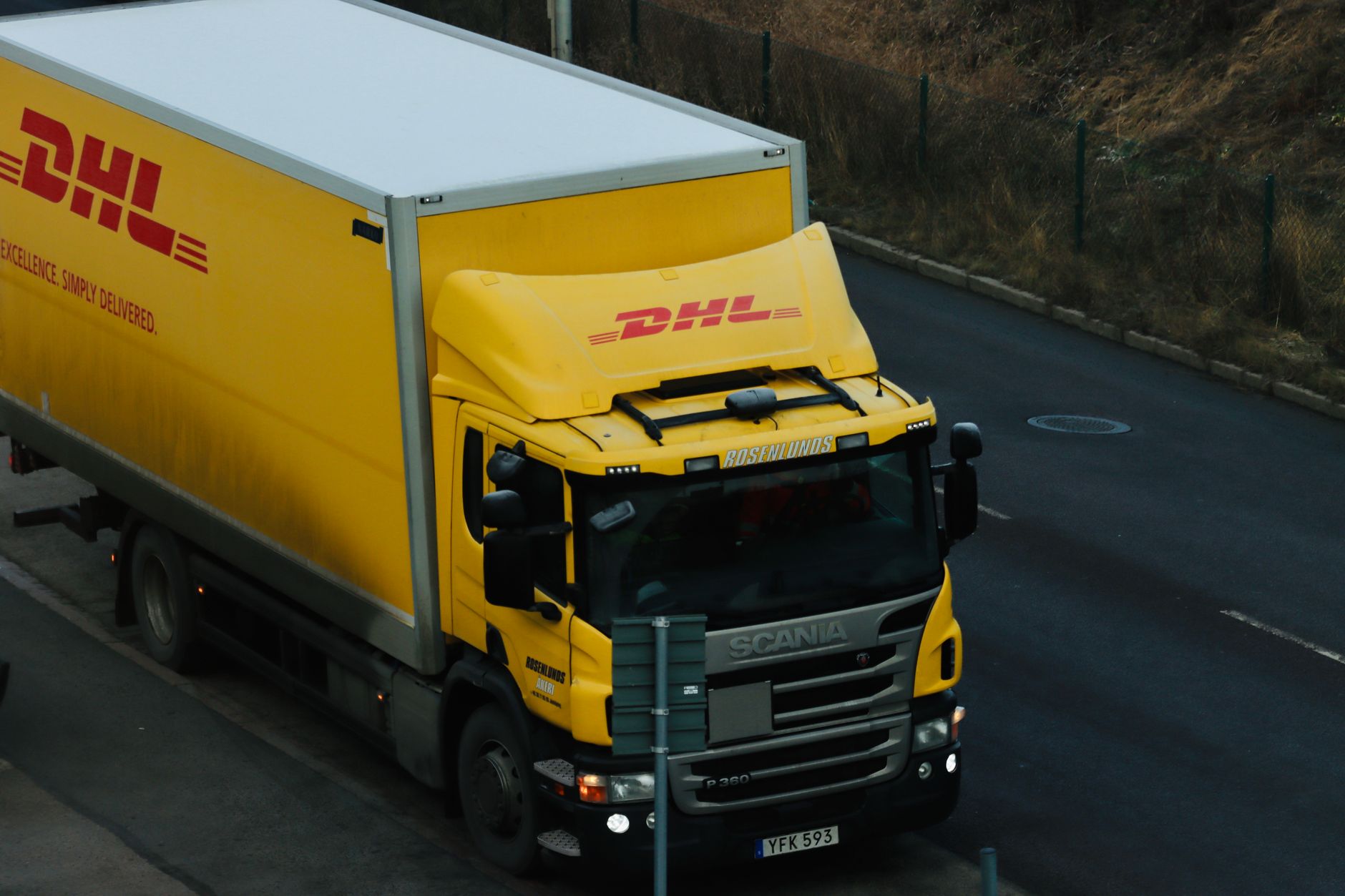
For those undertaking multi-city itineraries within Japan or preferring a completely hands-free travel experience, Takkyubin (宅配便) offers an efficient alternative to self-storage. This highly efficient door-to-door luggage delivery service, primarily operated by companies like Yamato Transport (Kuroneko Yamato) and Sagawa Express, allows travelers to send their luggage directly between hotels, airports, and even residences. This service is widely regarded as a staple of Japanese domestic logistics, noted for its reliability and punctuality.
Utilizing Takkyubin frees travelers from the burden of carrying heavy bags on trains or buses, allowing for lighter, more agile movement, particularly when navigating busy stations or making connections. Bags sent via Takkyubin typically arrive the next day, though same-day delivery may be available for certain routes or at specific airport counters. Travelers can arrange delivery at their hotel front desk, convenience stores (e.g., 7-Eleven, FamilyMart, Lawson), or dedicated service counters at airports and major train stations. When utilizing convenience stores, staff can provide the necessary shipping forms, which require basic information such as sender/recipient addresses and desired delivery date. The cost varies based on bag size, weight, and distance, with larger items or longer distances incurring higher fees. While it requires planning ahead due to the delivery timeframe, it can be an invaluable service for longer trips or when transitioning between different regions of Japan. For high-value items, securing Comprehensive travel insurance is always a prudent measure when entrusting luggage to any third-party service.
Choosing Your Strategy: A Decision Guide
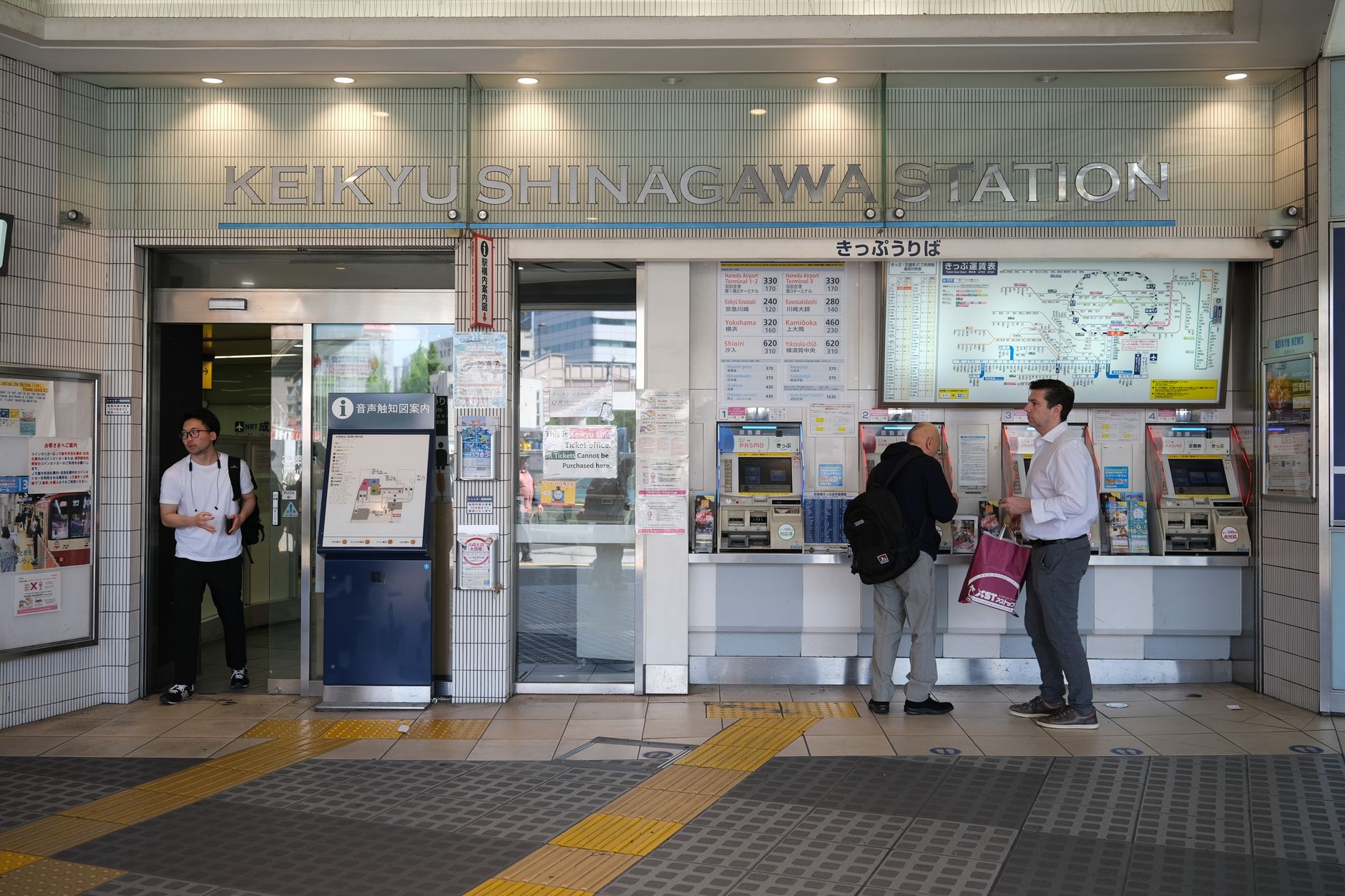
Selecting the optimal luggage storage solution in Tokyo depends largely on your itinerary, the duration of storage required, and your location within the city. For a brief stopover or a few hours of exploration near a major transit hub, coin lockers remain a convenient, albeit capacity-limited, option. Checking their availability upon arrival, especially for larger bags, and having an IC card ready for faster operation is advisable.
If coin lockers are full, or for items that are particularly large or require enhanced security, station cloakrooms or temporary baggage services, where available, offer a reliable alternative. These are particularly useful around major transport arteries like Tokyo Station. For greater flexibility in location and potentially longer storage periods, third-party storage networks accessed via apps can prove invaluable, especially in popular tourist districts. Finally, for guests, hotel front desks provide a complimentary and secure option for pre-check-in or post-check-out storage. When planning multi-day movements or seeking to avoid handling heavy luggage entirely, particularly if utilizing various forms of transport, the Takkyubin service is unmatched in its convenience.
What this means for your trip

Navigating Tokyo with ease often involves strategic luggage management. Travelers are advised to identify their storage needs in advance, considering the duration and location of their stopovers. While coin lockers are prevalent, anticipating their rapid occupancy, especially for larger sizes, during peak times is key. Having a backup plan, whether through a third-party app or knowing the location of a station cloakroom, can prevent delays. Finally, for those with intricate itineraries or heavier baggage, leveraging services like Takkyubin allows for a significantly more relaxed and efficient exploration of Japan’s capital. Understanding these options can facilitate an efficient exploration of Tokyo, minimizing logistical challenges related to luggage.
Frequently asked questions
Where are the best places to store luggage in Tokyo?
Tokyo offers several options for luggage storage, including coin lockers at major train stations (Tokyo, Shinjuku, Shibuya), station cloakrooms, third-party storage services via apps, and hotel front desks for guests.
How do coin lockers work in Tokyo stations?
Coin lockers are widely available at major stations. They come in various sizes and often operate for 24-hour periods. Newer lockers accept IC cards (like Suica or Pasmo) and credit cards, while older ones require coins. It is advisable to check capacity, especially for larger sizes, as they can fill quickly during peak times.
Can I leave my luggage at my hotel before check-in or after check-out?
Yes, most hotels in Tokyo will hold luggage for guests both before their official check-in time and after check-out, typically for the day. It is common practice and generally offered as a complimentary service for hotel patrons.
Are large luggage lockers available at Tokyo stations like Shibuya or Shinjuku?
Yes, major stations such as Shibuya, Shinjuku, and Tokyo Station typically offer large-sized lockers designed to accommodate suitcases. However, these are fewer in number than smaller lockers and are often the first to be occupied, especially on weekends and holidays.
What is Takkyubin, and how can it help with luggage in Tokyo?
Takkyubin is Japan's efficient door-to-door luggage delivery service, popular for sending bags between hotels, airports, or residences. It is ideal for travelers with multiple stops or heavy luggage, offering next-day delivery for a fee, freeing one from carrying bags through transit.
Keep reading on Gently Yonder
- Tokyo City Guide First-time visitor's layered introduction — neighbourhoods, food, and prep.
- Asakusa, Tokyo Sensoji and Edo streets, with practical visit tips and nearby districts to combine.
- Japan Country Profile Eight-section country deep-dive: history, geography, society, and travel prep.
- Carry-On Packing List for a 10-Day Japan Trip A 10-item capsule sized for Japan — plugs, cash, IC cards, and the right shoes.
- Best eSIM for Japan, Korea & Vietnam Destination-by-destination eSIM picks for three popular Asian countries.
- Klook vs Viator vs GetYourGuide Which tours-and-activities platform to use where — Asia, Europe, and global.