Tokyo is a city that invites you to wander, to observe, and to simply be. For a first-timer, the sheer scale can feel daunting, but I’ve found that a gentle, unhurried pace allows its many layers to unfold beautifully. This itinerary is designed not to rush through a checklist, but to offer a rhythm that lets you absorb the city’s unique blend of tradition and innovation over five days.
No one pays to be recommended here, and we say when a free or cheaper option wins. Our promise →
In this guide9 sections
- Getting Settled and Moving Around
- Day 1: Asakusa’s History and Sumida’s Calm
- Day 2: Shinjuku’s Heights and Shibuya’s Pulse
- Day 3: A Day Trip to Kamakura
- Day 4: Modern Art and Neighborhood Charms
- Day 5: Yanaka’s Old Tokyo and Ueno’s Green Space
- Practical Notes for a Smooth Journey
- What This Means for Your Trip
- Frequently asked questions
Getting Settled and Moving Around

Arriving in Tokyo often means navigating one of the world’s most intricate transit systems. Though the transit map can look like a beautiful, bewildering tangle at first, you’ll quickly find the trains and subways are wonderfully efficient and always on time. My first recommendation is always to acquire an IC card, like a Suica or Pasmo. These rechargeable cards simplify travel; a quick tap at the gate, and you’re on your way. You can purchase them at major stations and top them up at ticket machines. For me, walking remains the best way to truly connect with a city, and Tokyo offers endless opportunities for it, especially within its distinct neighborhoods. Public transport then becomes a bridge between these walkable areas. I also find having a local SIM or eSIM invaluable for navigation and staying connected. I’ve personally found that the freedom of an eSIM, our [Japan eSIM guide](best-esim-japan-2026.html) which allows me to quickly check train routes or find a local café without searching for Wi-Fi, makes a real difference to an unhurried day.
Choosing a base for these five days? Where to stay in Tokyo compares six areas, including Asakusa, Ueno and Shinjuku, and names 17 hotels.
Day 1: Asakusa’s History and Sumida’s Calm

Start your Tokyo journey in Asakusa, a district that feels steeped in history. I recommend arriving at Senso-ji Temple right as it opens, around 6 AM or 6:30 AM. The hush before the crowds arrive is palpable – wet gravel, the torii gate deepening in hue as the light comes up. This allows for a much more reflective experience of Tokyo’s oldest temple. Take your time wandering through the temple grounds and Nakamise-dori market stalls, which are often just beginning to set up.
After the temple, I like to explore the side streets of Asakusa, discovering traditional craft shops and small eateries. For a change of pace, walk towards the Sumida River and enjoy views of the Tokyo Skytree. A short walk south, or a quick train ride, brings you to Kuramae. This quieter neighborhood is known for its artisan workshops and small, inviting cafés. It’s a place where everyday life can be observed, perhaps over a carefully brewed coffee, away from the main tourist paths. I often find beauty in these small, unscripted moments.
Day 2: Shinjuku’s Heights and Shibuya’s Pulse

Today offers a contrast to Asakusa’s old-world charm. Begin in Shinjuku, specifically at the Tokyo Metropolitan Government Building. Its observation decks offer panoramic views of the city, and entry is free. Arrive shortly after opening for fewer queues. From this vantage point, I always find myself marveling at the sheer expanse of Tokyo, a sprawling urban tapestry.
After taking in the city from above, head to Shinjuku Gyoen National Garden. This tranquil oasis, a blend of traditional Japanese, French formal, and English landscape gardens, is a welcome counterpoint to the surrounding skyscrapers. It’s a wonderful spot for a slow walk, or simply to sit with a book. In the afternoon, make your way to Shibuya. The iconic Shibuya Crossing is a fascinating spectacle to watch, whether from above at a café or by simply joining the flow of people. Rather than just crossing, I enjoy exploring the labyrinthine side streets, finding small, independent shops and unexpected murals. This district truly hums with a youthful energy.
Day 3: A Day Trip to Kamakura

I find that stepping outside the metropolis for a day can offer a refreshing perspective, even on a first visit. Kamakura, an ancient capital easily reached by train, is an excellent choice. The journey itself is part of the experience, watching the urban landscape gradually give way to more natural scenery.
Upon arrival, your first stop should be the Kotoku-in Temple to see the Great Buddha (Daibutsu), an impressive bronze statue that has stood for centuries. The surrounding garden is peaceful, and I always appreciate the sense of history that permeates the air here. From there, a walk to Hasedera Temple is worthwhile. It offers beautiful gardens, ocean views, and a unique Kannon statue. Rather than rushing between sites, I like to take my time walking the paths between temples, sometimes pausing at a small local shop for a snack. The coastal air and the slower pace of Kamakura provide a wonderful break, allowing for quiet contemplation amidst historical beauty.
Day 4: Modern Art and Neighborhood Charms

Start your day with an immersive art experience at teamLab Planets. This digital art museum is immensely popular, and it’s wise to book tickets well in advance for your preferred time, especially if you aim for a morning entry to avoid the largest crowds. I’ve found booking tickets for popular attractions like this early and through a reliable platform makes the process so much smoother. Klook (or VELTRA for locally operated tours) allows for easy booking of such experiences, which I appreciate. The experience itself is unique, a playful engagement with light and texture that transcends a typical museum visit.
After the stimulating sensory journey of teamLab, I like to shift gears to a quieter exploration. Head to Nakameguro, known for its cherry blossom-lined canal (beautiful even outside of spring) and independent boutiques, cafés, and small bookshops. It’s a neighborhood where I enjoy simply strolling, observing the architecture, and pausing for coffee. The pace here feels gentle, a place where people live and gather rather than just pass through. Nearby Daikanyama offers a similar feel, with its sophisticated shops and the T-Site bookstore complex, which I always find a lovely place for quiet browsing.
Day 5: Yanaka’s Old Tokyo and Ueno’s Green Space
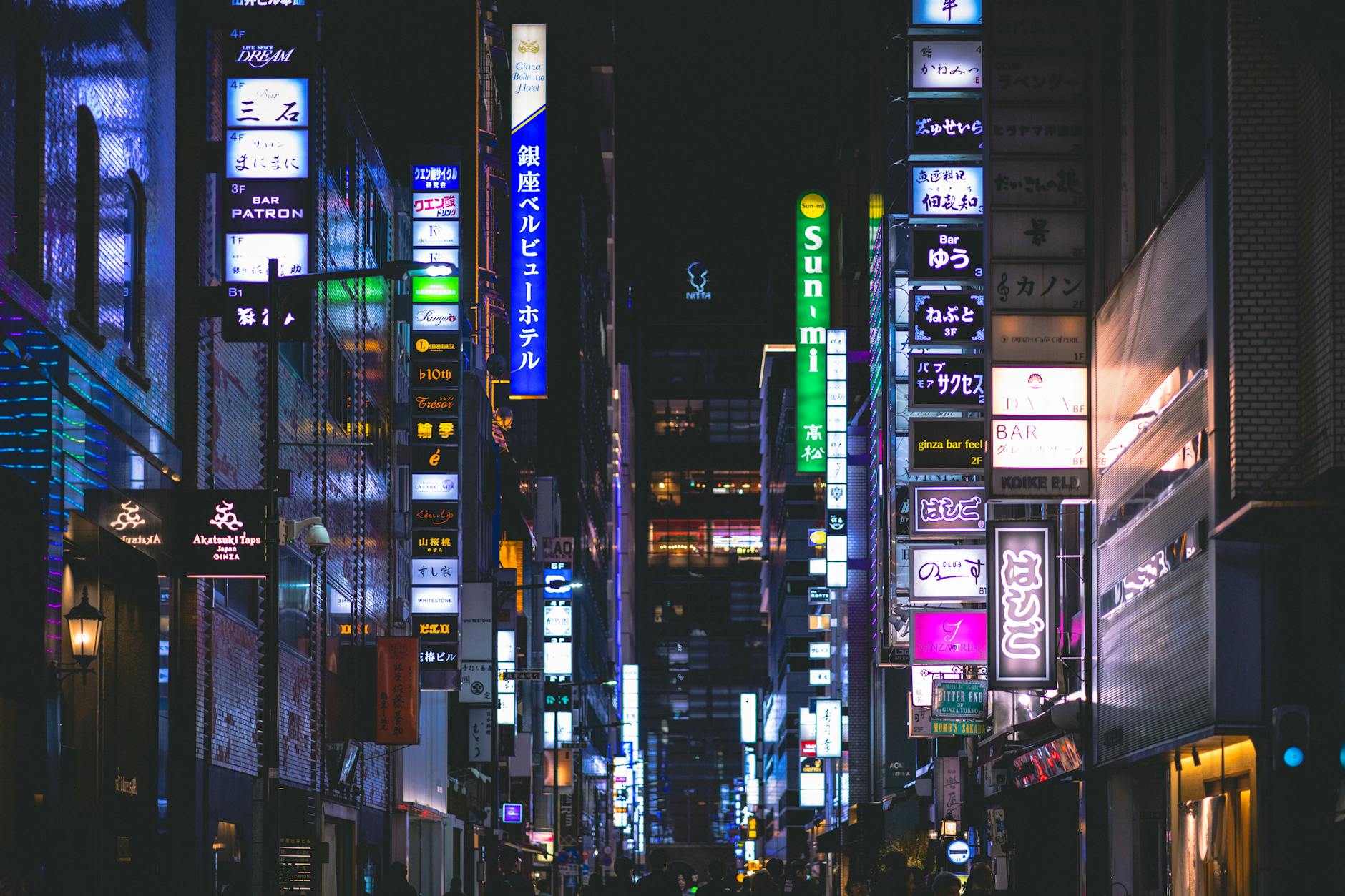
For your final day, I suggest a return to a more traditional, almost nostalgic side of Tokyo: Yanaka. This neighborhood survived much of the city’s wartime destruction, preserving an authentic “shitamachi” (old downtown) atmosphere that feels invitingly traditional. Start your morning exploring Yanaka Ginza, a local shopping street with small, family-run businesses selling everything from sweets to crafts. I find it fascinating to watch the daily rhythms here, a world away from the neon glow of Shinjuku.
Wander through the numerous temples and graveyards that dot the area, finding quiet corners for reflection. Yanaka Cemetery, with its cherry trees and historical graves, offers a serene walking path. The peace I find in these older parts of Tokyo is a grounding experience. Afterwards, walk or take a short train ride to Ueno Park. This large urban park houses several museums, a zoo, and beautiful shrines. You could visit one of the museums, or simply enjoy a final slow stroll through the expansive green space, perhaps finding a quiet bench to watch the world go by.
Practical Notes for a Smooth Journey

As you immerse yourself in Tokyo’s rhythm, a few small practicalities can help everything flow even more gently. Firstly, as mentioned, while Tokyo is increasingly cashless, I’ve found that many smaller, independent establishments, particularly in older neighborhoods or local eateries, still operate on a cash-only basis. Having some Japanese Yen on hand is always a good idea. For those needing to charge devices or use travel appliances, a universal adapter is essential. Given the investment of international travel, I always make sure I have a thoughtful plan in place. I’ve personally found that having travel insurance, our [Japan insurance guide](travel-insurance-japan.html) provides a quiet layer of peace of mind for unexpected situations, from lost luggage to medical emergencies. Having these details sorted before you leave allows you to focus purely on the experience of being in Tokyo.
What This Means for Your Trip
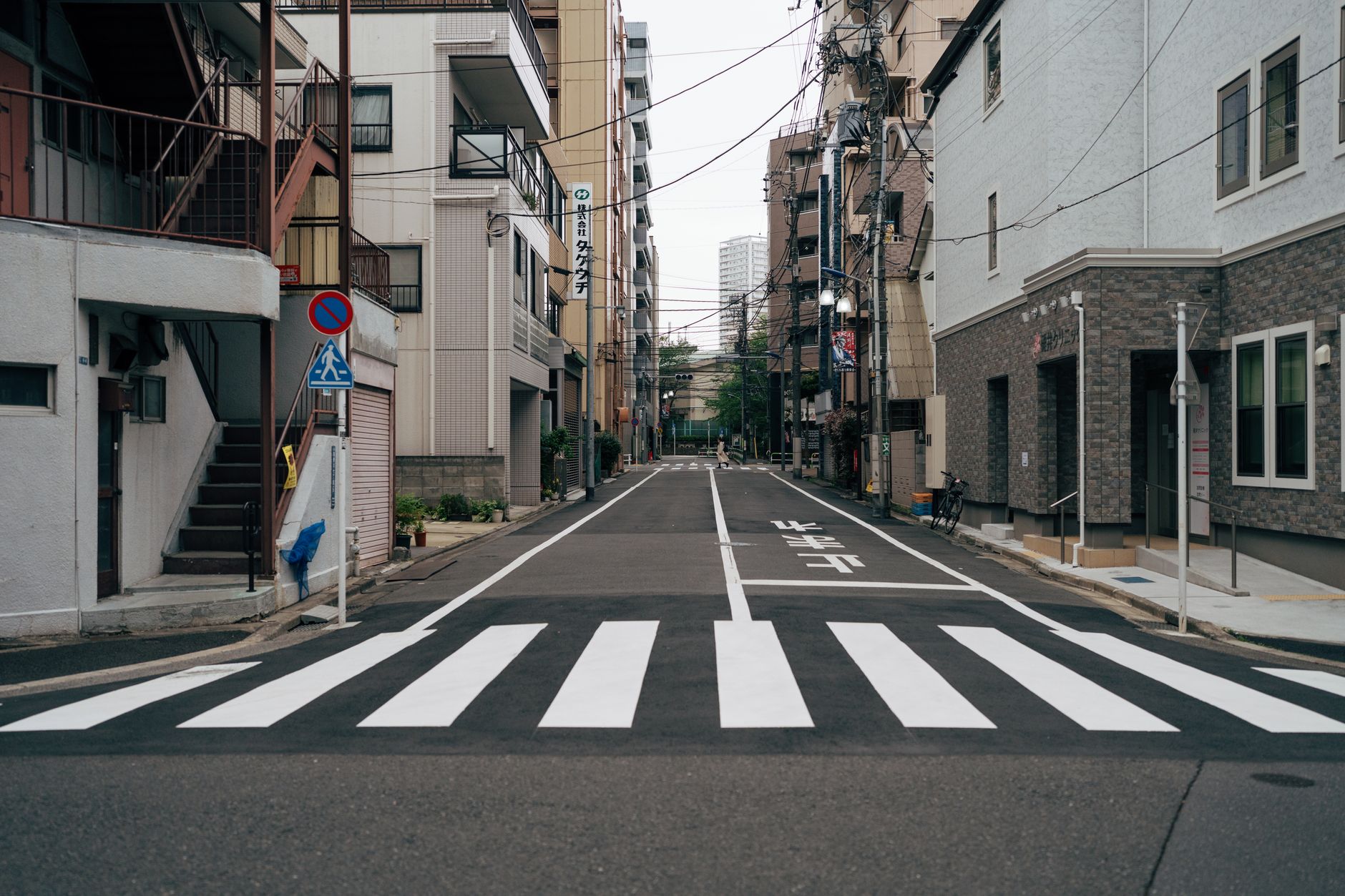
This unhurried approach to Tokyo is about allowing space for discovery, for serendipitous moments that often become the most memorable parts of a trip. It’s about finding your own rhythm in a city that moves at many speeds. By choosing a morning-first strategy, allowing for quiet observation, and embracing both the vibrant hubs and the serene backstreets, I hope you’ll leave Tokyo feeling not just like you’ve seen it, but that you’ve truly felt it. Traveling gently, for me, is about opening oneself to the nuances of a place, letting it change you in small, quiet ways. I believe Tokyo offers countless such opportunities, if we simply allow ourselves the time to find them.
Before you fly: the tickets that sell out (teamLab and Shibuya Sky are on this itinerary), the JR Pass math if Tokyo is one stop of several, and when to time the whole trip.
Frequently asked questions
What's the best way to get around Tokyo?
The train and subway system is incredibly efficient. I always recommend getting an IC card like Suica or Pasmo for seamless tap-and-go travel on most lines. Walking is also wonderful for exploring neighborhoods.
Do I need cash in Tokyo?
While card payments are widespread, many smaller shops, local eateries, and some temples still prefer or only accept cash. Carrying some Japanese Yen (JPY) is always a good idea for convenience.
Are advance bookings necessary for anything?
Yes, for popular attractions like teamLab Planets, booking tickets well in advance is essential, especially for morning slots. Some specific restaurants might also require reservations, but for casual dining, it's usually not needed.
Is a day trip outside of Tokyo worth it for a first-timer?
I find a day trip offers a lovely change of pace and perspective, especially if you prefer historical sites or coastal views. Kamakura is an excellent choice for its blend of ancient temples and sea air, easily accessible by train.
How can I avoid crowds in Tokyo?
A morning-first strategy works wonders. Visiting popular spots like Senso-ji or the Meiji Jingu Shrine right when they open allows for a quieter experience. Exploring smaller, less central neighborhoods also offers a reprieve from the busiest areas.
Keep reading on Gently Yonder
- Tokyo: The Places Worth Your Time The best of Tokyo — Senso-ji, Shibuya, Harajuku, Shinjuku, teamLab, and easy day trips.
- The Best Day Trips from Tokyo Nikko, Hakone, Kamakura, Mount Fuji and more — where to go from Tokyo and how to book each.
- Where to Stay in Tokyo Six neighbourhoods and 17 named hotels, from Park Hyatt to a 70-year-old family ryokan.
- Your First Day in Tokyo: A Calm Arrival Plan From landing to your first evening — IC card, cash, connectivity, and a gentle first walk.
- Japan Tickets That Sell Out: What to Book Before You Fly Ghibli, teamLab, Shibuya Sky and the rest — what actually sells out and when to book.
- Tokyo City Guide First-time visitor's layered introduction — neighbourhoods, food, and prep.