No one pays to be recommended here, and we say when a free or cheaper option wins. Our promise →
In this guide8 sections
- The Evolving Landscape of Airport Security
- Essential Documents and Personal Identification
- Navigating Liquid, Aerosol, Gel, and Powder Restrictions
- Electronics, Batteries, and Medical Necessities
- Prohibited Items and Strategic Packing
- Navigating the Checkpoint: What to Expect and Common Missteps
- What this means for your trip
- Frequently asked questions
Navigating international airport security can appear a complex undertaking, given the varied regulations across countries and the continually evolving nature of aviation safety protocols. This article provides a comprehensive 12-point pre-flight verification checklist designed to assist international travelers in preparing for airport security, comparing rules from major global entities such as the U.S. Transportation Security Administration (TSA), the European Union (EU), the United Kingdom (UK), Japan, and Australia.
The Evolving Landscape of Airport Security
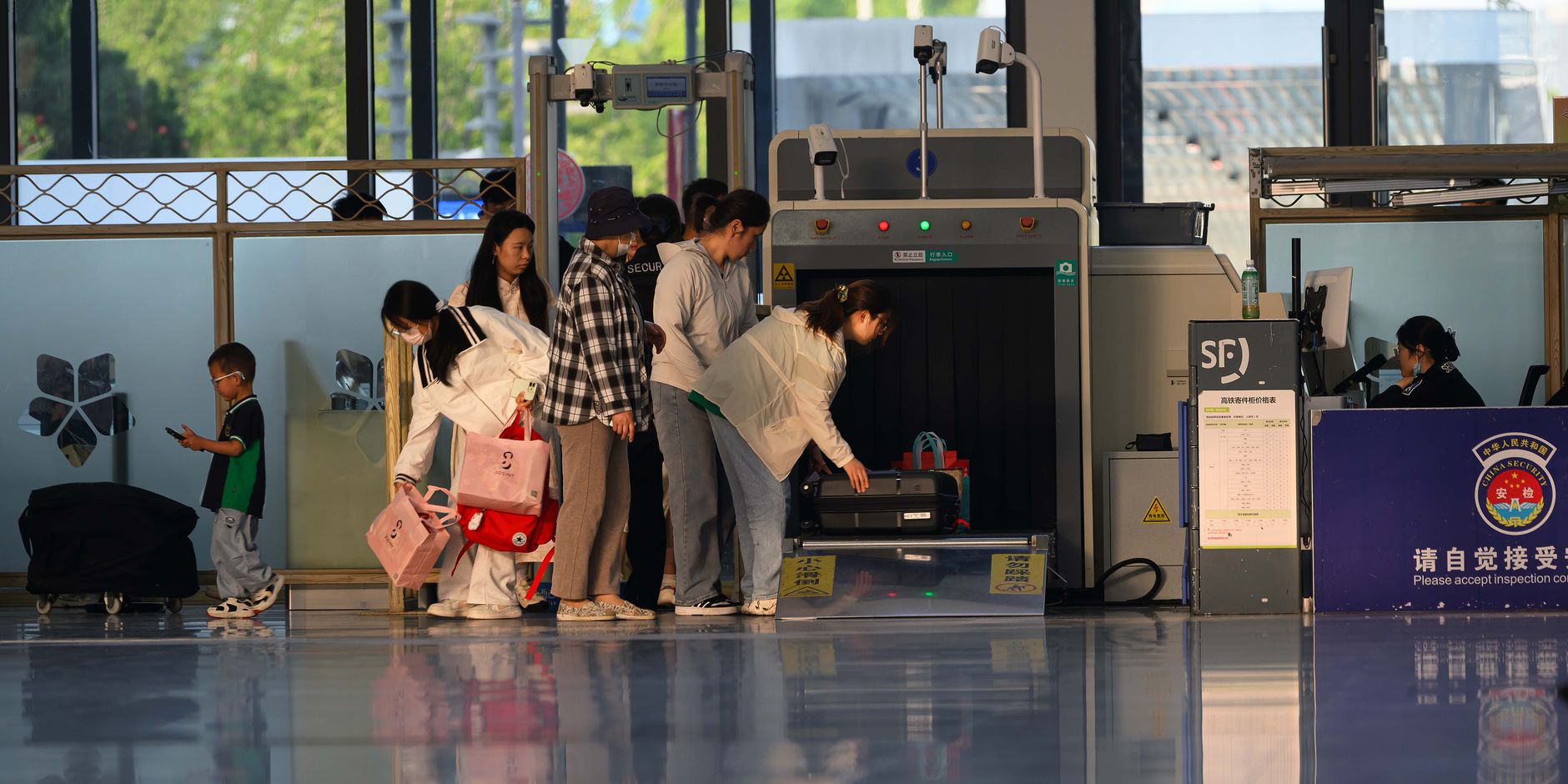
Aviation security measures are dynamic, engineered to mitigate threats to air travel, which themselves evolve with geopolitical circumstances and technological advancements. Regulatory bodies worldwide, including the U.S. Transportation Security Administration (TSA), the European Union Aviation Safety Agency (EASA) in conjunction with national civil aviation authorities, the UK Department for Transport (DfT), Japan Civil Aviation Bureau (JCAB) under the Ministry of Land, Infrastructure, Transport and Tourism (MLIT), and Australia’s Department of Home Affairs, continuously update their guidelines. While the overarching objective — to ensure passenger safety and prevent unlawful interference with aviation — remains consistent, the specific methodologies and rules can differ significantly.
For instance, the adoption of advanced screening technologies, such as Computed Tomography (CT) scanners for carry-on luggage, is gradually changing requirements for removing liquids and electronics in certain airports, particularly within the UK and parts of the EU. However, these technologies are not universally deployed, meaning travelers must be prepared for traditional screening procedures that often necessitate the removal of these items. This layered approach indicates that while general principles apply broadly, travelers must also remain cognizant of local airport instructions. The ongoing dialogue between international aviation organizations seeks to harmonize these practices, but variations persist, underscoring the importance of pre-trip verification of regulations specific to departure, transit, and arrival points.
Essential Documents and Personal Identification
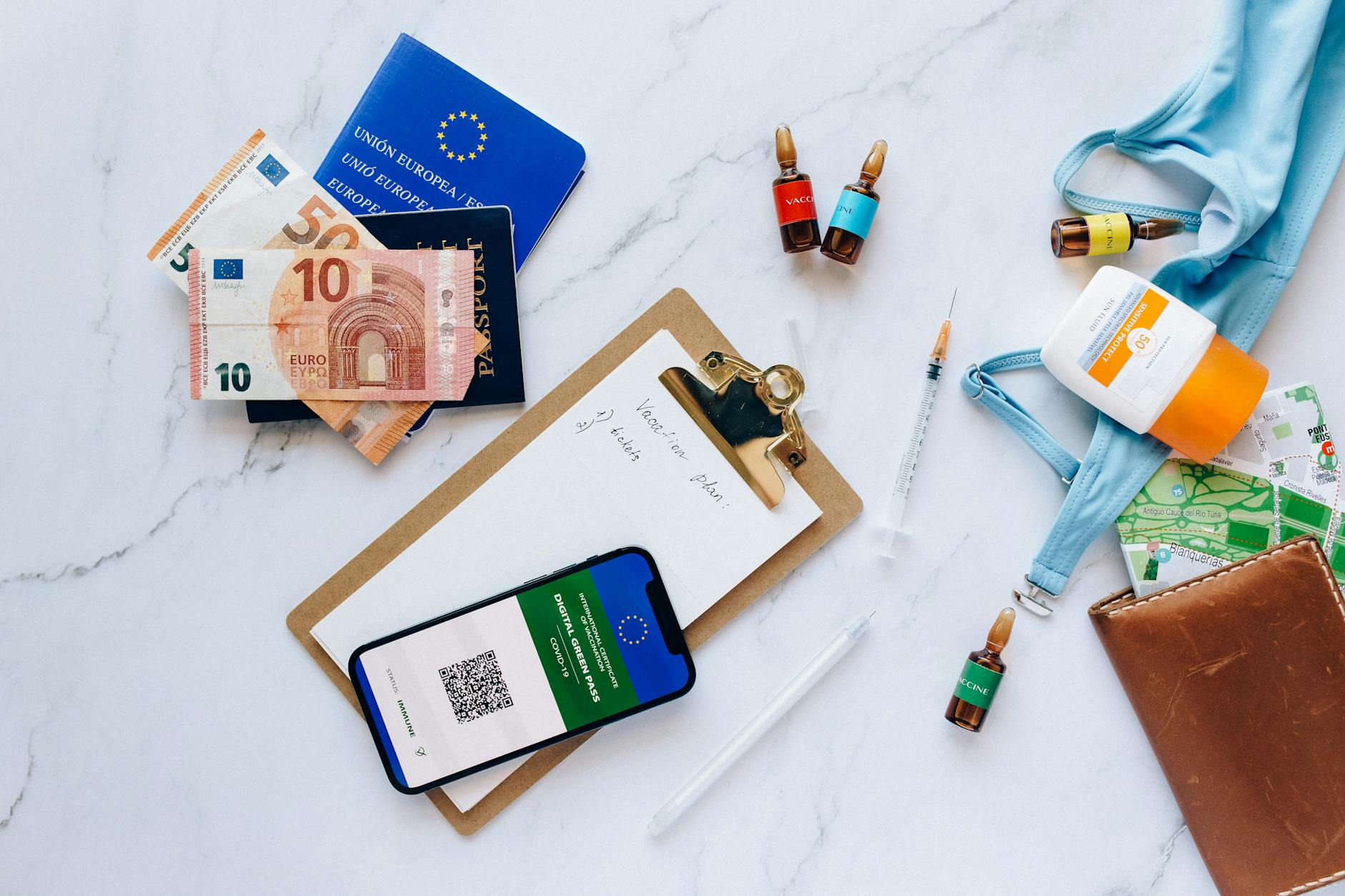
The fundamental requirement for international air travel revolves around the integrity and validity of travel documents. Before leaving for the airport, it is imperative to verify the following:
-
Passport Validity and Visa Requirements: Most countries require passports to be valid for at least six months beyond the intended date of departure from that country. Failure to meet this standard can result in denial of boarding by the airline, irrespective of visa status. For entry into various nations, a visa may be required, which must be secured in advance. Consulting the official government website of one’s destination country or reputable resources such as the International Air Transport Association (IATA) Travel Centre is recommended for the most current visa regulations applicable to one’s nationality. It is critical to understand that securing a valid visa or possessing a valid passport does not, in itself, guarantee entry; border officials retain final discretion.
-
ID for the Gate: While a boarding pass (digital or physical) grants access to the sterile area of an airport, a valid form of government-issued photo identification is universally required at the security checkpoint and again at the boarding gate. For international flights, this is invariably one’s passport. For domestic sectors preceding or following an international connection, a national ID card or driver’s license may suffice, though presenting one’s passport for all segments simplifies identification processes. Airlines maintain the right to verify passenger identity against their ticket and boarding pass prior to boarding, a measure critical for security integrity. Travelers must ensure that the name on their booking matches the name on their identification exactly.
Common oversights in this area often include neglecting to check passport expiration dates until close to travel, or misinterpreting visa requirements, which can lead to significant disruptions and financial penalties.
Navigating Liquid, Aerosol, Gel, and Powder Restrictions

Restrictions on liquids, aerosols, and gels (LAGs) in carry-on luggage are a cornerstone of modern aviation security, widely understood to have originated from a thwarted 2006 plot, as reported by international security agencies. These rules are broadly consistent across major aviation authorities, though specific implementation can vary.
-
Liquid Restrictions: The globally recognized standard, often referred to as the ‘3-1-1 rule’ in the U.S. (3.4 ounces, 1-quart bag, 1 bag per passenger), dictates that LAGs in carry-on must be in containers no larger than 100 milliliters (approximately 3.4 fluid ounces) each. All such containers must fit comfortably within a single, transparent, resealable plastic bag of approximately 1-liter (or 1-quart) capacity. This bag must be removed from your carry-on and presented separately for X-ray screening. Exemptions are typically granted for medically necessary liquids, baby formula, and breast milk, often in quantities exceeding 100ml. These items should be declared to security officers for separate screening. It is understood that some airports, particularly in the UK and certain EU nations, are piloting or deploying advanced CT scanning technology that may eventually negate the need to remove liquids; however, until such technology is universal, adherence to the 100ml rule and separate presentation remains the global best practice. A TSA-compliant transparent toiletry bag (sold as a “1-liter quart bag” or “100ml travel bag” in most pharmacies) simplifies this.
-
Food and Powders: Solid foods are generally permissible in carry-on bags. However, any food item considered a liquid, aerosol, or gel (e.g., yogurt, sauces, spreads, soft cheeses) must adhere to the 100ml rule. Powders also face specific restrictions, particularly in the U.S. where powders greater than 350ml (12 ounces), such as protein powder or coffee, may need to be removed from carry-on bags and placed in a separate bin for X-ray screening. This rule was implemented following an attempted attack involving explosives disguised as powders, as documented by security authorities. Checking individual country regulations is advisable, as these can differ. For example, some Australian airports may require certain powders to be placed in the liquids bag.
-
Security-Friendly Packing Order (Liquids): To streamline the screening process, pack your 1-liter bag of LAGs in an easily accessible location within your carry-on luggage, ideally at the top, to facilitate quick removal and presentation to security personnel. This simple practice can significantly reduce delays at the checkpoint.
Forgetting a stray liquid container (e.g., a bottle of water, large shampoo) within the main compartment of a carry-on is a frequent occurrence, often necessitating bag re-screening.
Electronics, Batteries, and Medical Necessities

The carriage of electronics and specific medical items is subject to particular scrutiny due to their potential to conceal prohibited articles or pose safety risks (in the case of batteries).
-
Electronics and Batteries: Large electronic devices, including laptops, tablets, e-readers, and cameras, are frequently required to be removed from carry-on bags and placed in a separate bin for X-ray screening. This allows security officers an unobstructed view of the device. Rules across TSA, EU, UK, Japan, and Australia are largely consistent on this point, though as noted, advanced scanners may modify this requirement. Lithium-ion batteries — including those in laptops, phones, and standalone portable power banks — are permitted only in carry-on luggage due to the risk of thermal runaway and fire in the cargo hold. Spare batteries, including those for cameras, must also be carried in carry-on bags and typically have Watt-hour (Wh) limits (commonly 100 Wh, with airline approval sometimes allowing up to 160 Wh). Batteries exceeding these limits are generally prohibited. Verifying airline-specific policies for battery carriage before travel is recommended.
-
Medications and Medical Devices: Prescription and over-the-counter medications, both solid and liquid, are generally allowed in carry-on luggage. Liquid medications are typically exempt from the 100ml rule; however, it is advisable to carry them in their original packaging with a clear prescription label. For controlled substances or unusually large quantities, a letter from a medical professional detailing the necessity of the medication can prevent delays. Medical devices, such as CPAP machines, insulin pumps, or mobility aids, are also permitted. It is prudent to notify security personnel about such devices and carry relevant medical documentation. Airlines often have specific guidelines for traveling with medical equipment, so early communication with your carrier is beneficial.
-
Security-Friendly Packing Order (Electronics): As with liquids, packing large electronics at the top of your carry-on bag or in a dedicated “checkpoint-friendly” laptop bag can expedite the screening process, as these items will need to be easily accessible for removal and placement in separate bins. This proactive approach contributes to a smoother flow through security.
Placement of spare lithium batteries in checked luggage is a common error, potentially leading to confiscation or baggage retention. Similarly, a lack of documentation for certain medications can result in security inquiries.
Prohibited Items and Strategic Packing
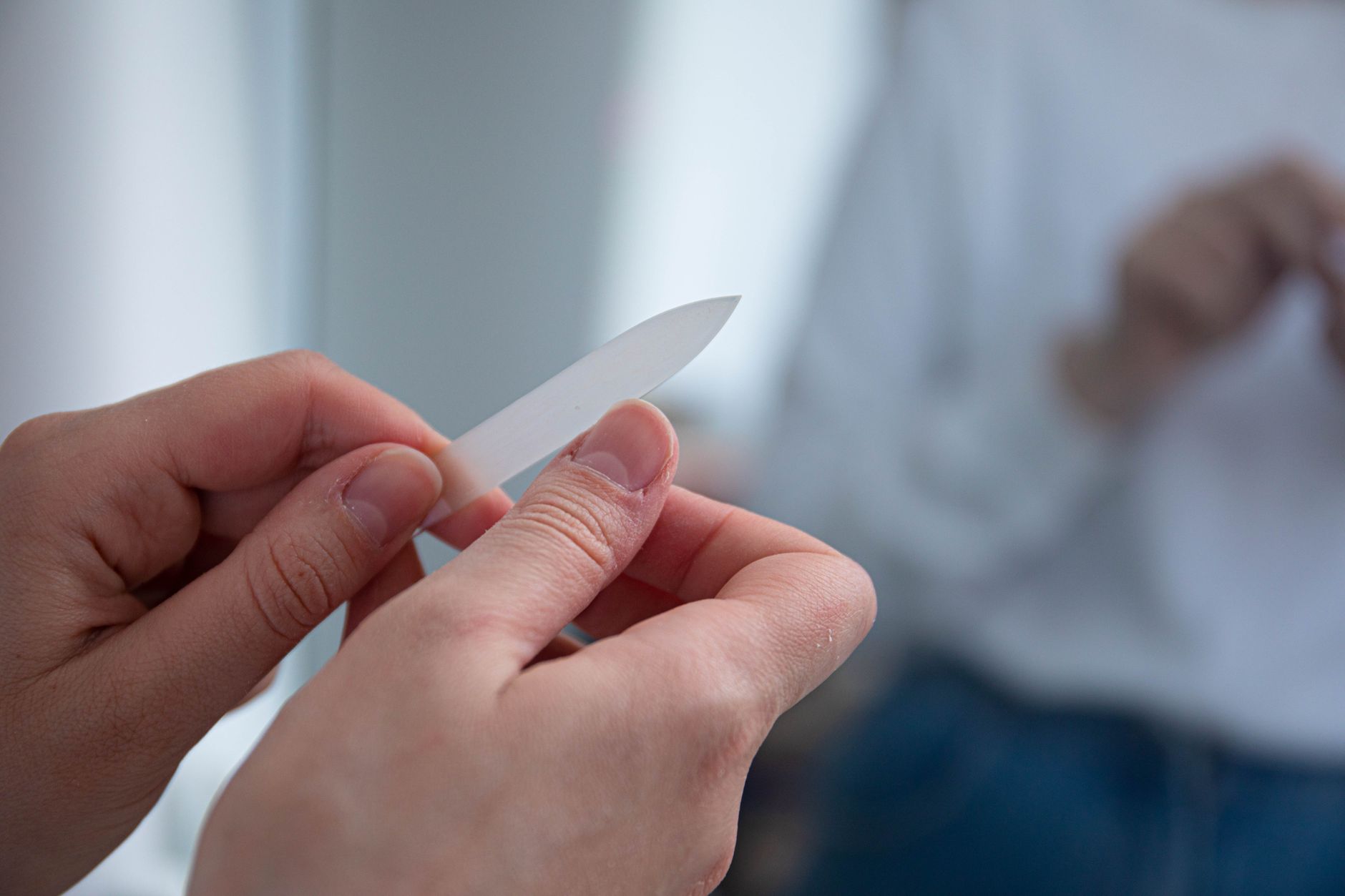
Understanding prohibited items in carry-on luggage is integral for preventing confiscation and processing delays. Rules vary slightly by region but maintain a core consistency regarding items that could be used as weapons.
-
Prohibited Items: Sharp objects with blades exceeding 6 cm (e.g., knives, box cutters, large scissors), martial arts weapons, firearms (including replicas and components), explosives, and flammable materials (e.g., lighter fluid, aerosol paint) are universally banned from carry-on luggage. While some sporting goods like golf clubs or baseball bats are permitted in checked luggage, they are not allowed in carry-on. It is observed that items such as corkscrews, small nail scissors (blades under 6cm), and disposable razors are often permitted in carry-on, though regional interpretations can vary. For example, gel shoe inserts have been prohibited in some jurisdictions after specific security incidents. Always refer to the official guidelines of your departure airport’s security authority.
-
Clothing and Footwear: At the security checkpoint, you will likely be asked to remove outer layers of clothing (coats, jackets, blazers), belts, and possibly shoes. Choosing comfortable, slip-on footwear and minimal accessories can simplify this process. Avoid clothing with excessive metal components that might trigger metal detectors. This requirement is fairly standard across TSA, EU, UK, Japan, and Australia, though the removal of shoes has seen some variability, with certain advanced scanners potentially negating the need in some airports.
-
Baggage Weight and Size Limits: While primarily an airline policy, exceeding carry-on weight or size limits can indirectly impact security. If your bag is deemed too large or heavy at the gate, you may be required to check it, potentially leading to delays and the need to re-pack items that are only permitted in carry-on (e.g., lithium batteries). Verifying one’s specific airline’s carry-on dimensions and weight allowances well in advance of a flight is recommended. Ensuring your luggage meets these requirements prevents unexpected gate-side alterations to your packing strategy. For travelers concerned about lost luggage if a carry-on is forced to be checked, our travel insurance comparison breaks down which policies actually cover baggage delays.
-
Security-Friendly Packing Order (General): Beyond liquids and electronics, organizing your carry-on bag efficiently benefits both you and the security process. Consolidating small items, securing valuables, and avoiding overly dense packing can prevent obscured X-ray images and subsequent manual inspection. A well-organized bag makes it easier for security officers to clear it quickly and for you to repack efficiently.
A common mistake involves carrying items such as multi-tools or large scissors, inadvertently left from everyday use, in carry-on luggage, which typically results in confiscation.
Navigating the Checkpoint: What to Expect and Common Missteps
Understanding the process and anticipating potential challenges can significantly reduce stress at the security checkpoint. The general flow involves queuing, presenting documents, divesting items into bins, passing through a body scanner or metal detector, and then retrieving your belongings.
Upon reaching the screening area, travelers are typically required to present their passport and boarding pass to a security officer. Following this, items must be placed in bins for X-ray screening. This commonly includes removing large electronic devices such as laptops and tablets from carry-on bags, as well as the transparent, resealable bag containing liquids, aerosols, and gels (LAGs). Outer layers of clothing, such as coats and jackets, and sometimes belts, must also be removed. Footwear, particularly heavier shoes, may need to be placed in a separate bin for screening, though this requirement can vary by airport and technology in use.
After divesting belongings, travelers proceed through either a walk-through metal detector or an advanced imaging technology (body) scanner. It is imperative to empty all pockets of metallic objects, phones, and wallets before entering these scanners, as any forgotten items will trigger an alert and necessitate additional screening. Should an alarm be triggered, or if selected for random screening, security personnel may conduct a pat-down search or a supplementary bag inspection.
Upon successful completion of personal screening, travelers may retrieve their belongings from the X-ray conveyor belt. Efficiency in repacking can contribute to a smoother experience for all. Common missteps at the checkpoint itself include failing to empty pockets of small metallic items, not removing belts, or being unprepared for full body scanners. Remaining calm, following instructions from security personnel, and allocating ample time for the entire screening process, especially during peak travel periods, are advisable actions. Patience and preparedness are fundamental for navigating the process effectively.
What this means for your trip

Navigating the complexities of international airport security requires methodical preparation rather than relying on chance. Our analysis indicates that while a core set of security principles prevails globally, the specifics of implementation—from liquid rules to electronic device screening—exhibit important variations across jurisdictions such as the U.S. Transportation Security Administration, the European Union, the United Kingdom, Japan, and Australia. Understanding these nuances before travel can significantly reduce friction and anxiety at the checkpoint.
For travelers, this means three primary takeaways. First, proactive verification of documentation, baggage contents, and regional security rules is not merely an advisory but a fundamental component of efficient travel. Second, the security landscape is not static; rules can evolve, sometimes with short notice, underscoring the necessity to consult official sources prior to each journey. Finally, adherence to established guidelines and the practice of security-friendly packing can contribute to the efficiency and safety of the aviation system, potentially mitigating stress during this component of travel.
Frequently asked questions
What is the 3-1-1 rule for liquids?
The 3-1-1 rule, primarily used by the U.S. Transportation Security Administration (TSA), stipulates that liquids, aerosols, and gels in carry-on bags must be in containers 3.4 ounces (100 milliliters) or smaller, placed in a 1-quart-sized bag, with only one bag allowed per passenger. Similar 100ml restrictions are common globally, though the 'quart bag' term is specific to the US.
Do I need to remove my laptop from my bag at security?
In many regions, including the US, EU, and UK, large electronics such as laptops, tablets, and e-readers typically need to be removed from carry-on bags and placed in a separate bin for X-ray screening. This allows security personnel a clear view. Japan and Australia also often require this, though advanced CT scanners are gradually reducing this requirement in some airports.
Can I bring medications on a plane?
Prescription and over-the-counter medications are generally allowed in both carry-on and checked luggage. For carry-on, liquid medications are exempt from the 100ml (3.4 oz) rule, but it is advisable to carry them in their original containers with prescription labels. We recommend notifying security officers and carrying supporting documentation from a medical professional for clarity, especially for controlled substances or large quantities.
What are common mistakes people make at airport security?
Common errors include forgetting oversized liquids in carry-on bags, failing to remove large electronics, packing prohibited items (e.g., sharp objects, certain tools) in carry-on luggage, not checking passport validity or visa requirements, and not allowing sufficient time for the screening process, especially during peak travel periods.
Are power banks allowed in checked luggage?
No, loose lithium-ion batteries, including power banks (portable chargers), must be transported in carry-on luggage only. This is a global safety regulation enforced by aviation authorities such as the ICAO, due to the potential fire risk of these batteries if they short-circuit in the cargo hold. Always check Watt-hour (Wh) limits for individual batteries.
Keep reading on Gently Yonder
- Pre-Flight Checklist for Passengers The 25-step check for the 48 hours before you fly — documents, connectivity, security, and the night-before list.
- Airport Security Bag Rules What gets flagged at the X-ray belt and how to repack to avoid the bin.
- Airport Security Liquids Checklist The 100ml rule made simple — containers, the clear bag, common rejections.
- Carry-On Packing Order Pack in the order security expects — liquids on top, laptop accessible.
- Travel EDC Checklist Power bank, water bottle, sanitiser — the pocket setup that keeps your day moving.
- Travel Insurance Compared SafetyWing vs World Nomads vs Genki — coverage, exclusions, and how to choose.
- eSIM Setup for International Travel Phone compatibility, plan choice, and the activation order that avoids the airport scramble.