No one pays to be recommended here, and we say when a free or cheaper option wins. Our promise →
In this guide8 sections
- The Evolving Landscape of Carry-On Dimensions
- Distinguishing Personal Items from Carry-Ons
- Practicalities at the Gate: Common Rejections and Surviving Inspection
- Navigating Security Checkpoints with Electronics and Exceptions
- The “Two-Bag Rule” and Strategic Packing for Efficiency
- A Decision Framework for International Bag Selection
- What this means for your trip
- Frequently asked questions
Navigating the complexities of airline baggage regulations constitutes an essential component of international travel preparation. The distinctions between carry-on bags and personal items, coupled with varied airline policies and security requirements, necessitate a clear understanding of current standards. This article outlines a framework for selecting and preparing bags compatible with international airport regulations, addressing common operational challenges.
| Airline type | Carry-on allowance | Personal item / note |
|---|---|---|
| US majors (United, Delta, American) | 22 × 14 × 9 in (56 × 36 × 23 cm) | Personal item around 18 × 14 × 8 in |
| ANA / JAL | ~55 × 40 × 25 cm | Similar between the two |
| Emirates (Economy) | 55 × 38 × 20 cm | Slightly smaller than US norms |
| Ryanair (basic fare) | Small bag only: 40 × 25 × 20 cm | Overhead cabin bag costs extra |
| Spirit | Carry-on charged, ~22 × 18 × 10 in | Free personal item capped at 18 × 14 × 8 in |
IATA’s 56 × 45 × 25 cm guideline is not enforced — always check each airline on your itinerary; the strictest one governs.
The Evolving Landscape of Carry-On Dimensions

The regulations governing carry-on baggage dimensions can appear disparate across the global aviation industry. While the International Air Transport Association (IATA) historically suggested a general guideline of 56 x 45 x 25 cm (approximately 22 x 17.7 x 9.8 inches) as an optimal cabin baggage standard, this recommendation is not universally enforced. This divergence stems from individual airline operational requirements, fleet variations, and differing cabin configurations. Consequently, individual airlines maintain their own specific allowances, which may also fluctuate based on aircraft type and fare class.
For major North American carriers such as United Airlines, Delta Air Lines, and American Airlines, a common carry-on dimension typically aligns around 22 x 14 x 9 inches (56 x 36 x 23 cm), inclusive of wheels and handles. European airlines, including British Airways and Lufthansa, often adhere to similar metrics, though slight variations exist. Asian carriers like All Nippon Airways (ANA) and Japan Airlines (JAL) generally provide comparable allowances, with ANA often specifying 55 x 40 x 25 cm (21.7 x 15.7 x 9.8 inches) and JAL similar. Emirates, a prominent Middle Eastern airline, typically permits a slightly smaller carry-on for Economy Class, around 55 x 38 x 20 cm (22 x 15 x 8 inches).
Notably, many budget airlines operate with more restrictive or tiered baggage policies. Carriers such as Ryanair, Spirit Airlines, and EasyJet often impose significantly smaller maximum dimensions or charge substantial fees for any cabin bag exceeding a small personal item. For instance, Ryanair’s basic fare permits only a small personal bag (40 x 25 x 20 cm) that fits under the seat, with a cabin bag requiring an upgrade. Spirit Airlines frequently specifies 18 x 14 x 8 inches (45 x 35 x 20 cm) as the maximum for a personal item, with carry-ons incurring a fee and typically having a limit around 22 x 18 x 10 inches (56 x 46 x 25 cm).
Travelers must consult the specific baggage policy of their chosen airline for each leg of an international itinerary. These policies are publicly documented on airline websites and often include visual guides or sizing tool information. Non-adherence can result in bags being checked at the gate, often incurring additional fees and potential delays. Measurement and weighing of a bag, fully packed, prior to departure is advised to ensure compliance.
Distinguishing Personal Items from Carry-Ons
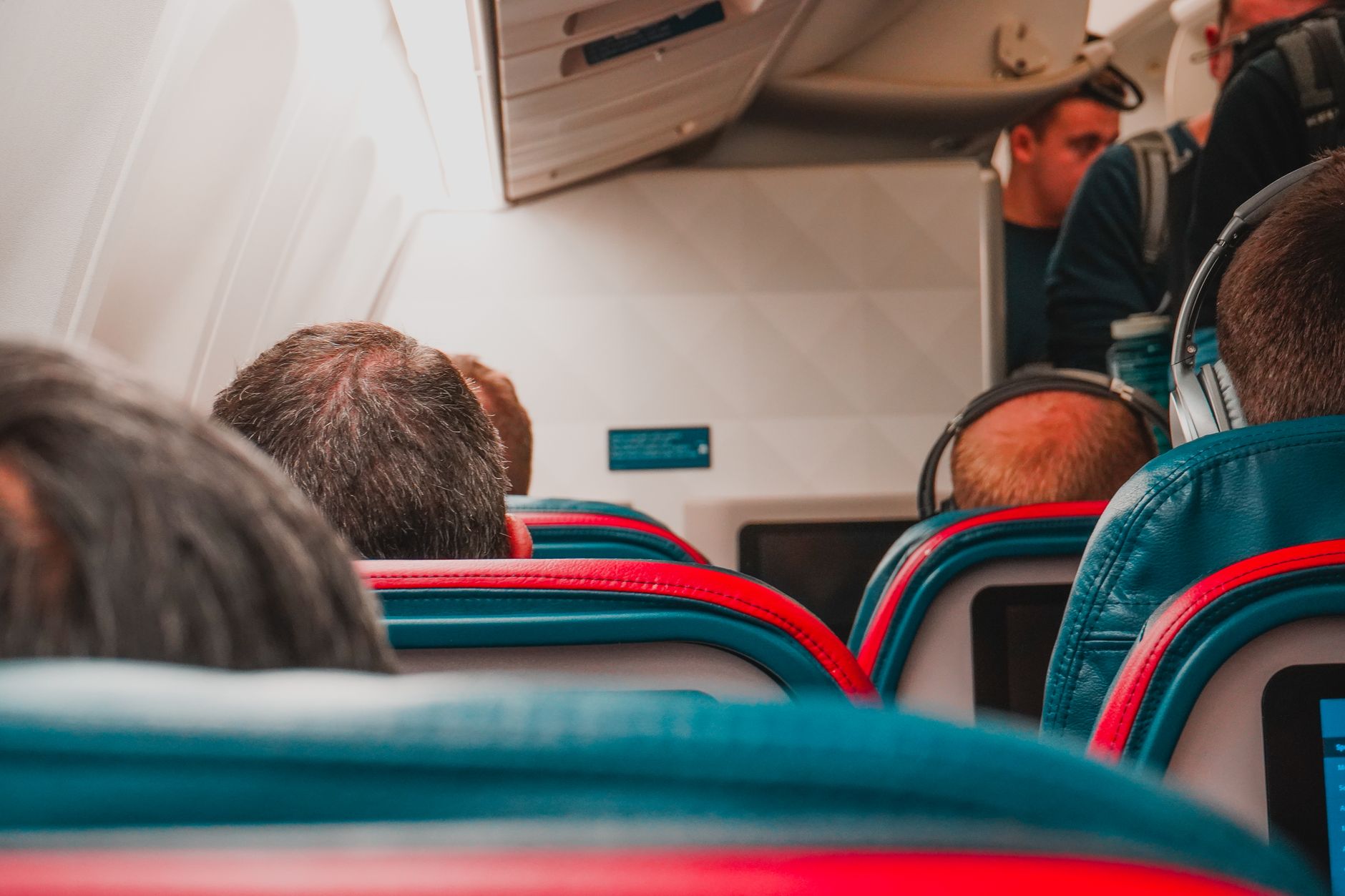
The distinction between a personal item and a carry-on bag is fundamental to understanding cabin baggage allowances. While a carry-on is generally intended for the overhead compartment, a personal item is specifically designed to fit under the seat in front of the traveler. This difference in intended storage dictates their respective size limits and function. The allowance for a personal item optimizes passenger convenience for in-flight essentials and efficiently utilizes residual cabin space beneath seats, which would otherwise remain unoccupied.
Common examples of personal items include small backpacks, laptop bags, briefcases, large purses, or camera bags. Airlines typically do not charge for a personal item, provided it meets their specified dimensions. These dimensions are usually smaller than those for carry-ons, often falling in the range of 18 x 14 x 8 inches (45 x 35 x 20 cm). However, as with carry-ons, these measurements are not absolute and can vary significantly by carrier and aircraft. For instance, some airlines might specify maximum linear dimensions (length + width + height) rather than individual measurements.
The personal item is often where travelers store essentials needed during the flight, such as travel documents, medication, snacks, or entertainment devices. The item’s accessibility during the flight is a notable functional advantage. Selecting a personal item with flexible structure is often advantageous, allowing it to be compressed slightly to fit into potentially tighter under-seat spaces. Understanding and adhering to these dimensions is vital to avoid gate agents reclassifying a personal item as a second carry-on, which can lead to additional charges or the necessity of checking one of the bags.
Practicalities at the Gate: Common Rejections and Surviving Inspection
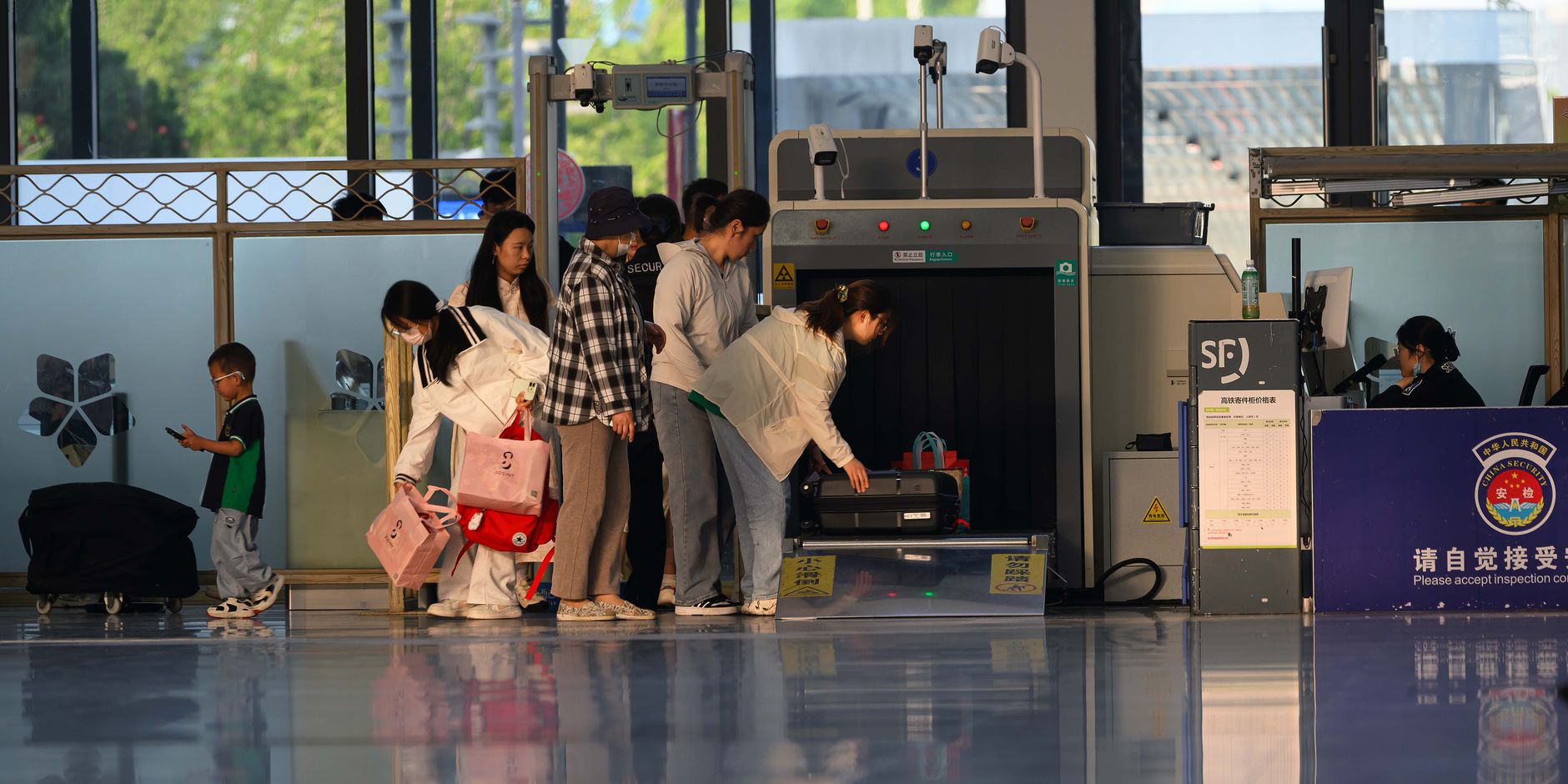
Upon reaching the boarding gate, travelers often encounter the final checkpoint for cabin baggage compliance. Gate agents are responsible for ensuring that carry-on and personal items adhere to the airline’s published size and quantity restrictions. One of the most common reasons for gate rejection is an oversized carry-on bag. Airlines frequently employ metal sizing bins, sometimes referred to as “sizers,” at the gate. If a bag, including all its external components like handles and wheels, does not fit easily into this sizer without force, it will likely be deemed too large. It is noteworthy that some sizers may be dimensioned to the absolute minimum, or even slightly less than stated limits, to ensure strict adherence. Such gate interventions not only incur significant financial penalties but also frequently cause passenger distress and potential delays to boarding processes. Similarly, bags that exceed weight limits for carry-on luggage—though less frequently enforced at the gate than size—can also be rejected.
Another common issue arises when passengers attempt to bring more than the allowed number of cabin items. The standard “two-bag rule” (one carry-on, one personal item) is widely practiced, but some budget airlines or specific fare classes may only permit one item or charge for the carry-on. Travelers arriving at the gate with three bags, or with two bags that both exceed personal item dimensions, risk mandatory gate-checking of one or more items. This process often incurs fees that are considerably higher than those for checking luggage at the main check-in counter.
Several strategies are recommended to navigate these gate checks successfully. Firstly, choose bags with external dimensions that are demonstrably within the airline’s stated limits. Soft-sided carry-ons and personal items can offer a slight advantage over rigid cases, as they may be compressible enough to fit into a sizer or under a seat, even if minimally overfilled. Secondly, avoid overpacking to the point where a bag’s shape is distorted, making it appear larger than its official dimensions. Finally, preparedness to consolidate items if necessary, ensuring that only the permitted number of bags are presented for boarding, is crucial.
Navigating Security Checkpoints with Electronics and Exceptions

Airport security checkpoints present a distinct set of requirements for travelers, particularly concerning electronics and certain specialized equipment. For the Transportation Security Administration (TSA) in the United States, and similar authorities internationally, rules for laptops, tablets, and other large electronic devices are typically standardized. Travelers are generally required to remove laptops, tablets, e-readers, and any device larger than a standard smartphone from their carry-on bags and place them in a separate bin for X-ray screening. This procedure allows security personnel to obtain a clear image of these items, as their internal components can obstruct views of other bag contents due to material density. This requirement applies to both carry-on and personal item bags.
Concerning liquids, aerosols, and gels, most international security agencies, including the TSA, adhere to the 3-1-1 rule for carry-on baggage. This stipulates that containers must be 3.4 ounces (100 milliliters) or smaller, fit comfortably in one quart-sized (liter-sized) bag, and be limited to one bag per passenger. This rule applies globally in many jurisdictions, though minor variations in specific allowances or exemptions can occur. Exemptions include medically necessary liquids, baby formula, and breast milk in reasonable quantities beyond the 3-1-1 limits, which must be declared to security officers for separate screening. These items do not need to fit into the quart-sized bag. It is generally advised to place this clear plastic bag in an easily accessible part of the carry-on or personal item for quick removal at the checkpoint.
For travelers enrolled in expedited screening programs, such as TSA PreCheck in the U.S. or similar trusted traveler programs elsewhere, the requirement to remove electronics often does not apply. These programs permit eligible individuals to keep laptops and liquids in their bags, streamlining the security process.
Specific exceptions also exist for medical equipment and baby gear. Medical devices, such as CPAP machines, oxygen concentrators, and mobility aids (e.g., wheelchairs, walkers), are generally permitted in the cabin over and above standard carry-on allowances. It is imperative to notify the airline in advance and carry comprehensive documentation from a medical professional, such as a doctor’s note or prescription, clearly specifying the medical necessity and proper use of the device. This proactive measure ensures smooth passage through both airline check-in and security checkpoints. Similarly, essential baby items like strollers and car seats can often be gate-checked for free or, in the case of breast pumps and associated accessories, may be considered a medical device and thus permitted as an additional item. Airline policies vary on these exceptions, and confirmation with the carrier prior to travel is prudent.
The “Two-Bag Rule” and Strategic Packing for Efficiency
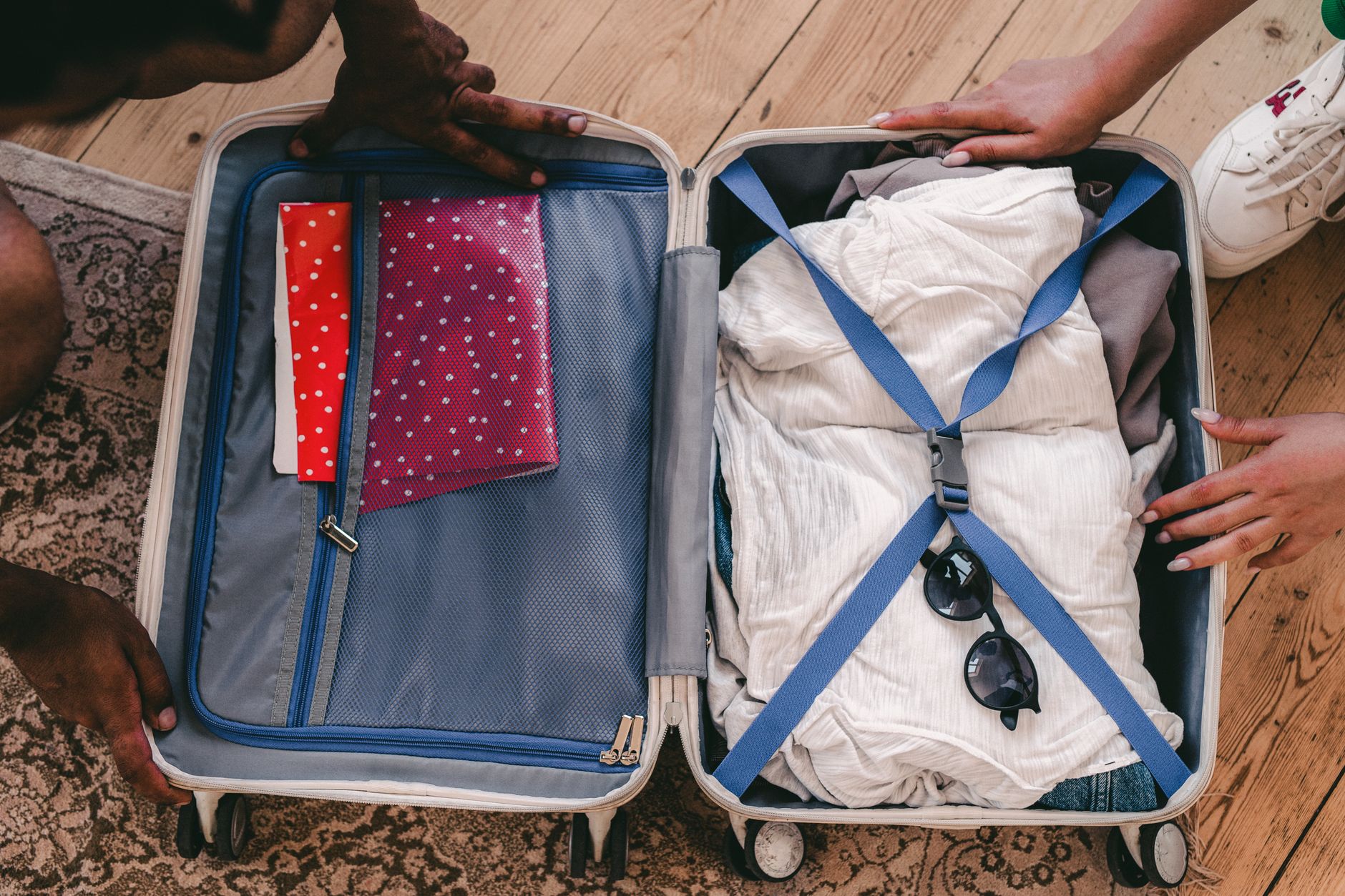
The “two-bag rule,” allowing one carry-on bag and one personal item, forms the cornerstone of cabin baggage strategy for many international travelers. This allowance offers significant flexibility, enabling passengers to bring a substantial amount of luggage into the aircraft cabin. Effectively utilizing this allowance requires deliberate planning and strategic packing techniques. The carry-on bag, typically stored in the overhead bin, is often the larger of the two and can accommodate clothing, toiletries, and non-essential items. The personal item, fitting under the seat, is best reserved for immediate necessities, documents, electronics, and items of high value or fragility.
Strategic packing aims not merely to fit items into bags, but to organize them in a manner that maximizes space, facilitates security checks, and ensures easy access to required items. Packing cubes, for instance, can compress clothing and separate categories of items, making it simpler to locate specific articles without disturbing the entire contents of a bag. Their modular nature also facilitates organized unpacking and repacking, a distinct advantage when transiting through multiple destinations. The judicious use of compression straps, whether internal to the bag or external, can also help maintain the bag’s structural integrity and potentially reduce its apparent volume, aiding compliance with size requirements.
Furthermore, the “nesting” principle, where smaller, flexible items like a packable daypack or reusable shopping bag can be folded and stored within the carry-on, is also effective. This approach allows for additional capacity at the destination or for items acquired during the trip, without violating the initial two-bag limit. Managing item weight and bulk is critical; an overstuffed bag, even if technically within dimensions, can impede maneuverability and storage. Prioritizing versatile clothing and minimizing redundant items can optimize adherence to the two-bag framework.
A Decision Framework for International Bag Selection

Choosing the right bags for international travel is a decision best approached systematically, integrating airline regulations, personal needs, and practical considerations. A structured framework is proposed to guide this selection process, ensuring compliance and enhancing the travel experience.
1. Ascertain Airline-Specific Regulations: Before any purchase or packing, the primary step involves researching the precise carry-on and personal item dimensions and weight limits for every airline on your itinerary. Note any differences between airlines or for connecting flights, as the most restrictive allowance will be your governing standard. This information is consistently available on airline official websites; cross-referencing for outbound and return journeys is advised.
2. Measure and Weigh Your Bags (Fully Packed): Once you have the target dimensions, rigorously measure empty bags and then again once they are packed for your trip. Include all external elements—wheels, handles, and any protruding pockets—in measurements. Weigh the packed bags to ensure they remain within the often-overlooked weight restrictions for cabin baggage. A portable luggage scale can assist in verifying packed bag weight.
3. Prioritize Flexibility for Personal Items: For the under-seat personal item, a soft-sided bag is frequently advantageous. Its pliable nature allows for some compression, potentially enabling it to fit into varied under-seat spaces more easily than a rigid container. Consider its access points; a well-designed personal item offers quick retrieval of in-flight essentials without necessitating opening the main compartment.
4. Assess Carry-On Durability and Features: For the primary carry-on, evaluate construction materials and wheel systems for durability, particularly for journeys involving multiple connections or varied terrains. Features such as sturdy zippers, internal compression straps, and organizational pockets contribute to both bag longevity and ease of use. Material choice also plays a role; hard-sided cases offer superior protection for fragile contents and maintain their dimensions rigorously, while soft-sided bags provide greater flexibility for compression and external pocket storage. A bag designed with easily accessible pockets for liquids or electronics can simplify security screenings.
5. Consider Security Checkpoint Practicality: Reflect on how bag design interacts with security protocols. For instance, a clamshell opening can make it easier to lay items flat for inspection, and a dedicated, padded laptop compartment external to the main section can expedite the removal and re-packing of electronics. The objective is to minimize procedural delays at security checkpoints for both the traveler and screening operations.
6. Balance Capacity with Maneuverability: While maximizing space is tempting, an overstuffed or overly large bag can become cumbersome, particularly in crowded airports or when navigating public transport at the destination. Seek a balance that allows for comfortable movement while still accommodating necessary items. The aim is to select bags that facilitate travel logistics without impeding movement.
7. Consider Smart Luggage and Power Bank Regulations: If considering ‘smart’ luggage with integrated charging capabilities or GPS trackers, confirm compliance with airline policies regarding lithium-ion batteries. Most airlines require smart bags with non-removable batteries to be checked if the battery exceeds certain watt-hour limits, and many mandate removal of batteries for carry-on luggage with charging functions. Reviewing these specific regulations prevents last-minute issues at check-in or the gate.
What this means for your trip
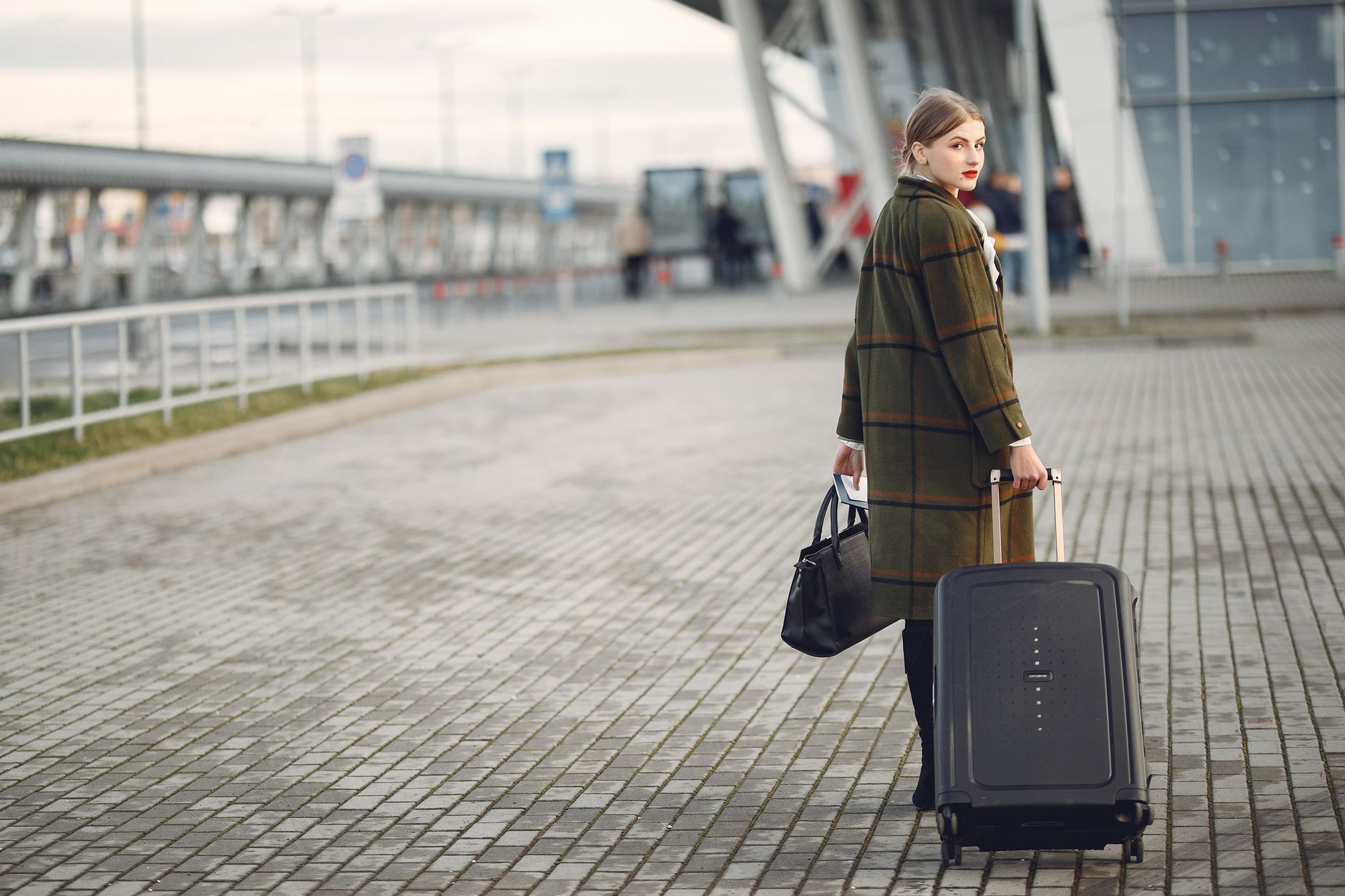
Successfully navigating airport security and baggage rules requires proactive research and strategic preparation. Adherence to specific airline carry-on and personal item dimensions is paramount, as variations are common across carriers and routes. Understanding the “two-bag rule” and distinguishing clearly between carry-ons and personal items can prevent costly gate-side rejections and unnecessary stress. Finally, intelligent packing, which includes anticipating security checkpoint procedures for electronics and leveraging bag features for organization, contributes to a more streamlined and compliant international travel process. Ultimately, a thorough understanding and consistent application of these principles enhance individual travel autonomy and contribute to the overall efficiency of global air transport systems.
Frequently asked questions
What typically counts as airport security bags for travel?
For airport security and airline purposes, 'airport security bags' generally refer to the two categories of cabin baggage: the carry-on bag (intended for the overhead bin) and the personal item (designed to fit under the seat in front of you).
What are the common carry-on bag size rules for international flights?
While specific dimensions vary by airline and aircraft, many international carriers adhere to an approximate standard of 22 x 14 x 9 inches (56 x 36 x 23 cm), including handles and wheels. Always verify with your specific airline and route prior to departure.
What are the typical dimensions for a personal item bag?
Personal item dimensions are generally smaller than carry-ons, designed to fit under an airline seat. Common sizes are around 18 x 14 x 8 inches (45 x 35 x 20 cm), though this can vary significantly. Examples include small backpacks, laptop bags, or purses.
How can I ensure my bag will fit under the seat?
To ensure a bag fits under the seat, its dimensions (height, width, depth) must not exceed the personal item limits set by your airline. Opting for a soft-sided bag can offer some flexibility, but rigid items must adhere strictly to stated maximums.
What is the 'two-bag rule' on most international flights?
The 'two-bag rule' is a common allowance on many international flights, permitting passengers to bring one carry-on bag (for the overhead compartment) and one personal item (for under the seat). This policy is subject to specific airline and fare class rules.
Keep reading on Gently Yonder
- Pre-Flight Checklist for Passengers The 25-step check for the 48 hours before you fly — documents, connectivity, security, and the night-before list.
- Airport Security Checklist (12-Point Pre-Flight) A 12-point pre-flight verification covering documents, liquids, electronics, and prohibited items.
- Airport Security Liquids Checklist The 100ml rule made simple — containers, the clear bag, common rejections.
- Carry-On Packing Order Pack in the order security expects — liquids on top, laptop accessible.
- Travel EDC Checklist Power bank, water bottle, sanitiser — the pocket setup that keeps your day moving.
- eSIM Setup for International Travel Phone compatibility, plan choice, and the activation order that avoids the airport scramble.