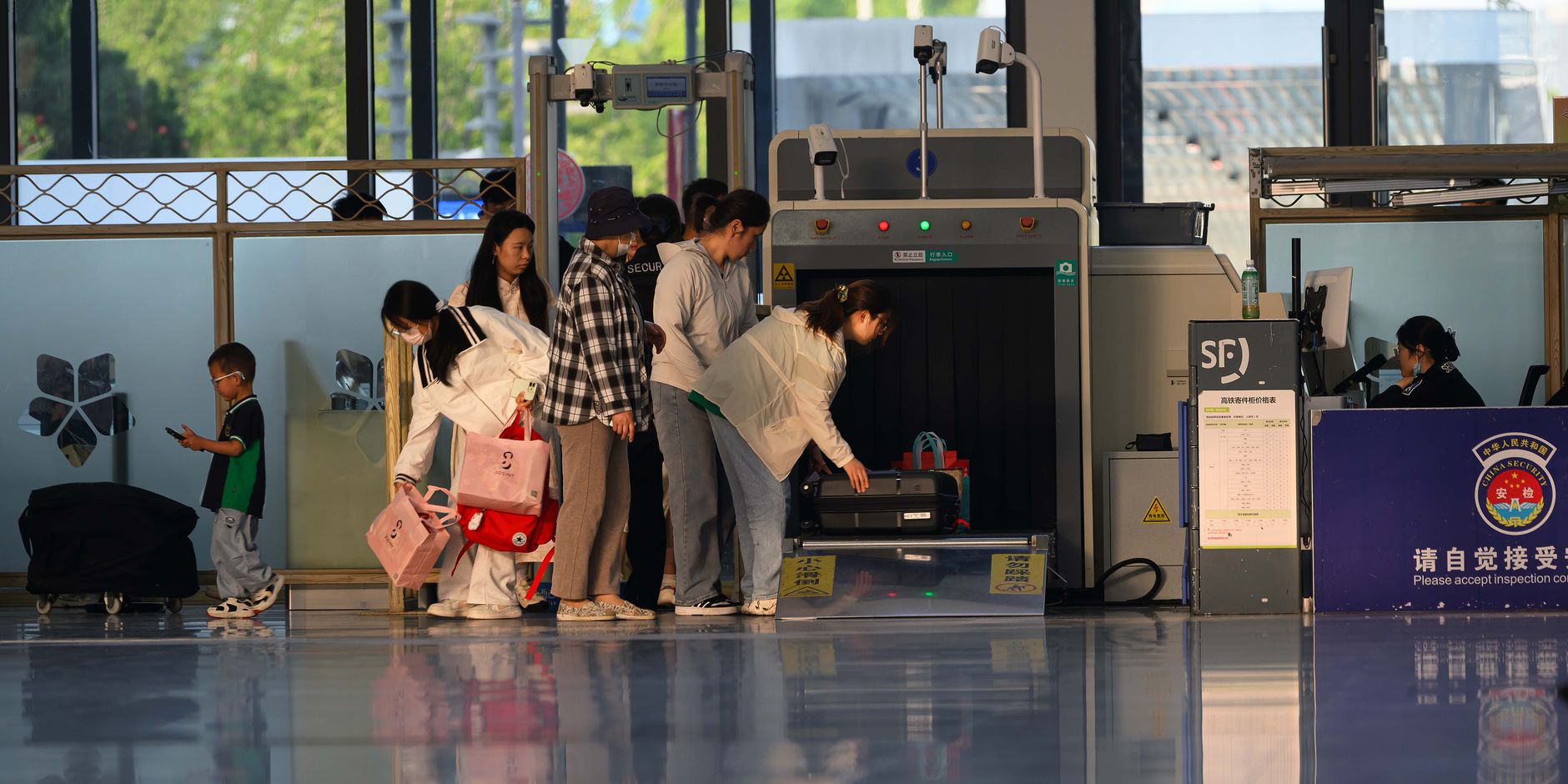
Airport security goes faster when your carry-on liquids are sorted before you leave home.
This airport security liquids checklist covers travel-size containers,
the clear bag, common mistakes, and quick FAQ — so you can keep moving through the line
without last-minute repacking.
No one pays to be recommended here, and we say when a free or cheaper option wins. Our promise →
Use small travel-size containers. Decant shampoo, lotion, and other liquids into reusable bottles that fit the carry-on limit at your departure airport.
Keep them in one clear, resealable bag. A transparent pouch lets security inspect your liquids quickly and reduces the chance of a manual bag check.
Pack the bag near the top of your carry-on. Put the pouch in an outside pocket or at the top so you can pull it out without unpacking everything else.
Check your airport, airline, and transit rules before leaving. Liquid limits and bag sizes can vary by country and route — confirm the current rules from the official source for your trip.
Most security checkpoints expect carry-on liquids to be in containers under a specific size,
all fitting inside one clear, resealable bag. In the US this is often called the
3-1-1 rule (containers under ~100 ml / 3.4 oz, one bag per traveler, fits in a quart-sized bag).
Other regions use similar limits, but exact bag size, container size, and exemptions can differ.
Because rules change, treat any number you remember as a guideline — and confirm the latest version
from your departure airport's official website or your airline before flying.
Full-size bottles "just for the trip" — these often get pulled at security even if you only use them once.
Forgetting the clear bag — using an opaque toiletry pouch can slow the line.
Mixing liquids and electronics — keeping them in separate pouches makes it easier to remove tech (laptop, tablet) for screening.
Skipping the last-minute check — sunscreen, lip balm, and recently bought items often get added at the door and forgotten.
Buying drinks before security — sealed bottles purchased before security usually still get flagged. Buy water after the checkpoint instead.
Useful prep items
You do not need a complicated setup. A few simple items can make your carry-on liquids
easier to organize before airport security.
TSA-approved clear quart bag (1L)
The standard 1-litre clear quart bag is the universal liquids container —
required at TSA checkpoints, accepted at most international airports.
Reusable models with zip closures outlast disposable plastic bags by
years. Buy two so one is always packed.
Silicone squeeze bottles are non-shattering, dishwasher-safe, and seal
properly under cabin pressure. Choose 100ml/3.4oz capacity (the global
standard limit) and a 3- or 4-piece set with different cap colours so
you don't decant shampoo into the lotion bottle.
A hanging toiletry bag turns any hotel bathroom hook into a fully laid-out
shelf. Multiple zip compartments separate liquids from solids; clear
internal panels make security checks easy if the bag is asked for
inspection.
Shampoo bars, conditioner bars, deodorant sticks, and solid sunscreen all
count as solids, not liquids — exempt from the 100ml rule and no plastic
container. The lightest-weight option for any carry-on-only trip.
Separate dental kit, medications, and electrolyte powders into labelled
zip pouches inside the toiletry bag. Easier to find at 6am in a hotel
room than a single jumbled bag.
Prescription medications travel best in their original pharmacy
packaging or a clear labelled case. A dedicated medication pouch
separates them from cosmetics and makes any security inspection
faster.
Allowable liquids in carry-on luggage are typically capped at 100 ml (3.4 fl oz) per container, with all containers fitting inside a single transparent resealable bag of about 1 litre. Common allowed items include toiletries, sunscreen, contact lens solution, and gel-based cosmetics — all within the 100 ml limit. Medications and baby formula are usually exempt but must be declared at security. Rules vary slightly between airports, so check your departure country's official aviation guidance before you fly.
What is the airport liquids rule for carry-on bags?
Many airports follow a small-container, clear-bag standard (often called the 3-1-1 rule in the US). Exact limits and bag size can vary by country and route, so check your departure airport, transit airports, and airline before traveling.
Do I need a clear bag for airport security liquids?
Most security lines expect liquids in a single transparent, resealable bag so officers can inspect them quickly. A clear pouch can make screening faster and reduce the chance of a manual check.
Are travel-size bottles required?
Carry-on liquid containers usually need to be under a specific size limit per item, with all items fitting in one clear bag. Reusable travel-size bottles can help you stay within the limit without leaving favorite products behind.
What counts as a liquid at airport security?
Liquids often include gels, creams, pastes, and sprays — for example toothpaste, sunscreen, lotion, deodorant, and some makeup. When unsure, treat it as a liquid and pack it in your clear bag.
Where should I place my liquids bag in my carry-on?
Keep it near the top of your carry-on or in an outside pocket so you can pull it out quickly without unpacking the rest of your bag.
Gently Yonder tip:
Run through this liquids checklist the night before you fly — not the morning of departure.
That way you can replace anything missing or oversize without rushing.
Bottom line
Carry-on liquids are one of the easiest things to forget, and one of the easiest to fix
with a little prep. Use small containers, keep them in a clear bag, place that bag at the top
of your carry-on, and check your airport's current rules before you leave.
The Weekly Travel Prep Brief
Liked this guide? Get one like it, every week.
Short, practical travel-prep emails. eSIM tips, packing reminders, airline rule updates.
No spam, no influencer fluff. Subscribe and the printable Pre-Flight Checklist arrives as your welcome.
Free. The welcome checklist arrives instantly. Unsubscribe in one click, anytime.
Sources & further reading
Transportation Security Administration (TSA). "3-1-1 Liquids Rule" — official TSA policy (codified August 2006 following the UK transatlantic aircraft plot).
International Air Transport Association (IATA). Dangerous Goods Regulations — annual standards reference for commercial aviation.
European Commission. Commission Regulation (EC) No 1546/2006 — aviation security regulations for liquids in cabin baggage.
International Civil Aviation Organization (ICAO). Document 9284: Technical Instructions for the Safe Transport of Dangerous Goods by Air.
Sweet, K. M. Aviation and Airport Security: Terrorism and Safety Concerns. CRC Press, 2009.
UK Department for Transport. Aviation security guidance for passengers (current edition).