No one pays to be recommended here, and we say when a free or cheaper option wins. Our promise →
In this guide8 sections
- The Core 10: Foundational Pieces and Their Purpose
- Fabric Choices and Layering Logic for Variable Climates
- The Art of the Mix-and-Match Color Palette
- Deliberate Omissions: What to Leave Behind
- Laundry Logistics Abroad: Maintaining a Small Wardrobe
- Adapting the Capsule for Three Climate Scenarios
- Concluding Observations on the Capsule Wardrobe Approach
- Frequently asked questions
Preparing for a two-week journey often presents a challenge: balancing the desire for varied outfits with the practical constraints of luggage limits and mobility. This guide outlines a structured approach to packing a highly adaptable 10-item capsule wardrobe, engineered to perform across diverse climatic conditions—from the heat and humidity of tropical regions to the crisp variability of temperate spring/fall, and the need for warmth in cooler environments. We examine specific garment selections, fabric technology, and logistical strategies to ensure efficient and prepared travel.
The Core 10: Foundational Pieces and Their Purpose

A foundational capsule wardrobe for two weeks prioritizes versatility, durability, and ease of care. Our selection of 10 primary clothing items is designed to be mixed, matched, and layered effectively.
- Versatile Travel Pants (x1): Opt for a quick-drying, wrinkle-resistant fabric with some stretch, suitable for both active pursuits and smart-casual settings. Many technical options feature hidden pockets and convertible lengths.
quick-dry travel pants - Denim Jeans or Chinos (x1): A comfortable, classic pair provides a casual anchor for many outfits and offers warmth in cooler conditions.
- Short-Sleeve Technical Tops (x2): Choose moisture-wicking, odor-resistant fabrics like merino wool blends or advanced synthetics. These are ideal for hot weather and as base layers.
- Long-Sleeve Technical Top (x1): Provides sun protection in warm climates and serves as a crucial insulating base layer in cooler temperatures. Again, prioritize quick-dry and odor-resistant materials.
- Button-Up Shirt (x1): A lightweight button-up (cotton blend, linen blend, or quick-dry technical fabric) offers versatility. It can be worn open over a t-shirt, buttoned for a smarter look, or rolled up for sun protection.
- Lightweight Cardigan or Fleece (x1): A compact, insulating layer for temperate evenings, air-conditioned spaces, or as a mid-layer in colder conditions. Merino wool or micro-fleece are excellent choices.
- Packable Rain Shell (x1): An essential for any climate, providing protection from unexpected precipitation and acting as a windbreaker. Look for lightweight, waterproof, and breathable options.
- Versatile Dress or Skirt (x1, for women) / Tailored Shorts (x1, for men): A simple, wrinkle-resistant dress or skirt can be dressed up or down. For men, tailored shorts can serve a similar purpose in warm environments, transitioning from casual to a slightly more refined look.
- Swimsuit / Athletic Shorts (x1): Doubles as beachwear, pool wear, or comfortable shorts for lounging or exercise, particularly valuable in tropical and warm temperate climates.
This specific combination allows for a multitude of outfits while minimizing bulk, directly addressing the limitations of travel. The emphasis remains on items that can serve multiple functions, thereby reducing the overall quantity required.
Fabric Choices and Layering Logic for Variable Climates

The effectiveness of a capsule wardrobe hinges significantly on intelligent fabric selection. We prioritize materials that offer specific performance benefits across varying environmental conditions.
Merino Wool: Known for its natural thermoregulating properties, merino wool excels in both warm and cool environments. It keeps the wearer cool by wicking moisture away from the skin and warm by trapping air in its fibers. Crucially for travelers, it possesses natural odor resistance, allowing garments to be worn multiple times between washes without developing noticeable smells. This characteristic makes merino an excellent choice for base layers and lightweight sweaters. performance base layers
Technical Synthetics: Materials such as polyester and nylon blends are engineered for rapid drying, moisture-wicking, and durability. These fabrics are exceptionally lightweight and compress well, making them suitable for activewear, technical t-shirts, and outer shells. While not as odor-resistant as merino, many modern synthetics are treated to enhance this property.
Quick-Dry Cotton Blends: While pure cotton can be slow to dry, blends engineered with synthetic fibers or specific weaves offer increased breathability and quicker drying times than traditional cotton. These provide comfort and a more casual aesthetic for warmer conditions while retaining some of the desirable properties of natural fibers.
Layering Strategy: The ability to layer is fundamental to adapting a limited wardrobe to fluctuating temperatures. * Base Layer: The technical short-sleeve or long-sleeve tops form the foundation, managing moisture directly against the skin. * Mid-Layer: The button-up shirt, lightweight cardigan, or fleece provides insulation and can be added or removed as warmth is required. The button-up offers a more polished appearance. * Outer Layer: The packable rain shell serves as the primary defense against wind and rain, providing an essential final layer of protection.
By combining these layers, one can construct an appropriate ensemble for a cool morning, shed layers for a warm afternoon, and reapply for an evening chill or sudden rain shower, all using the same core items. This system ensures comfort without the need for an excessive number of specialized garments.
The Art of the Mix-and-Match Color Palette

A cohesive color palette is a cornerstone of an effective capsule wardrobe, maximizing the number of distinct outfits achievable from a limited selection of garments. We advocate for a tight, complementary palette centered around versatile neutrals, with the option of incorporating one or two subtle accent colors.
Neutral Foundation: The majority of your 10 items should reside in a neutral spectrum: black, charcoal grey, navy, khaki, beige, or olive green. These colors inherently pair well with each other, creating a vast array of combinations without clashing. For instance, navy trousers can be worn with a grey t-shirt, a white button-up, or an olive sweater. This strategy ensures that any top can generally be worn with any bottom, and any layering piece will integrate seamlessly.
Subtle Accent Colors: To introduce visual interest and personal expression without sacrificing versatility, consider adding one or two items in a subdued accent color. This might be a deep burgundy, a dusty blue, or a muted teal. These colors should still harmonize with your chosen neutrals, rather than clashing. For example, a navy and grey base can easily incorporate a soft green or a light blue button-up shirt.
Maximizing Combinations: * A neutral short-sleeve top can be worn alone, under the button-up shirt, or beneath the sweater for added warmth. * The button-up can be worn buttoned for a smart-casual look or open as a light jacket over a t-shirt. * Both the travel pants and the denim/chinos should be chosen in a neutral that complements all your tops. * The versatile dress or skirt, ideally in a solid neutral, can be paired with any of the tops or the cardigan, transforming its appearance.
This deliberate approach to color ensures that each item contributes to multiple outfits, streamlining the selection process during travel and fostering a cohesive presentation. While not part of the core 10 items, a colorful lightweight scarf or a piece of statement jewelry can further enhance an outfit without occupying significant luggage space.
Deliberate Omissions: What to Leave Behind
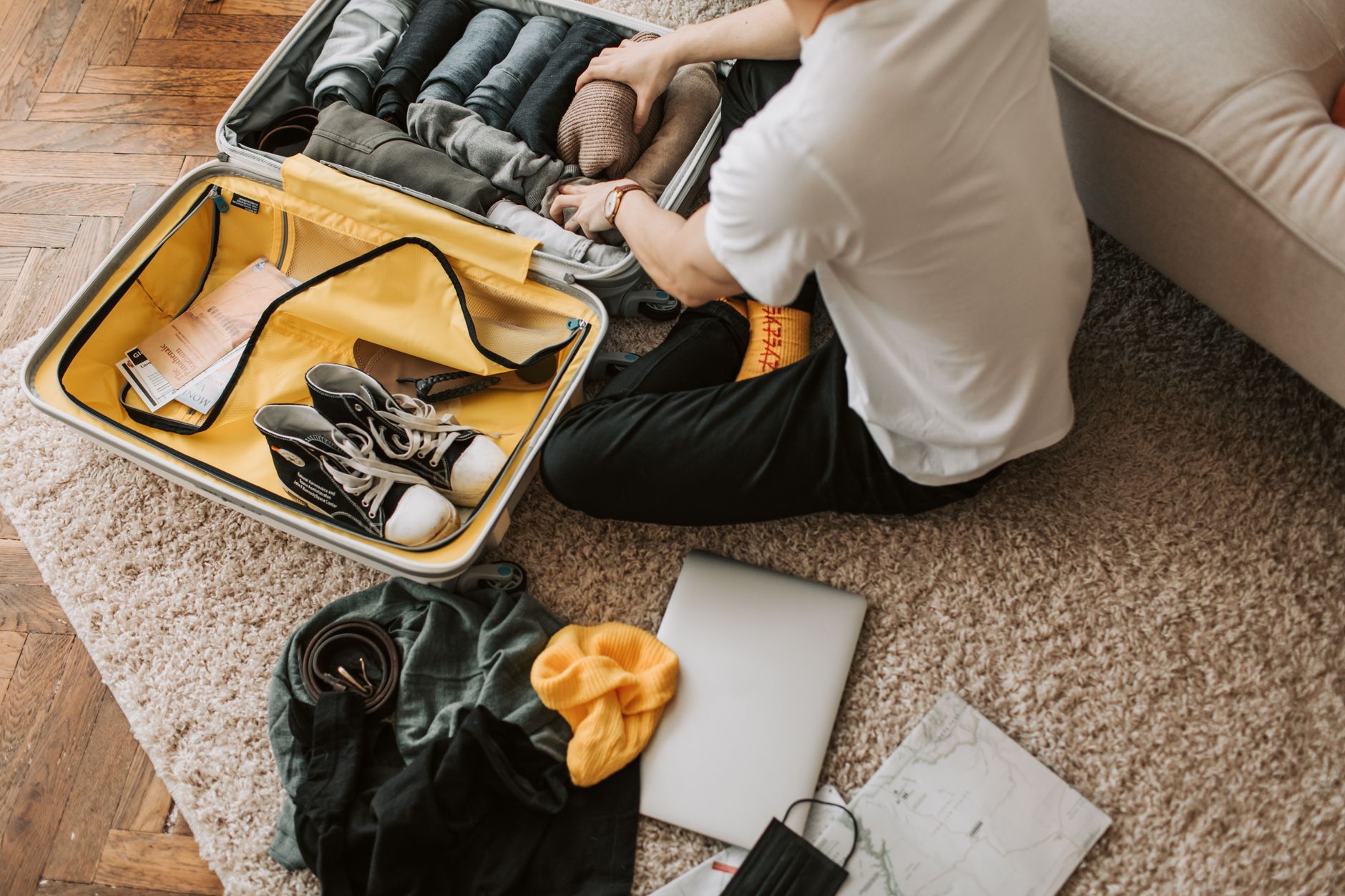
An effective capsule wardrobe strategy is as much about what you pack as it is about what you consciously choose to omit. We advise a critical review of potential items, focusing on their multi-functionality and ease of care, to prevent unnecessary bulk and weight.
Single-Use Garments: Consider avoiding clothing items intended for only one specific event or occasion, unless that event is absolutely critical and cannot be accommodated by adapting existing pieces. For instance, a highly specialized formal outfit or a themed costume for a single gathering typically warrants exclusion. The objective is to achieve maximum utility from each item.
Redundant Pairs: Avoid packing multiple garments that serve the exact same purpose without offering distinct versatility. Two pairs of nearly identical jeans, for example, often represent redundant weight. Instead, ensure each bottom or top provides unique layering potential, aesthetic variation, or climate suitability. The 10-item list intentionally provides complementary, not duplicative, pieces.
Items Requiring Special Care: Garments that necessitate dry cleaning, delicate hand-washing beyond basic travel methods, or specific ironing conditions can become a logistical burden on the road. Prioritize wrinkle-resistant, machine-washable (or easily hand-washable) fabrics that can air dry efficiently. The convenience of care significantly impacts the sustainability of a small wardrobe on a multi-day trip.
Heavily Branded or Logo-Heavy Items: While personal preference varies, highly branded clothing can sometimes limit versatility. A strong logo might make an item feel less appropriate for certain cultural settings or blend less seamlessly into diverse outfit combinations, thereby reducing its overall utility within a capsule.
By rigorously evaluating each potential item against these criteria, travelers can ensure that every piece packed earns its place, contributing meaningfully to the wardrobe’s adaptability and minimizing the physical and mental burden of excessive luggage. Such a disciplined approach can result in reduced luggage volume and weight, potentially mitigating associated fees and improving ease of movement during transit.
Laundry Logistics Abroad: Maintaining a Small Wardrobe

Maintaining a small capsule wardrobe for two weeks necessitates a pragmatic approach to laundry. Effective washing and drying strategies abroad are crucial for ensuring a continuous supply of clean clothing.
In-Sink Wash Kit: For efficient maintenance and adaptable options, a basic in-sink wash kit can prove highly effective. We suggest including:
* Universal Sink Stopper: Many hotel sinks lack functional stoppers. A flexible silicone stopper ensures you can fill any basin.
* Travel-Sized Laundry Detergent: Concentrated liquid or solid sheets are ideal. Avoid large bottles that consume precious space. travel-sized laundry kit
* Portable Clothesline: A braided elastic clothesline with suction cups or hooks allows you to hang damp clothes in a bathroom or other suitable area, even without clips.
Handwashing Technique: 1. Preparation: Fill the sink with lukewarm water and a small amount of detergent. 2. Soak: Submerge items and let them soak for 15-30 minutes, particularly for merino wool, which benefits from gentle treatment. 3. Wash: Gently agitate the clothes, focusing on areas prone to odor or dirt. Avoid harsh scrubbing that can damage fabric. 4. Rinse: Drain the soapy water and rinse thoroughly under running water until all suds are gone. 5. Initial Drying: Crucially, wring out as much water as possible. For delicate items, lay them flat on a clean towel, roll the towel tightly, and press firmly to absorb excess moisture. Repeat with a dry section of the towel if necessary.
Laundromat Etiquette and Options: In some locations, a self-service laundromat or a “wash-and-fold” service might be more efficient, especially for larger loads or when time permits. * Research Local Norms: Be aware that self-service laundromats are common in some regions (e.g., North America), while others primarily offer attendant-operated wash-and-fold services (e.g., parts of Europe, Asia). Local hotel staff or online forums can provide guidance. * Cost and Time: Account for the cost of washing and drying, which can vary significantly. Factor in the time commitment if you plan to wait for your laundry. * Drying Without a Dryer: If using a laundromat for washing but prefer to air dry to save cost or protect delicate fabrics, ensure your accommodation has adequate space to hang items.
Efficient Air Drying: After initial towel-drying, hang items strategically. * Maximize airflow: Position garments where there’s a breeze or away from walls. * Use hangers: If available, hangers help maintain garment shape. * Patience: Some quick-dry fabrics can be ready in a few hours; others might take overnight.
Integration of these strategies supports travelers in maintaining a minimal wardrobe, facilitating access to clean clothing without relying solely on external laundry services or incurring the costs of overpacking.
Adapting the Capsule for Three Climate Scenarios

The strength of the 10-item capsule lies in its inherent adaptability. We illustrate how the same core garments are reconfigured to meet the demands of three distinct climate profiles.
Hot and Humid Tropical Climate
In regions characterized by high temperatures and humidity, the focus shifts to breathability, moisture management, and sun protection. * Clothing Choices: Prioritize the two short-sleeve technical tops and the long-sleeve technical top (for sun protection). The swimsuit/athletic shorts become primary bottoms, supplemented by the versatile travel pants for evenings or more covered settings. The button-up shirt can be worn open over a t-shirt for light layering or sun defense. * Layering Strategy: Layers are minimal. The packable rain shell is essential for sudden downpours, which are common in tropical climates, but typically removed immediately afterward due to heat. The lightweight cardigan or fleece would primarily serve in heavily air-conditioned environments, such as airports or some indoor venues. * Fabric Emphasis: Maximizing quick-dry synthetics and merino wool for their moisture-wicking and odor-resistant properties is paramount. Cotton blends are used sparingly, unless specifically engineered for quick drying.
Temperate Spring/Fall Climate
These conditions often present significant temperature fluctuations throughout the day, necessitating a dynamic layering approach. * Clothing Choices: All 10 items become highly functional. The long-sleeve technical top serves as a base, combined with the short-sleeve technical tops. Both the travel pants and denim/chinos are viable options. The button-up shirt acts as a mid-layer or a standalone piece. The lightweight cardigan or fleece is crucial for adding warmth. * Layering Strategy: This is where the core layering system shines. Start the day with a base layer, add a mid-layer (button-up or sweater), and carry the rain shell for potential afternoon showers or wind. As the day warms, layers can be easily shed and stowed. * Fabric Emphasis: Merino wool’s thermoregulating properties are particularly beneficial here, adapting to varying temperatures. Technical synthetics offer reliable performance for active days.
Cool with Layering Needs
For colder but not freezing conditions, the focus is on maximizing insulation through judicious layering. * Clothing Choices: The long-sleeve technical top is indispensable as the primary base layer. Layer a short-sleeve technical top over it for additional warmth, or use the button-up shirt as a secondary insulating layer. The lightweight sweater or fleece becomes a critical mid-layer. Both travel pants and denim/chinos offer good warmth, especially when paired with a light base layer underneath if necessary. * Layering Strategy: All layers are likely to be in active rotation. The long-sleeve base is worn, followed by a mid-layer (e.g., button-up or sweater), and then the rain shell acts as a windproof and water-resistant outer layer, trapping warmth. Accessories like a lightweight beanie or gloves (not part of the 10-item clothing list but recommended additions for truly cool weather) significantly enhance comfort. * Fabric Emphasis: Merino wool’s superior warmth-to-weight ratio and ability to retain insulation even when damp are highly valued. The packable rain shell’s wind resistance is key to preventing heat loss.
By strategically assembling and disassembling these layers, Strategic layering demonstrates how a concise 10-item capsule wardrobe can adapt to diverse conditions, potentially reducing the necessity for extensive seasonal packing and supporting functional transitions across environments.
Concluding Observations on the Capsule Wardrobe Approach
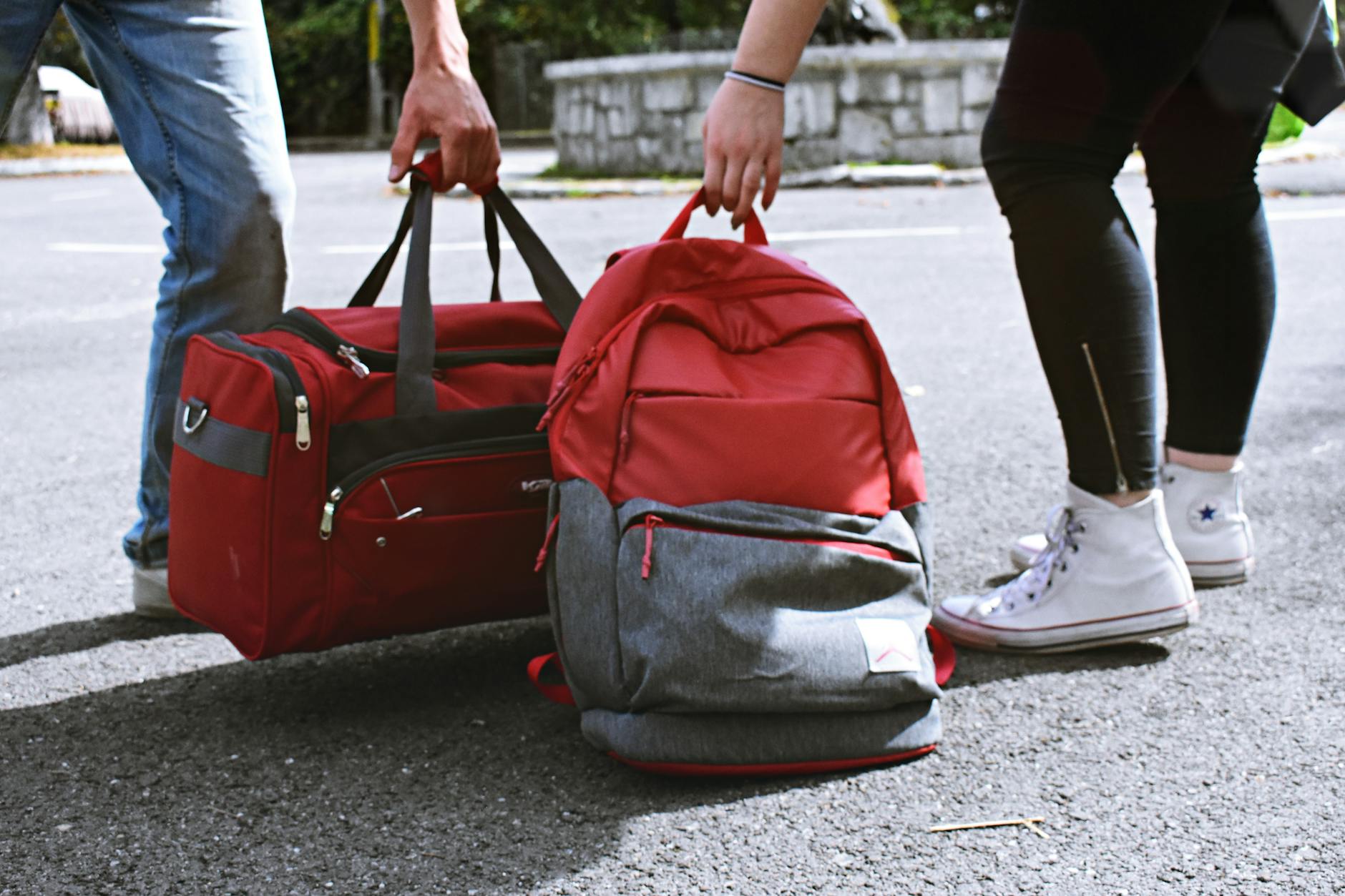
Implementing a 10-item capsule wardrobe for two-week travel periods represents a structured methodology for managing clothing needs. This framework aims to rationalize packing decisions and potentially optimize luggage volume. The focus on multi-functional garments and strategic layering is designed to support adaptability across diverse environments and mitigate the operational complexities often associated with extensive packing. This approach aligns with principles of resource efficiency in travel preparation.
Frequently asked questions
What about shoes and accessories?
For a two-week trip, we generally recommend two pairs of shoes: a primary comfortable, versatile walking shoe (e.g., minimalist trainers, durable walking sandals, or streamlined loafers) and a second pair for specific needs such as water activities, dressier occasions, or additional support. Accessories like a lightweight scarf, a compact hat, or minimal jewelry can significantly alter an outfit's perceived formality or aesthetic without adding substantial bulk to one's luggage.
How many underwear and socks are sufficient?
To maintain hygiene with a minimal wardrobe, we advise packing 4-5 pairs of quick-drying underwear and 3-4 pairs of socks. Materials such as merino wool or synthetic blends facilitate hand-washing and rapid drying, allowing for a rotation every 2-3 days.
What if a formal occasion arises during travel?
The versatility of the capsule wardrobe allows for adaptability. A button-up shirt combined with tailored travel pants or a versatile dress/skirt can often be elevated for smart-casual settings with the addition of a scarf or subtle accessories. For genuinely formal events, we consider the necessity of a single additional garment, which might be rented or acquired locally if the event's significance justifies it.
Is this capsule wardrobe suitable for extremely cold climates?
This 10-item capsule is designed to manage cool conditions through strategic layering. For truly cold environments, where temperatures consistently drop below freezing, additional specialized insulation layers (such as a down jacket, heavier thermal base layers, or insulated trousers) would be necessary additions, expanding the system beyond this core capsule to a more extensive modular packing approach.
Does this capsule wardrobe accommodate all personal styles and body types?
The foundational principles — versatility, fabric performance, and strategic layering — are universally applicable. The specific selection of garment styles and cuts should always be tailored to individual preferences, body types, and comfort. The core objective is functional adaptability rather than adherence to a strict fashion aesthetic.
Keep reading on Gently Yonder
- Carry-On Packing List for a 10-Day Japan Trip A 10-item capsule sized for Japan — plugs, cash, IC cards, and the right shoes.
- Beach Trip Packing Checklist Reef-safe sunscreen, packable hats, quick-dry towels — pack lighter for the tropics.
- Travel EDC Checklist Power bank, water bottle, sanitiser — the pocket setup that keeps your day moving.
- Airport Security Bag Rules What gets flagged at the X-ray belt and how to repack to avoid the bin.
- Japan Country Profile Eight-section country deep-dive: history, geography, society, and travel prep.
- Vietnam Country Profile Layered country profile from Đông Sơn drums to Đổi Mới reforms, with prep.