No one pays to be recommended here, and we say when a free or cheaper option wins. Our promise →
In this guide6 sections
The quiet anticipation of a journey can be a gift, not a hurried scramble. Over the next 48 hours, as we prepare for an international flight, let’s explore how to make the transition from home to your destination feel as calm as a slow morning.
The 25-step pre-flight checklist
0 of 25 done · 0% · progress saves on this device
48 hours before departure
24 hours before departure
The morning of your flight
At the airport
You’re flight-ready. Have a gentle journey. When you’re back, a 90-second trip report helps the next traveler →
Progress is saved only in your browser — nothing is sent to us. Liquid and battery rules follow current TSA / EU / UK guidance; bag-drop and check-in cutoffs vary by airline, so confirm yours.
Prefer the reasoning behind each step? The same 48 hours, unpacked at a calmer pace below.
48 Hours Out: Preparing with Purpose

With two full days ahead, this is a gentle window to confirm the anchors of your trip. It’s less about rushing, and more about deliberate, peaceful preparation, allowing each small step to build a steady groundwork for the journey to come.
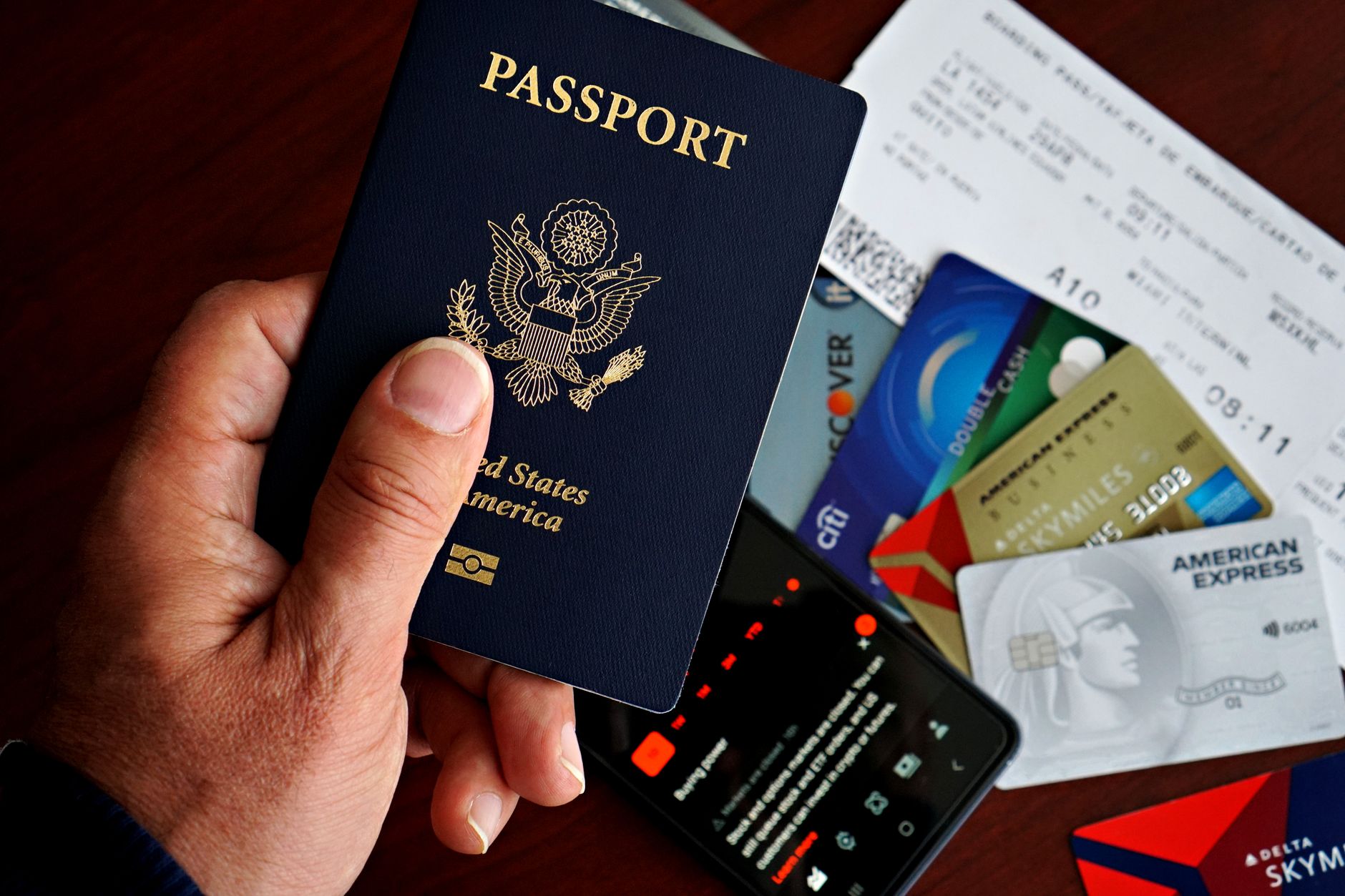
First, I always begin by physically locating my passport. There’s a quiet comfort in holding the small blue book, a tangible key to new horizons. A quick glance at its expiry date confirms it’s valid for at least six months beyond my planned return, a common requirement for many countries. Alongside this, I check any necessary visas or entry permits. These often exist as digital confirmations, but I find peace of mind in having a printed copy tucked into my travel folder, alongside a digital version saved to my phone and a cloud service. A small gesture, perhaps, but it saves a rush of searching later. For specific visa information, I always direct myself to the official government websites of the destination country; their guidance is the most reliable, and worth the extra moment to confirm.
This is also the ideal window to complete online check-in. Often, airlines open online check-in 48 hours out. This lets me choose a seat, confirm details, and save my boarding pass to my phone. For those of us traveling light, it means heading straight to security once at the airport, making the whole arrival much smoother. It’s a small convenience that contributes significantly to a relaxed airport experience, bypassing potential queues and allowing for more time to simply settle in before departure.
Next, I turn my attention to connectivity. If I’m using an eSIM, I make sure to install its profile over my reliable home Wi-Fi connection. It’s usually just a few taps in my phone’s settings, and doing it now means I avoid any frantic troubleshooting at a busy airport, where public Wi-Fi can be fickle. This way, I know I’ll have data the moment I land, allowing me to navigate, communicate, or simply share a first glimpse of my new surroundings without a moment’s worry. I prefer something like an Airalo travel eSIM for its flexibility and ease of switching between local networks, often at a better rate than traditional roaming — a subtle sense of self-reliance as I arrive.
Finally, I take a moment to confirm my travel insurance policy is active and accessible. Like a quiet companion, it’s there for comfort, even if its pages remain unturned. I make sure I know how to contact them should an unforeseen event occur. A quick review of the coverage details helps to reinforce a sense of security, much like knowing a friend is just a call away. A policy like EKTA travel insurance is a quiet reassurance for the unforeseen – a medical need, a missing bag, or a sudden change of plans. This simple acknowledgment allows me to fully embrace the unexpected joys of travel, knowing that practical care is in place.
24 Hours Out: The Gentle Art of Packing

As the clock gently shortens to a single day, my thoughts turn to the tangible: the art of packing. This isn’t about rushing items into a bag, but about a thoughtful arrangement, where everything I need is secure and settled, ready for the journey ahead. It’s a mindful process, ensuring each item has its place and purpose.
For me, traveling with just a carry-on means a mindful approach to the liquids rule. All liquids, aerosols, gels, creams, and pastes must be in containers no larger than 100ml (3.4 ounces) and fit comfortably into a single, transparent, quart-sized bag. I place this bag at the very top of my carry-on, or in an easily accessible outer pocket, ready for quick removal at security. It saves me fumbling, and keeps the flow gentle for everyone behind me, contributing to a smoother experience for all.
Spare batteries, power banks, and any devices with lithium batteries (like my laptop or tablet) are always packed into my carry-on, never in checked luggage. It’s a common safety measure, and knowing these items are with me brings a quiet peace. While I’m thinking about devices, I make sure everything is fully charged: phone, power bank, noise-cancelling headphones, and any other electronics. Few things disrupt the calm quite like settling into a long flight only to find a crucial device without power, especially if you rely on it for entertainment or essential information. A full charge is a small act of self-kindness.
With everything charged, I make sure my boarding passes are saved offline on my phone, and for good measure, I sometimes print a physical copy. Technology can be wonderfully helpful, but also wonderfully fickle. A physical backup means one less worry at the gate, offering a quiet certainty. I also do a final mental run-through of essential items: any specific medications, my universal travel adapter, and a small notebook and pen. These are the small comforts that make a big difference, creating tiny anchors of familiarity in a new environment.
The Morning Of: Leaving for the Airport

The day of departure holds a unique quiet. There’s a particular hush in the early morning before the city fully awakens, and I like to match that pace. This morning is about a quiet transition, from my familiar doorstep to the threshold of the airport gate, each step taken with intention and calm.
The first consideration is when to leave for the airport. There’s no single perfect answer here. I factor in the time of day, potential traffic in my city, the size of the airport, and whether I’m flying internationally. For an international flight, I generally aim to arrive three hours before departure, allowing for potential queues at bag drop (if needed), security, and the gentle walk to the gate. I always check real-time traffic updates before I leave, often using a ride-sharing app or public transit app to estimate travel time. My journey to the airport itself is part of the travel experience, and I prefer it unhurried, a gradual easing into the adventure.
At home, before I even step out the door, I arrange my carry-on with security in mind. My transparent liquids bag and my laptop are placed on top, ready to be easily removed for screening. This quiet preparation saves me time and a surge of stress at the security checkpoint, creating a smoother flow for myself and those around me. I try to ensure my pockets are empty of anything that might trigger a metal detector – keys, coins, or extra gadgets – placing them instead in my personal item bag before I enter the security line. This small act of mindfulness prevents any unexpected pauses or minor frustrations.
Once through security, I find my gate, but I don’t necessarily rush to it. I prefer to find a quiet corner, maybe a small cafe, to observe the rhythm of the airport, perhaps enjoy a light snack and a cup of coffee. I keep an eye on the departure boards for any gate changes or delays, allowing for flexibility and adaptability. Boarding often begins 30-45 minutes before departure. I aim to be nearby, but always unhurried. There’s a certain dignity in waiting calmly, observing the quiet theatre of travel unfold.
Staying Present: Before You Board

With boarding time gently approaching, I find a calm space near the gate. This is a moment for a final sip of water, a quiet scan of my documents, and a deep breath. I observe the varied faces of fellow travelers, each with their own story and destination. The airport, for all its bustle, holds a unique kind of human theatre, if you take the time to notice, a temporary community gathered on the cusp of journeys.
I keep my passport and boarding pass in a dedicated, easily accessible spot, like a front pocket in my bag, to avoid fumbling when it’s time to scan. This quiet organization smooths the moment of stress. I avoid the urge to buy last-minute trinkets or heavy meals, preferring instead to hydrate and perhaps read a few pages of a book I picked up from a local bookshop, a ritual that anchors me to the present moment and offers a gentle transition from one place to the next.
The process of boarding is often a gentle ballet of people finding their way. I let the initial rush subside, typically boarding when my zone is called, or slightly after, allowing for a more relaxed transition onto the aircraft. Once settled in my seat, I take a moment to look out the window, watching the ground crew, the other planes, and the world outside prepare to shrink beneath me. It’s a small ritual that marks the quiet beginning of the journey, a moment of reflection before lifting off.
What this means for your trip
Following a pre-flight checklist isn’t about rigid adherence or a quest for perfection. For me, it’s about cultivating a quiet confidence, an inner sense of readiness. By handling the practicalities in a thoughtful, phased way, I free up mental space. This space allows for observation, for noticing the small details of airport life, for a moment of quiet reflection and gentle anticipation before the flight.
It’s an invitation to approach travel not as a series of hurdles to overcome, but as a gentle unfolding, a mindful progression from one familiar space to a new one. When the necessary steps are taken with care and a calm presence, the journey itself can begin with a sense of quiet welcome, paving the way for the growth, wonder, and new perspectives that travel so generously offers.
Frequently asked questions
What should a pre-flight checklist for passengers include?
Five groups, in time order: documents (passport validity, visas or entry passes, offline copies), online check-in and seat selection, packing to security rules (liquids in 100 ml containers in one clear bag, batteries in the carry-on), charging and offline backups (boarding pass, maps, insurance details), and timing (about three hours at the airport before an international departure). The 25-step checklist above covers each group in tickable form.
Is this checklist only for international flights?
While many points apply to all flights, this guide is particularly mindful of the extra steps often needed for international travel, such as visa checks and specific customs regarding documents and liquids. Domestic flights may require fewer steps, but the peace of mind from being prepared remains valuable.
What if I can't check in online 48 hours before my flight?
Some airlines open online check-in 24 hours before departure, or have specific requirements. Always check your airline's policy. If online check-in isn't available or possible, plan to arrive at the airport earlier to complete the process at a counter, allowing ample time.
Where should I keep my passport and important documents while traveling?
I always keep my passport and boarding pass easily accessible, typically in a secure pocket within my carry-on or a travel wallet close to my person, especially when navigating the airport. Once seated on the plane, I secure them safely within my personal item bag.
What if I forget something important, like my travel adapter?
While a thorough checklist minimizes forgotten items, it's not a disaster if something slips through. Most major airports have shops where you can purchase essentials like adapters, and destinations often have readily available options. The goal is preparation, not perfection.
How much time should I allocate for airport security?
This can vary widely based on the airport, time of day, and destination. For international flights, I usually aim to be at the airport at least three hours before departure. Always check your specific airport's recommendations and factor in any potential delays, especially during peak travel times. Our dedicated airport security checklist can offer more specific guidance.
Keep reading on Gently Yonder
- Airport Security Checklist (12-Point Pre-Flight) A 12-point pre-flight verification covering documents, liquids, electronics, and prohibited items.
- Airport Security Liquids Checklist The 100ml rule made simple — containers, the clear bag, common rejections.
- Your First International Trip: A Calm Pre-Flight Checklist The reassuring first-timer's checklist — passport, entry rules, money, connectivity, and packing, without the overwhelm.
- Travel EDC Checklist Power bank, water bottle, sanitiser — the pocket setup that keeps your day moving.
- eSIM Setup for International Travel Phone compatibility, plan choice, and the activation order that avoids the airport scramble.
- Travel Insurance Compared SafetyWing vs World Nomads vs Genki — coverage, exclusions, and how to choose.