Seoul moves fast, but you don’t have to. Three days is enough for a first meeting with the city if you resist the urge to collect districts like stamps — pick a rhythm of one anchor per morning, one neighborhood per afternoon, and let the evenings happen to you. Here’s the shape I’d give it.
No one pays to be recommended here, and we say when a free or cheaper option wins. Our promise →
Day one: the old heart
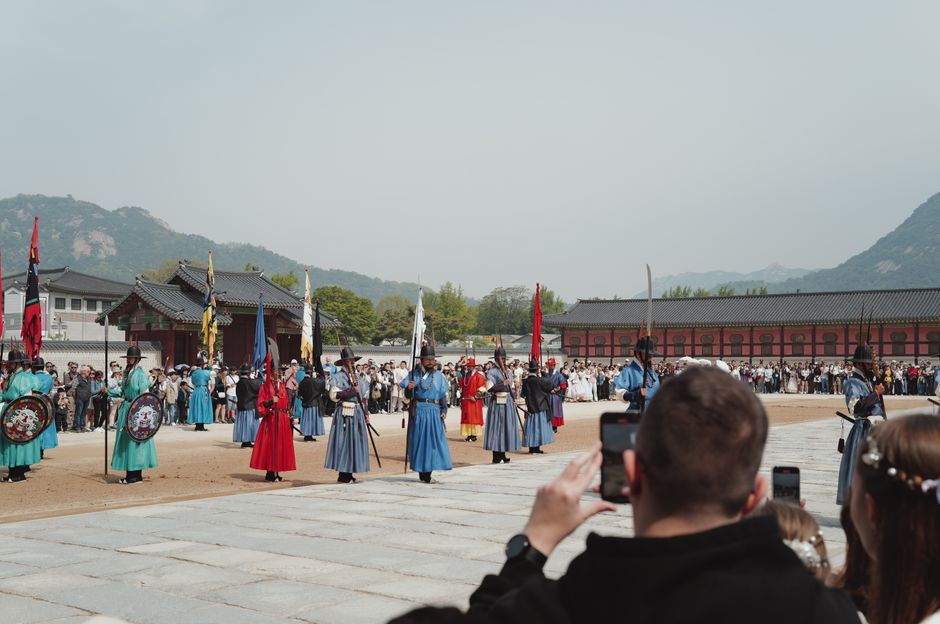
Start at Gyeongbokgung Palace when it opens, before the tour groups settle in — the changing-of-the-guard ceremony out front is worth timing your arrival around (check the current schedule; it pauses one day a week). From the palace, the lanes of Bukchon Hanok Village climb the hill next door: traditional wooden houses, still lived in, which is exactly why the signs ask for quiet — honor them and go early. Drift down into Insadong for tea houses and craft shops, and finish the evening at Gwangjang Market, shoulder to shoulder over bindaetteok and kimbap under the market’s yellow lights. It’s loud, glorious, and cash-friendly — carry some.
Day two: the view and the new city
Take the morning slowly up Namsan — walk or ride the cable car — for the N Seoul Tower view that assembles the whole city in one look. Afternoons belong to a newer Seoul: Myeongdong if you want the full-volume shopping and street-food version, or Seongsu if you’d rather have coffee where the city’s designers actually sit. In the evening, cross to Hongdae and let the university energy — buskers, night food, noise — carry you for a few hours.
Day three: choose your Seoul
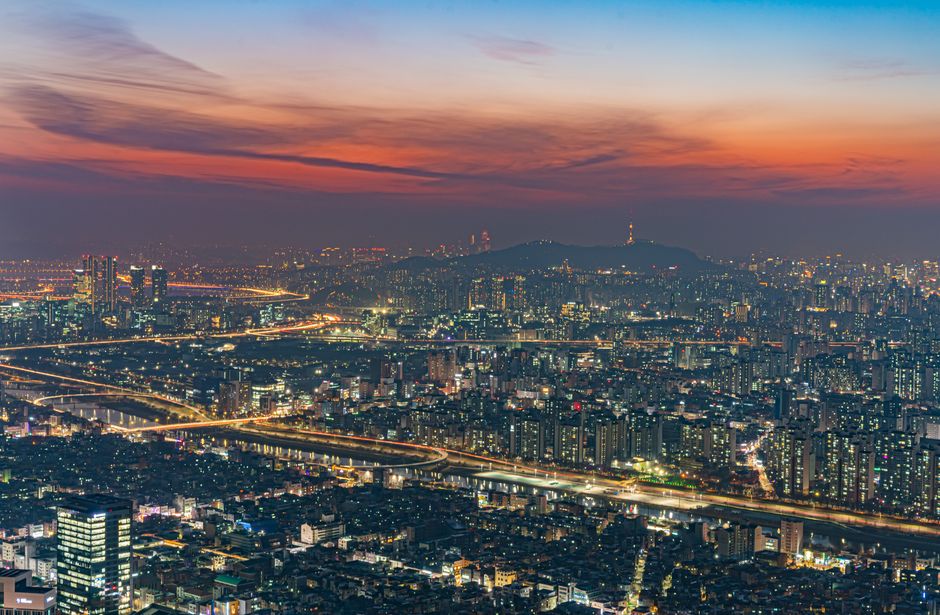
Day three is a fork. History: the war memorial and museum quarter rewards a slow morning. Style: the boutiques and galleries around Samcheong-dong. Appetite: a street-food crawl you plan around one market and zero apologies. Whatever you choose, keep the last evening simple — a walk along the Cheonggyecheon stream as the lights come on is the city’s own way of saying goodnight.
The practical spine
Get a T-money card on arrival — it runs the subway, buses and convenience stores, and Seoul’s subway is the easiest way to hold the whole plan together. Data matters more here than most places because the city runs on Naver Map and KakaoMap rather than Google Maps — install one before you fly, and set up your data with our Korea eSIM guide so it works from the arrivals hall. Palace entries are inexpensive; the experiences that do sell out — day trips to the DMZ especially — are easiest to lock in ahead on Klook (or VELTRA for locally operated tours).
For a base that suits these three days, where to stay in Seoul compares five areas and names 12 hotels.
Three days won’t finish Seoul; nothing will. But done unhurriedly, they’ll give you the thing worth having — a feel for the city’s tempo, and a reason to come back for the rest.
Frequently asked questions
Is 3 days enough for Seoul?
Enough for a real first meeting: the historic core, one great view, two or three neighborhoods and the market food. It won't finish the city — treat it as a first pass that tells you what to come back for.
Do I need a T-money card in Seoul?
It's the practical answer for the subway and buses and works at convenience stores too. Buy and top it up at any convenience store or station machine on arrival.
Does Google Maps work in Seoul?
Only partially — walking and driving directions are limited in Korea. Locals use Naver Map or KakaoMap, both with English interfaces. Install one before you fly.
What should I book in advance for Seoul?
Most palaces and neighborhoods need nothing, but structured experiences — DMZ day trips above all — sell out and are worth locking in ahead once your dates are fixed.
Is Seoul expensive to visit?
Generally gentler than Tokyo for food and transit: market meals and subway fares keep daily costs reasonable, with hotels the biggest variable by season and neighborhood.
Keep reading on Gently Yonder
- Airalo vs Holafly vs Saily — The three big travel eSIM providers compared — coverage, pricing, and who each suits.
- Best eSIM for Japan, Korea & Vietnam — Destination-by-destination eSIM picks for three popular Asian countries.
- Pocket WiFi vs eSIM — Which connectivity option wins — solo vs group, cost, battery, and setup compared.
- Hotel Booking Sites Compared — Hotels.com, Booking.com, Trip.com, Agoda — what each is genuinely good for.
- Travel Insurance Compared — SafetyWing vs World Nomads vs Genki — coverage, exclusions, and how to choose.
- Japan Country Profile — Eight-section country deep-dive: history, geography, society, and travel prep.