Melbourne is the quiet achiever of Australia’s big cities — less about a single postcard sight, more about a texture you sink into: coffee, laneways, bluestone alleys, galleries, sport, and a café on what feels like every corner. Sydney has the harbour and the drama; Melbourne has the atmosphere, and it rewards wandering far more than ticking off. On a first visit the pace is the point, so slow down, get a coffee, and let the city reveal itself. Two small things set you up from the start: a travel eSIM so maps and the tram apps work the moment you land, and — for the day trips and gallery tickets that are simplest arranged ahead — a browse of Klook or KKday.
No one pays to be recommended here, and we say when a free or cheaper option wins. Our promise →
In this guide9 sections
- The shape of the city
- Getting in, and getting around
- Coffee, food, and the art of the café
- Street art, galleries, and the river
- Sport, which is close to religion here
- Arcades, the State Library, and the bay beyond St Kilda
- The weather, honestly
- A gentle first-trip shape, and the day trips
- Frequently asked questions
The shape of the city
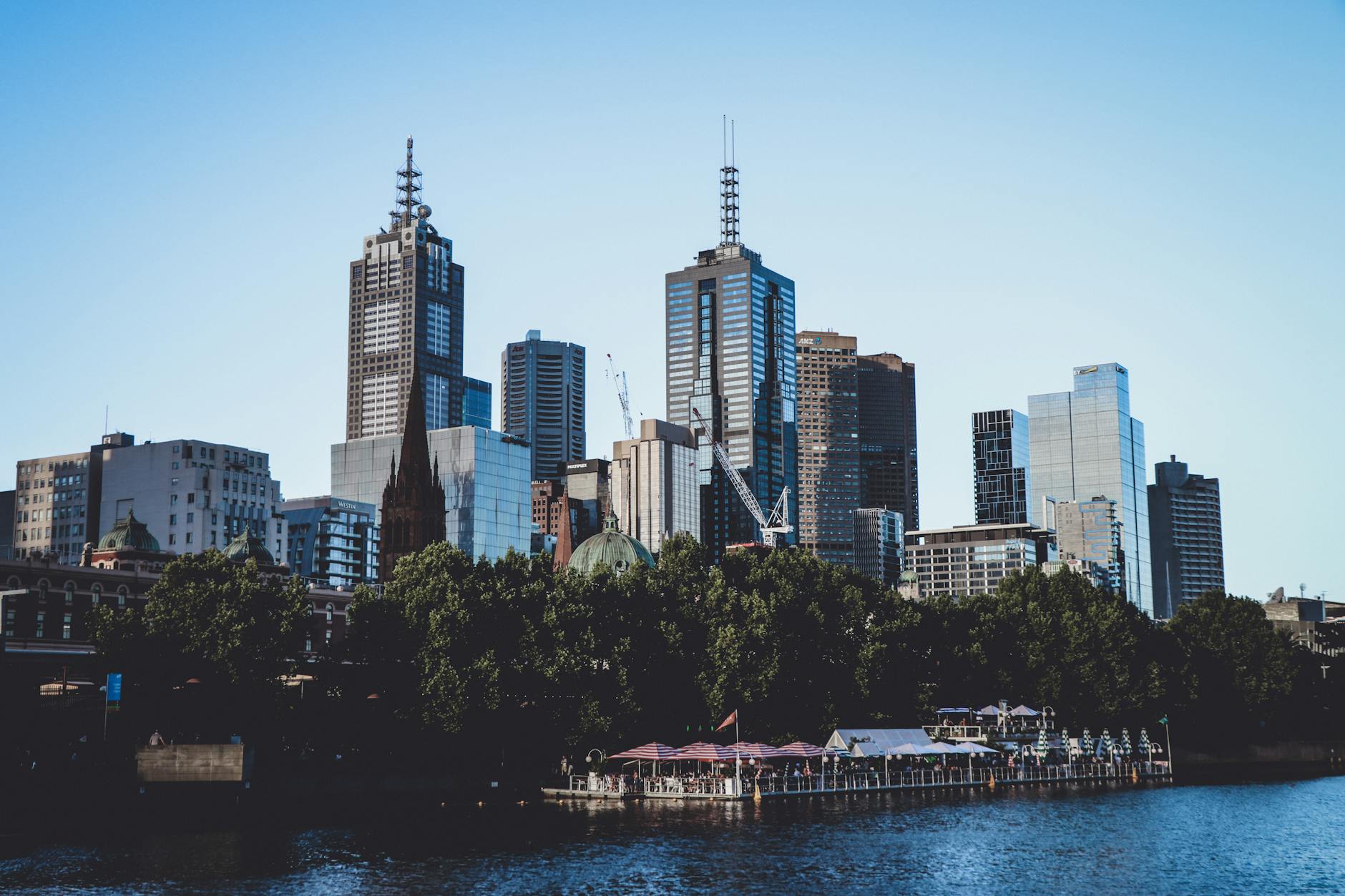
Melbourne is built on an orderly grid beside the Yarra River, and the CBD is where a lot of the magic hides — not on the main streets, but in the laneways threaded between them, full of coffee, street art, and hole-in-the-wall bars. The trams tie it all together, and one loop of the free City Circle heritage tram is the classic orientation.
Where to stay in Melbourne compares the CBD, Southbank, Fitzroy, St Kilda and South Yarra and names 12 hotels.
Around the centre sit the neighbourhoods worth knowing. Fitzroy — Brunswick Street and Gertrude Street — is the bohemian, café-and-vintage, live-music north, and my usual first recommendation for its atmosphere. Neighbouring Collingwood brings breweries and galleries. Carlton, along Lygon Street, is Italian Melbourne and the university quarter. Richmond, particularly Victoria Street, is “Little Saigon” — some of the best Vietnamese food in the country. Southbank holds the arts precinct along the river. And St Kilda, on the bay, brings a faded-seaside charm. Base yourself in the CBD for convenience, Fitzroy for character, or St Kilda for the beach.
Getting in, and getting around
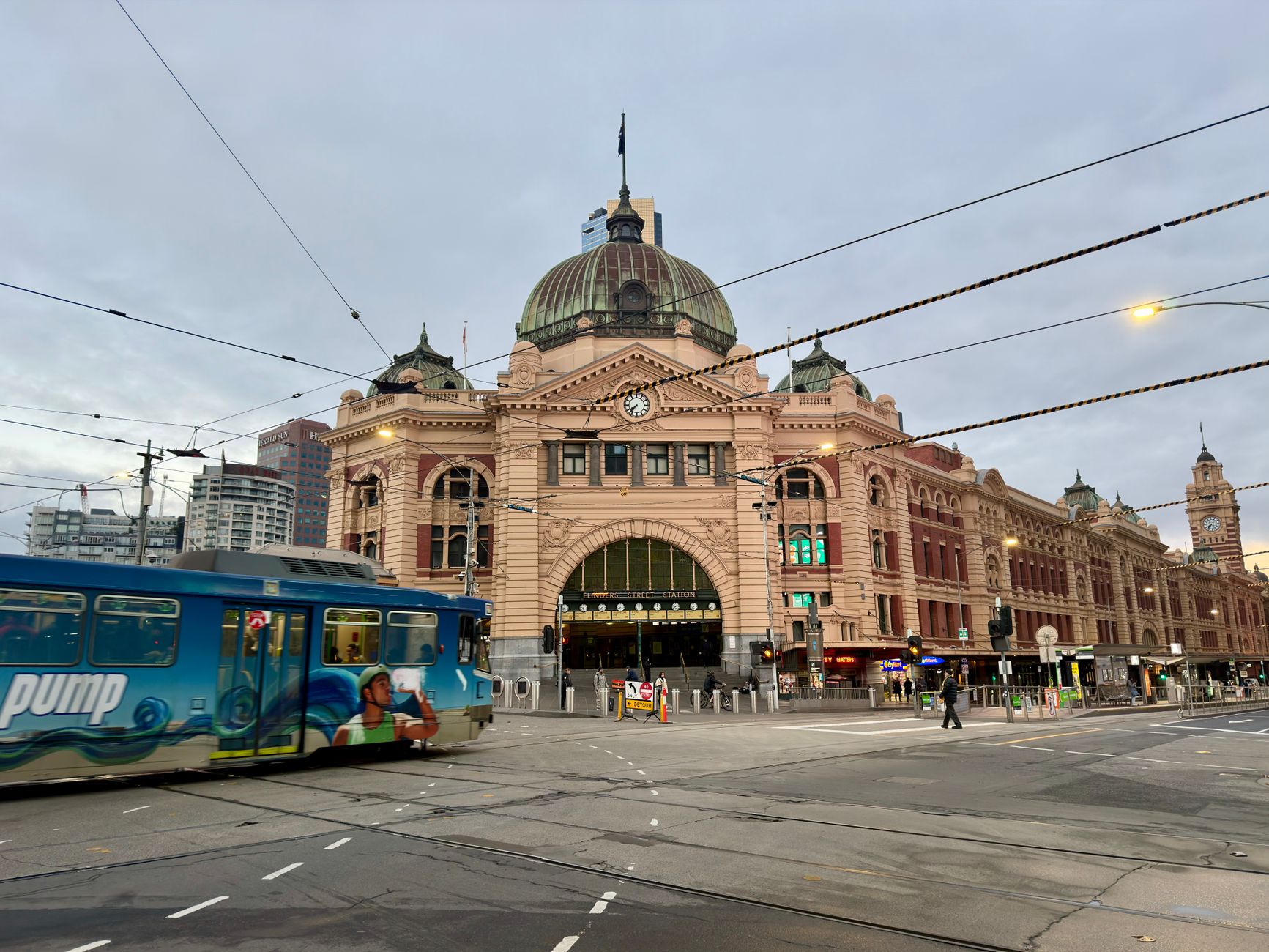
Melbourne’s pride is its tram network — the largest in the world — and, crucially, it is free within the CBD’s Free Tram Zone, which makes the centre wonderfully easy: just hop on and off. Beyond that zone you tap a Myki card on trams, trains, and buses (on a full fare you can also tap a contactless Visa or Mastercard, phone or watch instead). From Melbourne Airport (Tullamarine), there’s no train yet — the frequent SkyBus express runs into the city, with taxis, rideshare, or a pre-booked private pickup as alternatives. Our Getting Around Melbourne guide has the detail.
Coffee, food, and the art of the café
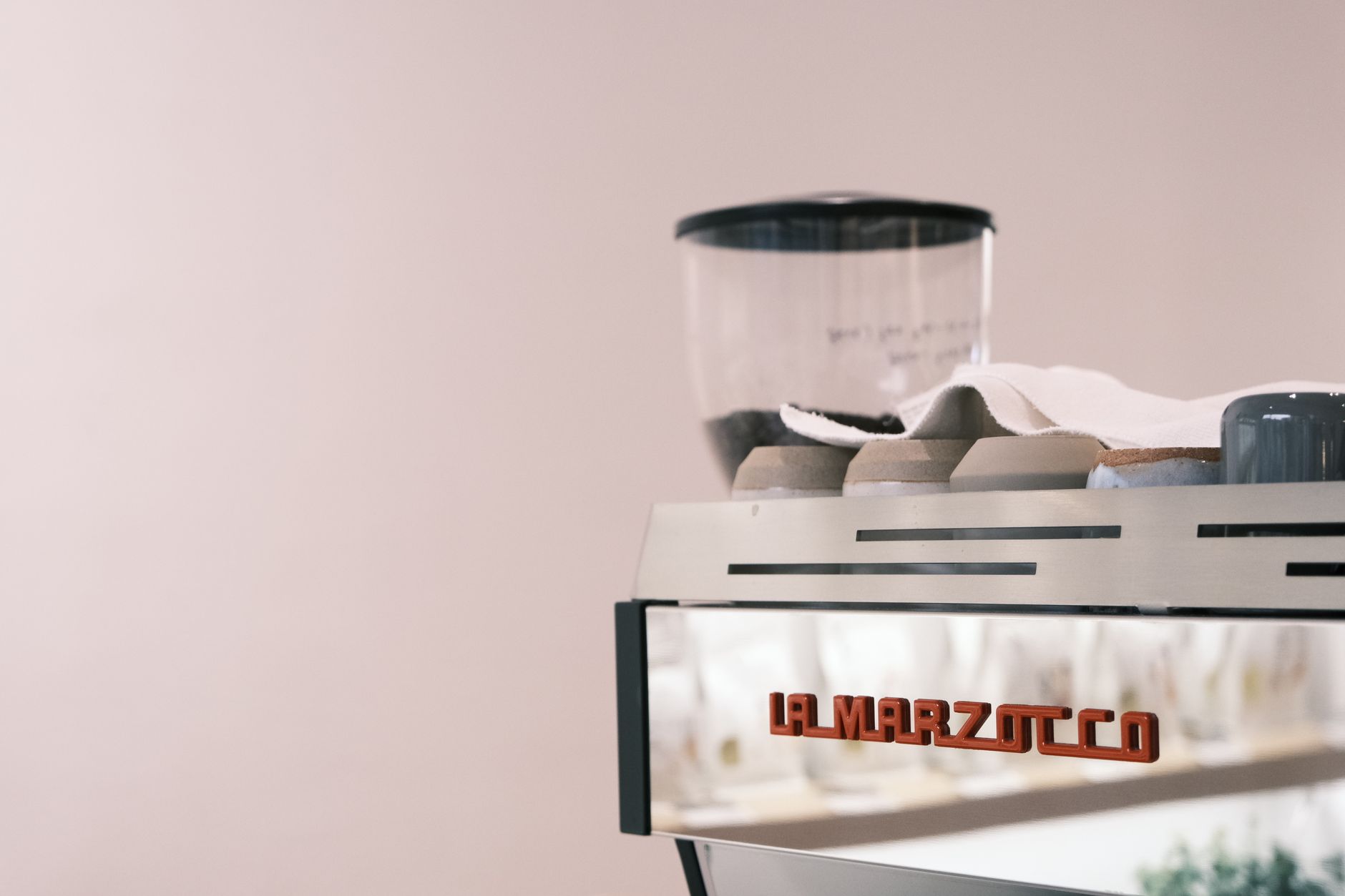
It would be honest to say Melbourne takes its coffee more seriously than almost anywhere on earth, and the café is a genuine institution — a flat white and a slow morning is a completely legitimate plan. Duck down Degraves Street or Centre Place for the classic laneway-café experience, elbow to elbow with the city. The food is gloriously multicultural: Italian on Lygon Street, Vietnamese on Victoria Street, hawker flavours and dumplings in Chinatown, and Greek along Lonsdale Street. The Queen Victoria Market — produce halls, delis, street food, and a summer night market — is the place to graze and feel the city’s pulse. And the brunch culture here is close to a competitive sport; lean into it.
Street art, galleries, and the river

Melbourne’s most-photographed corner is Hosier Lane, its bluestone walls a constantly changing gallery of street art just off Federation Square — and the surrounding lanes (AC/DC Lane among them) reward a slow wander. Federation Square itself is the modern civic heart, and the riverside walk from here past Southbank is lovely in the evening. The crown, though, is the National Gallery of Victoria (NGV) — the country’s oldest and most-visited gallery, free to enter for the permanent collection, with the stained-glass Great Hall ceiling worth lying down for. Nearby, the Royal Botanic Gardens roll toward the river for an hour’s reset.
Sport, which is close to religion here
Melbourne is a sport city in a way that shapes its calendar. The Melbourne Cricket Ground (MCG) is nearly sacred — a stadium tour, or a summer cricket match or a winter AFL game, is a real window into the local soul. In January the Australian Open takes over Melbourne Park; the first Tuesday in November stops the entire state for the Melbourne Cup. If your dates line up with any of it, go.
Arcades, the State Library, and the bay beyond St Kilda
Between the laneways, the ornate Block Arcade and Royal Arcade are 19th-century, glass-roofed shopping passages worth walking through. For more street art, Union Lane sits close to Hosier Lane and AC/DC Lane.
A few blocks north of Federation Square, the State Library Victoria is free to enter, and its domed La Trobe Reading Room is one of the loveliest interiors in the country. At Federation Square itself, the Ian Potter Centre is devoted to Australian art.
Above the Royal Botanic Gardens, the Shrine of Remembrance stands on the rise, an easy addition to an NGV-and-gardens afternoon.
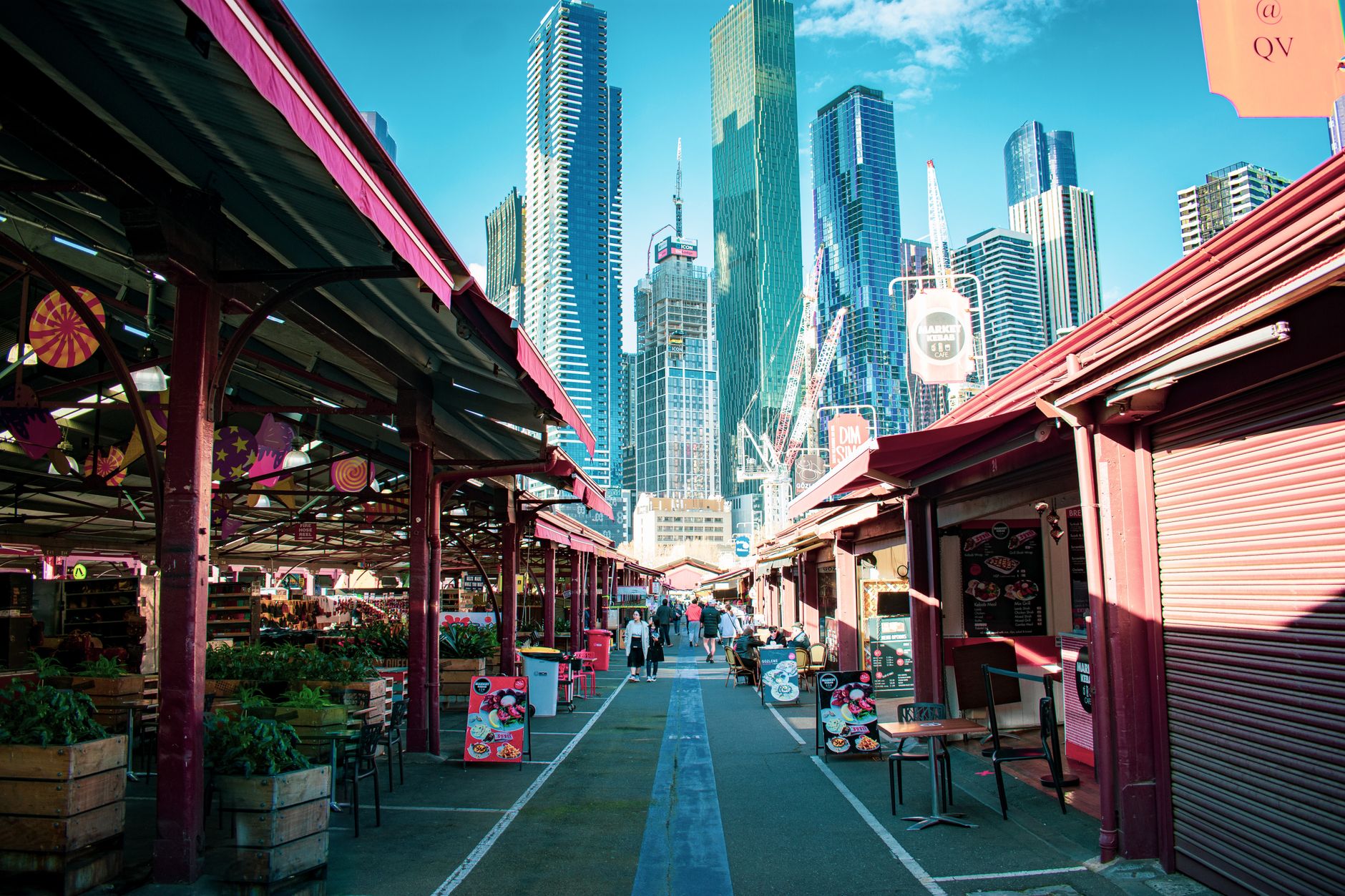
At Queen Victoria Market, the deli hall is the place for cheese and smallgoods. Go hungry and, if you can, early. In summer a Wednesday night market adds food stalls and bars; check current dates before planning around it.
St Kilda rewards a slow afternoon: the beach and St Kilda Pier, the old Luna Park with its grinning-face entrance, and the cake shops of Acland Street. If you stay for the little penguins on the breakwater at dusk, keep quiet and use no flash. A little further round the bay, the candy-coloured Brighton Bathing Boxes are the postcard view.
If no match fits your dates, the MCG still offers a stadium-and-museum tour. And on a Yarra Valley day trip, the Healesville wildlife sanctuary pairs naturally with the wineries.
The weather, honestly
Melbourne is famous for “four seasons in one day,” and the honest advice is to pack layers whatever the forecast says — a sunny morning can turn to wind and rain by lunch and back again. Autumn (March–May) and spring (September–November) are the most reliable and pleasant; summer is warm and the events season; winter is cold, grey, and secretly cosy, and the coffee helps. Check a current forecast close to your dates — then bring a jacket anyway.
A gentle first-trip shape, and the day trips
A relaxed first visit might be: a day wandering the CBD laneways, Federation Square, the NGV, and the river; a day among the northern neighbourhoods — Fitzroy and Carlton — for coffee, food, and galleries; a day out at St Kilda and the bay, with its little penguins on the breakwater at dusk; and a big day trip. The headline is the Great Ocean Road, the dramatic coastal drive to the Twelve Apostles, easily done as a guided day tour if you’d rather not drive; the Yarra Valley wineries and Phillip Island‘s penguin parade are the other classics.
Melbourne asks you to slow down and pay attention, and gives back a city that reveals itself in small, good things — a laneway, a flat white, a gallery, a tram gliding past in the rain. Get connected, learn the free trams, and let it surprise you.
Frequently asked questions
Are Melbourne's trams free?
Within the CBD's Free Tram Zone, yes — trams are free, which makes the centre very easy to get around. Beyond that zone you tap a Myki card on trams, trains, and buses.
How do I get from Melbourne Airport to the city?
There is no airport train yet; the SkyBus runs frequently into the city, with taxis, rideshare, or a pre-booked private pickup as alternatives. From the centre, the Free Tram Zone then makes getting around simple.
When is the best time to visit Melbourne?
Autumn (March–May) and spring (September–November) are the most reliable and pleasant. Melbourne is famous for changeable 'four seasons in one day' weather, so pack layers whatever the forecast, and check a current forecast close to your dates.
What is Melbourne known for?
Coffee and café culture, laneways full of street art and small bars, multicultural food, galleries and the arts, and a serious sport culture. It rewards wandering and slowing down more than ticking off a list of sights.
Keep reading on Gently Yonder
- Where to Stay in Melbourne Five areas and 12 hotels, and why the Free Tram Zone should decide your base.
- Getting Around Melbourne Trams, Myki and the Free Tram Zone, and the SkyBus from the airport.
- Melbourne Airport to the City SkyBus, rideshare or the budget way: time, cost and luggage compared.
- Best eSIM for Australia (2026) How to choose an Australia travel eSIM — coverage beyond the cities, data sizing, and the honest pick for a short trip.