Osaka, to me, unfolds best through its flavors and the warm hum of its streets. For a first visit, three days offers a chance to taste its renowned street food, wander through iconic neighborhoods, and find pockets of calm. It’s less about racing through a list and more about embracing the city’s inherent energy at a comfortable pace.
No one pays to be recommended here, and we say when a free or cheaper option wins. Our promise →
In this guide6 sections
- Day One: Dotonbori’s Electric Glow and Street Food Reverie
- Day Two: Market Life, Castle Serenity, and Shinsekai’s Distinct Charm
- Day Three (Option A): A Quieter Morning in Nakanoshima and Riverside Calm
- Day Three (Option B): Universal Studios Japan for Theme Park Enthusiasts
- Finding Your Rhythm in Osaka
- Frequently asked questions
Choosing a base for these three days? Where to stay in Osaka compares Namba, Umeda, Nakanoshima, Tennoji and the bay, and names 10 hotels.
Day One: Dotonbori’s Electric Glow and Street Food Reverie
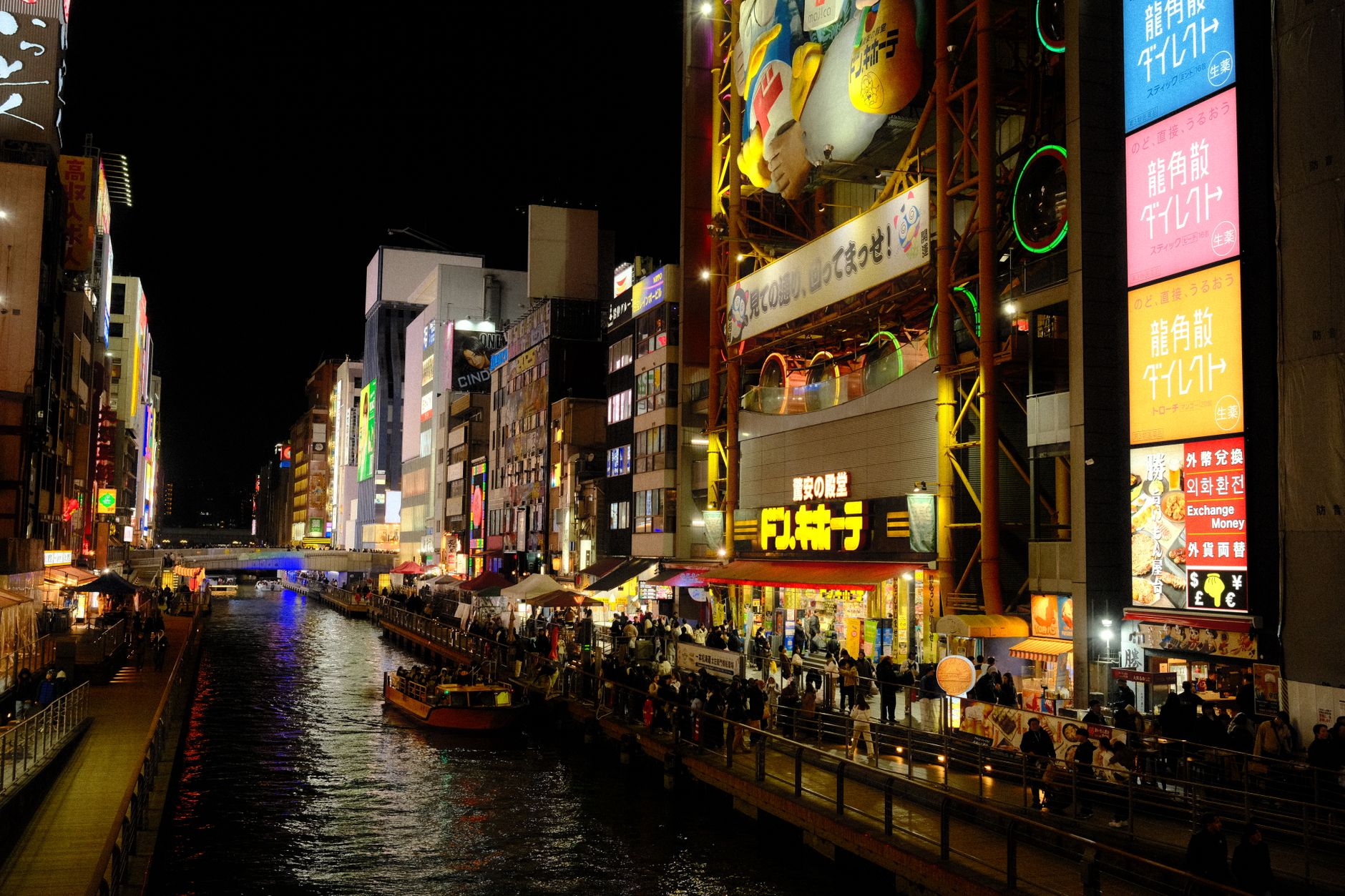
My first steps in Osaka always feel like wading into a vibrant, delicious current. My initial evening often begins by simply walking through Dotonbori. Neon signs glow shoulder-to-shoulder, rhythmic calls drift from food stalls, and a steady stream of people moves through an atmosphere that is unmistakably Osaka. The city, here, proudly wears its appetite on its sleeve, inviting you in with its immediate warmth and bold flavors.
I find myself drawn to the small carts and open-fronted shops, each dedicated to a particular craft. The scent of sizzling batter and savory broths hangs in the air, a constant invitation. Takoyaki, those perfectly spherical octopus balls, are a quintessential start. Watching them made, each one flipped with practiced precision, is part of the joy. I always order a small plate, letting them cool just enough to not burn my tongue, enjoying the soft interior and the crisp exterior with a drizzle of sauce and bonito flakes. Another favorite is kushikatsu, skewers of various meats and vegetables, delicately breaded and deep-fried. The etiquette is simple: dip once into the communal sauce, no double-dipping allowed. It’s a friendly, communal way to eat, standing alongside others, sharing in the simple pleasure of good food.
Walking along the canal, watching the boats glide by, and taking in the sheer scale of the Glico Man sign above, I realize Osaka isn’t a city that whispers. It invites you in with open arms and a plate of something delicious. It’s a place to linger, to observe, and to simply be present in the flow.
Day Two: Market Life, Castle Serenity, and Shinsekai’s Distinct Charm

Mornings in Osaka, for me, often begin with a visit to a market. Kuromon Ichiba Market, often affectionately called “Osaka’s Kitchen,” holds a different kind of energy from Dotonbori. Here, everyday life simply hums along: a working market bustling with fresh produce, glistening seafood, and a satisfying mix of traditional and modern snacks. I enjoy walking slowly through the aisles, observing the vendors interacting with their customers, and sampling small bites. Freshly grilled scallops, perfectly ripened fruit, or a local pastry can make for a delightful breakfast as I wander, soaking in the genuine rhythm of the city.
From the market, a shift in pace leads to the dignified expanse of Osaka Castle. The castle grounds themselves are a beautiful place for a long walk, especially in the gentle light of morning. The formidable stone walls and surrounding moats convey centuries of history, yet the grounds welcome quiet exploration rather than overwhelming with grandeur. I often spend time simply walking around the perimeter, noticing the change in the light on the turrets, and observing the people who come here for their morning strolls or to simply sit and reflect. While the main castle tower is impressive, the real beauty, for me, is in the park-like setting and the quiet sense of endurance it offers. There’s a particular hush to the castle grounds that contrasts beautifully with the market’s lively chatter.

In the afternoon, Shinsekai offers a charming step back in time. This neighborhood, literally meaning “New World,” has a distinctly retro atmosphere, with its towering Tsutenkaku Tower and the whimsical Billiken statues said to bring good luck. It feels like a living museum, a place where the past is playfully present, inviting a sense of nostalgia even for first-time visitors. The streets are lined with more kushikatsu restaurants, arcade parlors, and shops selling nostalgic trinkets.
I enjoy simply strolling here, noticing the intricate signs, the old-fashioned storefronts, and the general character of the place. The view from Tsutenkaku Tower offers a different perspective on Osaka – a panorama of the city sprawling out in every direction, dotted with the familiar landmarks I’ve already visited. It’s not a view of towering skyscrapers but of a working city, with its blend of older buildings and newer developments. Shinsekai reminds me that every city holds layers of stories and distinct personalities, waiting to be uncovered simply by wandering. It’s a place that asks you to slow down and observe its unique details.
Day Three (Option A): A Quieter Morning in Nakanoshima and Riverside Calm

Some mornings call for a different rhythm entirely. For those who prefer a quieter start, or if the energy of the previous days calls for a gentle recalibration, Nakanoshima is a wonderful respite. This long, narrow island, cradled by the Dojima and Tosabori rivers, provides a tranquil pause from the city’s more bustling corners. It’s home to elegant parks, a rose garden, and several impressive public buildings, including the Osaka Central Public Hall.
I enjoy walking along the riverside paths here, perhaps with a coffee from a local café, watching the water flow by. The distinct architecture here, a blend of classical and modern, quietly tells the story of Osaka’s past as a hub of commerce and culture. It’s a place to simply sit on a bench, read a book, or observe the local office workers enjoying their breaks, perhaps even catching the soft glint of sunlight on the water. The light here, softened by the river, often invites a quiet moment of contemplation. It allows for a morning of gentle exploration, a moment to reflect on the experiences of the trip so far, before perhaps heading back to a favorite neighborhood for a final meal.
Day Three (Option B): Universal Studios Japan for Theme Park Enthusiasts

If a day of thrilling rides and imaginative worlds aligns with your travel interests, Universal Studios Japan could be a memorable choice for your third day. If theme parks resonate with your travel style, a full day at Universal Studios Japan can be a lively and engaging experience, with its distinct attractions and spirited atmosphere. The park is known for its detailed themed areas and exhilarating rides, drawing visitors into fantastical settings.
It’s important to note that Universal Studios Japan, especially popular zones like The Wizarding World of Harry Potter or Super Nintendo World, often operates with timed-entry passes to manage crowd flow within the park. These passes, along with general admission tickets, can sell out, particularly during peak seasons or on weekends. To ensure entry and make the most of your day, it is highly recommended to book your tickets and any necessary Express Passes well in advance of your visit. Booking ahead can often smooth your entry, helping you secure specific times and bypass long lines. This can save you significant time queuing and guarantee access to popular areas. I generally find that using a reliable online platform makes this process smoother. KKday (or VELTRA for locally operated tours) is one option many travelers use for pre-booking. If theme parks aren’t your preference, this third day could instead be spent revisiting a favorite Osaka neighborhood, exploring a local museum, or even considering a relaxed day trip to a nearby city like Nara for its deer park and temples.
Finding Your Rhythm in Osaka

Osaka, in its essence, is a city that rewards an open mind and a ready appetite. It might not have the serene temples of Kyoto or the dizzying skyscrapers of Tokyo, but it possesses an undeniable character and a warmth that is entirely its own. My three days in Osaka always leave me with a sense of its unpretentious charm, its passion for good food, and the easygoing rhythm of its daily life.
What this means for your trip is that there’s no single “right” way to experience Osaka. Allow yourself to be guided by curiosity, to linger over a plate of takoyaki, to walk an extra block down a promising street, or to simply sit and watch the world go by from a café window. The true beauty of Osaka, I find, isn’t in ticking off a checklist, but in embracing its lively spirit and finding your own gentle connection to its unique pulse. It’s a place that reminds you to savor each moment, each flavor, and each quiet observation.
If USJ is your day three, the express passes belong on the sell-out tickets calendar; pairing Osaka with the capital? Our Tokyo 5-day itinerary and Kyoto autumn guide complete the route.
Frequently asked questions
Is Osaka easy to navigate for a first-time visitor?
Osaka's public transport system, primarily its extensive train and subway lines, is very efficient and well-signposted in English, making it straightforward to get around. Many key areas are also quite walkable, allowing for a slower pace of discovery.
What kind of food should I prioritize trying in Osaka?
Osaka is celebrated for its street food. Don't miss takoyaki (octopus balls), okonomiyaki (savory pancakes), and kushikatsu (deep-fried skewers). Kuromon Ichiba Market also offers fresh seafood and local snacks.
Is Universal Studios Japan worth visiting if I only have three days?
Universal Studios Japan can be a memorable day for those who enjoy theme parks, but it does take up a full day. If you prefer to delve deeper into local culture, food, and neighborhoods, you might consider spending that third day exploring more of Osaka or taking a shorter day trip.
How can I avoid crowds in popular Osaka areas like Dotonbori?
While Dotonbori is inherently lively, visiting earlier in the morning or later in the evening (after peak dinner rush) can offer a slightly less crowded experience. For places like Osaka Castle, arriving right at opening time can help you enjoy the grounds in relative quiet.
What's the best way to connect with local life in Osaka?
Beyond the main attractions, I find that walking through residential neighborhoods, browsing local shotengai (covered shopping streets), frequenting small cafés, and simply observing daily routines are wonderful ways to feel a connection to the city's pulse.
Keep reading on Gently Yonder
- Osaka: The Places Worth Your Time Osaka Castle, Dotonbori, Shinsekai's kushikatsu, Universal Studios, and a Nara day trip.
- Osaka: A First-Timer's Guide Osaka Castle, Dotonbori, the street food, and an easy day trip to Nara.
- Osaka or Kyoto: Choosing Your Kansai Base Two very different home bases compared — cost, food, day trips, and atmosphere.
- Are Japan's City Sightseeing Passes Worth It? The Tokyo, Osaka and Kyoto passes run through the arithmetic — when they pay off.
- Tokyo to Kyoto: Shinkansen vs Flight vs Bus Price, time and comfort compared honestly — and when the plane actually wins.
- Where to Stay in Osaka Namba or Umeda? Five areas and 10 hotels, from Dotonbori to the park gates of USJ.