Kuala Lumpur is Southeast Asia’s great crossroads made visible — a skyline of glass and steel rising over Malay mosques, Chinese temples, and Indian bazaars, where the food alone justifies the trip. It is modern, affordable, easy to navigate, and refreshingly uncrowded compared with the region’s headline cities. A couple of days delivers icons, culture, and some of the best eating in Asia. Here are the places worth your time. Two things smooth the trip: a travel eSIM so Grab and maps work on arrival, and a browse of Klook or KKday for the Petronas skybridge tickets and Batu Caves or Genting tours, which are cheaper booked ahead.
The Petronas Towers
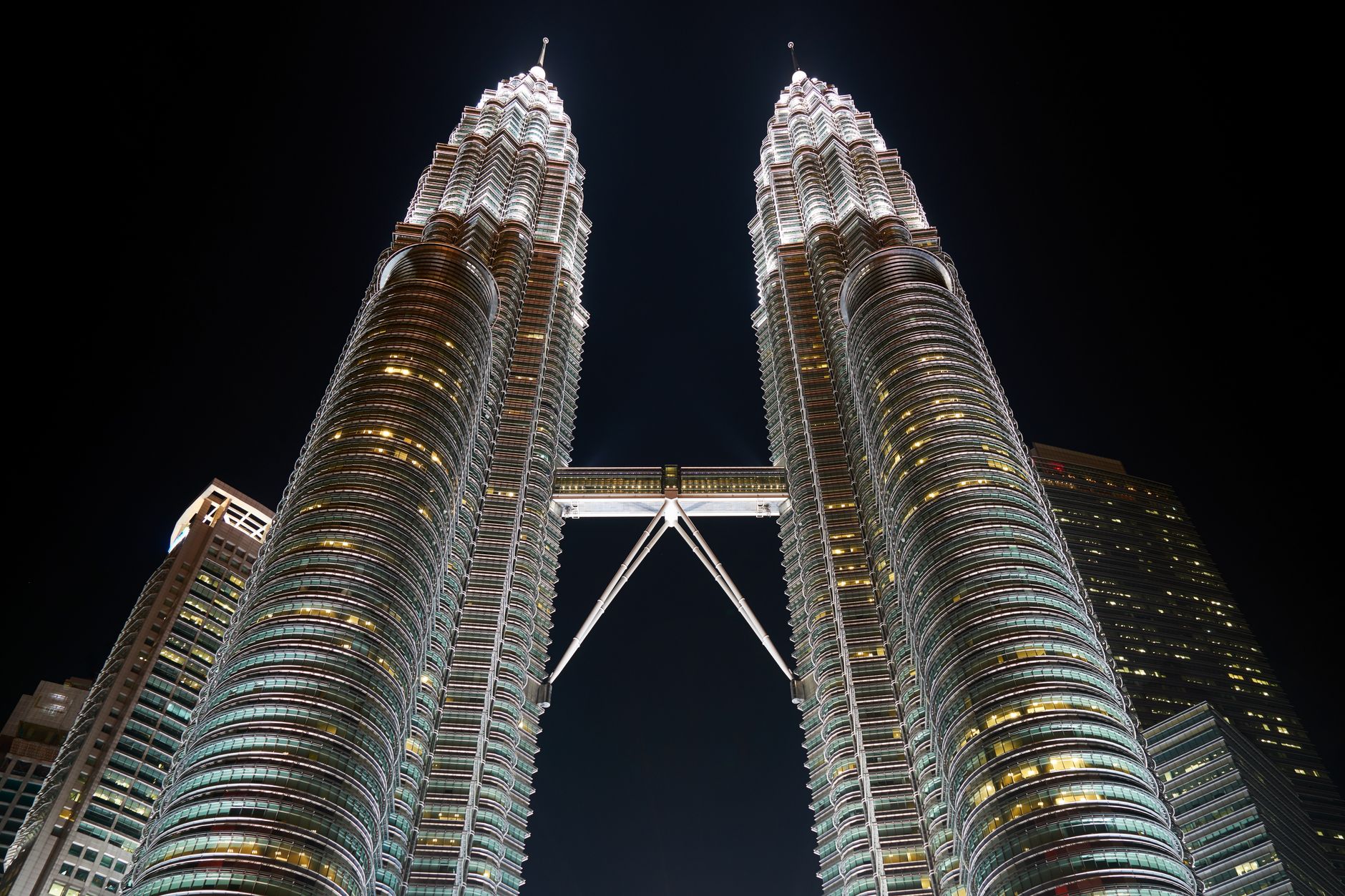
The city’s emblem, the Petronas Twin Towers, still stun in person — 452 metres of stainless-steel Islamic geometry, best seen twice: by day from the KLCC Park fountains below, and after dark when they glow against the sky. Book ahead to walk the Skybridge and the observation deck. At their feet, the Suria KLCC mall and the excellent Aquaria KLCC fill an easy afternoon, and the park’s evening light-and-water show is free.
Batu Caves
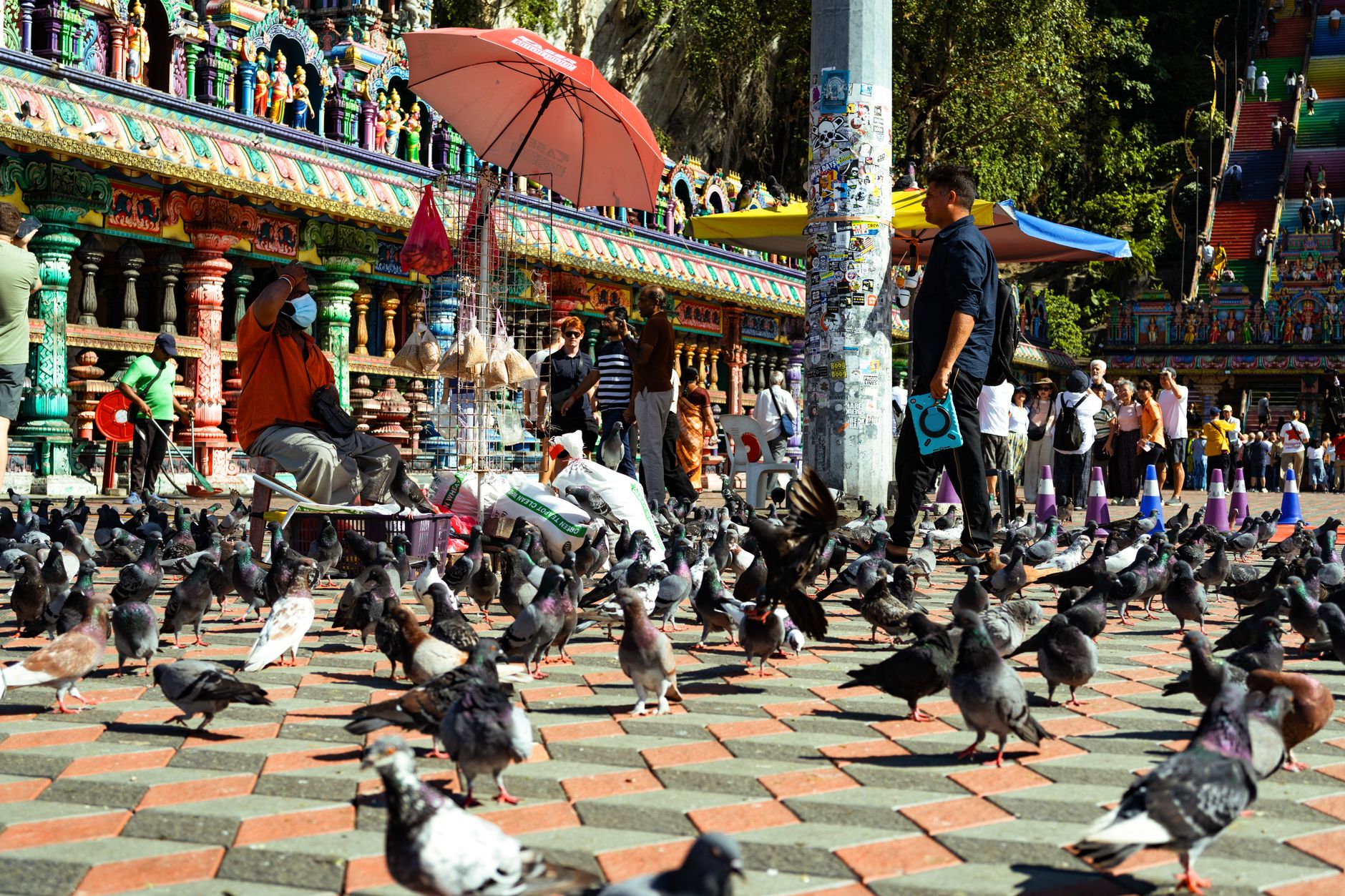
Just north of the city, Batu Caves is unforgettable — a 272-step staircase painted in rainbow colours climbs past the towering golden statue of Lord Murugan into a vast limestone cavern housing Hindu shrines. Go early to beat the heat and the crowds (and mind the cheeky macaques). During the Thaipusam festival it becomes one of the most extraordinary religious spectacles in Asia.
The colonial and cultural core

Old KL clusters around Merdeka Square, where independence was declared, framed by the Moorish domes of the Sultan Abdul Samad Building. Nearby, the vibrant Central Market sells crafts under one roof, and Petaling Street anchors a bustling Chinatown of bargain stalls and temples. For depth, the superb Islamic Arts Museum — one of the finest of its kind anywhere — and the serene National Mosque (Masjid Negara) reward a slower morning.
Views and the towers beyond

For the classic postcard of the Petronas Towers themselves, ride up the KL Tower (Menara KL), whose Sky Deck and Sky Box give the city’s best 360-degree panorama from a forested hill. Around it, the KL Forest Eco Park preserves a patch of rainforest with a canopy walkway right in the city centre — a surprising green pause between the skyscrapers.
Eating Kuala Lumpur
KL may be the most underrated food city in Asia, precisely because it blends three cuisines. Seek out nasi lemak (coconut rice, the national breakfast), char kway teow, fragrant Hokkien mee, banana-leaf South Indian thalis in Brickfields (Little India), and the roti and teh tarik of a late-night mamak stall. The neon food street of Jalan Alor in Bukit Bintang is the easiest place to graze it all in one buzzing evening.
Easy escapes
When you want a change of air, the cool Genting Highlands — a casino-and-theme-park resort reached by a long cable car — sits an hour north, and the planned garden-city of Putrajaya, with its pink mosque and grand boulevards, makes a striking half-day. Both are simple day trips from the city.
Give KL two or three unhurried days — icon by day, hawker stall by night — and Malaysia’s capital quietly wins you over.
Frequently asked questions
How many days do you need in Kuala Lumpur?
Two to three days is plenty: a day for the Petronas Towers, KLCC and Bukit Bintang, a morning at Batu Caves, an afternoon in the colonial core and Chinatown, and as much eating as you can fit. Add a day for Genting Highlands or Putrajaya.
Should you book the Petronas Towers Skybridge in advance?
Yes. Tickets for the Skybridge and observation deck are timed and sell out, especially at sunset, so book ahead. The towers are also spectacular for free from the KLCC Park fountains below, both by day and when lit up at night.
What food is Kuala Lumpur known for?
KL blends Malay, Chinese and Indian cuisines: nasi lemak (the national breakfast), char kway teow, Hokkien mee, banana-leaf South Indian meals in Brickfields, and mamak-stall roti with teh tarik. The Jalan Alor food street in Bukit Bintang is the easiest place to graze it all.
Is Batu Caves worth visiting?
Very much — the rainbow-painted 272-step staircase, the giant golden statue of Lord Murugan, and the vast limestone cave shrines make it one of KL's most striking sights. Go early to beat the heat and crowds, and watch your belongings around the resident macaques.
Keep reading on Gently Yonder
- Kuala Lumpur: A First-Timer's Guide — The Petronas Towers, Batu Caves, street food and easy day trips.
- Airalo vs Holafly vs Saily — The three big travel eSIM providers compared — coverage, pricing, and who each suits.
- Singapore: The Places Worth Your Time — Marina Bay, Gardens by the Bay, the cultural quarters, the hawker centres, and Sentosa.
- What Counts as Rude in 12 Cultures — Goffman, Hofstede, and twelve country case studies for international travellers.
- Klook vs Viator vs GetYourGuide — Which tours-and-activities platform to use where — Asia, Europe, and global.