Manila asks you to arrive without expecting order. The Philippine capital is chaotic, warm, and layered with four centuries of Spanish and American history beneath its traffic and its towers — a city that reveals itself to travellers willing to look past the first impression. Its highlights reward the curious, and its people make the difference. Here are the places worth your time. Two things make it easier: a travel eSIM so Grab and maps work on arrival, and a browse of Klook or KKday for the Intramuros walking tours and Corregidor and Tagaytay day trips, which are simplest booked ahead.
Intramuros, the walled city
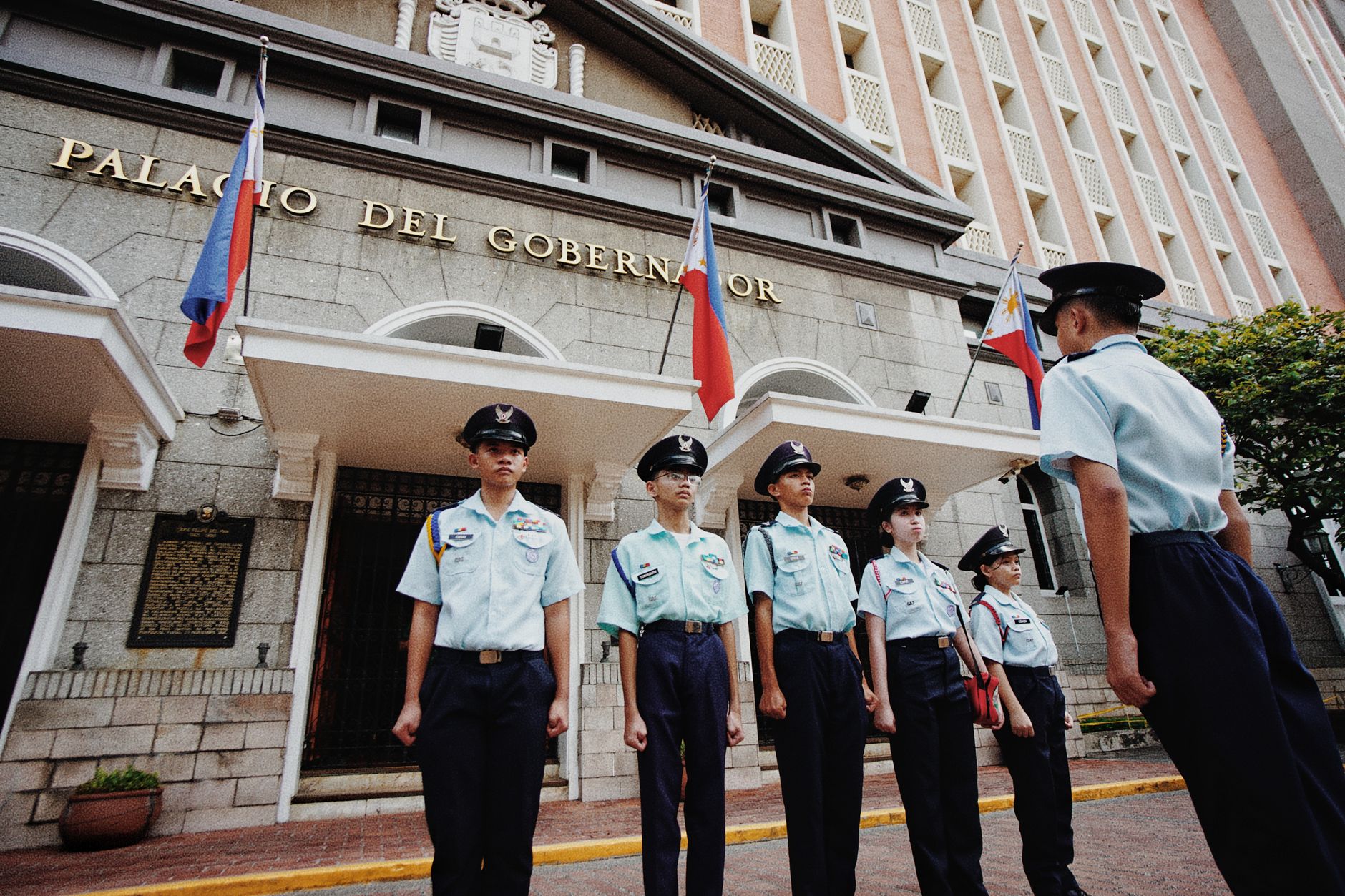
The essential Manila is Intramuros, the old Spanish walled city — cobbled streets, colonial ramparts, and horse-drawn kalesa carriages. Walk the star-shaped Fort Santiago, where the national hero José Rizal spent his final hours (a shrine traces his footsteps), and step into San Agustin Church, a UNESCO site and the oldest stone church in the country, its trompe-l’œil ceiling unmissable. The restored Casa Manila mansion shows how the colonial elite lived. A guided bamboo-bike or walking tour brings it vividly alive.
Rizal Park and the museums
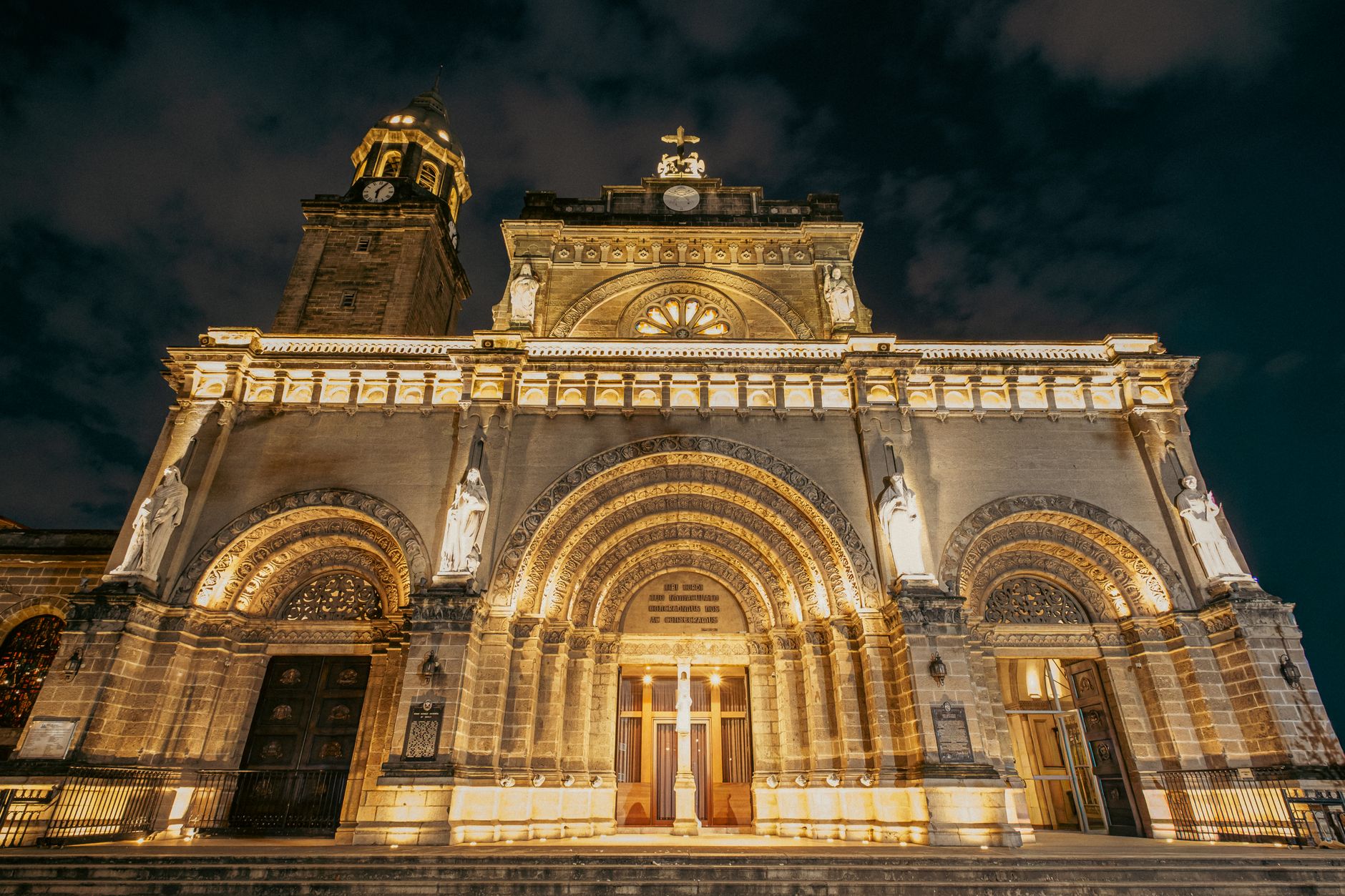
Beside Intramuros spreads Rizal Park (Luneta), the green civic heart where the martyred Rizal is memorialised at the spot of his execution. Around it cluster the National Museum Complex — free to enter, and home to Juan Luna’s vast, haunting masterpiece Spoliarium in the Museum of Fine Arts, plus superb natural-history and anthropology halls. It is the best-value cultural half-day in the city.
Binondo, the world’s oldest Chinatown

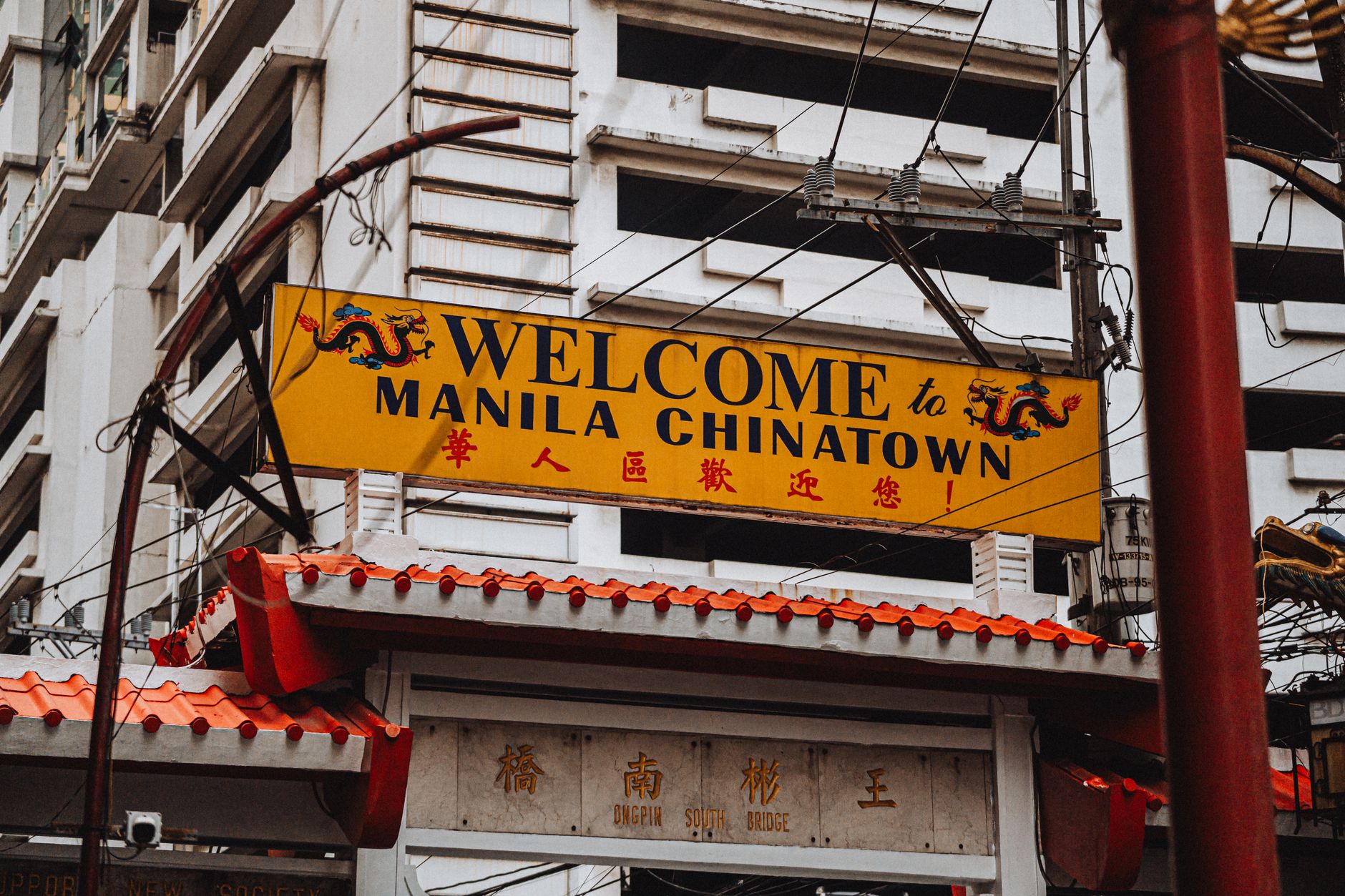
Founded in 1594, Binondo claims to be the oldest Chinatown on earth, and it is a feast — a dense grid of centuries-old shophouses, the Binondo Church, and hole-in-the-wall eateries serving the Filipino-Chinese food the district invented. Join a food tour or simply follow your nose through Ongpin Street for dumplings, hopia, and lumpia. It is Manila at its most delicious and atmospheric.
Manila Bay and the bayfront
Manila’s saving grace at day’s end is its famous Manila Bay sunset, best watched from the Roxas Boulevard seawall or the vast Mall of Asia complex, whose seaside promenade and Ferris wheel draw the whole city at dusk. For a taste of the modern Philippines, the polished districts of Makati (around Greenbelt) and Bonifacio Global City (BGC), with its street art and open plazas, are where Manila eats, shops, and unwinds.
Historic day trips
Manila’s hardest and most moving day trip is Corregidor, the fortified island at the mouth of the bay whose ruins and tunnels tell the story of the Pacific War’s siege and liberation — reached by a morning ferry. For cooler air and a view, Tagaytay overlooks the extraordinary Taal — a volcano within a lake within a volcano — a couple of hours south, and a favourite weekend escape for its scenery and its restaurants.
Eating, and getting around
Filipino food is comfort itself: adobo (the unofficial national dish), sinigang, lechon, garlicky longganisa breakfasts, and the sweet-savoury spaghetti and fried chicken of home-grown Jollibee. Getting around means Grab (easiest, though it surges in traffic), the elevated LRT/MRT on some routes, and at least one ride in a jeepney, the flamboyant repurposed war-jeep that is a national icon. Traffic along EDSA is heavy, so cluster your days by area and budget generous time.
Give Manila two or three days, meet it on its own terms, and its history and warmth outlast the first-day chaos.
Frequently asked questions
How many days do you need in Manila?
Two to three days: a day for Intramuros, Rizal Park and the National Museum, a day for Binondo's food and the Manila Bay sunset, and time in Makati or BGC. Add a day for a Corregidor or Tagaytay day trip if your schedule allows.
Is Intramuros worth visiting?
Yes — the old Spanish walled city is the essential Manila, with Fort Santiago, the UNESCO-listed San Agustin Church, colonial ramparts and kalesa carriages. A guided walking or bamboo-bike tour brings its four centuries of history to life.
Is the National Museum in Manila free?
Yes, the National Museum Complex is free to enter, and it is one of the city's best cultural experiences — home to Juan Luna's monumental Spoliarium painting in the Museum of Fine Arts, plus strong anthropology and natural-history halls beside Rizal Park.
What are the best day trips from Manila?
Corregidor, the fortified war-history island at the mouth of Manila Bay, is a moving day out reached by morning ferry. Tagaytay, a couple of hours south, overlooks the striking Taal — a volcano within a lake within a volcano — and is a favourite for its cool air and restaurants.
Keep reading on Gently Yonder
- Manila: A First-Timer's Guide — Intramuros, Binondo Chinatown, the Manila Bay sunset, and getting around the traffic.
- Airalo vs Holafly vs Saily — The three big travel eSIM providers compared — coverage, pricing, and who each suits.
- Hong Kong: The Places Worth Your Time — Victoria Peak, the Star Ferry, Kowloon's markets, the Big Buddha, and dim sum.
- Travel Insurance Compared — SafetyWing vs World Nomads vs Genki — coverage, exclusions, and how to choose.
- What Counts as Rude in 12 Cultures — Goffman, Hofstede, and twelve country case studies for international travellers.