No one pays to be recommended here, and we say when a free or cheaper option wins. Our promise →
In this guide8 sections
- Your First Steps from Melbourne Tullamarine (MEL)
- The SkyBus: A Familiar and Frequent Ride
- Taxis and Rideshares: Directness for Small Groups
- The Budget-Friendly Myki Route: A Slower Pace
- Comparing Your Melbourne Airport Transfer Options
- Beyond Tullamarine: A Note on Avalon Airport (AVV)
- Choosing Your Pace for Melbourne
- Frequently asked questions
Arriving in a new city always brings a quiet excitement, a sense of anticipation for what new experiences lie ahead. After a long flight, one of the first gentle considerations is simply making your way from the airport to where you’ll settle in. For Melbourne, this journey from Tullamarine Airport (MEL) to the city centre offers a few distinct paths, each with its own rhythm and cost. I often find this initial transit decision can subtly set the tone for the first day of a trip, so understanding your options makes for a smoother, calmer arrival.
Your First Steps from Melbourne Tullamarine (MEL)

Melbourne is served by two main airports: Tullamarine (MEL), the larger international and domestic hub, and Avalon (AVV), a smaller airport mostly for specific domestic routes. This guide focuses on Tullamarine (MEL), which is where most international and interstate visitors will land. A key point to remember is that, unlike many major cities, Melbourne does not currently have a direct train link from Tullamarine to the city. While plans for an airport rail connection are in motion, its completion date is still some way off and subject to ongoing development. This means your choices primarily involve road transport. Knowing this from the outset can help ease any early travel jitters.
To gently guide your initial choice: if you’re a solo traveler or a pair with standard luggage, the SkyBus is often the most straightforward and reliable option. If you’re a group of three or more, or if you have a lot of luggage and prefer a comfortable door-to-door service, a rideshare or taxi begins to make more economic sense. The budget-conscious traveler, or one looking to experience a quiet slice of everyday local life, might opt for the public transport route using a Myki card.
The SkyBus: A Familiar and Frequent Ride

The bright red SkyBus is a familiar sight at Melbourne Airport, a choice many travellers find reliable. Operating around the clock, these buses depart every 10-15 minutes, offering steady peace of mind for arrivals at any hour. The journey itself takes roughly 30 to 45 minutes, depending on traffic, and will drop you off at Southern Cross Station in the city centre. From there, you can easily connect to trams, suburban trains, or taxis to reach your final accommodation.
Southern Cross sits on the edge of the CBD. Where to stay in Melbourne explains why the CBD, inside the Free Tram Zone, suits a first trip.
I appreciate the simplicity of the SkyBus as a calm transition. You don’t need to worry about navigating city traffic yourself, and the dedicated luggage compartments mean you can simply settle into your seat and relax during the ride. As the bus makes its way along the Tullamarine Freeway, you’ll gradually see the city skyline emerge, offering a gentle visual welcome to Melbourne.
Tickets typically cost around AU$24 for a one-way trip. While you can certainly purchase tickets on arrival at the dedicated SkyBus kiosks or from staff outside the terminal, I often find it helpful to have things sorted beforehand, especially after a long flight when decision-making can feel a little more effortful. You can book SkyBus tickets in advance through Klook, which often means one less thing to think about when you step off the plane.
Upon arrival at Southern Cross Station, you’ll find yourself at a major transport hub. It’s a bustling place, but well-signposted. From here, you’re within Melbourne’s Free Tram Zone, making onward travel around the CBD relatively simple. Just look for the tram stops along Spencer Street or Bourke Street, or follow signs for suburban trains if your destination is further afield. If you have any questions, the information desk at the station is a helpful starting point.
Taxis and Rideshares: Directness for Small Groups
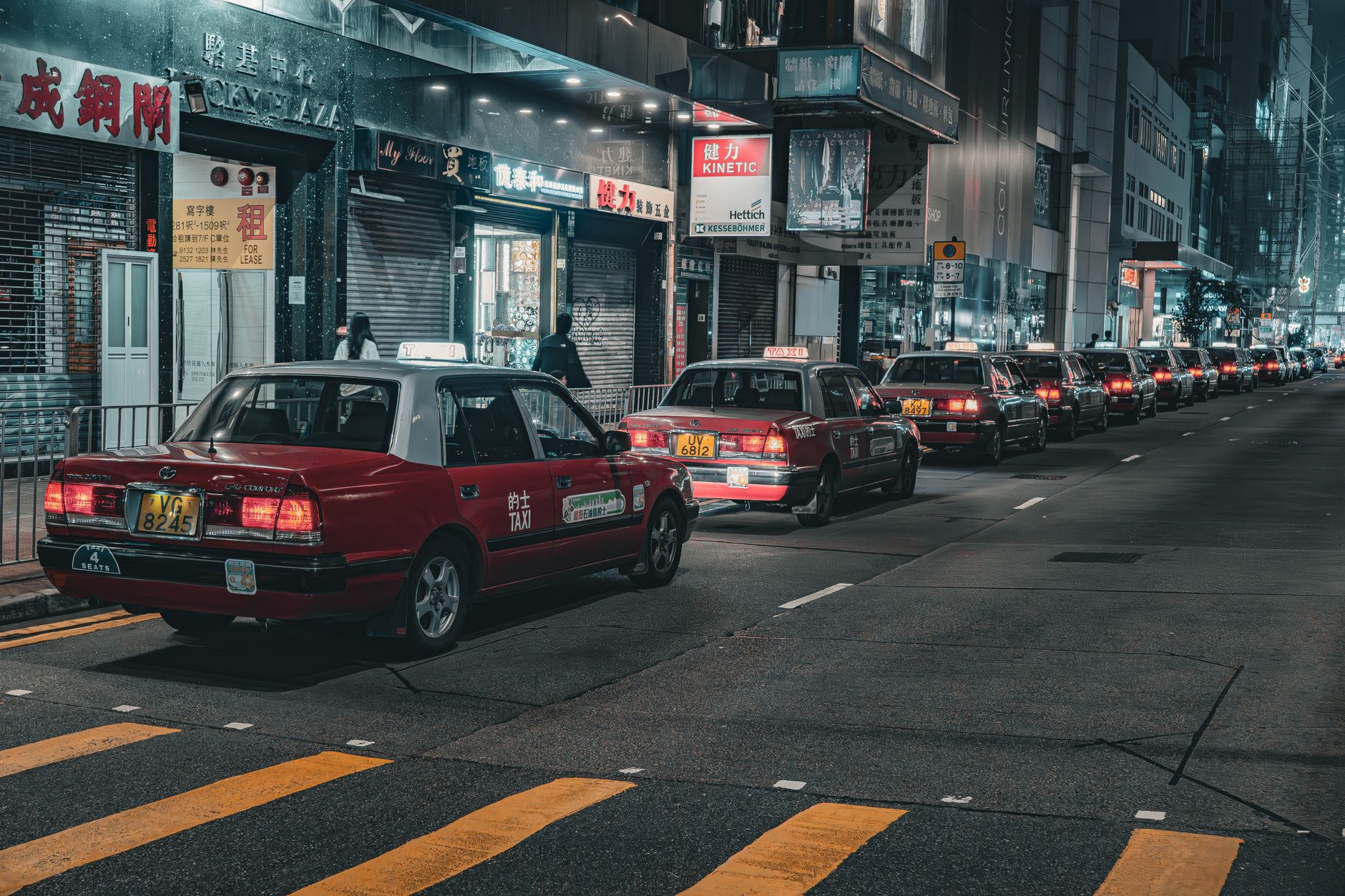
For those who value quiet, door-to-door convenience, or who are travelling with more luggage or as a small group, a taxi or rideshare service can be a particularly comfortable option. The feeling of being driven directly to your accommodation after a long journey can be a small act of kindness to yourself.
The taxi rank is clearly marked outside the terminals – simply follow the signs upon exiting. For rideshare services like Uber or DiDi, you’ll need to use their respective apps to request a ride, and then follow the designated signage to the rideshare pick-up zones, which are typically well-organised and separate from the main taxi ranks. It’s often helpful to keep an eye on your app for your driver’s exact location within the pick-up zone.
A taxi ride to the CBD typically costs between AU$60 and AU$75, depending heavily on traffic, time of day, and any tolls (such as those on CityLink). Rideshares often come in slightly cheaper for a standard service, usually ranging from AU$45 to AU$65, though this can increase significantly with surge pricing during peak hours or special events. The journey time is comparable to the SkyBus, around 30 to 45 minutes, but the key advantage here is the direct drop-off, allowing you to settle in without any further transfers.
You might find a taxi or rideshare to be your gentle preference if: * You are a group of three or more people, as the shared cost per person often begins to rival or even beat individual SkyBus fares, offering more value for the direct service. * You have an excessive amount of luggage – perhaps multiple large bags or sports equipment – that might be cumbersome on a bus or when making onward public transport connections. * Your accommodation is not conveniently located near Southern Cross Station, saving you an extra transfer and the effort of navigating unfamiliar streets with bags. * You are arriving very late at night or exceptionally early in the morning and prefer the immediate comfort and security of a direct ride to your door, allowing for an undisturbed rest. * You simply crave the quiet solitude of a private car to transition from travel mode to city life, perhaps enjoying a moment of reflection or a gentle chat with a local driver.
The Budget-Friendly Myki Route: A Slower Pace
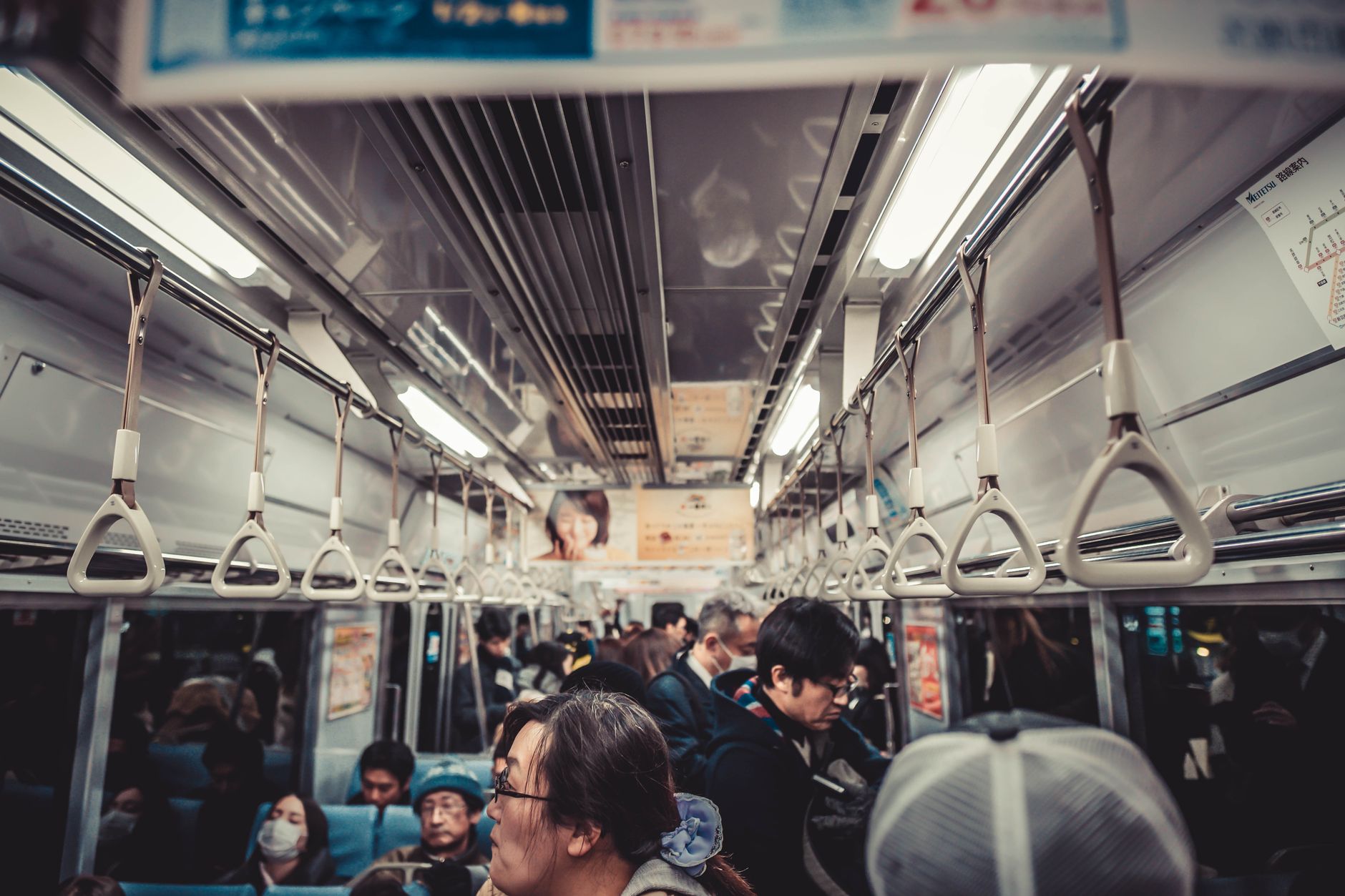
2026 update: you can now tap a contactless Visa or Mastercard, phone or watch on the 901 bus and the train instead of buying a myki, and from 1 June 2026 to 1 January 2027 fares across Victoria are half price, so this route costs a two-hour Zone 1+2 fare of AU$2.85. The discount does not apply to SkyBus.
For the truly budget-conscious traveler, or those who enjoy seeing a bit more of local life from the outset, Melbourne’s public transport system offers a significantly cheaper alternative, though it takes a little longer. This route involves using a Myki card, which is Melbourne’s reloadable smartcard for trains, trams, and buses. It’s your key to navigating the city like a local.
From Melbourne Airport, you’ll first need to take the local 901 bus (SmartBus service) from directly outside the terminals. This bus journey takes about 15-20 minutes, offering a gentle immersion into Melbourne’s northern suburbs as it winds its way to Broadmeadows Station. This is where you’ll begin to blend in with everyday commuters, observing the quiet rhythms of local life.
If you don’t already have one, you can purchase a Myki card and top it up at the convenience store or ticket machines located at Broadmeadows Station. Myki cards have a small initial purchase fee (currently AU$6 for a full fare card), and you’ll need to load money onto it for your journey. From Broadmeadows Station, you then catch a Craigieburn-line train directly to the city centre, typically to Flinders Street or Southern Cross Station. This train ride takes another 30-40 minutes, during which you can watch the urban landscape gradually transition from suburban homes to the inner-city buildings.
The total cost for this journey, once you have a Myki card, will be around AU$6, based on Melbourne’s daily fare cap for zone 1+2 travel. The overall journey time, including transfers and a brief wait at Broadmeadows, is generally between 60 and 80 minutes. While it requires a bit more navigation and managing your luggage on two different forms of public transport, it offers an authentic glimpse into Melbourne’s suburban rhythms and a substantial saving. I find moments like these, observing commuters and local scenes, to be a quiet pleasure, a gentle introduction to a new place that feels more connected to its everyday pulse. This route is best suited for those with manageable luggage, perhaps a backpack and a carry-on, to ensure a comfortable transfer.
Comparing Your Melbourne Airport Transfer Options

To gently guide your choice, here’s a focused comparison of the main paths from Melbourne Tullamarine Airport to the city centre:
| Option | Price (one way) | Time to CBD | Overnight? | Best for |
|---|---|---|---|---|
| SkyBus to Southern Cross | about AU$24 | 30–45 min | Runs 24/7 | Solo travelers, first-timers |
| Rideshare | AU$45–65 | 30–45 min | Yes | Groups of 3+, door to door |
| Taxi | AU$60–75 | 30–45 min | Yes | No app setup, heavier luggage |
| Myki: 901 bus + Craigieburn train | about AU$6 | 60–80 min | No | Tight budgets, light bags |
- Cost: The bus-and-train route is the clear winner for budget: AU$2.85 with a contactless bank card until 1 January 2027, with no card to buy. SkyBus is a mid-range option at approximately AU$24. Taxis and rideshares are the priciest, ranging from AU$45-75, though this cost is shared among passengers.
- Time: SkyBus, taxis, and rideshares are comparable, all generally taking 30-45 minutes to reach the CBD, depending on traffic. The Myki route is longer, clocking in at 60-80 minutes including transfers.
- Pace of Arrival: SkyBus offers a relaxed, hands-off approach. Taxis and rideshares provide a swift, private transition. The Myki route offers a slower, more immersive introduction to local life.
- Convenience & Luggage: Taxis and rideshares offer the most convenience with door-to-door service and ample space for luggage, making them kind to weary travelers. SkyBus is also convenient for standard luggage, dropping you at a central hub with dedicated storage. The Myki route requires managing your bags on and off two separate public transport vehicles, so lighter luggage is advisable.
- Night Service: SkyBus runs 24/7, making it a dependable choice for very late or early arrivals/departures. Taxis and rideshares are also readily available at all hours. The Myki public transport option is limited by the operating hours of the 901 bus and the Craigieburn train line, which do not run through the deepest parts of the night.
- Overall Experience: The SkyBus is efficient and predictable. A taxi or rideshare is private and direct. The Myki route offers a glimpse into suburban life and a connection to the city’s pulse from the very beginning.
Beyond Tullamarine: A Note on Avalon Airport (AVV)

While this guide focuses on Melbourne Tullamarine (MEL), it’s worth a quick mention that if your flight happens to land at Avalon Airport (AVV), your options will be different. Avalon primarily serves specific domestic budget airlines and might be a choice if you’re looking to start your journey closer to Geelong or the Great Ocean Road. Avalon also has its own dedicated SkyBus service that runs between the airport and Southern Cross Station, tailored to its flight schedule. Always double-check which Melbourne airport you’re flying into to ensure you’re planning for the correct, stress-free transfer.
Choosing Your Pace for Melbourne

The choice of how you travel from Melbourne Airport to the city is a subtle reflection of your travel style and what you need in that moment. Do you prioritise speed and directness, perhaps keen to drop your bags and begin exploring a quiet neighbourhood immediately, a kindness to your tired self? Or do you see the journey itself as part of the experience, a chance to slow down, observe, and connect with the rhythm of a new place, inviting a gentle sense of growth and discovery? There’s no single “best” way, only the path that aligns most with your priorities for this particular trip. Embracing that choice with dignity is part of the journey.
Whether you opt for the familiar efficiency of the SkyBus, the comforting directness of a taxi or rideshare, or the gentle immersion of the public transport route, each option ultimately brings you to Melbourne’s welcoming heart. For those just beginning to plan their time in the city, our Melbourne First-Timers Guide offers a gentle introduction. Once you’ve settled in, you might find our insights on getting around Melbourne useful, and for inspiration on what to do, our piece on things to do in Melbourne can help you explore further. Take a moment to consider your choice, and then simply enjoy the journey, allowing yourself to slowly unfold into the spirit of Melbourne.
Frequently asked questions
Can I use a credit card for SkyBus tickets or Myki fares?
Yes. SkyBus tickets can be bought online by card. On trains, trams and buses, full-fare travellers can tap a contactless Visa or Mastercard, phone or watch at the same fares as myki, so you do not need a myki at all. Concession card holders still need a myki.
Where can I buy a Myki card at Melbourne Airport (MEL)?
On a full fare you no longer need one: tap a contactless Visa or Mastercard, phone or watch on the 901 bus and the train. If you need a myki, for example for a concession fare, Broadmeadows Station and the major city stations sell and top them up.
Is there luggage storage available at Southern Cross Station?
Yes, Southern Cross Station offers luggage lockers and often a manned luggage storage facility, which can be useful if you arrive early and can't check into your accommodation immediately.
How far is Southern Cross Station from popular CBD attractions?
Southern Cross Station is on the western edge of Melbourne's CBD. Many attractions like Federation Square, Flinders Street Station, and the city's laneways are within a 10-20 minute walk, or a short tram ride within the Free Tram Zone.
Is there a direct train from Melbourne Airport to the city?
At the time of writing, there is no direct train link from Melbourne Tullamarine Airport (MEL) to the city. While an airport rail link is planned, it is still years away from completion.
Keep reading on Gently Yonder
- Best eSIM for Japan (2026) — How to choose a Japan travel eSIM — coverage, data plans, and the pick for most trips.
- Airalo vs Holafly vs Saily — The three big travel eSIM providers compared — coverage, pricing, and who each suits.
- Best eSIM for Japan, Korea & Vietnam — Destination-by-destination eSIM picks for three popular Asian countries.
- Pocket WiFi vs eSIM — Which connectivity option wins — solo vs group, cost, battery, and setup compared.
- Hotel Booking Sites Compared — Hotels.com, Booking.com, Trip.com, Agoda — what each is genuinely good for.
- Travel Insurance Compared — SafetyWing vs World Nomads vs Genki — coverage, exclusions, and how to choose.
- Japan Country Profile — Eight-section country deep-dive: history, geography, society, and travel prep.