No one pays to be recommended here, and we say when a free or cheaper option wins. Our promise →
In this guide7 sections
Japan rewards the light, organised packer. You will walk enormous distances, hop on and off trains with your own bag, remove your shoes several times a day, and pay for a surprising amount in cash. Pack for that reality — comfortable, layered, and tidy — and the trip flows. The right list also depends heavily on when you go, because Japan has four genuinely distinct seasons. Here is what to bring, and what the country will happily provide. Two things to sort before you fly: a travel eSIM so maps and train apps work from the airport (see our best eSIM for Japan guide), and travel insurance for peace of mind on a long-haul trip.
Bags: pack for the trains
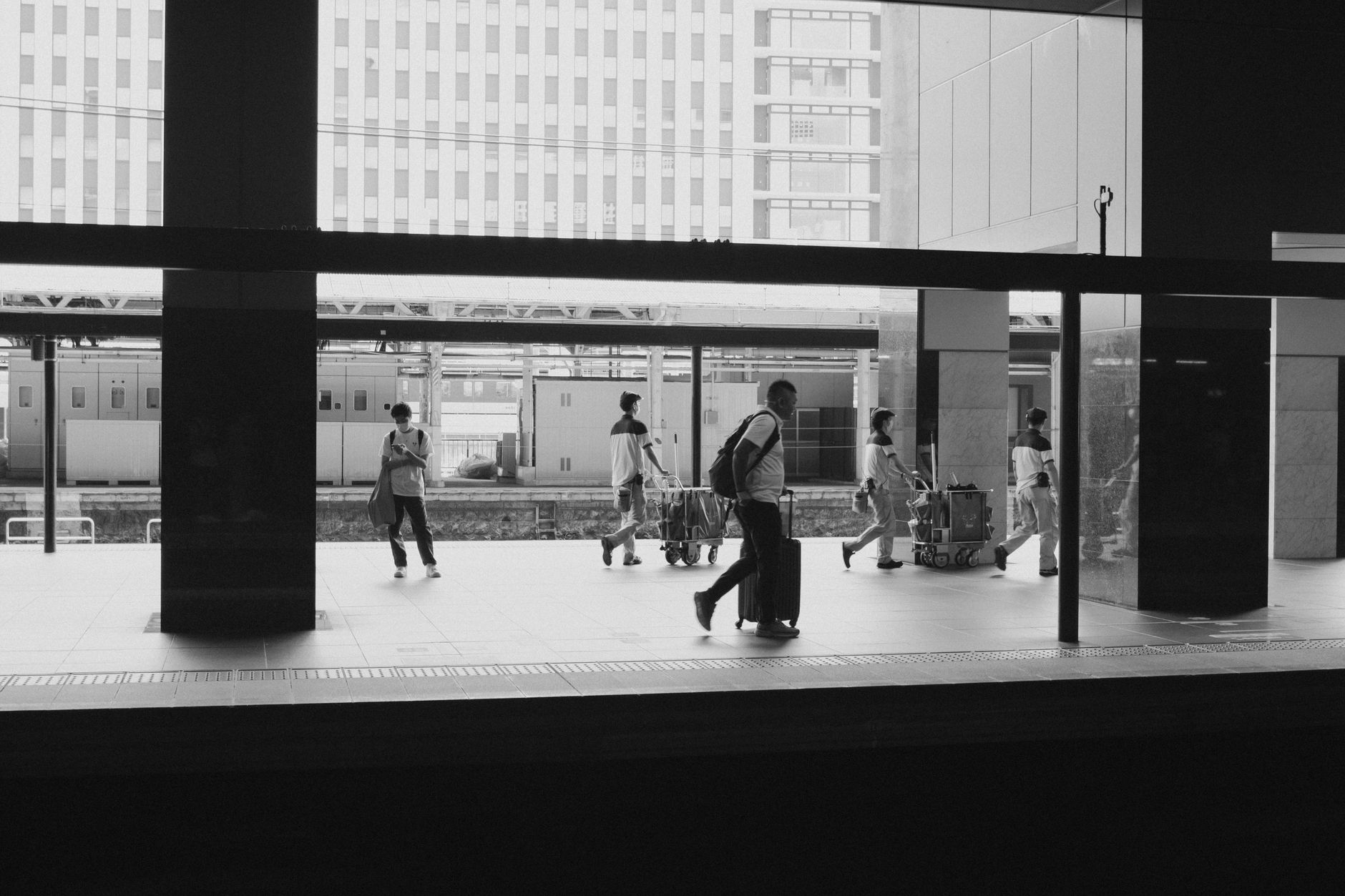
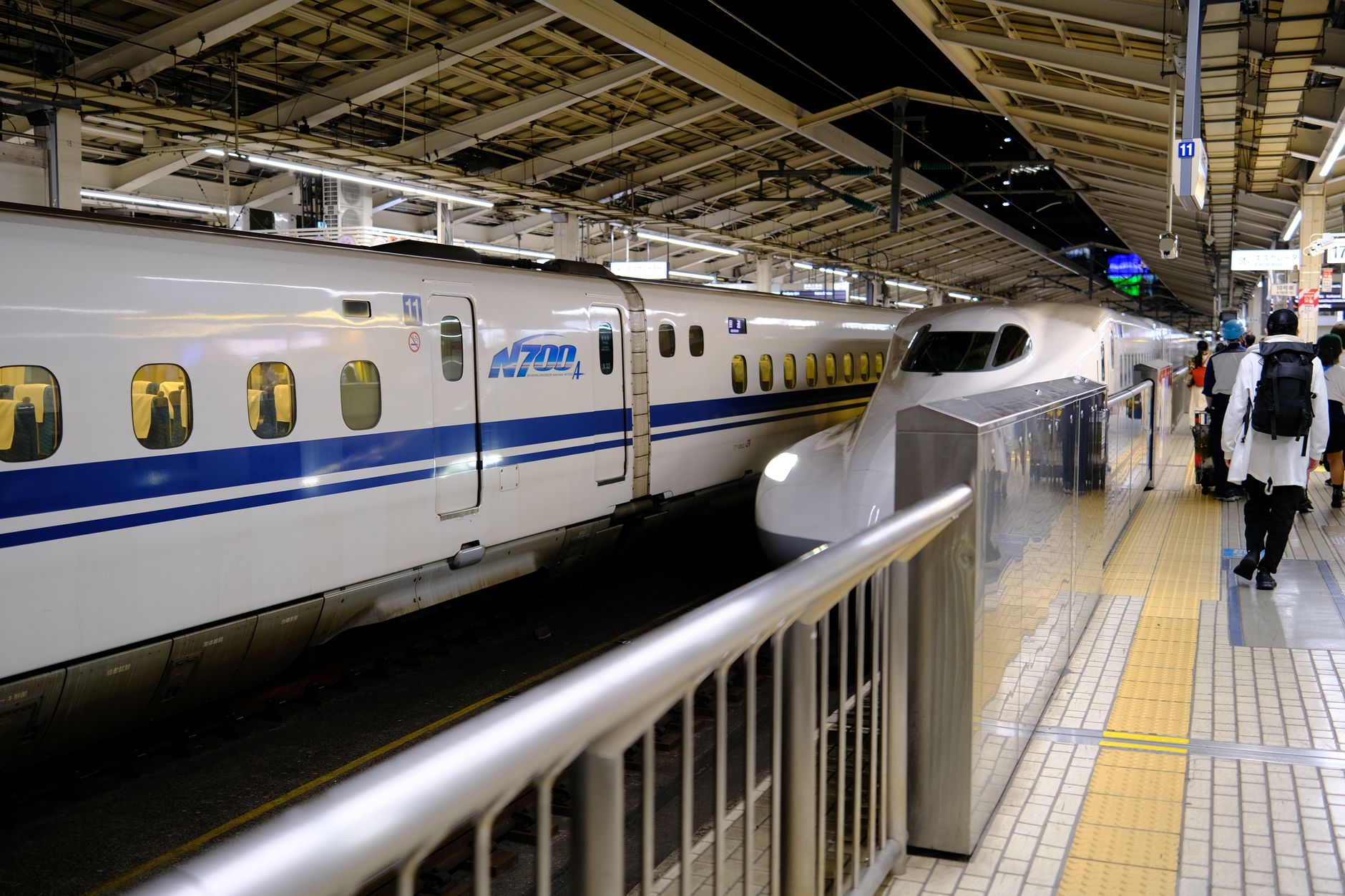
Japan’s trains are the joy of the trip and the reason to travel light — you carry your own bag up stairs, into tight luggage racks, and onto the Shinkansen (oversized-bag seats now need reserving). A carry-on-sized case or 40-litre backpack is ideal. Keep it tidy with packing cubes, and bring a daypack for day trips. Two very Japanese tricks: use the country’s brilliant luggage-forwarding service (takuhaibin) to send bags ahead between cities, and the ubiquitous coin lockers in stations for day storage — our Tokyo luggage storage guide explains both.
Clothes: it all depends on the season
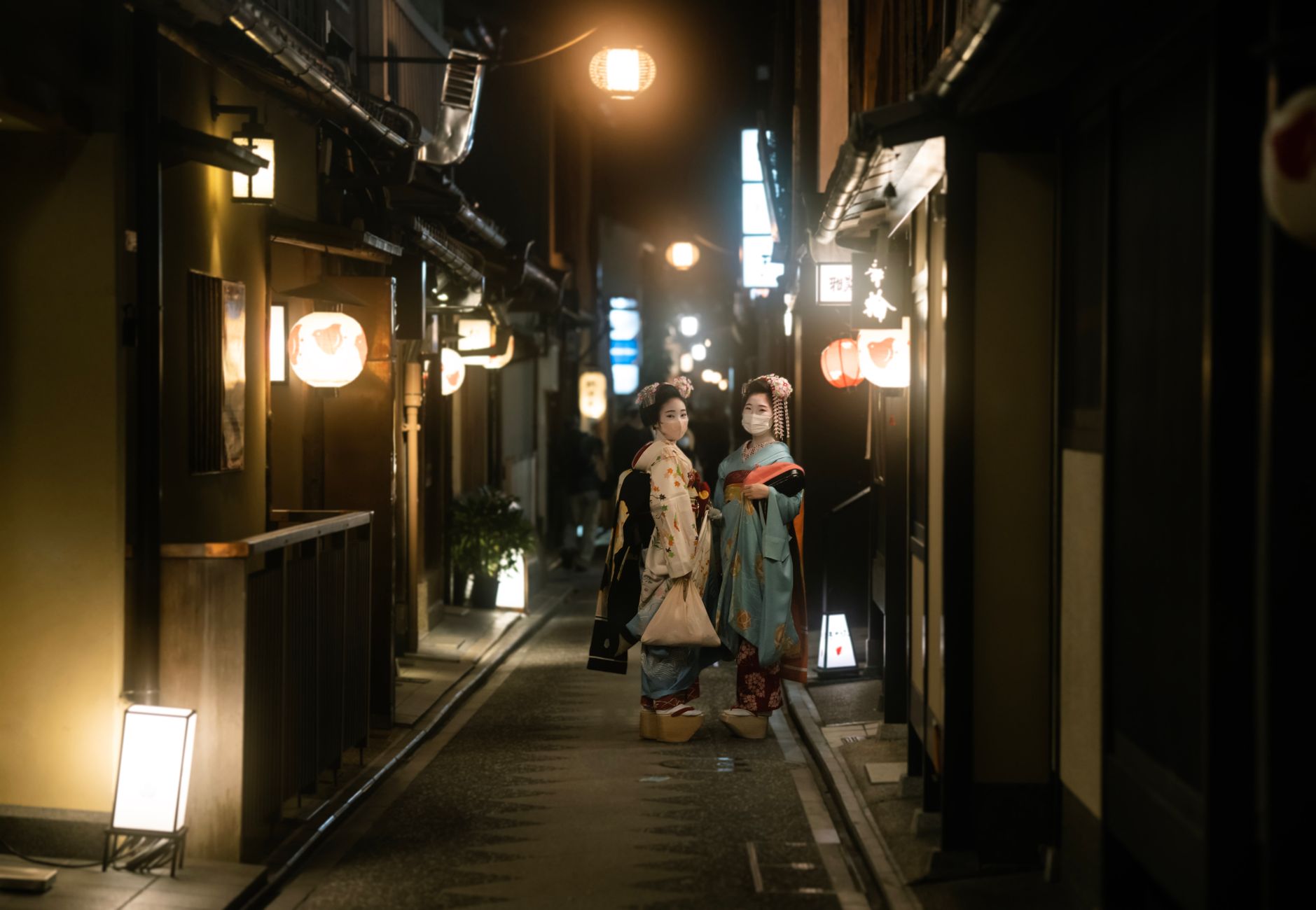
This is where Japan packing lives or dies. Spring (Mar–May) and autumn (Sep–Nov) are mild and best packed in layers — a light jacket over shirts, with a warmer layer for cool evenings. Summer (Jun–Aug) is hot and very humid, so pack the lightest breathable clothes, plus a compact umbrella for the June rainy season. Winter (Dec–Feb) is cold, especially up north — thermal base layers (Japan’s own Uniqlo Heattech is superb and cheap to buy on arrival), a warm coat, and gloves. Year-round, the single most important item is comfortable walking shoes you can slip on and off easily, because you’ll remove them at temples, ryokan, and some restaurants — a good pair of walking shoes is worth the investment. And pack socks without holes: you’ll be showing them often.
Tech: plugs, power, and connectivity
Japan uses Type A plugs at 100V — the same shape as North America, so US and Canadian travellers often need no adapter at all, while everyone else should bring a universal adapter. A power bank keeps you going through long sightseeing days (carry it in your hand luggage). Your travel eSIM handles data; download offline maps and a translation app before you go.
The very Japanese extras

A few small things make Japan noticeably smoother. Carry a small hand towel — many public restrooms have neither paper towels nor dryers, and locals all carry one. Bring a coin purse, because Japan is still surprisingly cash-first (many small restaurants, shrines, and rural spots don’t take cards) and you’ll accumulate heavy coins fast. Load an IC card (Suica or ICOCA, or the version in your phone’s wallet) for tap-and-go trains and convenience stores. And keep your passport on you for tax-free shopping and, occasionally, to show at duty-free counters.
Health, documents, and money
Japan’s pharmacies are excellent, but bring any prescription medicines in their original packaging (check the rules, as a few common drugs are restricted). Spring visitors prone to hay fever should pack antihistamines for the cedar-pollen season. Carry photocopies of your passport, a couple of cards (tell your bank you’re travelling), and enough yen in cash for your first days — withdraw from 7-Eleven and post-office ATMs, which reliably accept foreign cards. If you’re covering long distances, sort your Japan Rail Pass or individual Shinkansen tickets before or on arrival.
The honest short version
Pack light for the trains, layer for the season, bring slip-on walking shoes and clean socks, carry a hand towel and cash, and sort your eSIM before you land. Japan will provide the rest — often more beautifully packaged than you thought a convenience store could manage.
Frequently asked questions
What clothes should you pack for Japan?
It depends entirely on the season. Spring and autumn are mild and best in layers; summer is hot and humid, so pack light and breathable with an umbrella for the June rains; winter is cold, needing thermal base layers, a warm coat and gloves. Year-round, bring comfortable slip-on walking shoes and socks without holes, as you'll remove your shoes often.
Do I need a plug adapter for Japan?
Japan uses Type A plugs at 100V — the same shape as North America — so US and Canadian travellers often need no adapter. Everyone else should bring a universal travel adapter. A power bank is worth packing for long sightseeing days, carried in your hand luggage.
Is Japan a cash society — should I bring cash?
Yes, more than most developed countries. Many small restaurants, shrines and rural spots are cash-only, so carry yen and a coin purse (you'll accumulate coins quickly). Load an IC card like Suica or ICOCA for trains and convenience stores, and withdraw cash from reliable 7-Eleven or post-office ATMs.
What small extras make Japan easier?
A small hand towel (many public restrooms lack paper towels or dryers), a coin purse for the cash-heavy economy, and an IC card for tap-and-go transit. Keep your passport on you for tax-free shopping, and consider Japan's luggage-forwarding service and station coin lockers to travel light between cities.
Keep reading on Gently Yonder
- Carry-On Packing List for a 10-Day Japan Trip A 10-item capsule sized for Japan — plugs, cash, IC cards, and the right shoes.
- Power Adapter for Japan Type A plugs, the 100V quirk, and what actually needs an adapter.
- Best eSIM for Japan (2026) How to choose a Japan travel eSIM — coverage, data plans, and the pick for most trips.
- Where to Store Luggage in Tokyo Coin lockers, cloakrooms, storage apps, and hotel holds — which to use where.
- Japan: A 7-Day First-Timer's Itinerary Three days in Tokyo, a day trip, two days in Kyoto, and a day in Osaka — tied together by the Shinkansen.
- Airport Security Liquids Checklist The 100ml rule made simple — containers, the clear bag, common rejections.