If you’re visiting Japan in 2026, there are two small “tourist taxes” worth knowing before you book: a per-night accommodation tax charged by a growing list of cities, and the national departure tax built into your airfare — which rose to ¥3,000 per person in 2026. Neither is large, but the headline change is Kyoto’s: from March 2026, Kyoto raises its lodging tax steeply — still ¥200 a night for budget rooms, but as much as ¥10,000 per person, per night at the top luxury tier. For the mid-range rooms most travelers book, it rises from ¥200 to ¥400 per person, per night. Here’s the whole picture so nothing surprises you at check-out.
No one pays to be recommended here, and we say when a free or cheaper option wins. Our promise →
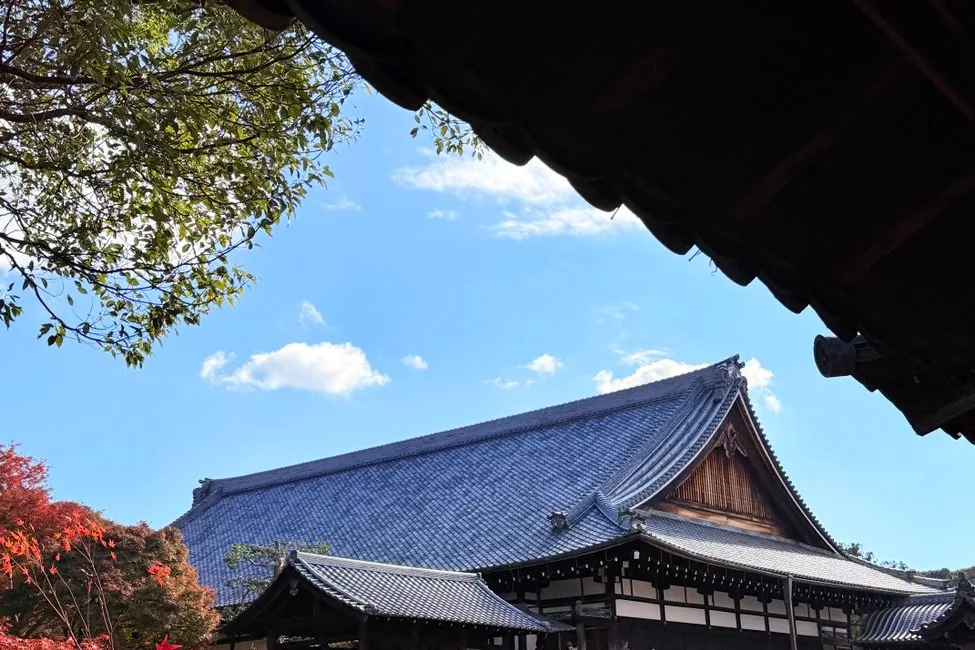
Kyoto’s new lodging tax (from March 2026)
Kyoto’s accommodation tax is charged per person, per night, based on the room’s nightly rate. From March 2026 the tiers change like this:
Choosing where to stay in Kyoto? Our Kyoto guide compares five areas and names 14 hotels and ryokan.
| Room price / night | Tax now | Tax from March 2026 |
|---|---|---|
| Under ¥6,000 | ¥200 | ¥200 (unchanged) |
| ¥6,000 – ¥19,999 | ¥200 | ¥400 |
| ¥20,000 – ¥49,999 | ¥500 | ¥1,000 |
| ¥50,000 – ¥99,999 | ¥1,000 | ¥4,000 |
| ¥100,000 and over | ¥1,000 | ¥10,000 |
So a couple in a ¥15,000 room pays ¥400 each — ¥800 a night, ¥4,000 across a five-night stay. That’s real but modest against the room rate. At the luxury end the jump is dramatic (up to ten times), which is the city’s deliberate lever against overtourism. School-excursion student groups remain exempt. It’s usually added to your bill at check-out, so factor it in rather than being caught out.
Where else in Japan charges a lodging tax?
Kyoto isn’t alone. As of 2025, around a dozen municipalities levy an accommodation tax, and roughly fifty more are considering one — including tourism-heavy areas like Hokkaido, Nagano, the Mount Fuji region, Ise-Shima, and Okinawa. A few you’re likely to meet:
- Tokyo and Osaka charge a modest per-night tax on rooms above a threshold. Osaka’s already covers licensed private lodging (minpaku); Tokyo’s will from 1 April 2027, when it also becomes 3% of the room rate on stays of ¥13,000 or more per person per night.
- Niseko (Hokkaido’s ski town) has one of the higher flat rates, around ¥2,000 a night.
- Rates and thresholds vary by city, so the safest habit is to check your specific accommodation’s tax line when booking. When you’re comparing where to stay, our guide to hotel booking sites shows which platforms display the all-in price most clearly.
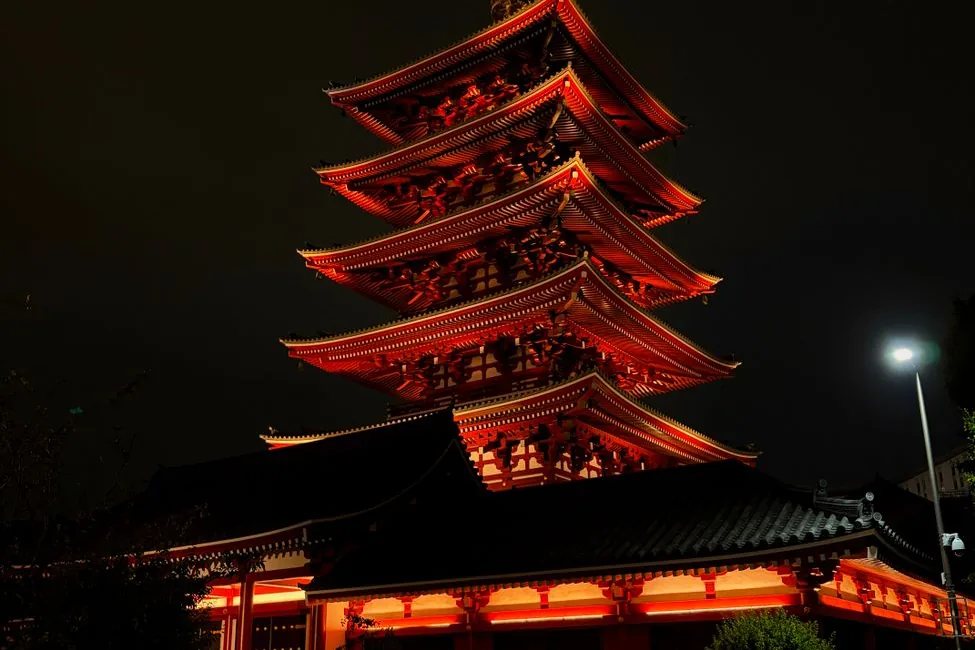
The national departure tax
Separately, Japan charges an International Tourist Tax — the “sayonara tax” — when you leave the country. Long set at ¥1,000, it was raised to ¥3,000 per person in 2026. You almost never pay it directly: it’s collected inside your airline or ferry ticket price, so there’s nothing to do at the airport. Because the figure has just changed, it’s worth a quick check on the official National Tax Agency guidance for your travel dates.
How to keep it small
None of this should change your trip — the sums are minor next to flights and rooms — but a few habits keep it tidy:
- Budget a little extra for Kyoto if you’re staying somewhere nice: at ¥400–¥1,000+ per person per night, a family of four adds up over several nights.
- Read the tax line when you book. Some sites show it in the total, others add it at the property. Our how-much-does-a-Japan-trip-cost guide folds these into a realistic budget.
- Don’t confuse it with the tax-free shopping change. That’s a different thing entirely — and it’s also changing in 2026; see our guide to Japan’s tax-free shopping changes from 1 November 2026.
Frequently asked questions
How much is Kyoto's tourist tax in 2026?
From March 2026 Kyoto's lodging tax is charged per person, per night by room price: 200 yen for rooms under 6,000 yen, 400 yen for 6,000-19,999 yen, 1,000 yen for 20,000-49,999 yen, 4,000 yen for 50,000-99,999 yen, and 10,000 yen for rooms of 100,000 yen or more.
Is Japan's accommodation tax per person or per room?
In Kyoto it is per person, per night. Other cities vary in rate and basis, so confirm with your accommodation — the tax is usually added to your bill at check-out.
What is Japan's departure tax?
The International Tourist Tax, often called the sayonara tax, was long 1,000 yen per person and was raised to 3,000 yen in 2026. It is collected inside your airline or ferry ticket, so you do not pay it separately at the airport; confirm the current figure with official sources.
Which Japanese cities charge a lodging tax?
Around a dozen municipalities did as of 2025 — including Tokyo, Osaka, Kyoto, and Niseko — with many more considering it. Osaka’s already covers licensed private lodging (minpaku); Tokyo’s will from 1 April 2027. Rates and thresholds vary by city.
Sources & further reading
- Japan Travel — “Kyoto lodging taxes to increase from March 2026”
- Kyoto City — municipal accommodation tax notice
- National Tax Agency of Japan — International Tourist Tax (departure tax)
Tax rates and thresholds change and vary by municipality. This is general preparation information, not tax advice — confirm the current charge with your accommodation and official city sources when you book.
Keep reading on Gently Yonder
- Is the Accommodation Tax Double Taxation? Consumption tax plus a lodging tax on one stay — the academically grounded, balanced answer.
- Does a Tourist Tax Reduce Overtourism? Cities tax visitors in the name of crowds — but the demand economics says it mostly raises revenue, not cuts numbers.
- How Much Does a Trip to Japan Cost? A realistic 2026 budget — flights, hotels, rail, food, and where costs surprise people.
- Japan Tax-Free Shopping Changes (Nov 2026) From 1 Nov 2026, pay the tax in-store and claim the 10% refund at the airport — the new process, the ¥5,000 rule, and what got simpler.
- Hotel Booking Sites Compared Hotels.com, Booking.com, Trip.com, Agoda — what each is genuinely good for.
- Japan Country Profile Eight-section country deep-dive: history, geography, society, and travel prep.