There’s a gentle ease that comes with knowing you’re connected in a new country, whether it’s simply finding your way to a quiet neighbourhood café or confirming a temple’s evening hours. South Korea, a place known for its thoughtful approach to modern life, offers several reliable ways to stay connected. Often, for shorter visits, an eSIM offers a gentle convenience. But for longer, slower explorations, a local SIM might unfold as a more economical choice, and for those sharing the journey, a pocket WiFi can bring a quiet harmony to group connections.
eSIMs: The Digital Convenience

For many of us who appreciate a lighter travel setup, the eSIM has become a wonderfully streamlined way to get online quickly. An eSIM is a digital SIM card that lives inside your phone, gracefully eliminating the need to swap out physical cards. This means you can often purchase and install a data plan before you even leave home, arriving at Incheon International Airport (ICN) or Gimpo International Airport (GMP) with data ready to activate. I especially appreciate the ability to keep my home SIM card active for calls and texts while the eSIM handles all my data needs, making communication with family and friends feel effortless and warm. This gentle transition from home to a new place is a quiet comfort.
The process is typically straightforward: you purchase a plan online, receive a QR code or manual setup details, and follow a few simple steps on your phone. Most modern smartphones support eSIM technology. Once installed, you can usually activate it upon arrival in South Korea, ensuring your plan begins only when you truly need it. This gentle convenience becomes a quiet comfort on shorter trips, letting you effortlessly check subway routes in Seoul, seek out a particular bookshop in Hongdae, or translate a menu in a bustling Myeongdong eatery without pause. For a deeper dive into how this digital technology works, you might find our guide on eSIMs versus physical SIM cards helpful. And if you’re wondering about the quiet rhythm of getting started, we have some thoughts on when to activate a travel eSIM to make the most of your plan.
Who this suits: Travelers on shorter journeys (up to a few weeks), those who wish to keep their home number gracefully active, and anyone seeking maximum ease and a quick setup without needing to visit a local shop. If you’re looking for carefully considered options to begin your journey with ease, you might explore our thoughtful eSIM selections for South Korea, designed to connect you gently.
Local Physical SIM Cards: For Deeper Stays
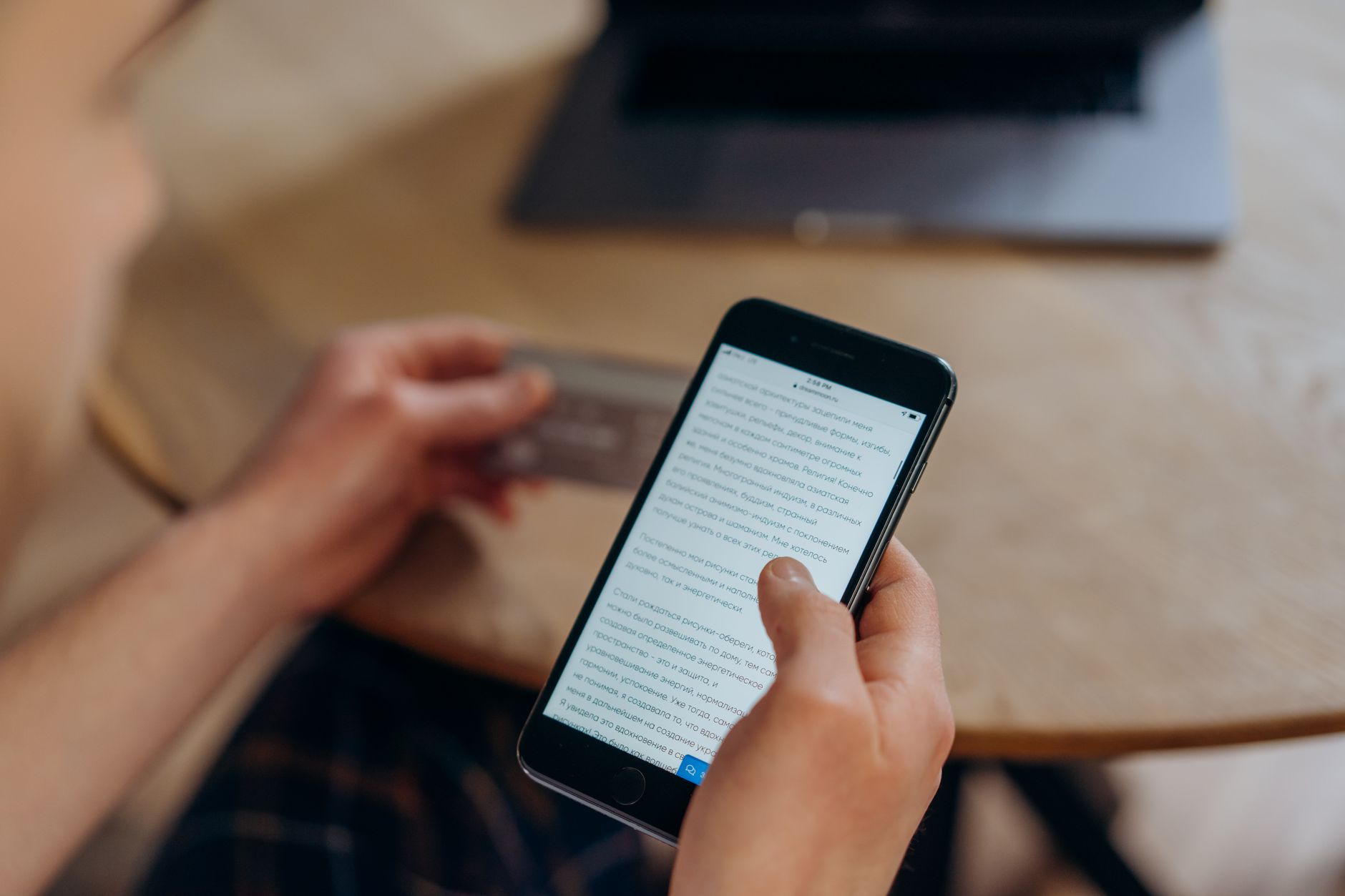
For those planning a longer immersion in South Korea, or if you simply prefer the familiar touch of a traditional physical SIM card, purchasing one from a local carrier can offer a quiet sense of value. South Korea has three main mobile network operators: SK Telecom, KT, and LG U+. All three offer prepaid SIM card options designed for visitors, providing robust 4G LTE and 5G coverage across the country. I’ve often found that these local options can be quite cost-effective, especially when you commit to a plan for several weeks or months, settling into a gentle rhythm of extended stay.
You can usually purchase these SIM cards directly at major airports like Incheon and Gimpo, often near the arrivals halls, or at dedicated stores in large cities such as Seoul or Busan. You’ll need your passport for registration, which is a standard, respectful practice. Once activated, you’ll have a local Korean phone number, which can be wonderfully useful for booking local services or making reservations, allowing you to connect more deeply with the daily pulse of life here. The process of swapping SIMs is familiar to many, but it does mean temporarily removing your home SIM, so remembering to store it safely is a small, thoughtful step. For a more extended exploration, perhaps hiking the serene paths in Seoraksan National Park or spending a quiet month exploring the charming neighbourhoods around Jeju Island, the comprehensive coverage and potentially lower per-day cost of a local SIM can be very appealing, fostering a sense of unhurried belonging.
Who this suits: Travelers embarking on longer, more leisurely trips (several weeks to months), those who appreciate a traditional physical SIM, people who find a local phone number useful for a deeper immersion, and budget-conscious individuals who don’t mind a few gentle steps upon arrival to settle in.
Pocket WiFi: Sharing the Connection

A pocket WiFi device, sometimes called a portable hotspot, is another popular choice for staying connected, particularly when journeying with others. This small, battery-powered device creates its own Wi-Fi network, allowing multiple devices—your phone, tablet, and even a travel companion’s phone—to connect simultaneously. The primary advantage here is the quiet ability to share a single data plan, which can be very economical for families or groups traveling together. Imagine exploring Gyeongbokgung Palace with friends and everyone having seamless access to maps and information from one device, fostering shared moments of discovery.
Rental services are widely available at Incheon and Gimpo airports, and often through online booking services that allow you to pick up and drop off your device conveniently. You simply rent the device for the duration of your trip, ensuring everyone in your group stays gently connected. The main considerations are managing battery life throughout the day, a small daily rhythm to remember, and returning the device before your departure. I’ve found it particularly useful when traveling with others, especially if we’re all using different devices or need to keep several laptops and phones online for work or collaborative planning, making group travel a little more harmonious.
Who this suits: Groups or families traveling together who wish to share a single, graceful data plan, individuals with multiple devices (laptop, tablet, phone) that all require internet access, and those who prefer not to alter their phone’s internal SIM setup at all, seeking simplicity.
Coverage Across South Korea

South Korea’s mobile network is remarkably robust, meaning whichever way you choose to connect—eSIM, local SIM, or pocket WiFi—you can generally expect reliable coverage. In major urban centers like Seoul, Busan, and Daegu, 4G LTE and 5G connectivity are ubiquitous, a quiet testament to their advanced infrastructure. Whether you’re navigating the bustling streets of Gangnam, exploring the quiet alleyways of Bukchon Hanok Village, or riding the subway, you’ll find reassuringly consistent service.
Even in more rural areas, such as the serene coastal roads of Jeju Island or the mountainous regions surrounding the DMZ, coverage remains remarkably strong compared to many other countries. While there might be a few isolated dead zones in very remote valleys or deep tunnels, they are the rare exception rather than the rule. My own experiences, walking tranquil paths through national parks or taking trains between cities, have almost always found me with a signal. This robust and thoughtful infrastructure means you can feel quietly confident in your ability to stay connected, whether you’re looking up bus schedules in a small town or sharing a quiet moment with a photo from a scenic viewpoint.
Cost Considerations and Practicalities

While cost always plays a part, I find it’s helpful to consider more than just the initial price tag when choosing how to stay connected. It’s about finding the gentle balance that feels right for your journey.
- eSIMs often have a slightly higher per-gigabyte cost than local physical SIMs, but their sheer convenience and gentle flexibility can make them very competitive, especially for shorter trips where immediate connection is paramount. Prices vary widely depending on the provider and data allowance, so checking current offerings before your trip is always a wise and thoughtful step.
- Local physical SIM cards from carriers like SK Telecom, KT, or LG U+ can often offer the most quiet value for money, particularly for longer, more immersive stays or for those requiring generous data allowances. However, the initial purchase price might be slightly higher, and you’ll want to factor in the gentle effort of buying and registering it upon arrival.
- Pocket WiFi rentals are often priced per day. For solo travelers, this might initially appear more expensive than an eSIM. Yet, for a small group or family, sharing a single rental fee and data pool can often make it the most gentle on your collective budget. Remember to account for potential deposit requirements and the calm process of returning the device.
Whichever path you choose, a gentle check of the latest prices and terms with providers as your trip nears is always a good idea, as offerings often shift. Thinking about how long you’ll stay, how much data you genuinely need, and who you’re sharing the journey with will naturally guide you to the balance of cost and convenience that feels most right for you.
What This Means for Your Trip

Choosing how to stay connected in South Korea often comes down to finding a harmonious balance between convenience, cost, and your specific travel style. For me, the quiet hum of a new city, the gentle rhythm of everyday life unfolding around me in a local neighbourhood cafe, or the focused pages of a book in a sunlit window, are moments I deeply cherish. While I value these periods of unplugged observation, I also find immense comfort and practical benefit in knowing a reliable connection is at hand for navigation, translation, or simply coordinating plans with others, allowing for a gentle kind of independence.
The digital ease of an eSIM has become my preferred companion for most trips, allowing me to transition smoothly from my home life to the gentle change of travel, without unnecessary fuss. But there’s no single “right” answer, only what feels most aligned with your own journey. If you’re backpacking through the country for a month, a local SIM might be a quiet act of efficiency, grounding you in your new surroundings. If you’re sharing the adventure with a small group, a pocket WiFi could strengthen both your connection to the internet and to each other, fostering shared moments of discovery. Ultimately, the choice that allows you to feel most at ease is the one that frees you to immerse yourself fully, with kindness and dignity, in the rich experiences that South Korea so generously offers.
Frequently asked questions
Can I keep my home phone number while using an eSIM in South Korea?
Yes, an eSIM allows you to maintain your primary number for calls and texts while using the eSIM for data. You can usually toggle between your numbers as needed, though you'll be using the eSIM for your data connection.
Is free public Wi-Fi widely available in South Korea?
South Korea has excellent public Wi-Fi, especially in major cities, cafes, and subway stations. However, connection quality can vary, and it's not always secure or reliable enough for consistent navigation or sensitive tasks. A dedicated data connection offers more freedom.
Do I need to activate my eSIM before arriving in South Korea?
You can install your eSIM before you fly, but it's generally best to activate it upon arrival at a major airport like Incheon or Gimpo. This prevents the plan from starting prematurely and ensures you have data as soon as you land.
What is the primary difference between an eSIM and a physical SIM card?
An eSIM is a digital SIM profile embedded in your phone, requiring no physical swap. A physical SIM is a small plastic card that you insert into your phone's tray. Functionally, both provide mobile data, but eSIMs offer more convenience for travelers who want to keep their home SIM active.
How much data will I need for a typical trip to South Korea?
For a typical week-long trip, 5-10 GB is often sufficient for navigation, messaging, light browsing, and occasional social media. If you plan to stream a lot of video or work remotely, you might consider a larger plan or unlimited option.
Keep reading on Gently Yonder
- Best eSIM for South Korea (2026) — How to choose a Korea travel eSIM — coverage, data plans, and the pick for most trips.
- eSIM vs Physical SIM Card for Travel — Which to buy — activation timing, cost, coverage, keeping your home number, and when a local SIM still wins.
- When to Activate a Travel eSIM — Install early, activate on arrival — when the validity clock starts, and how to switch it on when you land.
- Pocket WiFi vs eSIM — Which connectivity option wins — solo vs group, cost, battery, and setup compared.
- Best eSIM for Japan, Korea & Vietnam — Destination-by-destination eSIM picks for three popular Asian countries.
- Travel Insurance for South Korea — Whether you need it, what Korean medical care costs a visitor, and honest picks by traveller type.