The thrill of planning a trip to South Korea quickly turns to a practical question: “How much will it all cost?” It’s a fair question, and one I think about often when considering a new destination. While prices can vary based on the season, your travel style, and how far in advance you book, I’ve found that South Korea offers a spectrum of experiences, from budget-friendly adventures to more comfortable, curated journeys.
As a general guideline, based on current trends and excluding international flights, a budget traveler might expect to spend $50-80 USD per day. For those preferring a mid-range experience, a daily budget of $100-150 USD is a good starting point. If comfort and convenience are priorities, a daily expenditure of $180-250+ USD will allow for a more expansive trip. These are, of course, estimates – the real joy (and challenge) is tailoring it to your own rhythm.
Flights to South Korea: Getting There
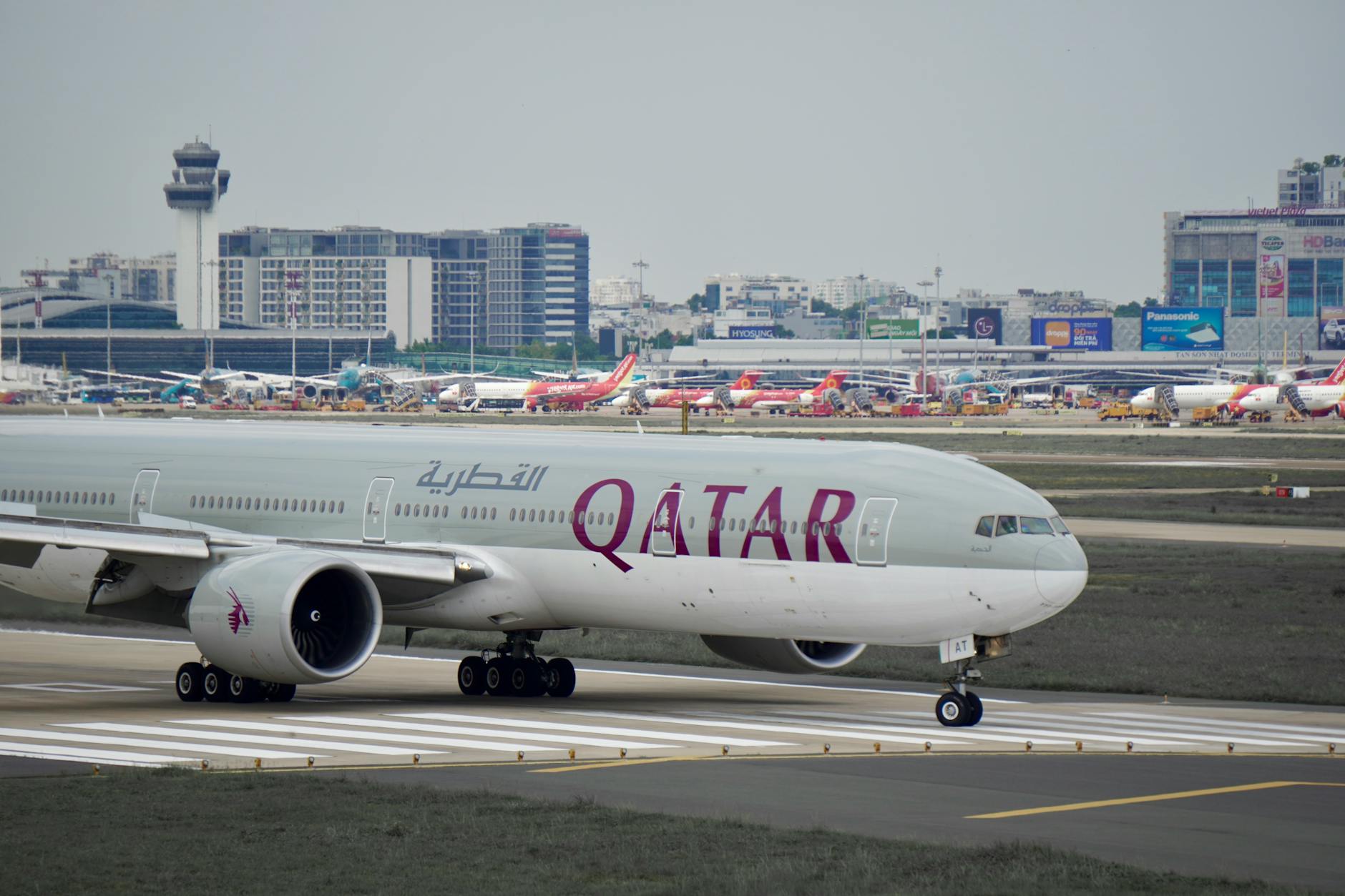
The cost of your flight will likely be the single largest variable in your South Korea travel budget. It’s hard to put an exact figure on it, as prices fluctuate dramatically based on your departure city, the time of year, how far in advance you book, and even the day of the week you choose to fly. I often find that flexibility with dates can make a significant difference, sometimes saving hundreds of dollars. Direct flights from major hubs like Los Angeles, New York, London, or Sydney to Incheon International Airport (ICN) will typically be more expensive than those with layovers.
I usually begin looking for flights several months in advance, often setting price alerts to monitor changes. Peak seasons, like summer (June to August), autumn foliage season (October), and major holidays (Chuseok, Lunar New Year), naturally see higher prices. Traveling during the shoulder seasons (spring, late autumn) or winter can sometimes offer better deals and a different kind of beauty. I’ve found that flying mid-week often yields slightly lower fares than weekend departures. While I can’t give specific flight prices for a future year, preparing to spend anywhere from $800 to $1,500+ USD for a round-trip ticket from North America or Europe is a reasonable expectation, with flights from Southeast Asia or East Asia naturally being much lower.
Accommodation: Where to Rest Your Head

Where you choose to sleep each night significantly impacts your daily spending. South Korea offers a wide array of options, from budget-friendly hostels to luxurious hotels. I always appreciate finding a quiet, clean space to unwind after a day of walking, and South Korea certainly delivers on quality across its offerings.
In bustling cities like Seoul and Busan, you’ll find plenty of choices. Hostels or guesthouses, particularly in popular areas like Hongdae or Myeongdong in Seoul, or Haeundae in Busan, are an excellent choice for budget-conscious travelers. A dorm bed might cost roughly $25-45 USD per night, while a private room in a guesthouse could range from $50-90 USD. These often include simple breakfasts and are wonderful places to meet other travelers.
Mid-range hotels, offering a bit more privacy and amenities, typically fall into the $100-180 USD per night range. These are common throughout the city centers and offer a comfortable base for exploration. For those seeking more comfort or unique experiences, boutique hotels or international chains can start from $200 USD and go upwards. On Jeju Island, options range from charming pensions to resort-style hotels, with prices varying widely by location and season. Booking well in advance, especially for peak travel periods, is always a wise strategy.
Food & Drink: A Culinary Journey

One of the greatest delights of traveling in South Korea is the food, and thankfully, it doesn’t have to break the bank. I find immense joy in simply wandering through neighborhoods, letting my nose guide me to my next meal. The country offers incredible value for delicious, authentic cuisine at almost every price point.
Street food is a fantastic and affordable option. In areas like Myeongdong, Hongdae, or even at traditional markets like Gwangjang Market, you can enjoy dishes like tteokbokki (spicy rice cakes), gyeranppang (egg bread), or various skewers for just $3-10 USD per item. These can easily form a satisfying lunch or snack. Convenience stores like CU or GS25 are also surprisingly good for budget meals, offering kimbap (seaweed rice rolls), instant noodles, and packed lunches for $5-10 USD.
For sit-down meals at local restaurants, you can expect to pay around $10-25 USD per person for dishes like kimchi jjigae, bibimbap, or bulgogi. Dining with friends and sharing multiple dishes can often make meals more economical and allow you to try a wider variety. Coffee shops, which are ubiquitous, might charge $4-7 USD for a specialty drink. If you’re looking for a more upscale dining experience or to enjoy Korean BBQ at a popular spot, your budget might stretch to $30-50+ USD per person, especially if drinks are included.
Getting Around: Navigating with Ease

Navigating South Korea is surprisingly effortless. The public transportation system—especially in cities like Seoul and Busan—is a true marvel of efficiency and cleanliness, making every journey a quiet joy. This is an area where your money stretches remarkably far, allowing for extensive exploration without significant cost.
In cities like Seoul and Busan, the subway is your best friend. A single ride typically costs between $1.20-2.50 USD, depending on the distance. To simplify your travels, I suggest picking up a T-money card upon arrival. You can load it with credit and tap it for seamless travel on subways, buses, and even some taxis and convenience stores. The initial card purchase is usually around $2-3 USD, then you add money as needed.
For intercity travel, the KTX (Korea Train eXpress) high-speed rail is incredibly fast and comfortable, connecting major cities like Seoul, Busan, and Gyeongju in just a few hours. A one-way ticket from Seoul to Busan can range from $50-80 USD for standard class, depending on when you book. While more expensive than buses, the time saved is often worth it if your itinerary is tight. Intercity buses are a more budget-friendly alternative, with tickets often half the price of KTX, though the journey will take longer. For exploring Jeju Island, local buses are available, but renting a car might offer more flexibility for discovering its natural beauty.
Activities & Entrance Fees: Experiences to Cherish

South Korea offers a wealth of experiences, many of which are surprisingly affordable or even free. I always appreciate how many opportunities there are to simply walk and absorb the local culture without needing to purchase a ticket.
Many of Seoul’s grand palaces, like Gyeongbokgung Palace or Changdeokgung Palace (with its Secret Garden), have modest entrance fees, usually around $3-10 USD. Visiting the Bukchon Hanok Village, Namsan Hanok Village, or wandering through the vibrant streets of Hongdae or Gangnam costs nothing at all. Temples like Bongeunsa in Seoul often welcome visitors without charge, though donations are appreciated.
Museums vary, with some national museums offering free admission, while others or specialty exhibits might charge $5-15 USD. Ascending Namsan Tower (Seoul Tower) for panoramic views typically costs $10-15 USD for the observatory. For a more significant outlay, a visit to the DMZ (Demilitarized Zone) is a deeply reflective experience, but tours usually range from $70-150+ USD per person, depending on the itinerary and inclusions. On Jeju Island, exploring national parks like Hallasan or coastal formations like Seongsan Ilchulbong Peak might have small entry fees of a few dollars. Factor in these activity costs based on your interests; a few key paid experiences can enhance your trip significantly.
Connectivity & Unexpected Costs
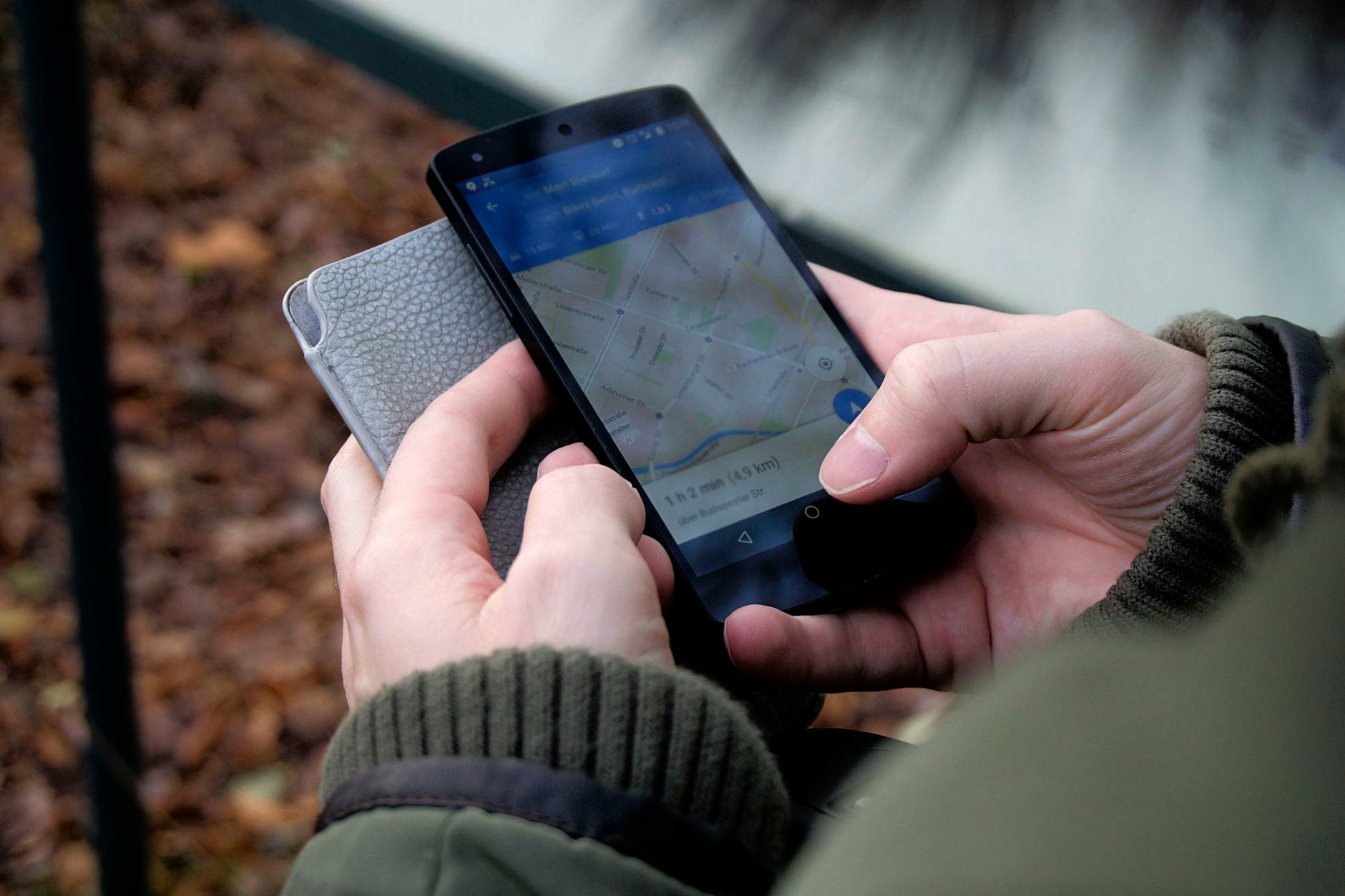
Staying connected is almost a necessity for navigating and sharing your experiences. Wi-Fi is widely available in South Korea, particularly in cafes, public spaces, and accommodation. However, having consistent data on your phone makes a huge difference, especially for maps and translation apps. I’ve found an eSIM for South Korea to be the most convenient and cost-effective solution, typically costing $15-30 USD for a decent data package for a week or two, avoiding the hassle of physical SIM cards or expensive roaming.
Beyond the major categories, it’s wise to budget for a few unexpected costs or personal splurges. Shopping, whether for K-beauty products in Myeongdong, K-Pop merchandise, or unique souvenirs from Insadong, can quickly add up. Tipping is not customary in South Korea, so that’s one less thing to budget for. However, emergencies can happen, so having comprehensive travel insurance is always a good idea. I always recommend securing travel insurance for South Korea that covers medical emergencies, trip cancellations, and lost luggage, offering peace of mind. Leave a small buffer in your budget for these incidentals; a little spontaneity often leads to the best memories.
What This Means for Your Trip

South Korea is a country that rewards curious and thoughtful travelers. While the initial question of “how much does it cost?” is important, I find that a truly enriching trip is less about pinching every penny and more about making mindful choices that align with your travel philosophy. The beauty of South Korea is that it generously accommodates a wide range of budgets, allowing you to tailor your experience without feeling deprived.
By understanding where your money will likely go – from the essential flight to the daily T-money top-ups – you can approach your planning with quiet confidence. Consider which aspects of travel truly matter to you. Is it indulging in every street food snack, or staying in a particularly charming guesthouse? Perhaps it’s visiting every palace, or simply sitting in a local cafe, watching everyday life unfold. Each choice shapes your budget, but more importantly, it shapes your story. My hope is this guide helps you chart a journey that leaves you not just wiser about your spending, but truly calmer and more curious about South Korea’s gentle surprises.
Frequently asked questions
What is a realistic daily budget for South Korea (excluding international flights)?
For a budget traveler, you might expect to spend $50-80 USD per day. A mid-range trip typically falls between $100-150 USD daily, while a comfortable experience could be $180-250+ USD per day. These are estimates and depend heavily on your choices.
How can I save money on accommodation in South Korea?
Opting for hostels or guesthouses is a great way to save, especially in areas like Hongdae or Haeundae. Booking well in advance, especially during peak seasons, can also secure better rates. Consider staying slightly outside the absolute busiest city centers.
Is food expensive in South Korea?
South Korea offers excellent value for food, from affordable street food vendors in Myeongdong or Gwangjang Market to convenience store meals. Local restaurants can be very reasonable, especially if you enjoy dishes like kimchi jjigae or bibimbap. Finer dining, of course, comes at a higher price.
What's the best way to get around cities like Seoul and Busan?
The subway systems in Seoul and Busan are incredibly efficient and affordable. Purchasing a T-money card makes payments seamless for subways, buses, and even some taxis. For intercity travel, the KTX high-speed rail is fast but more expensive than intercity buses.
What unexpected costs should I consider for a trip to South Korea?
Connectivity (like an eSIM) is essential. While many attractions are free or low cost, specific tours like a DMZ visit can be a significant expense. Shopping for cosmetics, K-Pop merchandise, or souvenirs can also add up quickly if you're not mindful.
Keep reading on Gently Yonder
- How Much Does a Trip to Japan Cost? — A realistic 2026 budget — flights, hotels, rail, food, and where costs surprise people.
- Travel Insurance for South Korea — Whether you need it, what Korean medical care costs a visitor, and honest picks by traveller type.
- Staying Connected in South Korea — eSIM vs local SIM vs pocket WiFi in Korea — which to choose, and how to get online on arrival.
- Best eSIM for South Korea (2026) — How to choose a Korea travel eSIM — coverage, data plans, and the pick for most trips.
- Seoul: A First-Timer's Guide — The royal palaces, Bukchon Hanok Village, Gwangjang Market, and a DMZ day trip.
- Seoul: The Places Worth Your Time — Gyeongbokgung, Bukchon, N Seoul Tower, Myeongdong, Gwangjang Market, and a DMZ day trip.