No one pays to be recommended here, and we say when a free or cheaper option wins. Our promise →
In this guide8 sections
Tokyo rewards you even more when you leave it for a day. Within roughly one to two hours by train you can stand under Nikko’s gilded shrine gates, soak in a Hakone hot spring with Mount Fuji across the water, or walk to a giant bronze Buddha in Kamakura. This is a practical guide to the day trips that are genuinely worth the early start — what each one is, how to get there, and the easiest way to book so the day runs itself.
A quick note before the list: the two things that make a Japan day trip smooth are data in your pocket and not fighting the logistics. Trains, timetables, and maps all live on your phone, so an eSIM for Japan set up before you fly saves the arrival scramble (our best eSIM for Japan pick explains which to choose). And for the trickier destinations, a guided tour that handles the train changes and entrance tickets is often worth it — I’ll point out where.
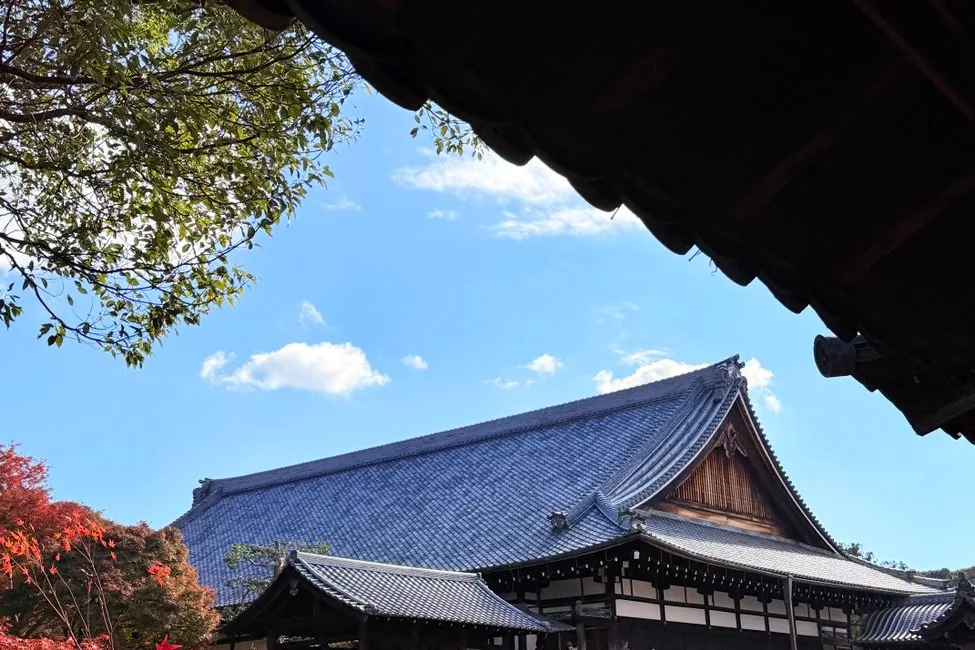
Nikko — shrines, forest, and waterfalls
About two hours north of Tokyo, Nikko is a UNESCO-listed complex of lavishly carved shrines set in cedar forest, with Lake Chuzenji and Kegon Falls a bus ride higher up. It’s the most “wow” of the day trips and the one where a guide earns their keep, because the sights are spread out and the mountain buses confuse first-timers. If you’d rather not puzzle over connections, a small-group Nikko day tour that includes transport and the key stops turns a logistically fiddly day into an easy one. Independent travelers can take the train from Asakusa and buy a Nikko-area bus pass on arrival.
Hakone — hot springs and Mount Fuji
Hakone is the classic mountain-and-onsen escape, famous for its “loop” — a train, a switchback railway, a ropeway over a volcanic valley, and a pirate-ship cruise across Lake Ashi, with Mount Fuji on show when the weather cooperates. It’s also one of Japan’s great open-air-museum towns. The loop is doable independently with a Hakone Free Pass, but if you want the Fuji views, the art museums, and a soak packaged into one seamless day, a Hakone and Mount Fuji day tour handles the choreography. Go on a clear day if you can — check the forecast the night before.
Staying the night instead? Where to stay in Hakone compares five areas and names 12 ryokan and hotels, from a hostel by Gora Station to the Fujiya Hotel, with which have a private open-air bath.
Kamakura and Enoshima — the seaside Buddha
An hour south of Tokyo on the JR Yokosuka Line, Kamakura is a former samurai capital of temples, hiking trails, and the Great Buddha (Daibutsu) — a 13-metre bronze figure sitting open to the sky since a tsunami washed away its hall in 1498. Pair it with the little island of Enoshima and its sea caves for a full day. Kamakura is easy to do on your own with an IC card and a rented bicycle, though the Daibutsu and Hase-dera can have queues in peak season — you can skip some of them with pre-booked attraction tickets.
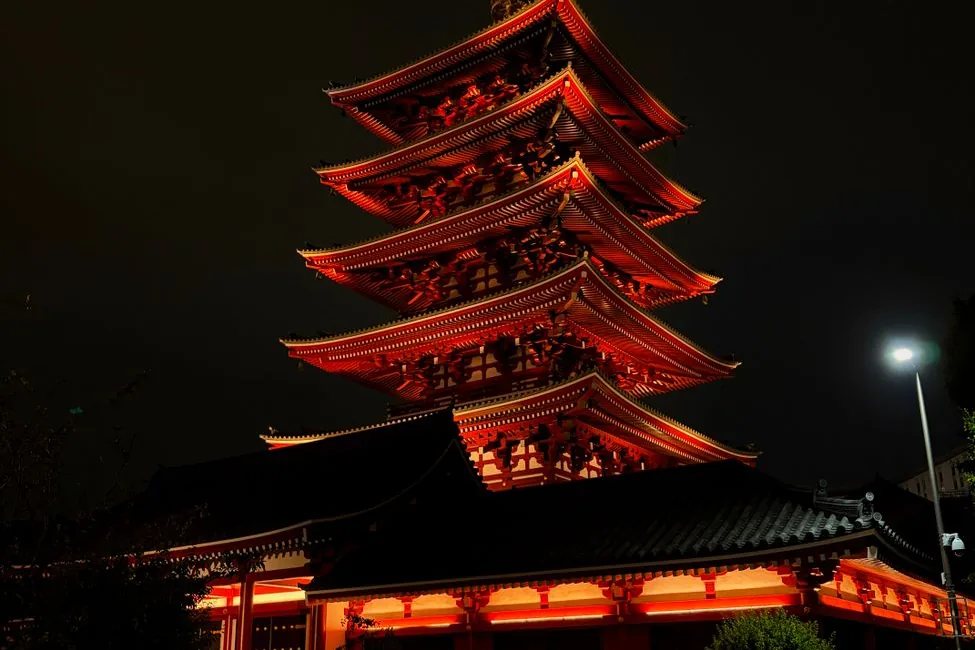
Mount Fuji and the Fuji Five Lakes
For Fuji itself — rather than a distant view — the Fuji Five Lakes region around Kawaguchiko is the day-trip base: lakeside reflections of the mountain, the Chureito Pagoda viewpoint, and, in summer, the climbing trailheads. It’s about two hours by bus or train from Shinjuku. This is another where a Mount Fuji and Kawaguchiko day tour is the low-stress option, because the photogenic spots are scattered around the lake and public transport between them is slow. One honest caveat: Fuji is shy — it hides behind cloud on many days, so build in flexibility and go on the clearest morning of your trip.
Kawagoe — “Little Edo”
Half an hour from Ikebukuro, Kawagoe is the easy one: a preserved district of Edo-period clay-walled merchant houses, a candy-shop lane, and a wooden bell tower, all walkable from the station. It’s a gentle half-day if you want the old-Japan atmosphere without a long journey, and it pairs well with a relaxed afternoon back in Tokyo. No tour needed — just an IC card and an appetite for sweet-potato everything.
Yokohama — Chinatown and the harbour
Barely 30 minutes south, Yokohama is less a “day trip” than a change of scene: Japan’s biggest Chinatown, a breezy harbourfront, the Cup Noodles Museum, and some of the best city-and-bay night views around. It’s a good rainy-day alternative when the mountains are socked in, and it’s cheap and quick to reach on the Tokyu Toyoko Line.
How to choose — and a rough plan
If you only have one day, make it Nikko (culture) or Hakone (scenery and onsen). Two days? Add Kamakura for the coast. Short on energy or time? Kawagoe or Yokohama give you a satisfying half-day close to home.
A few practical notes to keep the day calm:
- Book the far ones ahead. Nikko, Hakone, and Fuji all involve multiple connections; a guided tour or a pre-planned pass removes the friction. Browse current options on Klook and KKday, which tend to have the widest English-bookable range for the Tokyo area.
- Weigh the rail options. If you’re combining several trips or continuing to Kyoto, do the maths on whether the JR Pass is worth it in 2026 before you buy individual tickets.
- Stay connected. Rural bus stops and trailheads are where a dropped signal hurts most — sort your connectivity before you go.
- Start early. These are dawn-departure days; the crowds and the clouds both build by mid-morning.
For more on the city you’re basing from, see our Tokyo city guide and the places worth your time in Tokyo.
Frequently asked questions
What is the best day trip from Tokyo?
For a first visit, Nikko (UNESCO shrines and forest) or Hakone (hot springs and Mount Fuji views) are the standouts. Kamakura is the easiest coastal option with its Great Buddha, and Kawagoe or Yokohama make relaxed half-days close to the city.
How far in advance should I book a Tokyo day trip?
For Nikko, Hakone, and the Fuji Five Lakes, book guided tours a few days ahead in peak seasons (spring blossom and autumn foliage). Kamakura, Kawagoe, and Yokohama can be done spontaneously with an IC card.
Do I need a tour or can I go independently?
All of these can be done independently with trains and IC cards. A guided tour mainly buys convenience on the scattered mountain destinations — Nikko, Hakone, and the Fuji Five Lakes — where multiple connections eat into the day.
Can I see Mount Fuji on a day trip from Tokyo?
Yes. Hakone offers classic distant views across Lake Ashi, while Kawaguchiko in the Fuji Five Lakes puts you at the mountain's foot. Fuji is often cloud-covered, so choose the clearest morning of your trip and keep plans flexible.
Keep reading on Gently Yonder
- Where to Book a Mount Fuji Day Tour Klook and KKday both sit at about ¥7,800, so price is not the decision — the month, the departure time and the cancellation line are.
- Tokyo: The Places Worth Your Time The best of Tokyo — Senso-ji, Shibuya, Harajuku, Shinjuku, teamLab, and easy day trips.
- Is the JR Pass Worth It in 2026? An honest calculation after the price rise — break-even itineraries and the alternatives.
- Best eSIM for Japan (2026) How to choose a Japan travel eSIM — coverage, data plans, and the pick for most trips.
- Tokyo in 5 Days An unhurried first-timer's itinerary — neighbourhoods grouped so you ride trains less.
- Japan: A 7-Day First-Timer's Itinerary Three days in Tokyo, a day trip, two days in Kyoto, and a day in Osaka — tied together by the Shinkansen.